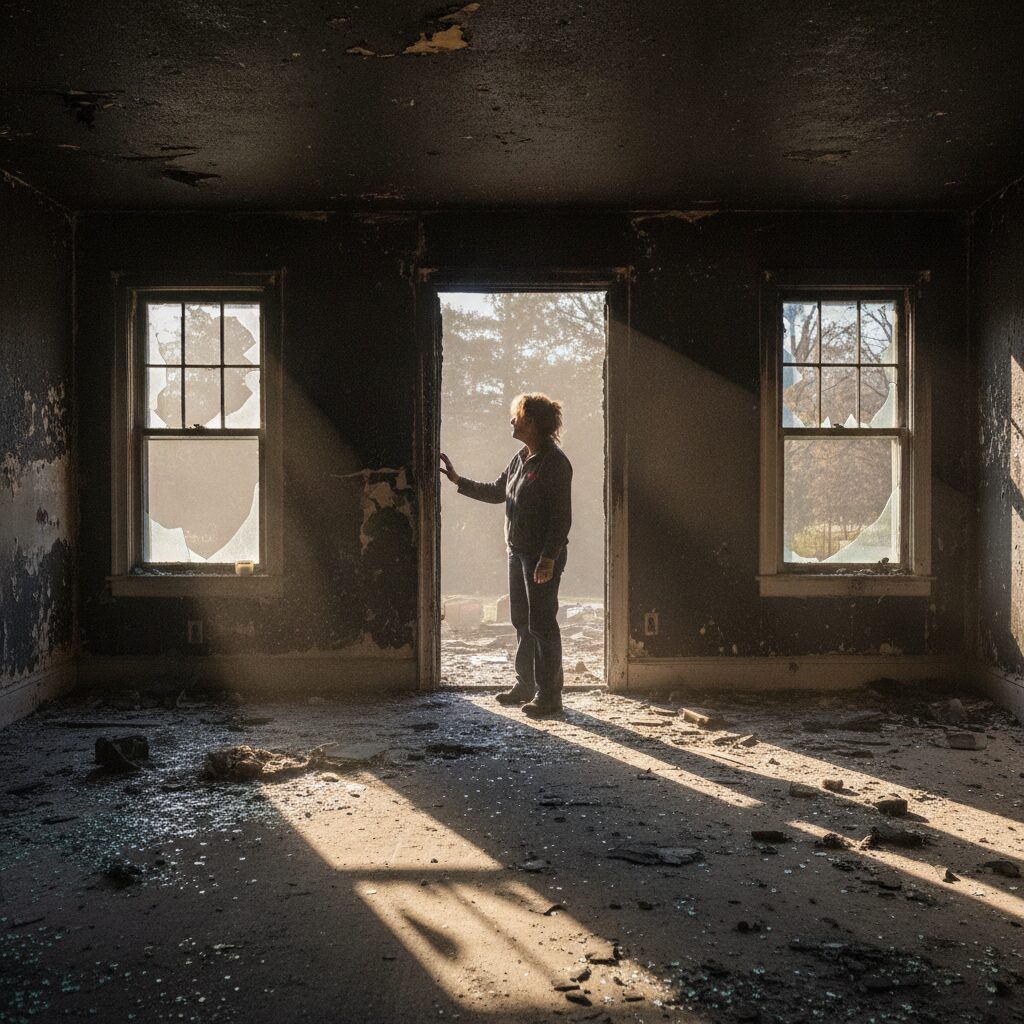
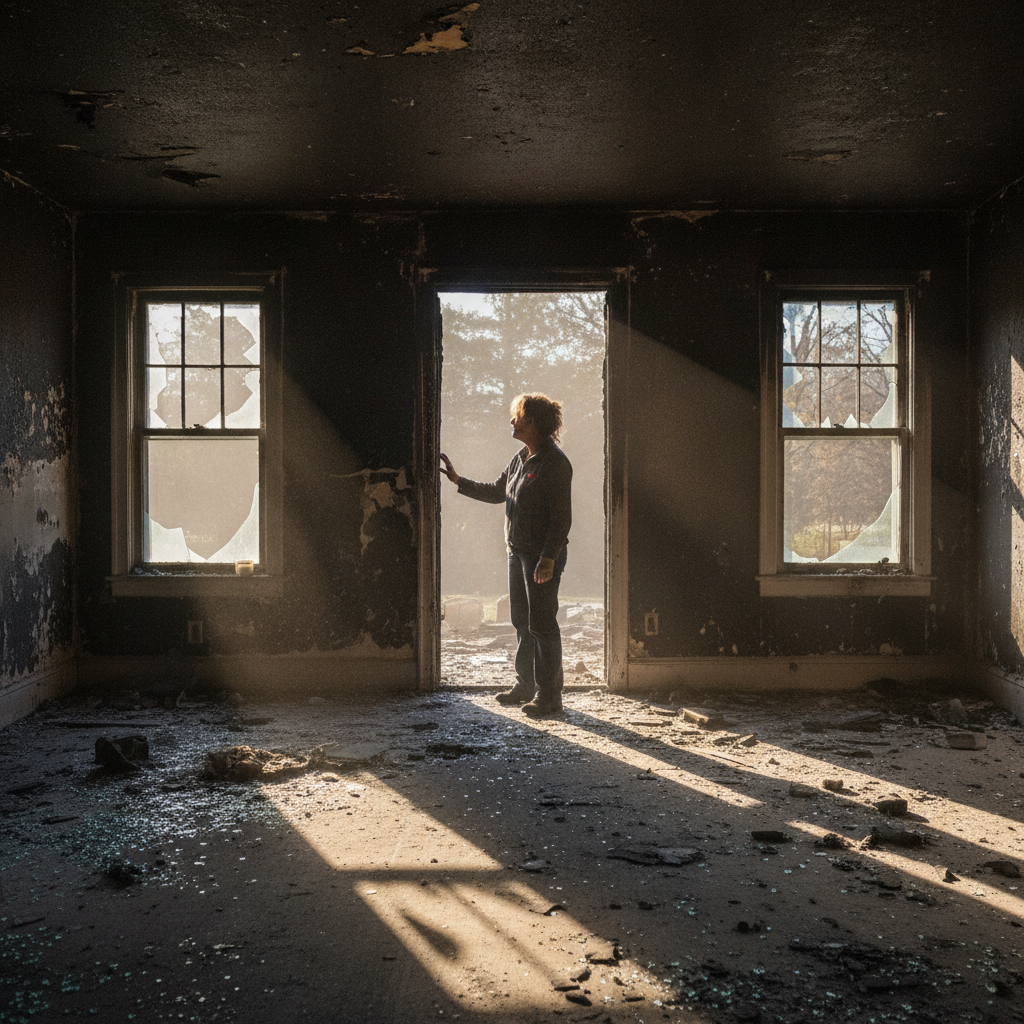
The fire is out, the trucks have left, and the first thing most people want to do is walk back inside and see what is left. That urge is completely human, and it is also one of the riskiest moments in the entire recovery process. A house that looks stable from the curb can hide weakened framing, compromised wiring, lingering toxic residue, and air that is unsafe to breathe for long stretches. Knowing when you can actually step back through the door is a decision that deserves real information, not guesswork or a hopeful glance from the driveway.
This guide walks through the practical milestones that determine when reentry is safe. We will cover who gives the official green light, what hazards linger after the flames are gone, how to prepare for a first visit, and what role professional Fire Damage Restoration Bloomfield Hills teams play in making a damaged home habitable again. Whether you own a single family house, manage a small commercial building, or oversee a development project, the same safety logic applies. The goal is simple: get you back into your property without adding injury or illness to the loss you have already suffered.
Reentry is not one single moment. It is a series of checkpoints, each one unlocking a little more access. Understanding that sequence helps you stay patient when patience matters most, and helps you act quickly when the timing is right.
Why Reentry Is Never Just a Matter of Time
Many people assume a fire-damaged home becomes safe after a set number of days. It does not work that way. Safety depends on conditions, not the calendar. A small kitchen fire that was contained quickly may allow supervised access within a day or two, while a structure fire that burned through a floor system may stay off limits for weeks. The difference comes down to structural integrity, utility status, air quality, and the presence of hazardous materials that were created or released by the fire itself.
Heat can weaken wood, steel connections, and masonry in ways that are invisible to the untrained eye. Firefighting water adds weight to ceilings and floors and can soak insulation and drywall. Burned plastics, treated lumber, and household chemicals release residues that cling to every surface. Because so many variables interact, a responsible reentry plan is built on inspection and testing. That is why professionals at Bloomfield Construction treat the first visit as an assessment, not a homecoming, and why rushing the process rarely saves anyone time or money in the long run.
Who Actually Gives the Official Go-Ahead
The authority to clear a building does not belong to the property owner, and it does not belong to a restoration contractor either. After a fire, the fire department and local building officials determine whether a structure is safe enough to enter. If a property has been posted with a notice or tagged as unsafe, you generally cannot go inside until an official removes or updates that status. Ignoring a posted notice can put you in legal trouble and, more importantly, in physical danger.
Beyond the fire department, other parties weigh in at different stages. Utility companies verify that gas and electrical service is safe to restore. A structural engineer may evaluate load-bearing elements when damage is significant. Your insurance adjuster will want to document conditions before anything is moved, so coordinate timing with them early. A licensed restoration team can then explain which areas are safe for short visits and which remain restricted. Think of it as a chain of approvals. Each link confirms a different type of safety, and you need all of them before treating the home as livable again.
Structural Hazards That Hide in Plain Sight
A charred beam is easy to spot. A beam that lost half its strength without looking dramatically burned is not. Fire weakens structural members by reducing the cross section of wood and altering the properties of metal fasteners and connectors. Floors that feel solid underfoot may be supported by joists that have been heavily damaged from below. Stairs, roof trusses, and wall assemblies can all be compromised even when the surface appears intact.
Water from suppression efforts creates a second layer of concern. Saturated ceiling drywall can sag and release suddenly, and soaked insulation adds significant weight overhead. If you want to understand how moisture quietly changes the materials inside your walls and attic, this article on How Water Damage Affects Insulation in Bloomfield Hills Walls and Attics explains the issue in practical terms. Until a qualified professional has evaluated these elements, treat every ceiling, floor, and stair as potentially unreliable. Wear sturdy boots, avoid walking under visibly bowed ceilings, and never test a questionable floor by standing on it.
Air Quality, Soot, and What You Cannot See
Smoke does not simply vanish once the fire is out. Fine soot particles, acidic residues, and volatile compounds settle on walls, ductwork, furniture, and insulation, then get stirred back into the air whenever someone walks through or opens a door. Burned synthetic materials such as carpet, foam, and wiring insulation can release irritants that cause coughing, headaches, and eye or throat discomfort. People with asthma, heart conditions, or young children are especially vulnerable.
That is why a smell test is not enough. A home can seem tolerable to your nose while still carrying particulates that affect breathing. Professional teams use containment, air scrubbers with HEPA filtration, and targeted cleaning to bring particle counts down before regular occupancy resumes. If you must enter early, a properly fitted respirator rated for fine particulates is far safer than a paper dust mask. Keep visits short, avoid disturbing debris, and open nothing you do not need to touch. Clean air is a milestone you earn through work, not one you can assume.
Electrical, Gas, and Utility Safety Checks
Fire and suppression water are a dangerous combination for electrical systems. Wiring insulation can melt or crack, outlets and panels can corrode, and water can create shock hazards in places you would never expect. Even when power appears to be off, residual hazards can remain, and turning a breaker back on without inspection can start a second fire. Never flip switches or use appliances in a fire-affected home until a licensed electrician has evaluated the system.
Natural gas deserves the same caution. Damaged lines, fittings, or appliances can leak, and a single spark can turn a lingering leak into an explosion. If you smell gas at any point, leave immediately and call the utility from a safe distance. Plumbing also needs attention, since heat can crack pipes and water heaters can be damaged. Utilities are typically restored in stages, and each stage should be verified before moving on. Treat every service as unsafe until someone qualified tells you otherwise, and keep written records of each inspection for your insurer.
A Practical Timeline of Reentry Stages
Reentry usually unfolds in phases rather than all at once. The table below outlines a typical progression so you know what to expect. Actual timing varies widely with the size of the loss, the extent of the damage, and how quickly inspections and approvals come through.
| Stage | What Happens | Access Level |
|---|---|---|
| Emergency clearance | Fire department confirms the fire is out and hazards are controlled | Usually none, or escorted only |
| Initial assessment | Structural, utility, and damage evaluation with the restoration team | Short, supervised walkthrough |
| Stabilization | Boarding up, tarping, water removal, and containment set up | Limited to retrieving essentials |
| Cleaning and repair | Soot removal, deodorization, demolition, and rebuilding | Restricted work zones |
| Final verification | Air checks, system inspections, and sign-off | Full reoccupancy |
Protecting the Roof and Envelope Before You Settle In
One overlooked reentry factor is whether the building can keep weather out. A fire often burns through roofing, decking, or ceilings, and firefighters sometimes cut ventilation holes that leave the structure open to rain and snow. Every day those openings stay uncovered, secondary damage grows, from mold to warped framing to ruined insulation. Temporary protection such as tarps and board-ups is usually among the very first tasks after the scene is cleared.
Cold-weather regions face an added complication. Snow load on a weakened roof and refreezing meltwater can strain compromised sections, and understanding How Ice Dams Can Affect Bloomfield Hills Roof Systems helps explain why winter fires demand fast envelope protection. Until the roof and exterior walls are weathertight, interior repairs make little sense, and spending long periods inside is unwise. A home that is dry, sealed, and structurally sound is a far better candidate for safe occupancy than one that is merely free of visible flames.
How Professional Restoration Shortens the Wait
It can feel like restoration crews are slowing things down, but the opposite is usually true. Experienced teams work in a deliberate order: secure the structure, remove water, contain affected areas, clean soot and residue, treat odors, and then rebuild. Skipping or reversing steps tends to cause rework, lingering smells, and health complaints later. Good coordination between trades keeps the project moving rather than stalling at each handoff.
Local Fire Damage Restoration Bloomfield Hills professionals also know how to document conditions in ways insurers accept, which helps claims move forward without unnecessary delays. If you want a clearer picture of how the process works for properties in this area, you can learn more here about services and what to expect. Ask any prospective contractor how they handle containment, which cleaning methods they use on different surfaces, and how they verify air quality before handing a space back. Clear answers are a good sign that your reentry timeline rests on solid practice.
Preparing for Your First Visit Inside
When access is granted, go in prepared. A little planning keeps the visit safe and productive, and it reduces the emotional strain of seeing the damage firsthand. Bring a short list of what you need to retrieve, because time inside should be brief. Prioritize documents, medications, identification, and irreplaceable items, and leave heavy lifting to the professionals.
- Wear sturdy closed-toe boots with thick soles, long pants, long sleeves, and gloves.
- Use a respirator rated for fine particulates rather than a basic paper mask.
- Bring a flashlight, since power may be off and hallways can be dark and cluttered.
- Take photos and video of every room before moving anything, for your insurance file.
- Never go alone, and let someone know when you are entering and leaving.
Keep children and pets away from the property entirely until cleaning is complete. Their smaller bodies and closer contact with floors and surfaces make them more susceptible to residue exposure.
Salvaging Belongings Without Spreading Contamination
Removing items from a fire-damaged home is tempting, but carrying soot-covered belongings into a clean space, a rental, or a vehicle spreads contamination. Porous items like upholstery, clothing, mattresses, and paper hold smoke residue deeply, and wiping them down rarely solves the problem. Some things can be restored with specialized cleaning, while others are better replaced. Sorting them correctly saves money and avoids bringing odors into your temporary housing.
Food, medicine, and cosmetics that were exposed to heat, smoke, or firefighting water should generally be discarded, since contamination is not always visible. Electronics should not be powered on, because soot and moisture can cause shorts and permanent failure. For valuable or sentimental items, ask your restoration team about professional cleaning, ultrasonic treatment, or content pack-out services. Label boxes, photograph what leaves the property, and keep a running inventory. That record supports your claim and makes it far easier to track what has been cleaned and what remains.
Common Reentry Mistakes to Avoid
Most reentry problems come from good intentions. Owners want to help, save money, or simply take back control, so they start cleaning on their own. Scrubbing soot with the wrong products can grind it deeper into surfaces and make professional cleaning harder. Running the HVAC system can pull residue through every duct and spread it to rooms that were untouched. Opening windows without a plan can invite weather and, in some cases, intruders into a vulnerable property.
Another frequent error is moving back in too soon because the visible damage seems minor. Odors, residue, and moisture can persist inside walls and ductwork long after surfaces look clean. Signing off on a project before air quality and system checks are complete leaves you to discover problems after the crew is gone. Finally, avoid throwing away damaged items before your adjuster has documented them. Patience, documentation, and professional guidance prevent nearly every one of these missteps and keep the recovery on track.
Where to Go From Here
Safe reentry after a fire is a process built on verification, not optimism. The official clearance from fire and building authorities comes first, followed by checks on structure, utilities, and air quality, and then the cleaning and repair work that makes the space genuinely livable. Each stage unlocks a little more access, and each one exists to protect you from hazards that are easy to underestimate when you are eager to get home.
If you take only a few points from this guide, let them be these. Never enter a posted or unevaluated structure. Treat electrical, gas, and structural conditions as unsafe until a professional says otherwise. Do not trust your nose as an air quality test. Document everything before touching it, and let experienced restoration crews control the sequence of work. Rushing may feel productive, but it often adds cost, delay, and health risk that careful steps would have avoided.
Whether you are a homeowner, a small business owner, or a developer managing a damaged property, the principle is the same: the building tells you when it is ready, and qualified people help you read the signs. Build a team you trust, ask plenty of questions, keep your records organized, and give yourself permission to move at the pace safety requires. A well-run restoration gets you back inside with confidence, and that is worth every day of patience it takes.