Water damage is a silent threat that can strike any home or business, often with little warning. Whether you’re a small business owner, property developer, or a local resident, understanding the causes of water damage is essential for protecting your investment. In the area, water damage isn’t just a seasonal concern, it’s a year-round risk that can lead to costly repairs, health hazards, and disruptions to daily life. From heavy rainstorms to aging plumbing, knowing what to watch for can make all the difference in preventing disaster. This comprehensive guide explores the five most common causes of water damage in homes and businesses, with practical advice tailored for this community. We’ll also dig into how to spot early warning signs, the best ways to prevent damage, and what steps to take if you find yourself facing a water emergency. Let’s dive in and empower you with the knowledge you need to keep your property safe, dry, and secure.
Top Causes of Water Damage in Bloomfield Hills
When it comes to the causes of water damage in this city, several factors stand out as the most frequent culprits. Heavy rainfall, melting snow, and sudden storms can overwhelm drainage systems, leading to flooding and seepage into basements or crawl spaces. Many homes in the area are older, with aging plumbing that can develop leaks or burst unexpectedly. Roof leaks are another common issue, especially after harsh winters or windstorms. Clogged gutters and downspouts can also direct water toward your foundation instead of away from it, increasing the risk of structural damage. Lastly, malfunctioning appliances like water heaters, dishwashers, and washing machines can cause significant water damage if hoses crack or connections fail. For more information on the Common Causes of Water Damage, check out this helpful resource. Understanding these risks is the first step toward protecting your property from costly repairs and long-term issues.
Understanding the Causes of Water Damage in Bloomfield Hills, MI
In Bloomfield Hills, MI, the climate and local infrastructure play a significant role in the causes of water damage. The combination of freezing winter temperatures and warm, wet springs creates ideal conditions for burst pipes and foundation leaks. When pipes freeze and thaw, they expand and contract, often leading to cracks or breaks. Additionally, the region’s frequent rainstorms can saturate the ground, causing water to seep through basement walls or floors. Poorly maintained sump pumps may fail during heavy downpours, resulting in flooded basements. Roof leaks are also prevalent, especially in older buildings where shingles or flashing have deteriorated over time. If you want to stay ahead of potential issues, it’s crucial to understand how these factors interact and what preventive measures you can take. For more insights and tips, visit this water damage blog that covers local trends and solutions tailored to our climate.
How Causes of Water Damage Affect Homes in Bloomfield Hills, Michigan
The causes of water damage in homes across Bloomfield Hills, Michigan, are often interconnected. For example, a clogged gutter can lead to water pooling near the foundation, which may then seep into the basement during a heavy rainstorm. Similarly, a minor roof leak can go unnoticed for months, slowly damaging insulation, drywall, and even electrical systems. In this community, many homes feature finished basements and high-value interiors, making even a small leak a major concern. Water damage can also foster mold growth, which poses health risks and can be expensive to remediate. Regular inspections and maintenance are key to avoiding these pitfalls. If you’re unsure where to start, consider reaching out to local experts like Bloomfield Construction for a professional assessment and tailored recommendations.
The Role of Weather and Climate in Water Damage
Weather patterns in this region are a major contributor to the causes of water damage. Sudden downpours, snowmelt in spring, and rapid temperature swings can all test the limits of your property’s defenses. Heavy precipitation can overwhelm local drainage systems, leading to flash flooding and water intrusion. Snow and ice accumulation on roofs can cause ice dams, which prevent proper drainage and force water under shingles. This can result in leaks that damage ceilings, walls, and insulation. It’s important for homeowners and business owners to monitor weather forecasts and prepare accordingly. Simple steps like clearing gutters before a storm and ensuring sump pumps are operational can go a long way toward preventing water-related disasters. Investing in weatherproofing and regular inspections can help you stay ahead of the elements and reduce the risk of costly repairs.
Aging Infrastructure and Plumbing Failures
Many properties in the neighborhood feature plumbing systems that are decades old. Over time, pipes can corrode, joints may loosen, and seals can deteriorate. These issues are among the leading causes of water damage in both residential and commercial properties. Old galvanized pipes are especially prone to rust and eventual failure. Even copper and PVC pipes can develop problems after years of use. Regular plumbing inspections are crucial, especially if you notice signs like reduced water pressure, unexplained moisture, or discolored water. Replacing old pipes before they fail can save thousands in potential water damage. Additionally, keeping an eye on water heaters, washing machine hoses, and dishwasher connections can help prevent sudden leaks. Proactive maintenance is always more cost-effective than emergency repairs.
Roof Leaks and Gutter Issues
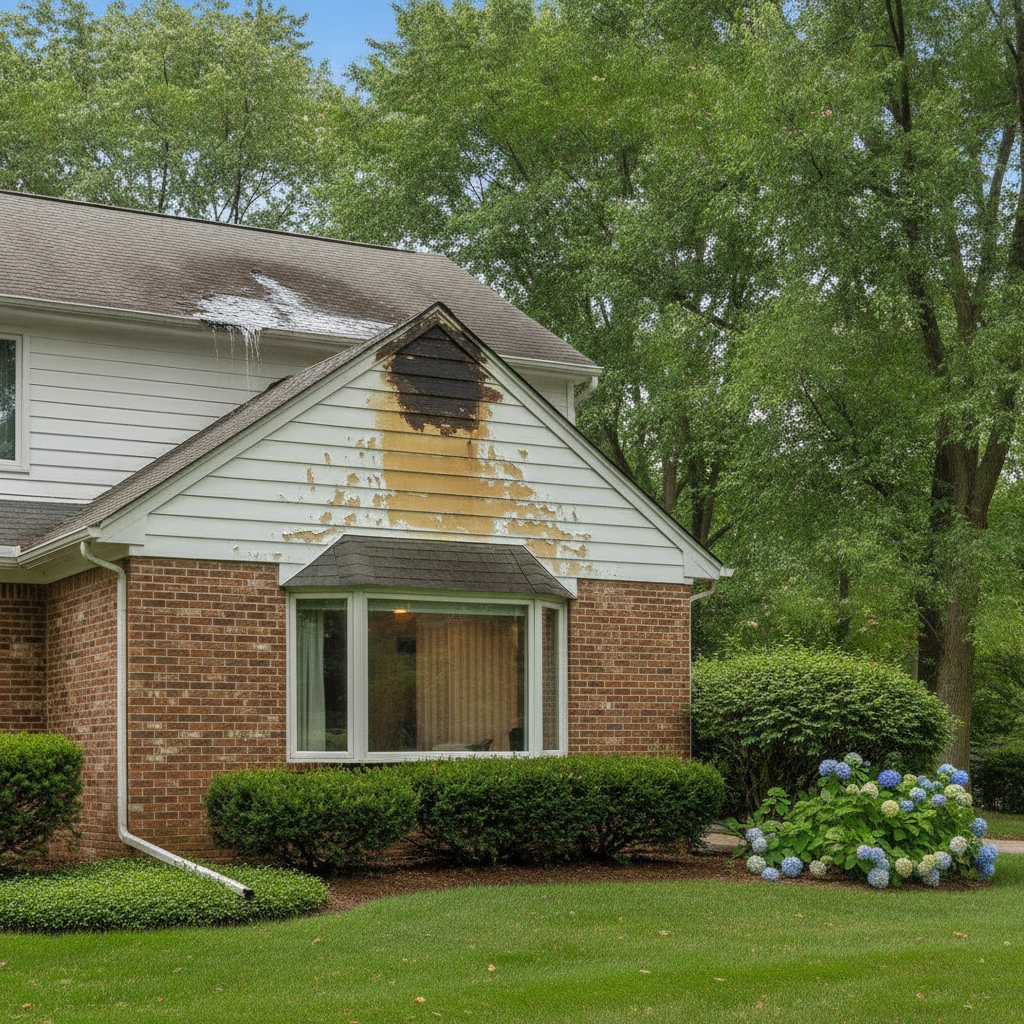
Roof leaks are a common headache for property owners in the region. Shingles can be damaged by wind, hail, or simply age, allowing water to penetrate the roof structure. Flashing around chimneys, vents, and skylights can also fail, leading to slow leaks that may go unnoticed until significant damage has occurred. Gutters and downspouts are equally important, if they become clogged with leaves or debris, water can overflow and pool near the foundation. This increases the risk of basement flooding and can compromise the structural integrity of your property. Regularly cleaning gutters and inspecting your roof for missing or damaged shingles can help prevent these problems. Consider installing gutter guards and scheduling annual roof inspections to catch issues early. Remember, even a small leak can quickly escalate into a major repair bill if left unchecked.
Appliance Malfunctions and Interior Sources
Not all causes of water damage originate outside the home. Malfunctioning appliances are a frequent source of leaks and flooding. Water heaters, washing machines, dishwashers, and refrigerators with ice makers all have hoses and connections that can fail over time. A cracked hose or loose fitting can release hundreds of gallons of water in just a few hours. It’s important to regularly inspect these appliances for signs of wear, such as bulging hoses, rust, or puddles beneath the unit. Replace hoses every five years, or sooner if you notice any damage. Installing water leak detectors near appliances can provide early warning and help you avoid extensive damage. Don’t forget about toilets and sinks, worn seals or faulty shutoff valves can also lead to leaks. Staying vigilant with routine checks is key to preventing interior water disasters.
Foundation Cracks and Basement Flooding
Foundation cracks are a serious concern for property owners in this city. Over time, shifting soil, freeze-thaw cycles, and water pressure can cause cracks to form in basement walls and floors. These cracks provide a direct path for groundwater to enter your home, especially during periods of heavy rain or rapid snowmelt. Basement flooding is not only costly to repair but can also lead to mold growth and damage to stored belongings. Waterproofing your basement, sealing cracks as soon as they appear, and maintaining proper drainage around your foundation are essential steps in preventing water intrusion. Installing a sump pump with a battery backup can provide additional protection during power outages. Regularly inspect your basement for damp spots, efflorescence (white powdery residue), or musty odors, as these can be early indicators of water issues.
Mold Growth and Health Risks After Water Damage
One of the most concerning consequences of water damage is the potential for mold growth. Mold thrives in damp, dark environments and can begin to develop within 24-48 hours of water intrusion. Once established, mold can spread quickly, affecting walls, ceilings, carpets, and even HVAC systems. Exposure to mold can cause a range of health issues, including respiratory problems, allergies, and skin irritation. Children, the elderly, and individuals with compromised immune systems are particularly vulnerable. Preventing mold starts with addressing the causes of water damage promptly. If you experience a leak or flood, dry out the affected area as quickly as possible and consider using dehumidifiers to reduce moisture levels. If you suspect mold growth, it’s best to consult a professional for safe removal and remediation. Taking swift action can protect both your property and your health.
Preventive Maintenance: Your Best Defense
The best way to avoid the headaches and costs associated with water damage is through proactive maintenance. Regularly inspect your roof, gutters, plumbing, and appliances for signs of wear or damage. Schedule annual professional inspections to catch potential issues before they escalate. Consider installing water leak detectors and sump pumps with battery backups for added peace of mind. Keep gutters clear of debris and ensure downspouts direct water away from your foundation. Seal any cracks in your basement walls or floors promptly. By staying vigilant and addressing small problems early, you can significantly reduce your risk of experiencing water damage. Remember, prevention is always more affordable than repair, and a little effort now can save you a lot of trouble down the road.
| Cause of Water Damage | Common Signs | Prevention Tips |
|---|---|---|
| Roof Leaks | Water stains on ceilings, missing shingles | Annual roof inspections, replace damaged shingles |
| Plumbing Failures | Dripping sounds, low water pressure, damp spots | Inspect pipes, replace aging plumbing, monitor appliances |
| Foundation Cracks | Damp basement, visible cracks, musty odor | Seal cracks, maintain drainage, use sump pumps |
| Gutter Issues | Overflowing gutters, water pooling near home | Clean gutters, direct downspouts away from foundation |
| Appliance Leaks | Puddles under appliances, rust, bulging hoses | Replace hoses regularly, check connections, use leak detectors |
Key Takeaways
Water damage is a serious concern for anyone who owns property in the area. Understanding the causes of water damage, from weather and aging infrastructure to appliance failures and foundation cracks, can help you take proactive steps to protect your investment. Regular maintenance, timely repairs, and staying informed about local risks are your best defenses against costly damage. Don’t wait for a disaster to strike before taking action. By applying the tips and strategies discussed in this guide, you can minimize your risk and ensure your home or business remains safe, dry, and comfortable for years to come. Stay vigilant, stay prepared, and you’ll be well-equipped to handle whatever challenges come your way.