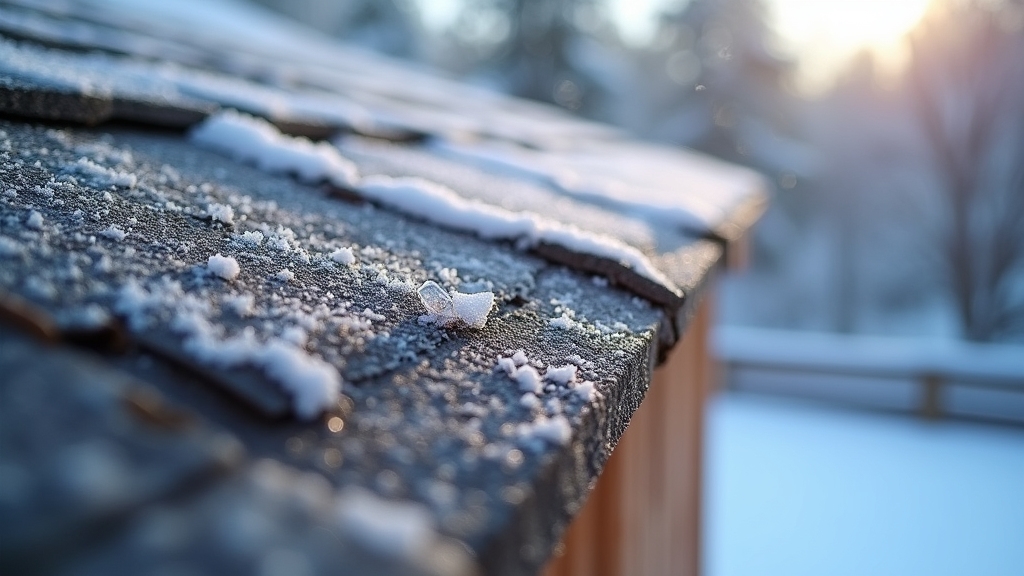
To guarantee your roof survives winter, start by checking for damaged or missing shingles. Look for signs of leaks and water damage inside your home. Clear gutters to prevent ice buildup, and inspect flashing around windows for any gaps. Don’t forget to remove debris from your roof and assess your attic’s insulation and ventilation. Secure seals around vents and chimneys, and identify ice dams early. There’s much more to explore, so keep going to learn essential tips!
Key Takeaways
- Inspect shingles for damage, curling, or missing sections to prevent leaks and ensure roof integrity during winter.
- Clear debris from the roof and gutters to avoid ice buildup and promote proper drainage.
- Check attic insulation for moisture signs and ensure proper ventilation to prevent ice dams.
- Examine flashing around windows and chimneys for rust or cracks to maintain a tight seal against moisture.
- Consider hiring a professional for a comprehensive roof inspection to identify and address potential winter hazards.
Check for Damaged or Missing Shingles
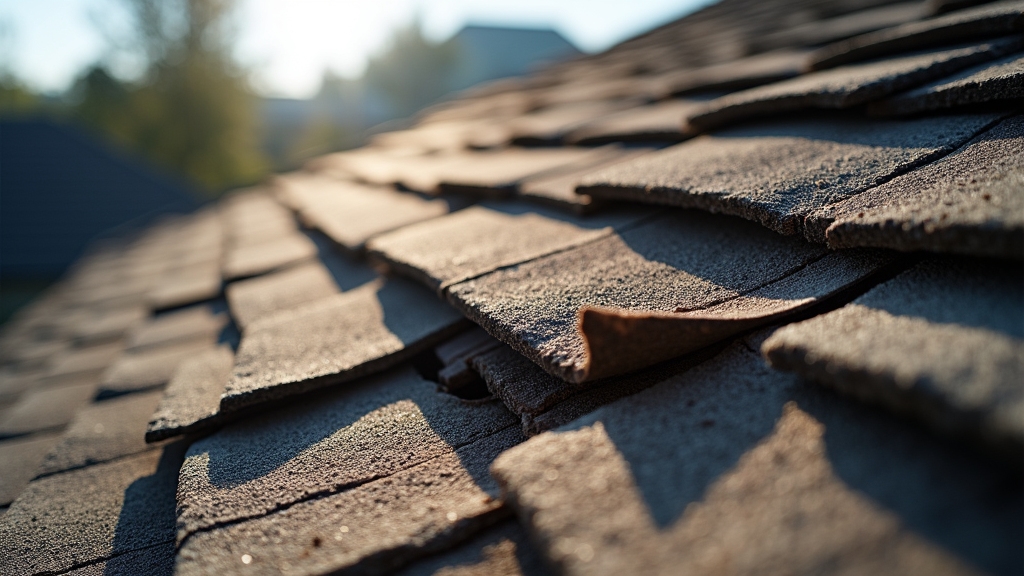
When inspecting your roof this winter, one key area to focus on is checking for damaged or missing shingles. Shingles play a critical role in protecting your home from the elements, so it’s crucial to verify they’re in good condition.
Start by understanding the different shingle types, including asphalt, wood, and metal. Each type has distinct durability and repair needs.
Investigate your shingles closely for curling, cracking, or missing sections. These issues can arise from improper installation techniques or prolonged weather exposure.
For example, shingles that aren’t properly aligned or secured can be more vulnerable to shifting and damage during storms.
If you notice any discrepancies, consider the shingle types’ characteristics and appropriate installation techniques. This understanding will guide your repairs and help you consult professionals precisely.
Prioritize this inspection to maintain your home’s safety and prevent costly issues that could worsen over the winter months.
Look for Signs of Leaks and Water Damage
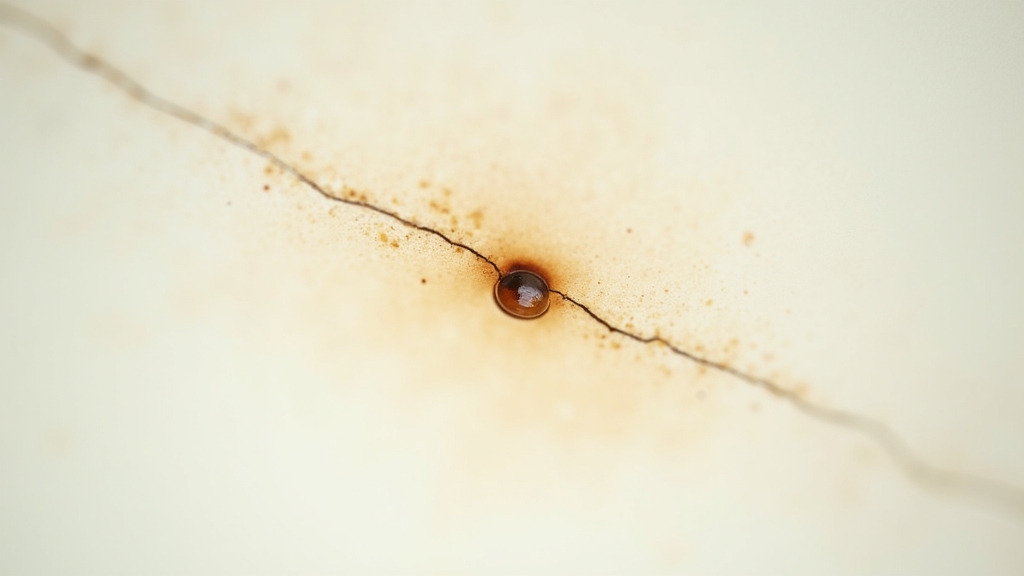
Begin your leak inspection by looking for any stains on your ceiling, which can indicate water damage.
Don’t forget to check your attic’s insulation for signs of moisture, as wet insulation is a clear sign of a leak.
Finally, move outside and examine your roof shingles, looking for any that are cracked or curling, as these can let water seep through.
Check Ceiling Stains
One of the key steps in a winter roof inspection is to check for ceiling stains, as they can be telltale signs of leaks and water damage.
Start by examining the ceilings in each room for discoloration or dark spots. These stains may indicate ceiling leaks, pointing to moisture intrusion from above.
Use moisture detection tools, like a moisture meter, to confirm if the area is damp. If you find dampness, it’s important to address it quickly to prevent further damage.
Pay close attention to corners and joints, where leaks are most common. By identifying these issues early, you can avoid more serious damage during winter.
Keeping an eye out for ceiling stains helps safeguard your home’s structural integrity.
Inspect Attic Insulation
Attic insulation plays an essential role in maintaining your home’s energy efficiency and can also reveal signs of leaks and water damage.
Start by checking the condition of your insulation materials—damaged areas might indicate underlying problems. Adequate attic ventilation is important for preventing moisture build-up that can lead to damage.
When you inspect, keep an eye out for these signs:
- Dampness or Mold: Dark spots or a musty odor suggest moisture issues needing immediate attention.
- Compressed Insulation: If the insulation appears flattened or deteriorated, water might be the culprit, affecting its efficiency.
- Water Stains: Look for discoloration on the attic floor or insulation itself, indicating potential leaks.
Identifying these issues early can save you significant time and repair costs, ensuring your home stays warm and efficient all winter long.
Examine Roof Shingles
Having inspected your attic insulation for moisture and damage, turn your attention to the roof shingles, which might conceal further clues about leaks and water damage.
Check for cracked, curled, or missing shingles as these issues can compromise the integrity of your roof. Different shingle materials have varying lifespans; for example, asphalt shingles typically last 15-30 years, while metal and tile can last much longer.
Knowing your shingle lifespan helps assess potential risks and plan for repairs or replacements. Look for granules collecting in gutters, which indicates deterioration.
Pay attention to dark spots or visible stains on shingles, as these could suggest trapped moisture and potential leaks. Early detection of these signs can prevent costly water damage down the line.
Prevent Further Damage by Clearing Gutters
Clearing your gutters is essential to prevent ice buildup, which can cause major roof damage during winter.
By ensuring your gutters are free of debris, you maintain proper drainage and reduce the risk of water-related issues.
Taking these preventive steps now will save you from costly repairs later.
Prevent Ice Buildup
While winter’s beauty can be mesmerizing, it often brings challenges for homeowners, particularly when it comes to ice accumulation on roofs.
Ice dam prevention is vital to protecting your home from costly damage. By using effective winter roofing techniques, you can minimize these risks.
Here’s how you can prevent ice buildup:
- Insulate Adequately: Make certain your attic is well-insulated to keep warm air from escaping, which can melt snow and refreeze it as ice.
- Ventilate Your Attic: Proper ventilation helps regulate temperature and reduces the formation of ice dams.
- Remove Snow: Use a roof rake to clear excess snow, lessening the weight and risk of ice formation.
Implementing these methods helps safeguard your roof and guarantees a secure, stress-free winter.
Maintain Proper Drainage
Even though winter brings a picturesque charm, guaranteeing your roof’s drainage system remains effective is essential. Clogged gutters can cause water to overflow, leading to ice dams and costly damage.
You’ll want to keep the water flow unimpeded by regularly checking and cleaning your gutters. Remove leaves, twigs, and any debris that might block proper drainage. Doing this prevents water from backing up under shingles or leaking into your home.
To maintain these drainage systems, consider installing gutter guards to reduce debris buildup. During inspections, check downspouts to guarantee they direct water away from your home’s foundation.
This preventive measure helps protect against seepage and erosion. By managing water flow effectively, you’re reducing maintenance costs and extending your roof’s lifespan.
Inspect and Fix Flashing Around Windows
If you’ve noticed any leaks or drafts around your windows, it’s time to take a closer look and inspect the flashing, which acts as a barrier against moisture intrusion.
Faulty flashing can let water seep in, leading to damage over time. Here’s how you can check the flashing materials and window seals effectively:
1. Look for Corrosion: Examine the flashing materials for rust, cracks, or any form of deterioration.
Damaged flashing can undermine your window seals and allow moisture to penetrate.
2. Check Window Seals: Verify the window seals are intact.
Gaps or breaches in the seals can compromise the barrier, leading to drafts and leaks.
3. Test with Water: Use a hose to lightly spray around the windows, mimicking rainfall.
If water seeps inside, your flashing or seals may need repair or replacement.
Tackling these issues early saves you from hefty repairs and helps keep your home warm and dry this winter season.
Remove Roof Surface Debris for Safety
Clearing your roof of debris is an important step in winter preparation. Leaves, branches, and other debris can accumulate, creating potential hazards. To avoid accidents, prioritize roof debris removal.
You’ll need to assess the situation first from the ground before climbing up. Safety precautions are vital, so always use a stable ladder and wear non-slip shoes when clearing debris.
By removing clutter, you reduce the risk of leaks and ice dams that can compromise your roof’s integrity. Debris can trap moisture, leading to mold and even structural damage over time.
Plus, a clean roof is more efficient at shedding snow, diminishing the danger of excessive weight.
Take your time and work methodically, or consider hiring professionals if you’re uncomfortable with heights. Regular maintenance not only prolongs your roof’s lifespan but also guarantees your home remains safe and sound throughout the cold months.
Trim Overhanging Tree Branches to Protect Roof
Once you’ve cleared your roof of debris, it’s wise to focus on trimming any overhanging tree branches. This vital step in roof protection prevents potential damage from branches that might scrape or fall due to winter’s harsh conditions. By taking action now, you avoid costly repairs and extend the life of your roof.
Consider these three important points when addressing tree branch trimming:
- Assess Branch Proximity: Look carefully at which branches are hanging too closely. Anything within ten feet deserves attention since heavy snow can weigh them down further.
- Hire Professionals: If branches are high or difficult to reach, don’t risk your safety. Experienced tree trimmers have the tools and knowledge to do the job securely and effectively.
- Long-term Maintenance: Regularly scheduled trimming keeps your roof safe and stress-free. As trees grow, monitor their impact on your home to guarantee continuous roof protection.
Follow these tips to keep your roof safe all winter long.
Assess Attic Insulation and Ventilation
While preparing your home for winter, evaluating your attic insulation and ventilation is vital to maintaining a healthy roof and energy-efficient environment.
Start by checking for any signs of attic moisture, as this can indicate poor insulation or inadequate ventilation. Moisture can lead to mold and compromise your roof’s integrity.
Investigate the insulation types in your attic. Common choices include fiberglass, cellulose, and spray foam. Each type has different properties, affecting thermal efficiency and compatibility with your home structure.
Assess whether your current insulation is sufficient by ensuring it adequately covers all areas without any gaps.
Proper ventilation is equally important to reduce attic moisture and regulate temperatures.
Inspect vents for blockages or damage. Maintain a balance between intake vents, like soffits, and exhaust vents, such as ridge or gable vents.
Adequate airflow prevents heat buildup and minimizes the risk of ice dams, protecting your roof during harsh winters.
Secure Roof Seals Around Vents and Chimneys
As the chill of winter approaches, pay close attention to securing roof seals around vents and chimneys to prevent leaks and potential damage.
Proper sealing is key to maintaining your home’s integrity during harsh weather. Here are some essential steps you can take:
Proper sealing is crucial for preserving your home’s structure against the challenges of severe winter conditions.
- Inspect Flashing: Check the metal flashing around vents and chimneys for rust or damage. Replace any compromised sections to guarantee a tight seal.
- Apply Caulk: Use high-quality, weather-resistant caulk for vent sealing techniques. Focus on gaps between the roof and vent pipes to block moisture entry.
- Clear Debris: Regularly clean around chimneys and vents to remove leaves or snow. This helps prevent water accumulation and promotes effective chimney maintenance.
Identify and Prevent Ice Dams
Ice dams can be a homeowner’s worst nightmare during winter months, but identifying and preventing them is vital for protecting your roof. Ice dam formation occurs when warm air from your home melts snow on the roof, which then refreezes at the eaves, creating a dam. This trapped water can back up under your shingles, leading to leaks and damage.
To prevent ice dams, make certain your attic is properly insulated and ventilated. This helps maintain a consistent roof temperature, reducing melting and refreezing.
Additionally, consider roof drainage solutions like heated cables or roof rake tools to remove snow buildup. Regularly inspect your gutters and downspouts to make sure they’re clear, allowing for proper drainage.
Consider Bringing in an Expert for Inspection
When it comes to roof inspections, you might want to contemplate calling in a professional.
They can help identify potential hazards early and guarantee a thorough assessment is conducted.
This way, you can rest easy knowing your roof is in good hands this winter.
Identify Potential Hazards Early
Since winter can bring hidden dangers to your roof, it’s crucial to identify potential hazards early.
Effective hazard identification can save you from costly repairs later. Here are three common issues to watch for:
- Ice Dams: These form when snow melts and refreezes, causing water to back up under shingles.
- Roof Leaks: Check for stains or damp spots on your ceiling, which indicate a leak that needs immediate attention.
- Structural Damage: Look for sagging sections or missing shingles that may compromise your roof’s integrity.
Don’t hesitate to bring in an expert for early detection of these problems.
They’ll help guarantee your roof stays safe throughout the winter months, protecting your home and peace of mind.
Ensure Thorough Assessment Conducted
A thorough assessment of your roof is essential, especially before the harsh winter weather sets in.
You can start by using a roof inspection checklist to identify any existing issues, like missing shingles or leaks. While you might feel confident doing a basic inspection, consider bringing in an expert for a more detailed evaluation.
Professionals can spot problems you might miss and guarantee your roof’s ready for winter weather preparedness. They know the specific challenges winter poses, like ice dams or heavy snow loads.
Investing in a professional inspection not only gives you peace of mind but also saves you money by preventing costly repairs down the line.
Don’t wait until it’s too late; secure your home with a thorough assessment today.
Frequently Asked Questions
How Often Should I Inspect My Roof During Winter?
You should inspect your roof every month during winter, especially after severe storms. Regular roof maintenance helps identify issues caused by winter weather, preventing costly damage and ensuring your home stays safe and warm.
What Tools Do I Need for a Roof Inspection?
For a thorough roof inspection, you’ll need essential roof inspection tools like a ladder, flashlight, and moisture meter. Don’t forget your inspection safety gear, including gloves, a hard hat, and non-slip footwear for protection.
Can I Perform the Inspection Safely on My Own?
Yes, you can perform the inspection safely on your own, but make certain you follow a detailed inspection checklist. Prioritize roof safety by using proper gear and avoiding risky areas to prevent accidents while inspecting.
What Are the Signs of Poor Attic Ventilation?
You’ll notice signs of poor attic ventilation if you see attic moisture, mold growth, or ice damming on the roof. These ventilation issues can lead to significant damage if not addressed promptly, so keep an eye out.
How Can I Prevent Ice Dams Before They Form?
To prevent ice dams, you can upgrade insulation and guarantee proper ventilation in your attic. Additionally, consider implementing drainage solutions to keep snowmelt moving off your roof, minimizing the risk of ice buildup.
Final Thoughts
By staying proactive with your winter roof inspection, you can prevent costly damage and guarantee your home stays safe and cozy all season long. Keep a close eye on missing or damaged shingles, interior leaks, and ice dams, and don’t forget basic tasks like clearing gutters and removing debris so melting snow and ice can drain properly. Addressing these issues early helps you avoid emergency repairs and extends the life of your roof.
If you’re unsure about what you’re seeing—or simply want the peace of mind that comes with a professional eye—consider scheduling a seasonal inspection with a trusted local expert. The team at Bloomfield Construction & Restoration offers comprehensive roofing services and can guide you on ongoing care with resources like their essential local roofing maintenance tips for Bloomfield Hills homes and DIY roof maintenance techniques for long-lasting protection. And if winter weather surprises you with an urgent problem, their 24/7 emergency roofing contractors are ready to respond.
Don’t wait until a small issue becomes a major headache. Contact Bloomfield Construction & Restoration today to schedule a winter roof inspection or request a quote. Their experienced team will assess your roof, explain any concerns, and recommend the right solutions so you can enjoy the beauty of winter without worrying about what’s happening overhead.