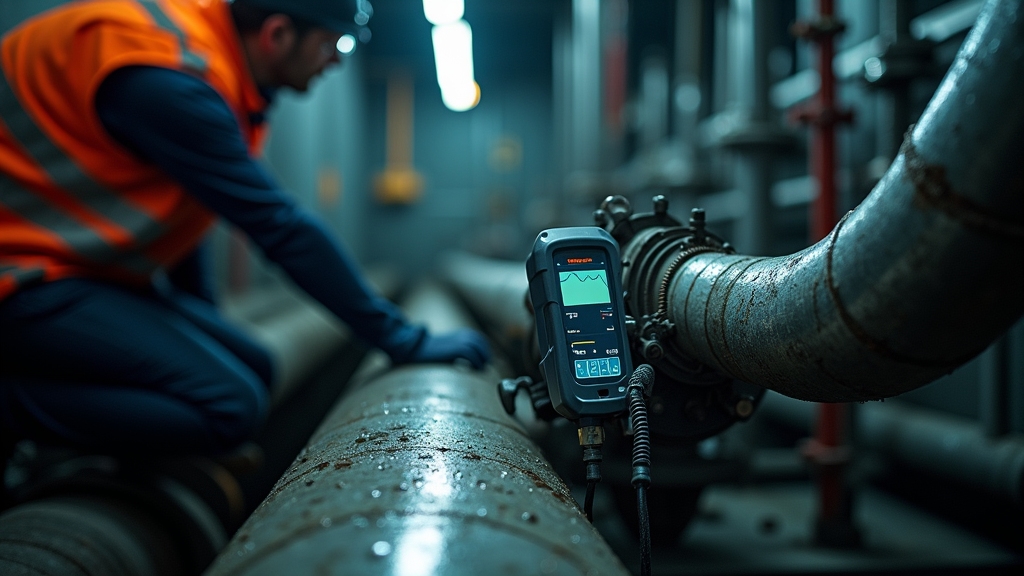
To tackle leaks effectively, you can use acoustic leak detection, which senses sounds often unheard by the human ear, allowing for precise pinpointing without invasive repairs. Infrared thermography brings another layer, spotting temperature variations that indicate hidden leaks, streamlining your repair process. Additionally, addressing common issues like leaky faucets and broken pipes can prevent costly damage. There’s so much more you can learn about keeping your home leak-free and secure.
Key Takeaways
- Utilize acoustic leak detection to identify leaks using sensitive microphones, ensuring non-invasive and precise pinpointing of problems.
- Implement infrared thermography to visualize temperature variations, allowing for targeted repairs and improved energy efficiency.
- Conduct regular inspections of pipes, roofs, and basements to catch potential leaks early and prevent costly damages.
- Address common issues like leaky faucets and broken pipes with simple repairs or replacements to maintain home integrity.
- Employ moisture control measures, such as dehumidifiers, to minimize the risk of leaks and enhance overall home maintenance.
How Acoustic Leak Detection Can Save Your Home?

When you think about protecting your home, you mightn’t immediately consider the importance of detecting leaks. However, using acoustic technology can greatly enhance leak prevention. This method involves listening for sounds that indicate water escaping from pipes or other sources. By identifying these noises, you can pinpoint leaks before they escalate into costly damage.
Acoustic leak detection is non-invasive and efficient. You won’t need to tear down walls or disrupt your living space. Instead, professionals use sensitive microphones to detect sounds that are often inaudible to the human ear.
By acting quickly on these findings, you can save your home from extensive repairs and maintain its value. Investing in acoustic leak detection not only protects your property but also promotes peace of mind.
Finding Leaks With Infrared Thermography?
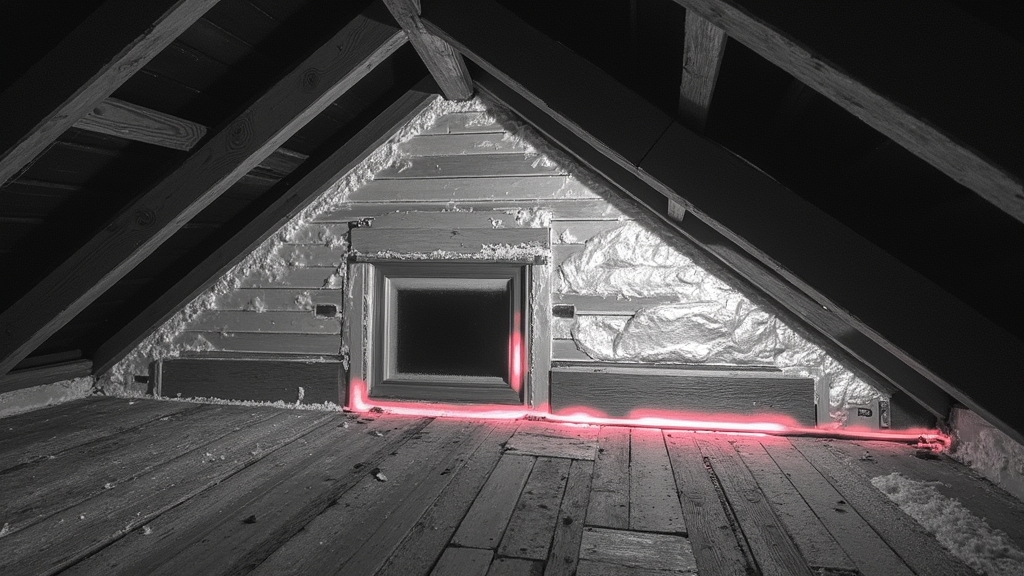
How can infrared thermography help you find leaks in your home? This advanced technique uses thermal imaging to detect temperature variations caused by moisture and air leaks.
Unlike traditional methods, infrared thermography offers you a non-invasive solution, allowing you to visualize hidden problems without tearing down walls or digging up floors.
The infrared benefits are significant. By identifying cooler areas that indicate leaks, you can target repairs more efficiently, saving both time and money.
Identifying cooler areas reveals leaks, enabling efficient repairs that save time and money.
You’ll get a clear picture of where issues lie, whether in your roof, walls, or plumbing systems.
Using an infrared camera, you can easily spot leaks that may go unnoticed with the naked eye. This technology not only helps you maintain a comfortable living environment but also improves your home’s energy efficiency.
How to Fix Common Leak Problems at Home?
Addressing common leak problems at home can feel overwhelming, but with the right approach, you can tackle them effectively. Start with regular pipe maintenance to prevent leaks, as deteriorating pipes can lead to significant water loss. Conduct roof inspections to catch any potential issues early, especially after severe weather.
Here’s a quick guide:
| Problem | Solution |
| Basement moisture | Install a dehumidifier |
| Leaky faucet | Replace washers or cartridges |
| Roof leaks | Seal with roofing cement |
| Broken pipes | Use epoxy or replace sections |
Frequently Asked Questions
How Can I Prevent Leaks From Occurring in the First Place?
To prevent leaks, you should focus on preventive maintenance and conduct regular inspections. Check pipes, fixtures, and appliances for signs of wear or damage, and address any issues before they become significant problems.
What Are the Signs of a Hidden Leak in My Home?
You’ll notice signs of a hidden leak, like water stains on ceilings or walls and damp walls that feel moist to the touch. Keep an eye out for these indicators to catch leaks early.
Are There DIY Methods for Detecting Leaks?
Yes, you can use DIY methods for detecting leaks. Check your water meter for unusual usage, and conduct a dye test by adding dye to your toilet tank. If the color appears in the bowl, you’ve got a leak.
How Often Should I Schedule Professional Leak Inspections?
You should schedule leak inspections at least annually, but more frequently if you notice signs of water damage. Following leak check recommendations can help catch issues early, saving you money and preventing extensive damage.
What Is the Average Cost of Leak Detection Services?
Leak detection service pricing typically ranges from $100 to $500, depending on your home’s size and the complexity of the job. You’ll want to get quotes from several providers to find the best deal.
Final Thoughts
Addressing leaks promptly doesn’t just save you time and money—it protects your home from hidden structural damage and mold issues that can escalate fast. By using expert techniques like acoustic leak detection and infrared-style moisture tracking as part of professional roofing services, you can pinpoint problems accurately without unnecessary demolition, making repairs faster, cleaner, and more cost-effective. Once the source is identified, tackling common issues like leaky faucets, broken pipes, or roof penetrations becomes much easier and more predictable.
For true peace of mind, consider partnering with a trusted local specialist like Bloomfield Construction & Restoration, a team experienced in both precise leak detection and comprehensive insurance restoration when water damage has already occurred. If a leak suddenly turns into an emergency, their 24/7 emergency roof leak solutions can help you act quickly and minimize damage.
Don’t wait for a small drip to become a major, costly problem. Take action now—schedule an inspection, discuss repair options, or get answers to your questions by contacting Bloomfield Construction & Restoration today. Their experienced team will assess your situation, recommend the right repair strategy, and help keep your home safe, dry, and secure for years to come.