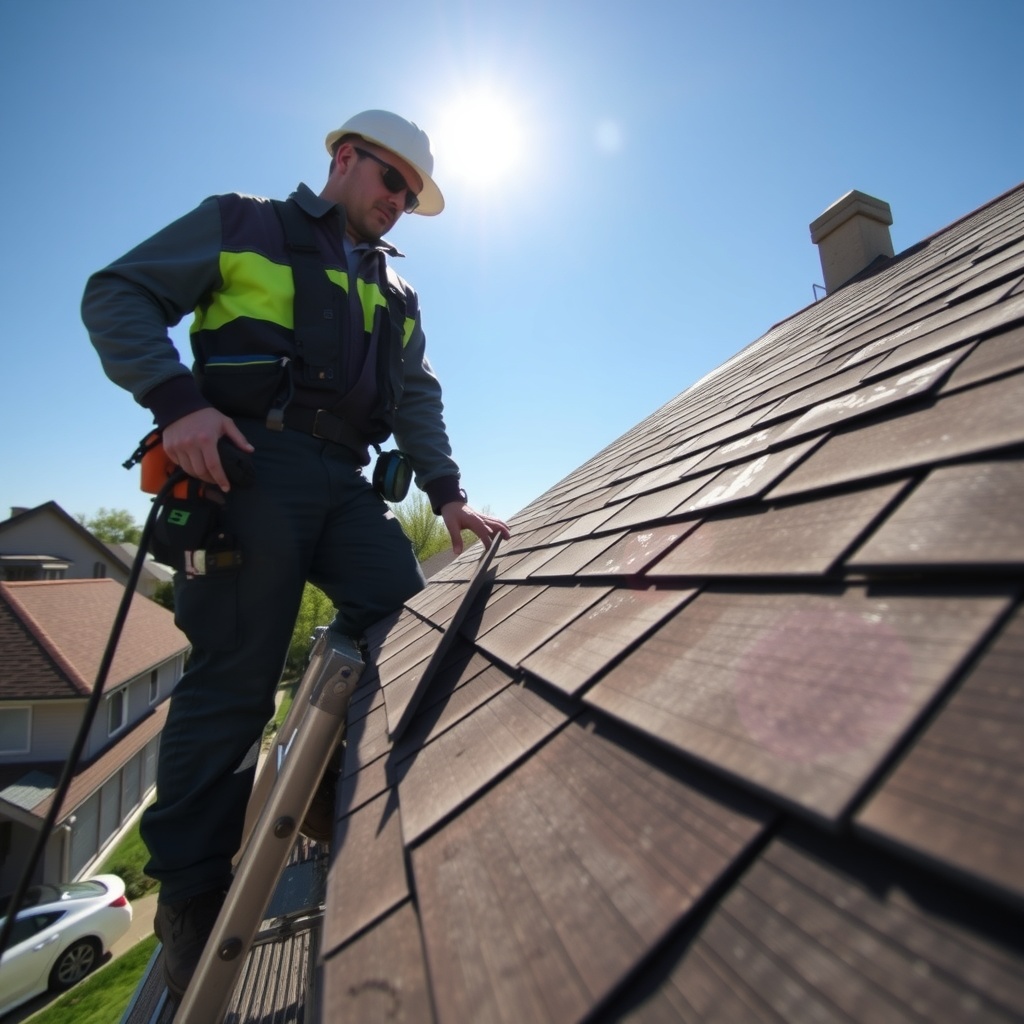
After a major storm, it’s vital to inspect your roof for damage. Start by looking for missing shingles, cracks, or debris. Don’t forget to check inside your home for water stains or musty odors, which could signal leaks. Use a stable ladder and wear protective gear for safety. If you find significant issues, consider hiring a professional to assess the damage. There are essential tips and steps you can follow to guarantee your roof stays in good shape.
Key Takeaways
- Conduct a visual inspection for missing shingles, cracks, and debris to identify immediate damage after a storm.
- Look for water stains and other signs of leaks inside the home, indicating potential roof issues.
- Use a ladder safely, maintaining three points of contact, while inspecting the roof for visible damage.
- Document damage with photos to support insurance claims; early filing increases the likelihood of receiving coverage.
- Consider hiring a professional for a thorough assessment, especially after severe weather events, to address significant repairs.
Why Assessing Roof Damage After a Storm Is Crucial

When a storm passes through, it’s essential to assess roof damage quickly, as even minor issues can escalate into costly repairs if left unchecked.
Ignoring the storm’s impact can lead to leaks, mold, or structural problems that worsen over time. Start by visually inspecting your roof for missing shingles, cracks, or debris.
Ignoring storm damage can lead to leaks and structural issues; start with a visual inspection for missing shingles or debris.
Document any damage with photos, as this will be important for insurance claims. The sooner you file a claim, the better your chances of receiving coverage for repairs.
Make sure to note the date and conditions of the storm to support your claim. If you spot significant damage, consider contacting a professional for a thorough inspection.
They can identify issues you might miss and provide detailed reports for your insurance. By addressing roof damage promptly, you can save money and avoid future headaches.
Prioritizing this assessment helps protect your home and peace of mind.
Safety Precautions Before Assessing Roof Damage
Before you assess any roof damage, make certain you’re wearing the right protective gear to avoid injuries.
Using a stable ladder is vital, as it guarantees your safety when getting up to the roof.
Taking these precautions can help prevent accidents while you evaluate the storm’s impact.
Wear Protective Gear
Evaluating roof damage after a storm can be hazardous, so wearing protective gear is essential. First, put on a sturdy pair of durable gloves to protect your hands from sharp debris and rough surfaces. They’ll help you grip tools securely while you assess the damage.
Next, don a protective helmet to shield your head from falling objects, like branches or shingles. This gear isn’t just for your safety; it gives you peace of mind as you navigate potentially dangerous areas.
Make certain your clothing is appropriate too—long sleeves and sturdy boots can further guard against cuts and slips. Taking these precautions guarantees you’re ready to inspect your roof safely and effectively.
Use Stable Ladders
Using stable ladders is essential for safely evaluating roof damage after a storm. Before you start, make certain your ladder is on solid, level ground to guarantee ladder stability. A wobbly base can lead to serious accidents, so check it thoroughly.
Always inspect your ladder for any damage, like bent rungs or loose parts, which can compromise ladder safety. When climbing, maintain three points of contact—two hands and one foot, or two feet and one hand—to maximize your balance.
If you’re unsure about the conditions, consider having someone hold the ladder for extra support. Taking these precautions not only protects you but also helps you assess your roof more effectively, minimizing the risk of injury.
How to Identify Common Signs of Roof Damage
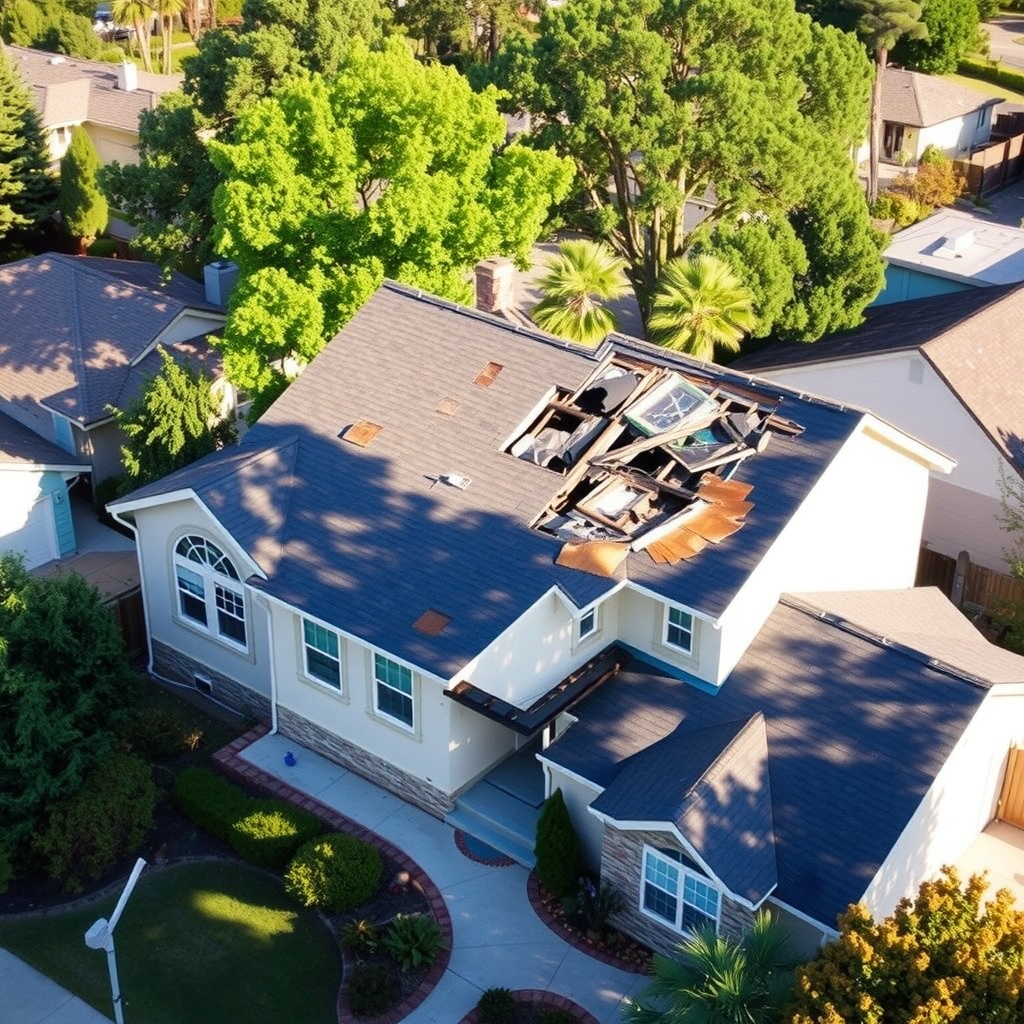
After a storm, it’s essential to check for signs of roof damage.
Look for missing shingles or tiles, as well as water stains inside your home, which can indicate leaks.
Don’t forget to inspect for granule loss on your roof, as this can affect its overall integrity.
Missing Shingles Or Tiles
When a storm passes through, you might notice missing shingles or tiles on your roof, signaling potential damage. Start by inspecting your roof from the ground or a stable ladder. Look for any gaps where shingles should be, or tiles that are cracked or completely gone.
These missing pieces can lead to leaks and further deterioration if not addressed quickly. If you spot any damage, consider shingle replacement to restore your roof’s integrity.
For tiles, timely tile repair can prevent more extensive issues down the road. Don’t wait until the next storm; addressing these concerns now can save you time and money in the long run.
A well-maintained roof is key to protecting your home.
Water Stains Inside Home
Even if your roof looks intact from the outside, water stains inside your home can signal hidden damage. These stains often indicate a water leak, which may not be immediately visible. It’s essential to perform moisture detection around areas where stains appear. Here’s a quick guide to help you identify possible sources of water damage:
| Location | Possible Cause | Action to Take |
| Ceiling | Damaged roofing materials | Inspect roof and call a pro |
| Walls | Leaky flashing | Check flashing and reseal if needed |
| Attic | Poor ventilation | Improve airflow and insulation |
| Basement | Roof drainage issues | Clear gutters and downspouts |
If you notice these signs, don’t wait—addressing them early can prevent further damage.
Granule Loss On Roof
Granule loss on your roof can be a red flag for potential damage. These small, colored particles serve crucial functions, protecting your roof from UV rays and helping with water runoff.
When you notice granule types like asphalt or ceramic missing, it’s time to investigate further. Check your gutters and the ground around your home for excessive granules.
If you see bald patches on your shingles or if they appear shiny, that’s a sign of wear. Left unchecked, granule loss can lead to leaks, decreased lifespan, and costly repairs.
Regular inspections after storms can help you catch these issues early, ensuring your roof remains in good shape and continues to perform its crucial functions.
Inspecting Roof Shingles and Materials
Inspecting roof shingles and materials after a storm is essential to ensuring your home’s safety. Start by checking for visible damage and evaluating the overall condition of your roof. Pay attention to the shingle types and their material durability, as different materials react differently to storm conditions.
Here’s what to look for:
- Cracks and Breaks: Identify any cracked or broken shingles that may need replacement.
- Curling Edges: Watch for shingles with curled edges, indicating potential failure.
- Missing Shingles: Count any missing shingles, which can expose your roof to leaks.
- Debris Accumulation: Clear away any debris that might trap moisture and lead to deterioration.
Taking these steps will help you maintain the integrity of your roof and protect your home from further damage.
Regular inspections can save you from costly repairs down the line.
How to Spot Water Leaks and Interior Damage
After a storm, spotting water leaks and interior damage is essential for preventing further issues in your home. Start by checking ceilings and walls for stains, peeling paint, or bubbles—these often signal hidden moisture.
Next, conduct a water leak detection by inspecting windows and doors for condensation or drafts. Pay attention to areas near plumbing fixtures; they can be common leak spots.
For a thorough interior moisture assessment, use a moisture meter to test suspicious areas. If you find high readings, it indicates potential water intrusion.
Don’t forget to look in basements and crawl spaces, as they can harbor unseen damage.
Finally, if you notice any musty odors, it could point to mold growth—another sign of water issues. Addressing these problems early can save you from costly repairs down the line.
Stay vigilant and protect your home!
Inspecting Roof Flashing and Seals
While you may be focused on the interior after a storm, inspecting your roof flashing and seals is equally essential.
Flashing plays a vital role in protecting your roof from water intrusion, and any damage can compromise its integrity.
Here’s how to check:
- Look for Cracks: Examine the flashing for any visible cracks or breaks.
- Check Seal Deterioration: Inspect the seals around chimneys, vents, and skylights for signs of wear or peeling.
- Assess Alignment: Make sure the flashing is properly aligned and snug against the roof surface.
- Watch for Rust: Look for rust spots on metal flashing, which indicate potential leaks.
How to Check Your Gutters and Downspouts
Check your gutters and downspouts for any signs of storm damage, as they’re vital for directing water away from your home. Start by looking for debris like leaves or twigs that can cause blockages. If you see any sagging or misalignment, it’s important to address those issues immediately. Proper downspout alignment guarantees water flows away from your foundation, preventing costly damage.
Use these gutter maintenance tips: clean your gutters regularly, especially after storms, and inspect for rust or holes. If you find any, consider patching them up or replacing them as needed.
Check for proper attachment to your home; loose sections can lead to leaks. Finally, make sure your downspouts extend at least three feet from your foundation. This simple step can save you from major water damage down the line.
Regular checks and maintenance will keep your gutters functioning effectively and protect your home.
How to Choose the Right Roofer for Storm Damage
Storm damage can often expose issues that require immediate attention, especially when it comes to your roof.
Selecting the right roofer is essential for effective repairs. Here’s how to make an informed choice:
- Check Roofing Qualifications: Verify the contractor has the necessary licenses, insurance, and certifications. This confirms their professionalism and expertise.
- Read Contractor Reviews: Look for feedback from previous clients to gauge their reliability and workmanship. Websites like Yelp and Google can be helpful.
- Get Multiple Estimates: Don’t settle for the first quote. Gather several estimates to compare pricing and services, which helps you find the best value.
- Ask About Warranties: Inquire about warranties on both materials and workmanship. A good warranty shows the contractor stands by their work.
Steps to Prevent Future Roof Damage
To prevent future roof damage, it’s crucial to stay proactive rather than reactive. Start with regular inspections of your roof, ideally twice a year. Check for loose shingles, cracks, or debris that can lead to bigger problems. If you notice anything amiss, address it immediately to avoid costly repairs later.
In addition to inspections, invest in preventative maintenance. This includes cleaning gutters to guarantee proper drainage and trimming overhanging branches that could fall during storms.
Applying a protective sealant can also help shield your roof from harsh weather conditions.
Don’t forget to keep an eye on your attic as well. Proper ventilation can prevent moisture buildup, which can weaken your roof over time.
Finally, consider consulting a roofing professional for thorough assessments and advice tailored to your specific situation. By taking these steps, you can greatly reduce the risk of future roof damage.
Frequently Asked Questions
How Often Should I Inspect My Roof for Damage?
You should inspect your roof at least twice a year, ideally during seasonal maintenance. This roof inspection frequency helps you catch minor issues before they turn into major problems, ensuring your roof stays in good shape.
Can I Repair Roof Damage Myself?
Yes, you can repair roof damage yourself if you’re comfortable with basic roof repair techniques. Just remember to follow safety precautions, like wearing a harness and ensuring the ladder is stable, to prevent accidents.
What Types of Insurance Cover Roof Storm Damage?
Homeowners insurance often covers roof storm damage, but it’s essential to check your policy details. Roof warranties may also provide coverage, depending on the manufacturer’s terms. Always review your documents for specifics.
How Do I File a Claim for Roof Damage?
To file a claim for roof damage, start the claim process with your insurer. Gather photos and repair estimates as documentation tips. Submit everything promptly, and follow up regularly to verify your claim’s progressing smoothly.
What Weather Conditions Are Most Damaging to Roofs?
Hail impact, high wind speeds, excessive rain accumulation, heavy snow load, UV exposure, and temperature fluctuations can all seriously damage roofs. Keeping an eye on these conditions helps you protect your home better.
Final Thoughts
After a major storm, a timely roof inspection can prevent minor damage from turning into leaks, interior moisture problems, and expensive structural repairs. Checking for missing or lifted shingles, damaged flashing, clogged gutters, and indoor signs like water stains helps you catch issues early—when repairs are typically simpler and more cost-effective. If damage is significant or you’re unsure what you’re seeing, getting a professional inspection also helps document everything clearly for insurance and ensures nothing is missed.
At Bloomfield Construction, we help homeowners move quickly after storms with thorough inspections, clear recommendations, and dependable repairs through our roofing services. If your storm damage involves an insurance claim, our insurance restoration team can assist with documentation and next steps so the process is as smooth as possible.
If you need a post-storm inspection or roof repair plan, reach out today to get started: Contact Bloomfield Construction.