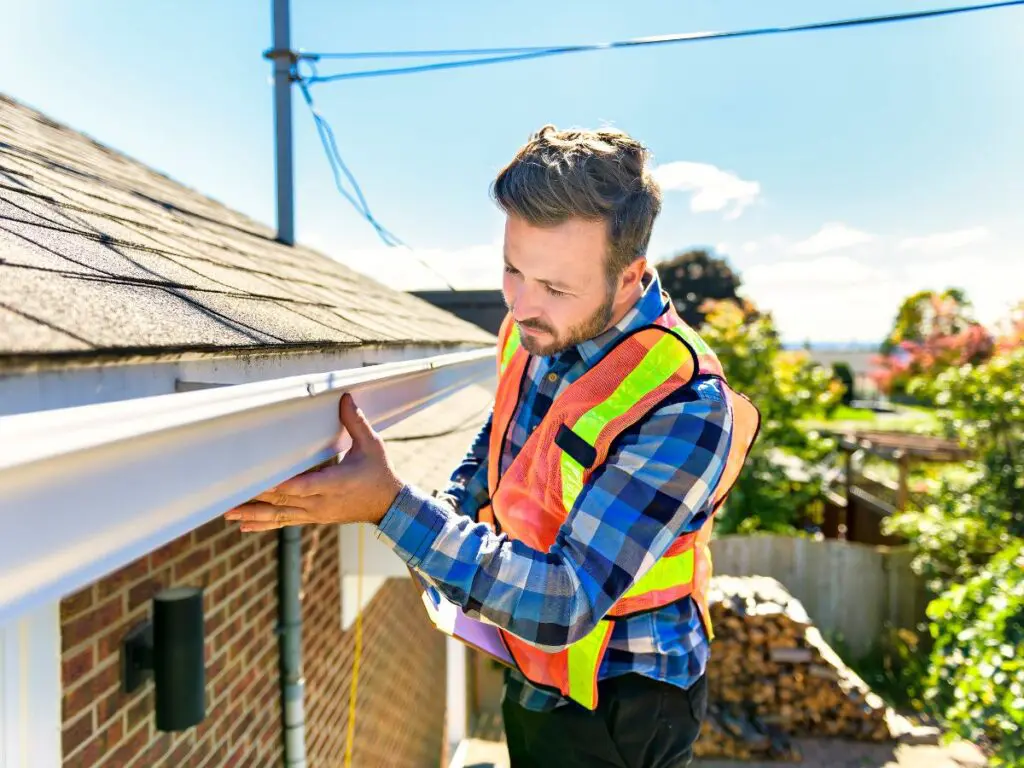
To storm-proof your home, start with an emergency roof inspection. Gather essential tools like a sturdy ladder and flashlight. Look for signs of damage, such as missing shingles or indoor water stains. If you spot any issues, assess the severity and consider temporary patches. Remember, professional help can provide a thorough assessment and save you stress. Taking these steps will help guarantee your roof’s resilience against storms, and there’s more to learn about maintaining its strength.
Key Takeaways
- Gather essential tools like a sturdy ladder, flashlight, and safety gear before starting your emergency roof inspection.
- Conduct a visual assessment for visible damage, focusing on missing shingles, cracks, and indoor water stains.
- Inspect gutters and drainage systems for blockages that could exacerbate storm damage.
- Document any damage with photos for insurance claims and contact a professional for significant issues.
- Regularly maintain your roof and reinforce it with storm-resistant materials to enhance durability against future storms.
Prepare for Your Emergency Roof Inspection

When a storm hits, your roof can take a beating, so preparing for an emergency roof inspection is essential. Start by gathering necessary tools, like a flashlight and a sturdy ladder. You’ll want to check for any visible debris or damage from the ground first.
When storms approach, ensure you’re ready with tools for an emergency roof inspection and check for visible damage from the ground.
If it’s safe, climb up to inspect your roof closely. Look for loose shingles, cracks, or other signs of wear that might worsen during a storm.
In addition to your inspection, make certain you’ve got a plan for roof maintenance. This includes scheduling regular check-ups with a professional to catch problems before they escalate.
Storm preparedness means knowing who to call and having a budget set aside for repairs. Keeping your roof in top shape not only protects your home but also guarantees your peace of mind when storms roll in.
Taking these steps can save you time, money, and stress when disaster strikes.
Top Signs Your Roof Is Damaged
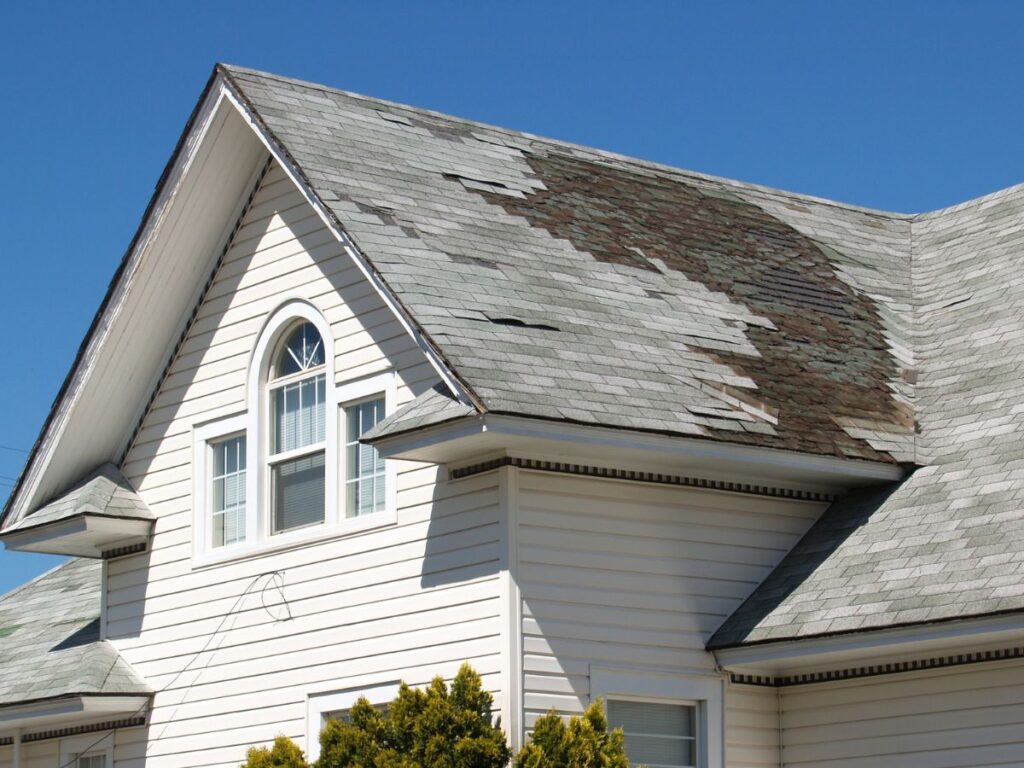
Your roof takes a beating during storms, so it’s essential to spot damage early.
Look for missing shingles or tiles, water stains indoors, and any sagging in the roof structure.
Catching these signs can save you from costly repairs down the line.
Missing Shingles or Tiles
A roof’s integrity can be compromised by missing shingles or tiles, leaving your home vulnerable to the elements. If you notice any gaps, it’s essential to act quickly.
Missing shingles can lead to further damage, while tiles that are cracked or dislodged may allow water to seep in, causing leaks and mold.
Check your roof regularly, especially after storms, and look for any signs of wear. If you find missing shingles, consider prompt shingle replacement to maintain protection.
For tiles, don’t delay in scheduling tile repair; this can prevent more extensive issues down the line.
Water Stains Indoors
Noticing water stains indoors can be alarming, as they often signal underlying roof damage. These stains typically indicate water damage from indoor leaks, which can worsen if not addressed promptly.
Keep an eye out for:
- Dark spots on ceilings or walls, which can expand over time.
- Peeling paint or wallpaper, indicating prolonged moisture exposure.
- Mold growth, which thrives in damp conditions and poses health risks.
If you spot any of these signs, it’s essential to investigate further. Ignoring water stains may lead to more significant issues, including structural damage and costly repairs.
Regularly checking your roof and addressing any potential leaks will help protect your home from further water damage. Stay proactive to guarantee your home remains safe and sound.
Sagging Roof Structure
Water stains aren’t the only sign of potential roof issues; a sagging roof structure can indicate serious damage as well. If you notice dips or unevenness, it’s essential to act quickly.
This sagging often suggests compromised roof support, which can jeopardize your home’s structural integrity. It may be caused by water damage, excess weight from snow or debris, or even pest infestations.
Inspect your roof regularly and look for any visible signs of sagging, especially after severe weather. If you find any, don’t hesitate to call a professional.
Addressing these issues early can save you from more extensive—and expensive—repairs down the line. Protect your home by staying vigilant about your roof’s condition.
Essential Tools for Roof Inspections
When it comes to roof inspections, having the right tools can make all the difference. You’ll want to equip yourself with essential inspection tools and safety gear to guarantee a thorough and secure assessment.
Here are three must-have items for your roof inspection:
- Ladder: A sturdy ladder is essential for reaching your roof safely. Make sure it’s stable and tall enough to give you a good vantage point.
- Safety Harness: Protect yourself with a safety harness while on the roof. It’s your best defense against falls and accidents.
- Flashlight: A bright flashlight helps you spot issues in dim areas, especially in attics or under eaves.
With these tools in hand, you’ll be well-prepared to inspect your roof effectively.
Don’t overlook the importance of safety gear; it’s critical for keeping you secure during your inspection.
Step-by-Step Roof Inspection Guide
Now that you’ve gathered your tools, it’s time to inspect your roof.
Start by evaluating any visible damage, then check the flashing and seals for vulnerabilities.
Finally, don’t forget to look at your gutters and drainage systems to guarantee they’re clear and functional.
Visual Damage Assessment
How can you guarantee your roof withstands the next storm? Start with a thorough visual damage assessment. This step helps you spot potential issues before they escalate.
Use modern tools like drone technology and infrared imaging to get a complete view.
- Check for missing or damaged shingles: Look for any that are cracked, curled, or completely gone.
- Inspect for granule loss: Pay attention to your gutters or ground below; excessive granules can indicate wear.
- Look for water stains: Inside the attic or along ceilings, these stains can signal leaks.
Inspect Flashing and Seals
While evaluating your roof, don’t overlook the importance of inspecting flashing and seals. These components are essential for preventing leaks and water damage.
Start by checking the flashing materials around chimneys, vents, and skylights. Look for any signs of rust, cracks, or separation from the roof. If the flashing appears damaged, it may need replacement or repair.
Next, examine the seals that hold flashing in place. Different sealant types, like silicone or polyurethane, can degrade over time. Verify the sealant is intact and hasn’t shrunk or cracked.
If you notice any issues, it’s best to reapply sealant to maintain a watertight barrier. Taking these steps can save you from costly repairs down the line.
Check Gutters and Drainage
To guarantee your home is storm-ready, checking gutters and drainage systems is essential. Clogged gutters can lead to serious water damage, so make certain you prioritize gutter maintenance.
Here’s how to effectively inspect your gutters and drainage solutions:
- Clear debris: Remove leaves, twigs, and dirt from your gutters to guarantee proper flow.
- Check for leaks: Inspect joints and seams for any signs of leaks or rust.
- Assess drainage: Guarantee downspouts direct water away from your foundation to prevent pooling.
Found Roof Damage? Here’s What to Do?
Discovering roof damage can be alarming, but taking swift action is essential to prevent further issues. First, assess the damage safely. If it’s minor, you might be able to patch it temporarily with a tarp or roofing tape. For larger issues, don’t hesitate to contact a professional for a thorough inspection.
Document the damage with photos for your records and to assist with insurance claims. Maintaining a list of emergency contacts, including a reliable roofer, is a smart part of your emergency preparedness plan.
Documenting damage with photos is crucial for insurance claims, and having a list of emergency contacts is essential for preparedness.
Also, remember that proactive roof maintenance can help you avoid future problems. Regular inspections and upkeep can extend your roof’s lifespan and minimize damage during storms.
Stay ahead by checking for loose shingles, leaks, or signs of wear. By acting quickly, you protect your home and reduce repair costs in the long run.
Fortify Your Roof for Future Storms
After addressing any immediate roof damage, it’s time to think about fortifying your roof against future storms.
Implementing effective roof reinforcement techniques and using storm-resistant materials can make a significant difference when the next storm hits.
Consider these strategies:
- Upgrade Shingles: Choose impact-resistant shingles that can withstand high winds and debris.
- Reinforce Structural Elements: Install additional bracing in your roof’s framework to enhance stability.
- Seal Vulnerable Areas: Use high-quality sealants around vents and chimneys to prevent leaks.
When to Call in a Professional Roofer?
How do you know when it’s time to call in a professional roofer? If you notice missing or damaged roofing materials after a storm, don’t hesitate to reach out for help. Small leaks can quickly turn into major issues, so it’s essential to act fast.
If you find yourself climbing on the roof often for seasonal maintenance, consider bringing in a professional. They’ve the expertise to identify underlying problems you might miss.
Consider hiring a professional if you frequently climb on your roof; they can spot issues you might overlook.
Another sign is if you see sagging or uneven areas on your roof. These could indicate structural issues that require immediate attention.
Additionally, if your roof is older and showing wear, a roofer can assess whether repairs or a full replacement is necessary. Trusting an expert can save you time, money, and stress in the long run.
When in doubt, it’s always better to get a second opinion from a professional.
Frequently Asked Questions
How Often Should I Inspect My Roof for Storm Damage?
You should inspect your roof at least twice a year and after major storms. Regular roof maintenance enhances your home’s weather resilience, helping you spot potential damage early and avoid costly repairs down the line.
Can I Perform a Roof Inspection Myself?
Yes, you can perform a roof inspection yourself. Use proper roof inspection tools and always follow safety precautions. Check for loose shingles, debris, and signs of damage to guarantee your roof’s integrity and safety.
What Should I Do if I Find Nothing Wrong?
If you find nothing wrong, keep up with regular roof maintenance. Use your inspection checklist to monitor for future issues, and consider scheduling professional inspections annually to guarantee your roof remains in top shape.
Are There Specific Roof Types More Vulnerable to Storms?
Yes, some roof types are more vulnerable. Asphalt shingles often lack durability against severe storms, while metal roofing offers greater resilience. Choosing durable materials can help protect your home during extreme weather conditions.
How Can I Prevent Future Roof Damage?
To prevent future roof damage, prioritize preventive maintenance. Regularly inspect your roofing materials for wear and tear, replace damaged sections promptly, and guarantee proper drainage. This proactive approach helps extend your roof’s lifespan and durability.
Final Thoughts
At Bloomfield Construction, we know that storm-proofing your home starts with understanding the condition of your roof and acting quickly when damage appears. A timely inspection, early repairs, and the right preventative steps can help protect your home from more serious structural issues, costly interior damage, and added stress during severe weather.
If you need trusted help after a storm or want to strengthen your home before the next one arrives, our team is here to provide expert roofing services, dependable insurance restoration support, and experienced solutions for urgent roof concerns. Contact Bloomfield Construction today to schedule an inspection and let us help you protect your home with reliable roofing care and storm-ready solutions.