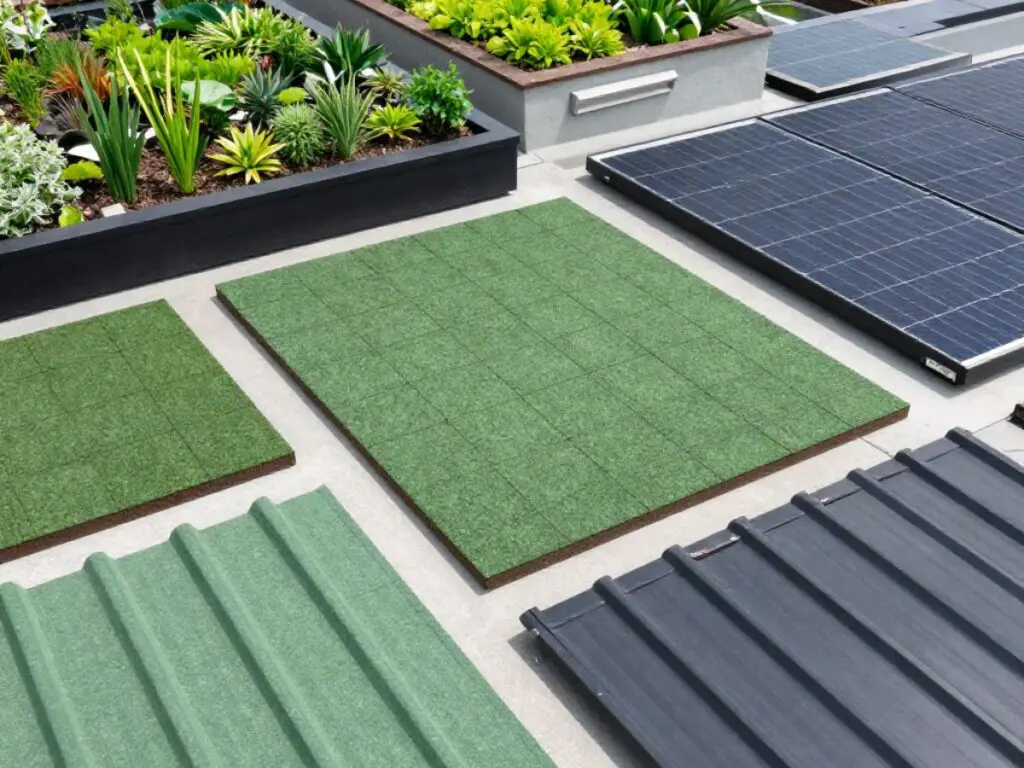
When installing green roofing materials, start with a structural assessment to guarantee your roof can handle the weight. Create an efficient drainage system and check local building codes. Choose a substrate that balances weight, drainage, and moisture retention. For easier assembly, consider modular systems, which let you customize your design. Remember to maintain your drainage solutions to prevent blockages. Keep exploring to uncover even more tips for making your green roof a success!
Key Takeaways
- Conduct a structural assessment to ensure the roof can support the weight of green roofing materials and plants.
- Create an efficient drainage system to prevent water accumulation and protect the roof structure.
- Choose the right substrate that balances weight, drainage, and moisture retention for optimal plant growth.
- Familiarize yourself with local building codes to ensure compliance during installation.
- Consider modular green roof systems for flexibility and ease of installation in urban settings.
The Benefits of Green Roofing Materials
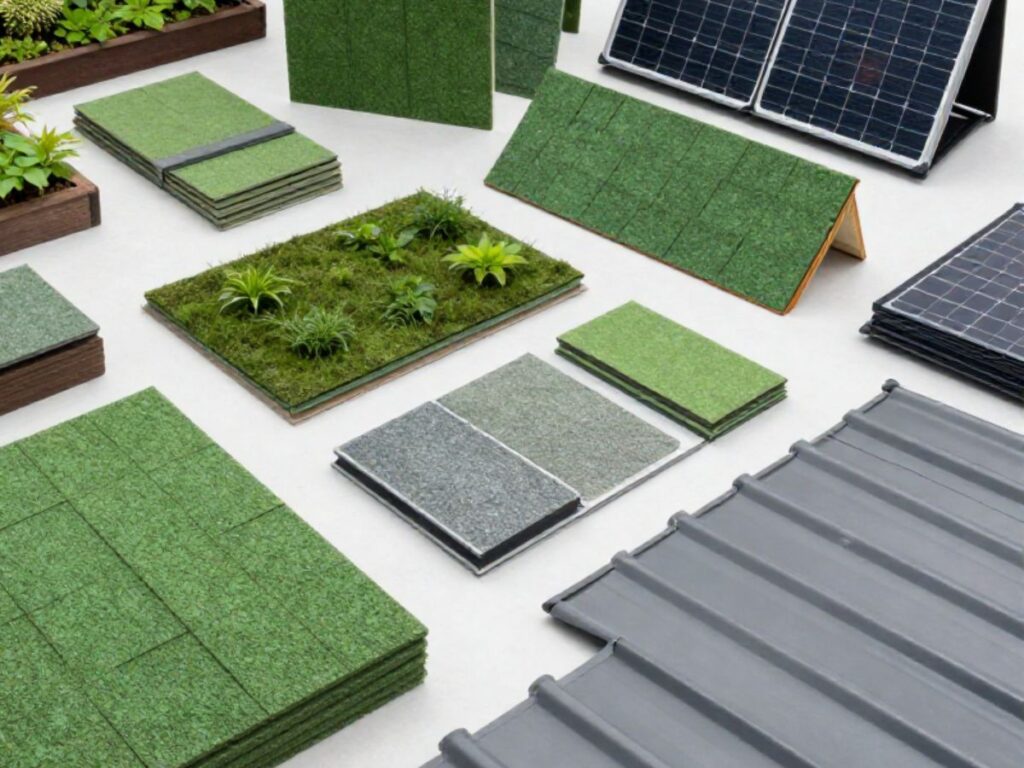
When you choose green roofing materials, you’re not just making an eco-friendly decision; you’re also enhancing your property’s value and efficiency.
These materials, like living roofs or recycled shingles, considerably reduce your environmental impact. They help manage stormwater, improve air quality, and promote biodiversity by providing habitats for various species.
Additionally, green roofs can lead to substantial cost savings. By improving insulation, they lower heating and cooling costs, keeping your energy bills in check.
Plus, many regions offer incentives or tax breaks for using sustainable materials, making it even more financially appealing.
Essential Installation Tips for a Successful Green Roof

When installing a green roof, you need to start with a proper structural assessment to guarantee your building can handle the added weight.
Next, focus on creating an efficient drainage system to prevent water accumulation.
These steps are essential for a successful and sustainable green roofing project.
Proper Structural Assessment
Before diving into the installation of a green roof, it’s important to conduct a thorough structural assessment of your building. This step guarantees your roof can handle the added weight and maintains structural integrity.
Here are key factors to take into account:
- Load Bearing Capacity: Verify that your building can support the additional weight of soil and plants.
- Existing Structure: Examine the current roof and walls for any signs of damage or weakness.
- Local Building Codes: Familiarize yourself with regulations to ensure compliance and safety.
Taking these steps will help you avoid costly issues down the line and secure a successful green roof installation.
Don’t skip this critical part of the process; your building’s longevity depends on it!
Efficient Drainage Systems
Start by incorporating a well-thought-out drainage design that directs excess water away from the roof surface. Use a combination of drainage layers and geotextiles to balance water retention and prevent pooling.
Make certain that your drainage outlets are positioned correctly to facilitate the flow of water, especially during heavy rains.
Regularly inspect and maintain these systems to avoid clogs from debris or sediment.
How to Choose the Right Substrate for Your Green Roof
How do you guarantee your green roof thrives? Choosing the right substrate is essential for its success. You’ll want to take into account various substrate types that best suit your plants and environment.
Look for a mix that balances weight, drainage, and moisture retention to create a healthy growing medium.
Here are some key factors to keep in mind:
- Plant Selection: Different plants have varying substrate needs; choose based on what you want to grow.
- Weight Considerations: Make sure your roof can support the substrate’s weight when wet.
- Moisture Management: Aim for a substrate that retains enough moisture without becoming waterlogged.
What You Need to Know About Modular Green Roof Systems
When it comes to green roofs, modular systems offer a range of benefits that can enhance your space.
You’ll find that their straightforward installation process makes them an appealing choice for both beginners and seasoned pros.
Let’s explore how these systems can transform your building while providing environmental advantages.
Benefits of Modular Systems
Modular green roof systems offer a flexible solution for urban gardening and sustainability, especially if you’re looking to enhance your building’s eco-friendliness.
With their modular design, you can easily customize and expand your green roof according to your needs. Here are some key benefits:
- System Flexibility: You can mix and match various modules to create diverse planting options.
- Ease of Installation: These systems are designed for quick assembly, minimizing disruption during setup.
- Scalability: You can start small and gradually expand your green roof as your budget and goals allow.
Installation Process Overview
Installing a modular green roof system is straightforward, thanks to its user-friendly design. You’ll want to start with proper planning and preparation, ensuring your roof can support the additional weight. Familiarize yourself with installation techniques, such as interlocking modules and drainage layers.
Here’s a quick overview of key considerations:
| Aspect | Details |
| Installation Techniques | Use interlocking modules for easy setup. |
| Maintenance Considerations | Regularly check drainage and vegetation health. |
Effective Drainage Solutions for Green Roofing
Effective drainage solutions are essential for green roofing, as they help prevent water accumulation that can damage plants and structures. Proper drainage design not only protects your investment but also enhances the longevity of your green roof.
Here are a few effective strategies you can implement:
- Layered Drainage Systems: Use a combination of drainage mats and gravel to facilitate efficient water movement and minimize water retention.
- Drainage Channels: Incorporate channels or pipes to guide excess water away from plant areas, making sure they don’t become waterlogged.
- Regular Maintenance: Schedule routine inspections to clear debris from drains and maintain peak flow, preventing blockages that could lead to water accumulation.
Using Native Plants for Biodiversity in Green Roofs
Incorporating native plants into your green roof can greatly boost biodiversity while supporting local ecosystems. When you focus on native plant selection, you’re choosing species that have adapted to your local climate and soil conditions, making them more resilient and easier to maintain.
These plants attract a variety of pollinators, such as bees and butterflies, enhancing biodiversity in your area.
By selecting a mix of grasses, flowering plants, and succulents, you create a layered habitat that encourages wildlife. This biodiversity enhancement not only supports local fauna but also improves your green roof’s overall health and functionality.
Consider working with a local nursery to find the best native species for your project. They can provide valuable insights into which plants thrive together, ensuring your green roof becomes a vibrant ecosystem.
Ultimately, using native plants is a smart choice for both you and the environment.
How Living Roof Membranes Affect Installation and Performance?
When reflecting on green roof installation, understanding how living roof membranes impact both the process and performance is essential. These membranes play a significant role in determining your roof’s durability and effectiveness.
- Membrane Durability: High-quality membranes resist water and protect against root penetration, enhancing the roof’s longevity.
- Installation Challenges: Selecting the right membrane can present challenges, such as ensuring proper drainage and compatibility with your chosen plants.
- Performance Metrics: A well-chosen membrane can improve environmental impact, optimizing insulation and reducing energy costs.
You’ll also want to take into account maintenance requirements and aesthetic considerations when selecting a living roof membrane.
While cost implications vary, investing in durable membranes typically pays off in the long run by minimizing upkeep and maximizing performance.
Frequently Asked Questions
What Are the Costs Associated With Installing a Green Roof?
Installing a green roof typically involves several costs, including materials, labor, and maintenance. A detailed cost breakdown considers installation factors like roof size, type of vegetation, and drainage systems, so you can budget effectively.
How Long Does a Green Roof Typically Last?
A green roof typically lasts 30 to 50 years, depending on plant selection and maintenance. You’ll enjoy sustainability benefits, like improved insulation and reduced runoff, while enhancing your space’s aesthetic appeal.
Can I Install a Green Roof Myself?
Yes, you can install a green roof yourself. However, consider DIY considerations like structural integrity and plant selection. You’ll need tools like a shovel, level, and drainage materials to guarantee a successful project.
What Maintenance Is Required for Green Roofs?
You’ll need to regularly check drainage systems and guarantee they’re clear. Also, maintain proper plant selection by replacing any dead plants and monitoring growth to keep your green roof healthy and thriving.
Are There Any Building Codes for Green Roofs?
Yes, there are green roof regulations you need to follow. These codes guarantee structural integrity and environmental benefits, promoting sustainability. Check with local authorities to understand specific requirements for your area and project.
Final Thoughts
At Bloomfield Construction, we know that choosing the right green roofing materials is about more than sustainability alone. The right combination of proper planning, quality materials, effective drainage, and expert installation can improve your roof’s performance, support long-term durability, and add lasting value to your property.
If you are considering a green roofing upgrade or want expert guidance on the best exterior solutions for your home or building, our team is here to help with trusted roofing services and professional support tailored to your project goals. You can also explore our completed work in our portfolio to see the quality we deliver. Contact Bloomfield Construction today to schedule a consultation and let us help you create a roofing solution that is efficient, durable, and built to last.