
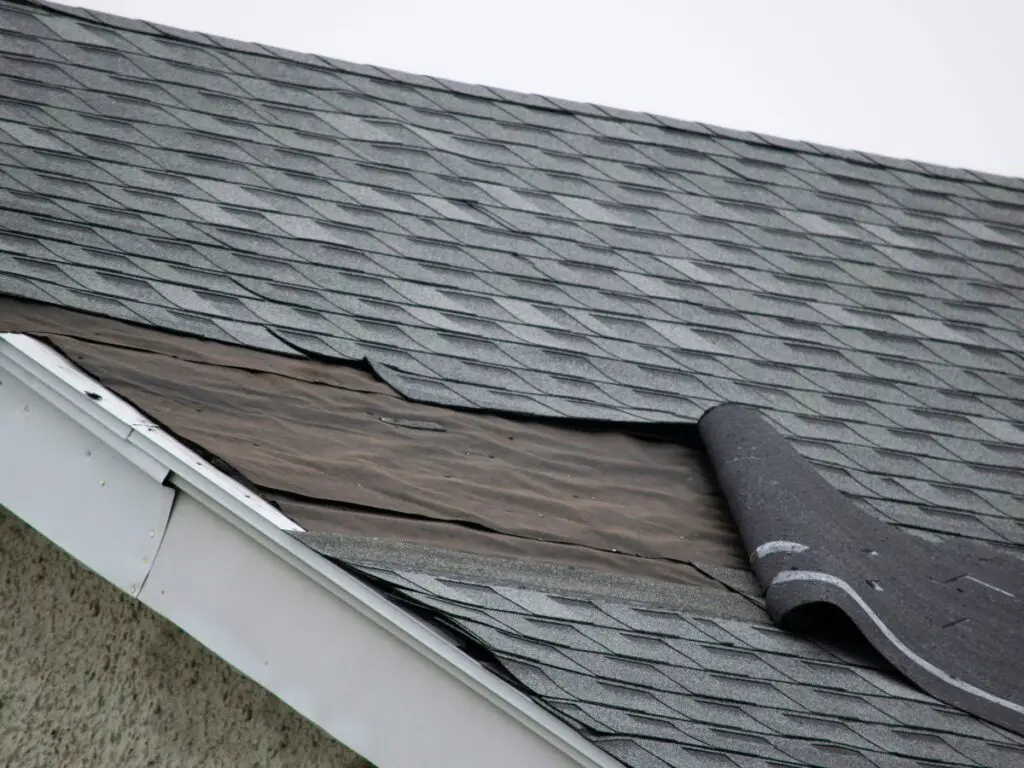
To file your wind damage roof claim, start by reviewing your insurance policy for coverage details. Document the damage with clear photos and videos, then get a professional inspection. Gather estimates for repairs and initiate your claim promptly while keeping a record of all correspondence. Know your rights as a policyholder, and follow up regularly on your claim status. Finally, plan for necessary repairs and take preventive measures to safeguard your roof. There’s more valuable information to explore.
Key Takeaways
- Review your insurance policy to understand coverage limits and exclusions related to wind damage claims.
- Document roof damage thoroughly with clear photographs and detailed repair estimates from multiple contractors.
- Schedule a professional roof inspection to identify hidden damage and obtain a comprehensive assessment for your claim.
- Initiate the claim process promptly by gathering all necessary documentation and contacting your insurance company.
- Follow up regularly with your insurer, keeping a log of communications and noting key discussion points for reference.
What Does Your Insurance Policy Cover?

When it comes to wind damage roof claims, understanding what your insurance policy covers is essential. Start by reviewing your policy to identify coverage limits. These limits define how much your insurer will pay for roof repairs or replacements after wind damage. Knowing this can help you gauge whether you’ll need additional funds.
Next, pay attention to policy exclusions. Certain types of damage mightn’t be covered, such as wear and tear or damage from previous storms. Understanding these exclusions helps you avoid surprises when filing a claim.
If you’re unsure about any terms, reach out to your insurance agent for clarification. They can explain the specifics of your coverage, including any deductibles you’ll need to meet before your insurer steps in.
How to Document Roof Damage for Your Claim
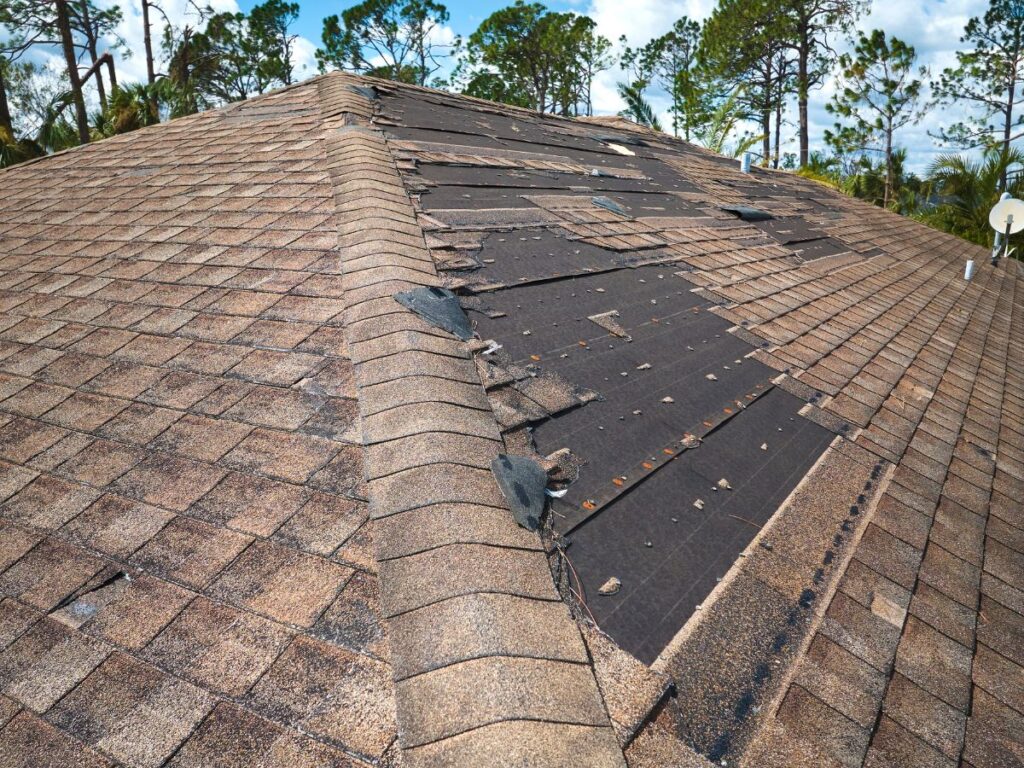
When filing a roof damage claim, you’ll want to start by taking clear photographs of the damage.
These images provide essential evidence for your case.
Next, gather repair estimates to support your claim and show the extent of the needed work.
Take Clear Photographs
Capturing clear photographs of your roof damage is essential for your claim’s success. These images play a critical role in your damage assessment, helping to document the extent of the destruction. Use effective photographic techniques to guarantee your images are both detailed and informative.
| Angle | Description | Tips |
| Close-up | Focus on specific damage areas | Use a zoom lens |
| Wide shot | Show the overall roof condition | Capture from a distance |
| Detail shot | Highlight unique damage signs | Include context objects |
Make certain to take photos in good lighting and from various angles. This way, you’ll provide a thorough visual report that strengthens your claim, making it easier for adjusters to understand the situation.
Gather Repair Estimates
To strengthen your roof damage claim, gathering repair estimates is essential, as these documents provide a clear picture of the necessary work and associated costs.
Start by reaching out to multiple contractors for their assessments. This not only helps you compare repair costs but also aids in contractor selection.
When you receive estimates, confirm they detail the scope of work, materials needed, and labor costs. Keep in mind that lower bids mightn’t always mean better value; check each contractor’s credentials and reviews.
Document everything thoroughly, as these estimates will support your claim and help your insurance adjuster understand the extent of the damage.
With solid estimates in hand, you’ll bolster your chances of a successful claim.
Collect Evidence: Photos and Videos of Damage
Collecting evidence of wind damage through photos and videos is crucial for your roof claim. Clear documentation helps your insurer understand the extent of the damage and guarantees you receive a fair settlement. Here are some storm preparedness tips to keep in mind while capturing evidence:
| What to Capture | Why It Matters |
| Close-ups of damaged areas | Shows the severity of damage |
| Wide shots of the roof | Provides context and overall impact |
| Surrounding property | Highlights any potential collateral damage |
When you take photos, focus on roof maintenance essentials like missing shingles or leaks. Make certain the images are well-lit and clear. Videos can also be helpful; they allow you to showcase the damage dynamically and can provide a more thorough view. This evidence will support your claim and speed up the process.
Get a Professional Roof Inspection
When it comes to wind damage, getting a professional roof inspection is essential.
Experts can spot hidden issues that you might miss, ensuring your home’s integrity.
Don’t wait too long; addressing these problems early can save you from costly repairs later.
Importance of Expert Evaluation
While you might be tempted to assess roof damage yourself after a windstorm, it’s vital to get a professional roof inspection.
Experts have the training and experience to conduct a thorough roof assessment, identifying issues you might overlook. They use specialized tools and techniques to guarantee a complete damage evaluation, which is fundamental for your insurance claim.
If you miss hidden damage, you could face costly repairs down the road. A professional’s detailed report not only helps you understand the extent of the damage but also strengthens your claim with your insurance company.
Ultimately, investing in an expert evaluation can save you time, money, and stress in the long run. Don’t skip this important step!
Identifying Hidden Damage
Even after a professional roof inspection, hidden damage can remain undetected. It’s essential to get a thorough evaluation to identify potential issues like hidden leaks that could compromise your roof’s structural integrity.
Here’s a quick guide to help you understand what to look for:
| Damage Type | Signs to Look For | Potential Consequences |
| Hidden Leaks | Water stains on ceilings | Mold growth, interior damage |
| Missing Shingles | Bare spots on the roof | Increased risk of leaks |
| Cracked Flashing | Gaps around vents | Water infiltration |
| Sagging Roof Deck | Uneven roof surface | Structural failure |
How to File Your Wind Damage Roof Claim Promptly
Start your wind damage roof claim as soon as possible to guarantee a smoother process and quicker resolution.
First, gather all necessary documentation, including photos of the damage and any repair estimates. This evidence will support your claim and help you explain the extent of the wind damage to your insurance provider.
Next, review your insurance policy to understand your coverage and any specific requirements for filing a claim. Knowing what’s covered will guide you through the claim process more effectively.
Then, contact your insurance company to initiate the claim. Be prepared to provide the documentation you gathered earlier.
Finally, keep track of all communications with your insurer. Document dates, times, and names of representatives you speak with. This information can be invaluable if issues arise later.
Talk to Your Insurance Adjuster Like a Pro
When you talk to your insurance adjuster, remember that clear communication can greatly impact the outcome of your claim. Effective adjuster communication is essential in managing insurance negotiations. Here’s how to prepare for that conversation:
| Preparation Tips | Key Questions to Ask | Follow-Up Actions |
| Know your policy | What’s covered? | Document the conversation |
| Gather evidence | How’s the claim process? | Request written summaries |
| Be concise | What’s the timeline? | Schedule follow-up calls |
| Stay calm | How’s damage assessed? | Keep a record of claims |
| Listen actively | What’s next for me? | Confirm next steps in writing |
Keep Records of All Correspondence
Keeping detailed records of all correspondence with your insurance company can make a significant difference in your wind damage roof claim.
Start by organizing various record types, such as emails, letters, and notes from phone calls. Each time you communicate, jot down the date, time, and the names of anyone you speak to. This way, you’ll have a clear timeline of events.
Utilize different correspondence methods—whether it’s phone calls or emails—to guarantee you cover all bases.
When you send emails or letters, keep copies and note when you sent them. If you have phone conversations, summarize the key points discussed immediately afterward.
Know Your Rights as a Policyholder
Understanding your rights as a policyholder is essential, especially after experiencing wind damage to your roof. Knowing what you’re entitled to can make a significant difference in your claim process.
Understanding your rights as a policyholder is crucial, particularly after wind damage to your roof; your entitlements can greatly impact your claim process.
Here are a few key aspects to keep in mind:
- You can contest a claim denial if it doesn’t align with your policy terms.
- You’re entitled to a detailed explanation of any claim denial reasons.
- Policyholder responsibilities include maintaining your property and documenting damage.
- You have the right to seek an independent assessment of the damage.
- Insurers must act in good faith and handle your claim promptly.
Being informed empowers you to navigate the claims process effectively. Make certain you understand your rights to protect yourself and guarantee fair treatment.
Follow Up on Your Claim Status Regularly
While you might feel overwhelmed after a wind damage incident, staying proactive and following up on your claim status regularly is essential. Regular check-ins can make a significant difference in how smoothly your claim processes.
Start by keeping a log of your conversations with the insurance company, noting down dates and key points discussed. This helps you stay organized and informed about any claim updates.
Use effective communication tips when reaching out—be polite but assertive. Ask specific questions about your claim’s progress and any additional information they might need from you.
If you don’t hear back in a reasonable time, don’t hesitate to follow up again. Remember, persistence can speed up the process and show the insurance company that you’re serious about your claim.
How to Plan for Roof Repairs and Prevent Future Wind Damage
To effectively plan for roof repairs and prevent future wind damage, it’s critical to assess your current roof’s condition right after a storm.
Look for any visible signs of wear or damage, as these can compromise your roof’s wind resistance. Regular roof maintenance is key to longevity.
Here are some essential steps you can take:
- Inspect shingles for cracks or missing pieces
- Check gutters and downspouts for blockages
- Confirm flashing around chimneys and vents is intact
- Trim overhanging branches that could fall
- Schedule professional inspections annually
Frequently Asked Questions
How Long Do I Have to File a Wind Damage Claim?
You usually have one to two years to file a wind damage claim, but it depends on your policy specifics. Check your insurance documents for claim deadlines to guarantee you don’t miss your opportunity.
Can I Choose My Own Contractor for Repairs?
Yes, you can choose your own contractor for repairs. Selecting a contractor guarantees you get the repair quality you desire. Just make certain they’re licensed and experienced in handling wind damage to secure a successful job.
Will My Premium Increase After Filing a Claim?
Yes, your premium might increase after filing a claim. Claim impact varies based on several premium factors, like your claims history and the severity of the damage. It’s best to consult your insurer for specifics.
What if My Claim Gets Denied?
If your claim gets denied, you can file a claim appeal. Gather all necessary documentation requirements, like photos and repair estimates, to strengthen your case. Don’t hesitate to seek help if you need it.
Can I Claim for Temporary Repairs Before Settlement?
Yes, you can claim temporary repair options before settlement. Just keep thorough claim documentation, including receipts and photos, to support your case. This helps guarantee you receive proper compensation for those necessary repairs.
Final Thoughts
At Bloomfield Construction, we know that filing a wind damage roof claim can feel overwhelming, but taking the right steps early can make the process far more manageable. Understanding your coverage, documenting damage carefully, and staying organized throughout the claims process can help protect your home, support a smoother resolution, and reduce the risk of added stress or unexpected costs.
If your roof has been affected by wind damage, our team is here to help with trusted roofing services, dependable insurance restoration support, and experienced guidance every step of the way. Contact Bloomfield Construction today to schedule an inspection and let us help you move forward with confidence, clarity, and the professional support your home deserves.