Experiencing a house fire is one of the most stressful events a homeowner can face. The aftermath is overwhelming, with smoke, soot, water, and structural damage to contend with. For those seeking Fire Damage Restoration Bloomfield Hills services, understanding the restoration process and what to expect is crucial. Whether you’re a small business owner, property developer, or a resident, knowing how to navigate the journey from devastation to recovery can make all the difference. This guide will walk you through the essentials of fire damage restoration, how to choose the right professionals, and what steps you can take to protect your property and peace of mind. With the right information and a reliable team, you can restore your home or business and move forward with confidence.
Understanding the Fire Damage Restoration Process
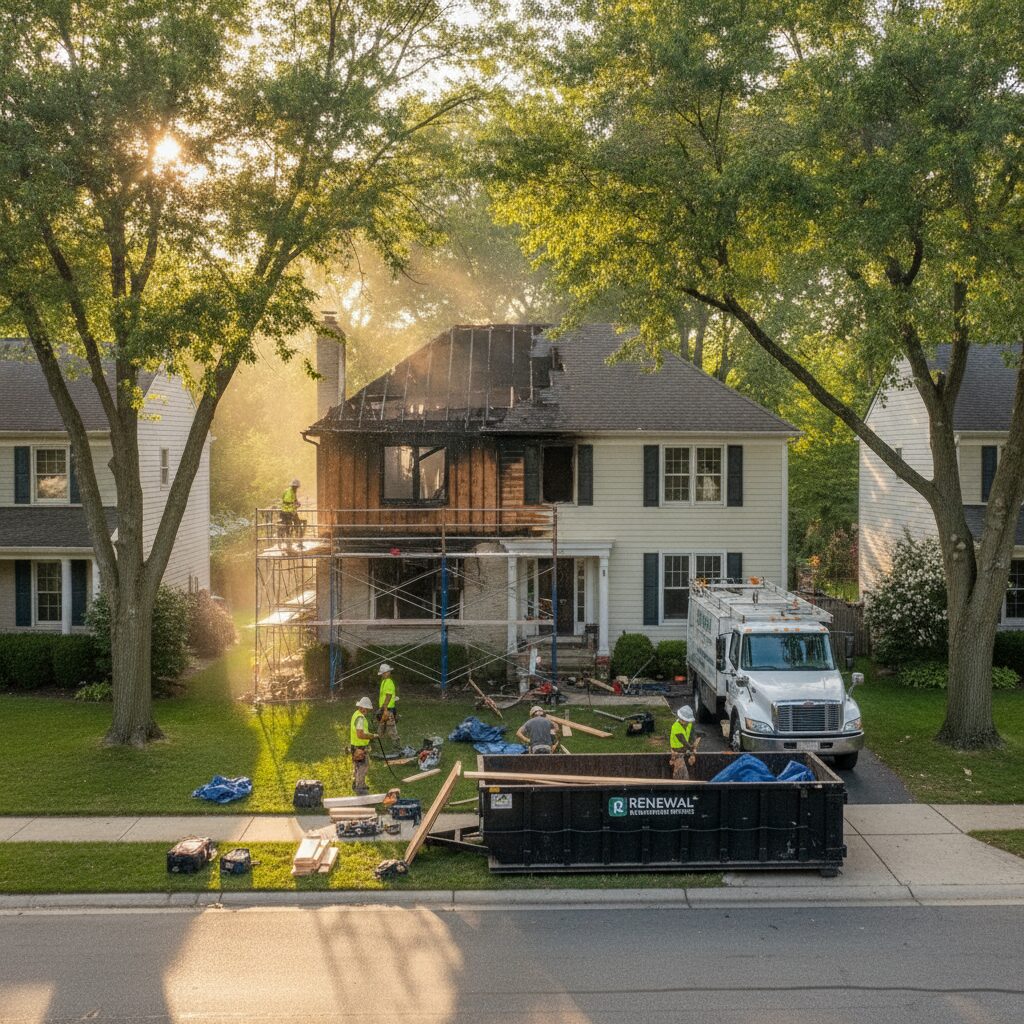
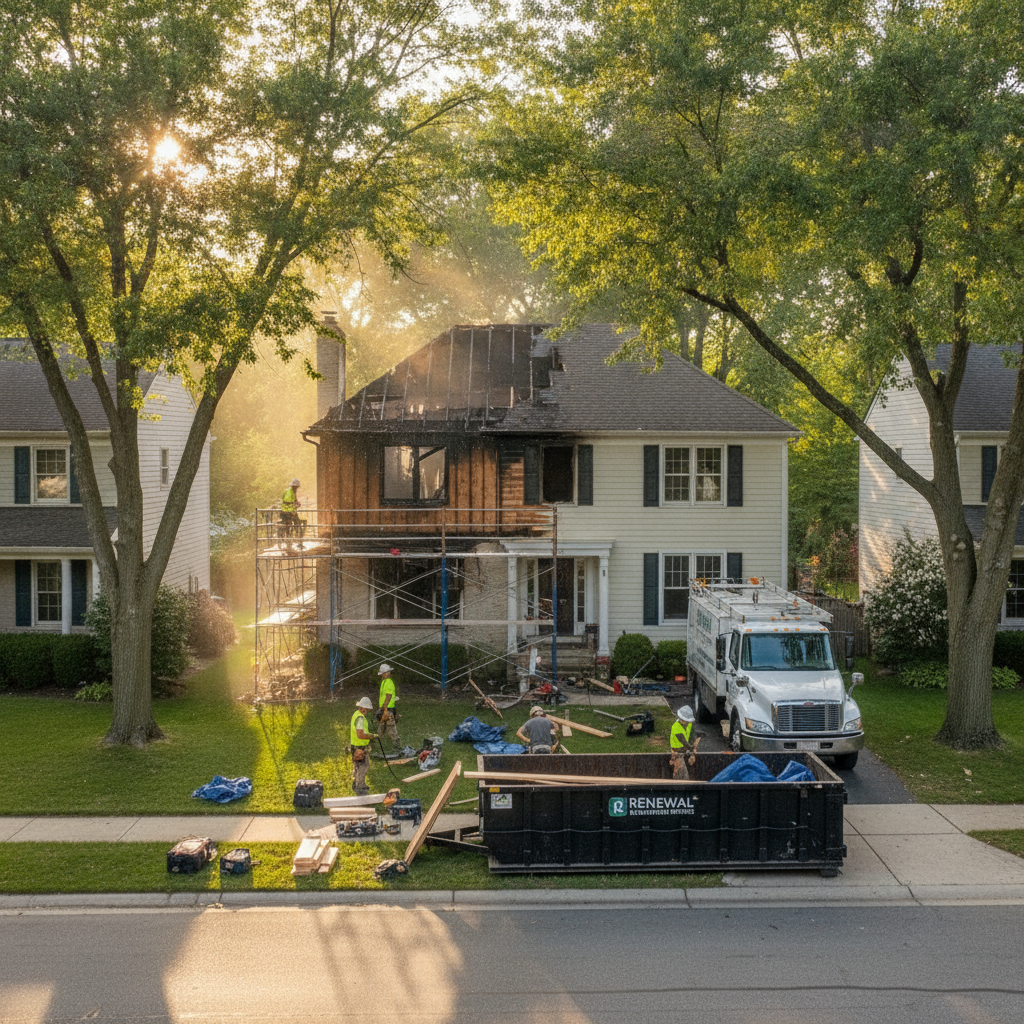
Fire damage restoration is a comprehensive process that goes beyond simply cleaning up after a fire. It involves assessing the extent of the damage, ensuring the property is safe, removing debris, and addressing smoke and soot residue. The process typically starts with an inspection, where professionals evaluate structural integrity and identify hazards. Next, they secure the property to prevent further damage and begin the cleanup phase. This includes removing water used to extinguish the fire, drying out the area, and eliminating smoke odors.
Specialized equipment and cleaning agents are used to treat surfaces affected by soot and smoke. Restoration experts also focus on salvaging as much as possible, from furniture to personal belongings. The final steps involve repairing or rebuilding damaged structures, repainting, and restoring the property to its pre-fire condition. For those in the area, working with local experts like Bloomfield Construction ensures a thorough and efficient recovery process tailored to the unique needs of this community.
What Makes Fire Damage Different from Other Disasters?
Unlike water or storm damage, fire damage presents a unique set of challenges. Fires not only destroy structures through flames, but also leave behind corrosive soot, persistent smoke odors, and water damage from firefighting efforts. The chemical reactions caused by burning materials can create hazardous residues that require specialized cleaning techniques. Additionally, fires often compromise the structural integrity of buildings, making safety assessments a top priority before any restoration work begins.
Another factor is the emotional toll a fire can take. Homeowners and business owners may feel overwhelmed by the loss of personal items and the disruption to daily life. Restoration professionals are trained to handle these sensitive situations with compassion, offering guidance and support throughout the process. Understanding these differences helps set realistic expectations and underscores the importance of choosing a restoration company with specific fire damage expertise.
How Restoration Experts Assess Fire and Smoke Damage
A thorough assessment is the foundation of any successful fire damage restoration project. Restoration teams begin by inspecting the entire property, looking for visible and hidden damage. They check for compromised structural elements, weakened support beams, and areas where smoke and soot have penetrated walls or ceilings. Special attention is paid to HVAC systems, as these can spread smoke particles throughout a building if not properly cleaned.
Experts use moisture meters, thermal imaging cameras, and air quality monitors to detect water intrusion and lingering contaminants. The assessment also includes evaluating personal belongings, electronics, and textiles to determine what can be restored. This step is essential for creating a detailed restoration plan and providing accurate cost estimates. By identifying all areas of concern, restoration professionals ensure no damage is overlooked, setting the stage for a complete recovery.
The Role of Advanced Technology in Modern Restoration
Technological advancements have revolutionized the fire damage restoration industry. Today, restoration companies utilize state-of-the-art equipment to speed up recovery and improve outcomes. High-efficiency air scrubbers and ozone generators are used to remove smoke odors and airborne contaminants. Industrial-grade dehumidifiers and air movers help dry out water-damaged areas quickly, reducing the risk of mold growth.
Thermal fogging and hydroxyl generators are employed to neutralize persistent odors, while ultrasonic cleaning systems restore delicate items like electronics and jewelry. Digital documentation tools allow teams to track progress, document damage, and communicate with insurance providers efficiently. These innovations not only enhance the quality of restoration but also minimize downtime for homeowners and businesses. Embracing technology ensures that the restoration process is thorough, efficient, and up to the highest industry standards.
Common Challenges Homeowners Face After a Fire
Recovering from a fire is rarely straightforward. Homeowners often encounter obstacles that can delay or complicate the restoration process. One common issue is dealing with insurance claims, which can be time-consuming and confusing. Accurately documenting damage and understanding policy coverage are essential for a smooth claims process. Another challenge is the emotional impact of losing cherished possessions and the sense of security that comes with homeownership.
Logistical hurdles, such as finding temporary housing or coordinating with multiple contractors, can add to the stress. Additionally, lingering smoke odors and hidden soot can persist even after initial cleaning, requiring ongoing attention. Homeowners may also face decisions about what to repair, replace, or discard, balancing sentimental value with practicality. Recognizing these challenges ahead of time allows for better preparation and a more resilient recovery.
Selecting the Right Fire Damage Restoration Service
Choosing a reliable fire damage restoration service is a critical step in the recovery process. Look for companies with certified technicians, a strong local reputation, and experience handling fire-specific restoration projects. It’s important to verify that the company is licensed, insured, and adheres to industry standards. Transparent communication, detailed estimates, and a clear timeline are indicators of a trustworthy provider.
Ask about the methods and technologies they use, as well as their approach to salvaging personal items. A good restoration company will also assist with insurance documentation and provide regular updates on progress. Reading reviews and seeking recommendations from neighbors or local organizations can help narrow down your options. Ultimately, the right partner will prioritize your safety, comfort, and satisfaction throughout the restoration journey.
Fire Damage Restoration Bloomfield Hills: Local Considerations
When it comes to fire damage restoration, local expertise matters. Professionals familiar with the Bloomfield Hills area understand the unique building styles, climate challenges, and community resources available. They can navigate local permitting processes and work efficiently within the region’s regulatory framework. This local knowledge ensures that restoration efforts are tailored to the specific needs of homes and businesses in this city.
Furthermore, local companies often have established relationships with area suppliers and contractors, streamlining the repair and rebuilding process. They are also more accessible for follow-up visits and ongoing support, which can be invaluable during a lengthy recovery. Choosing a restoration service with deep roots in the neighborhood not only supports the local economy but also provides peace of mind that your property is in capable hands.
Table: Key Steps in Fire Damage Restoration
| Step | Description |
|---|---|
| Assessment | Inspect property for structural, smoke, soot, and water damage. |
| Securing the Site | Board up windows, tarp roofs, and ensure safety to prevent further damage. |
| Water Removal | Extract water left from firefighting and dry out affected areas. |
| Smoke & Soot Cleanup | Clean surfaces and air ducts to remove soot and smoke residues. |
| Odor Removal | Use specialized equipment to eliminate lingering odors. |
| Restoration & Repairs | Repair or rebuild damaged structures, restore belongings, and return property to pre-fire condition. |
Preventing Future Fire Risks at Home
While restoration is essential after a fire, prevention is equally important. Homeowners can take proactive steps to reduce the risk of future fires. Regularly inspecting electrical systems, maintaining heating appliances, and ensuring smoke detectors are functional are simple yet effective measures. Safe storage of flammable materials and practicing caution in the kitchen can also prevent accidental fires.
Creating and practicing a family fire escape plan ensures everyone knows what to do in an emergency. It’s also wise to keep fire extinguishers accessible and know how to use them. For those in the region, local fire departments often offer safety inspections and educational resources. By prioritizing prevention, homeowners can protect their property and loved ones from future incidents.
Insurance and Documentation Tips for a Smooth Recovery
Navigating insurance claims after a fire can be daunting, but proper documentation is key to a successful outcome. Start by taking detailed photos and videos of all affected areas and items. Keep records of communication with your insurance company and restoration professionals. Save receipts for expenses related to temporary housing, repairs, and replacements.
It’s helpful to create an inventory of damaged belongings, noting their value and condition. Many insurers require this information to process claims efficiently. Restoration companies can often assist with documentation and provide expert guidance on working with adjusters. Staying organized and proactive throughout the claims process can help minimize delays and ensure you receive the coverage you’re entitled to.
Restoring Peace of Mind
Recovering from a fire is a journey that requires patience, resilience, and the right support system. By understanding the fire damage restoration process, leveraging local expertise, and taking proactive steps toward prevention, homeowners and business owners can rebuild with confidence. The key is to work with trusted professionals who prioritize safety, quality, and clear communication. With careful planning and the right resources, it’s possible to restore not just your property, but your sense of security and well-being. Remember, while the aftermath of a fire can feel overwhelming, each step forward brings you closer to a fully restored home and a fresh start.