
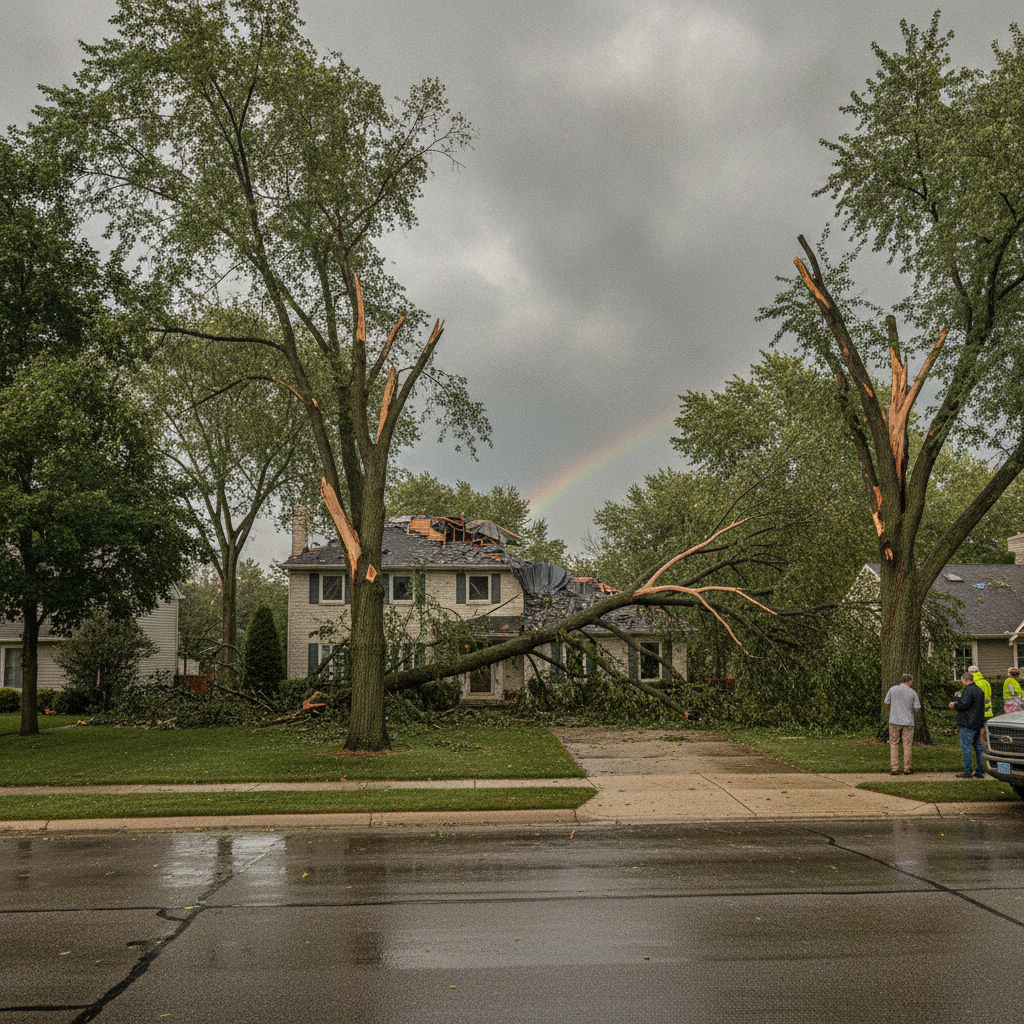
Experiencing a severe storm can be overwhelming, especially when you are left to pick up the pieces and restore your property. For small business owners, developers, and residents in the area, knowing how to document storm damage for insurance claims is crucial for a smooth recovery. Proper documentation not only helps ensure you receive fair compensation but also speeds up the claims process. In this guide, we will walk you through the essential steps and best practices for documenting storm damage, making the process as straightforward as possible. Whether you are dealing with wind, hail, or flooding, understanding how to accurately record the aftermath is the key to protecting your investment and getting back on your feet quickly. From initial safety checks to organizing your evidence, this comprehensive article will equip you with the knowledge you need to handle post-storm situations with confidence. Let’s dive into the details of documenting storm damage for insurance claims, so you can be prepared when the next storm hits.
How to Document Storm Damage in Bloomfield Hills
When a severe weather event strikes, your first priority is safety, but once the immediate threat passes, it is time to assess and document storm damage for insurance claims. In this city, storms can cause a range of issues, from downed trees to roof leaks and water intrusion. The first step is to conduct a thorough walk-through of your property. Take clear, timestamped photos and videos of all affected areas, including the exterior, interior, and any damaged equipment or inventory. Be sure to capture wide shots for context and close-ups for detail. This visual evidence is essential for your insurance company to understand the full extent of the damage.
Next, make a detailed written inventory of everything that was affected. Include descriptions, estimated values, and the condition of each item before the storm. This is especially important for business owners who need to account for damaged stock, equipment, or fixtures. If possible, gather receipts, invoices, or previous photos that show the pre-storm condition of your property. This documentation will support your claim and help avoid disputes with your insurer.
Remember, do not discard damaged items until your insurance adjuster has seen them, unless they pose a safety risk. If you must remove debris or make temporary repairs to prevent further damage, keep all receipts and take photos before and after the work is done. For more tips on how to document storm damage in Bloomfield Hills, consult local experts who understand the unique challenges of the region.
How to Document Storm Damage in Bloomfield Hills, MI
After a storm hits, residents and business owners in this community must act quickly to document storm damage for insurance claims. Start by ensuring that it is safe to enter your property, look for hazards like downed power lines, broken glass, or structural instability. Once you are certain it is safe, begin your documentation process.
Use your smartphone or camera to take comprehensive photos and videos. Make sure every angle of the damage is covered, including less obvious areas like attics, basements, and crawl spaces. It is a good idea to take panoramic shots to provide a complete overview, as well as close-ups to highlight specific issues. If you have security cameras, save any relevant footage from during or immediately after the storm to further support your claim.
As you gather evidence, organize it logically, group images by room or area, and label them with dates and descriptions. This will make it easier for your insurance adjuster to review your claim. For business owners, document any interruptions to operations, such as lost business days or spoiled inventory, as these may be covered under your policy. If you need professional guidance, reach out to Bloomfield Construction for local expertise and support in navigating the claims process.
How to Document Storm Damage in Bloomfield Hills, Michigan
Documenting storm damage for insurance claims in this region requires attention to detail and a methodical approach. Begin by creating a checklist of all areas to inspect, including roofs, siding, windows, doors, landscaping, and any outbuildings. For each area, note any visible damage, such as missing shingles, cracked windows, water stains, or fallen branches. Use a notebook or digital app to record your observations alongside your photographic evidence.
It is also important to document the storm itself. Save weather alerts, news articles, or official reports that confirm the timing and severity of the event. This information can help validate your claim and show that the damage was caused by a covered peril. If you have neighbors or employees who witnessed the storm, ask them to provide written statements or additional photos to strengthen your case.
For those who may feel overwhelmed by the process, professional contractors can assist in identifying hidden damage and preparing the necessary documentation. To learn more about how to document storm damage for insurance claims in this area, consult with specialists who are familiar with local building codes and insurance requirements.
Local Resources for Storm Damage Documentation
Having access to reliable local resources can make a significant difference when you need to document storm damage for insurance claims. Local contractors, restoration companies, and public adjusters can provide expert assessments and help you compile thorough documentation. Many of these professionals offer emergency response services, arriving promptly to assess damage and begin the mitigation process.
When selecting a contractor or restoration expert, look for those with experience in storm recovery and a solid reputation in the neighborhood. Ask for references, check online reviews, and verify credentials. A reputable company will provide a detailed estimate, photographs, and written reports that you can submit to your insurer. These documents are invaluable for supporting your claim and ensuring you receive the compensation you deserve.
For those in need of trusted local support, Bloomfield Construction is a well-known resource in the region, offering expertise in storm damage repair and insurance documentation. Their team can help you navigate the process from start to finish, reducing stress and maximizing your claim’s success.
Essential Steps After a Storm
Once a storm has passed, taking the right steps immediately can greatly impact your ability to document storm damage for insurance claims. Begin by prioritizing safety, do not enter damaged buildings until they have been deemed safe by authorities or professionals. After ensuring your safety, notify your insurance company as soon as possible to report the loss and initiate the claims process.
While waiting for an adjuster, continue to gather evidence. Take additional photos if conditions change or if further damage becomes apparent. Keep a detailed log of all communications with your insurer, including dates, times, and names of representatives. This record will be helpful if any disputes arise regarding your claim.
If you need to make temporary repairs to prevent further damage, such as boarding up windows or covering a leaking roof, document the work thoroughly. Save all receipts and take before-and-after photos. These expenses are often reimbursable under most insurance policies. By following these steps, you can ensure a smoother and more successful claims experience.
What to Include in Your Storm Damage Documentation
Thorough documentation is the cornerstone of a successful insurance claim after a storm. Your file should include:
- Photos and videos of all damage, taken from multiple angles
- A written inventory of damaged items, including descriptions and estimated values
- Receipts, invoices, or proof of purchase for affected property
- Copies of weather alerts or news reports about the storm
- Statements from witnesses or employees
- Records of all communications with your insurer
- Documentation of any temporary repairs and associated receipts
Organizing these materials in a digital folder or binder will make it easier to present your case to your insurance company. The more comprehensive your documentation, the less likely you are to encounter delays or disputes during the claims process.
Common Types of Storm Damage to Document
Storms can cause a variety of damage to properties in the region. Knowing what to look for and document is essential for a complete insurance claim. Common types of storm damage include:
- Roof damage: missing shingles, leaks, or holes caused by wind or hail
- Siding and exterior walls: cracks, dents, or water intrusion
- Windows and doors: broken glass, damaged frames, or water seepage
- Flooding: water damage to floors, walls, and personal property
- Fallen trees or branches: structural damage or blocked access
- Electrical systems: outages, surges, or exposed wiring
Inspect every part of your property, both inside and out, to ensure you capture all storm-related issues. Missing even minor damage can lead to costly repairs down the line if left unaddressed.
Sample Storm Damage Documentation Checklist
| Area | What to Document | Evidence Type |
|---|---|---|
| Roof | Missing shingles, leaks, holes | Photos, written notes |
| Windows/Doors | Cracks, broken glass, water intrusion | Photos, receipts for repairs |
| Interior | Water stains, damaged furniture | Photos, inventory list |
| Exterior Walls | Cracks, dents, missing siding | Photos, contractor reports |
| Landscaping | Fallen trees, damaged fences | Photos, written notes |
| Utilities | Power outages, damaged lines | Photos, service reports |
Use this checklist as a starting point to ensure you cover all critical areas when you document storm damage for insurance claims. Add additional items as needed based on your unique property and circumstances.
Tips for Working with Insurance Adjusters
Once you have submitted your claim, an insurance adjuster will likely visit your property to assess the damage. To ensure a successful outcome, be prepared to present your documentation in an organized manner. Walk the adjuster through each area, pointing out all damage and providing supporting evidence such as photos, receipts, and written notes.
Be honest and thorough in your explanations, but avoid making speculative statements about the cause of damage unless you are certain. If you disagree with the adjuster’s assessment, do not hesitate to request a second opinion or consult with a public adjuster. Remember, your documentation is your best tool for negotiating a fair settlement.
Keep copies of all correspondence and reports, and follow up regularly with your insurer to check on the status of your claim. Persistence and organization can help avoid unnecessary delays and ensure you receive the compensation you are entitled to.
Preventing Future Storm Damage
While you cannot control the weather, there are steps you can take to minimize future storm damage and make documentation easier. Regularly inspect your property for maintenance issues, such as loose shingles, clogged gutters, or overhanging branches. Addressing these problems before a storm hits can prevent more severe damage and simplify the claims process.
Consider creating a pre-storm inventory of your property, including photos and descriptions of key assets. Store important documents and digital backups in a safe, accessible location. By being proactive, you will be better prepared to document storm damage for insurance claims in the future and protect your investment against unexpected events.
Finally, stay informed about local weather patterns and sign up for emergency alerts. Quick action and thorough documentation are your best defenses when storms strike.
Key Takeaways
Navigating the aftermath of a storm can be daunting, but knowing how to document storm damage for insurance claims empowers you to protect your property and financial interests. By following a step-by-step approach, prioritizing safety, gathering comprehensive evidence, and organizing your documentation, you can streamline the claims process and maximize your chances of a fair settlement. Utilize local resources and professional expertise when needed, and remember to keep detailed records every step of the way. With preparation and diligence, you will be ready to face whatever the next storm brings and ensure your recovery is as smooth as possible.