Floods can strike with little warning, turning a thriving business or comfortable home into a waterlogged challenge overnight. For small business owners, developers, and residents, the aftermath of a flood brings urgent decisions about how to respond. One of the most critical choices is how quickly to extract water and begin restoration. Fast action isn’t just about convenience, it’s about protecting your property, health, and financial future. Water Damage Restoration Bloomfield Hills is more than a service; it’s a race against time to minimize loss and disruption. In this article, we’ll explore why immediate water extraction is essential after a flood, what’s at stake if you wait, and how local experts approach the process. Whether you’re managing a retail space, overseeing a construction project, or caring for your family’s home, understanding the urgency and science behind water removal can help you recover faster and smarter.
The Science Behind Water Damage Progression
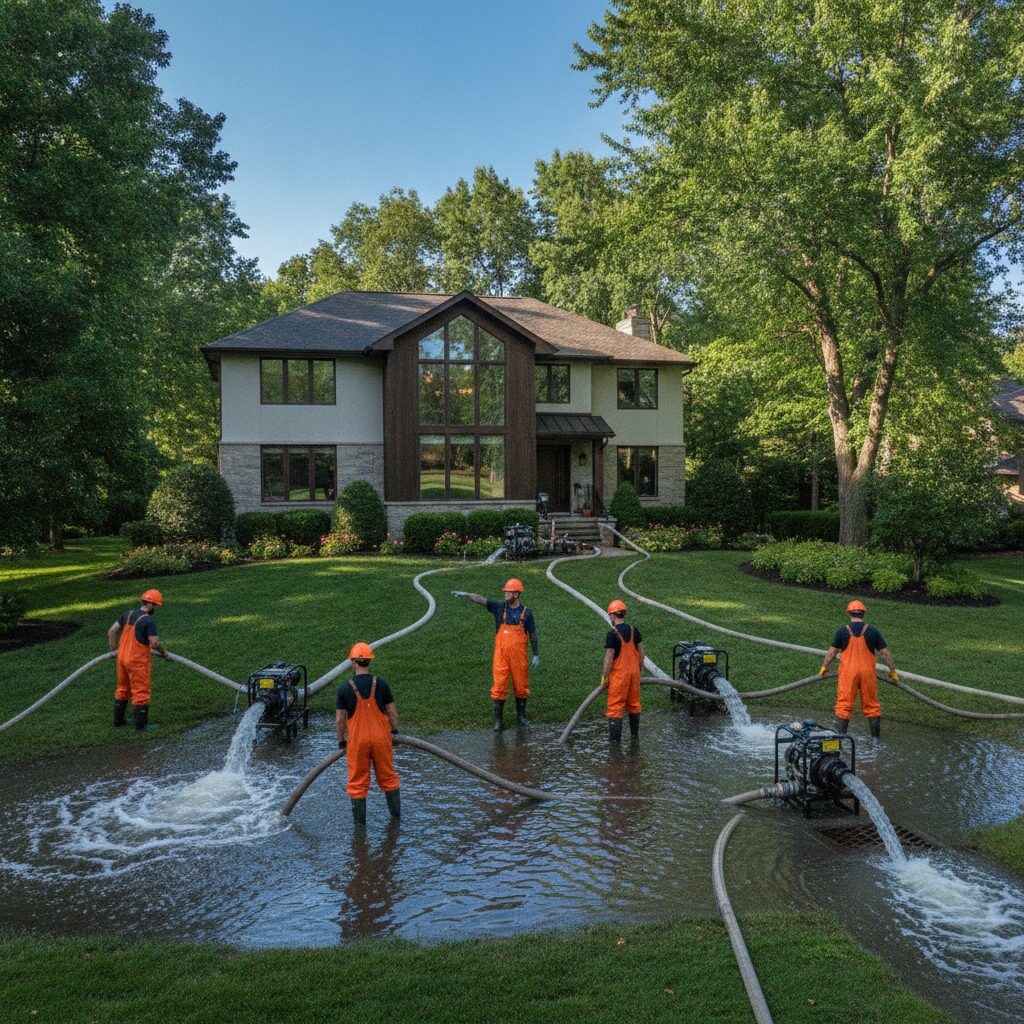
Water is deceptively destructive. When it floods a building, it doesn’t just sit on the surface, it seeps into every crack, crevice, and porous material. Within minutes, water begins to spread through drywall, insulation, flooring, and structural supports. The longer it remains, the deeper it penetrates, leading to escalating problems. In the first hour, water can saturate carpets and baseboards. Within a day, drywall swells and furniture begins to warp. After 48 hours, mold spores can colonize damp surfaces, and wood framing may start to rot. This rapid progression is why fast extraction is crucial. The sooner water is removed, the less time it has to cause irreversible damage. Restoration experts use high-powered pumps and vacuums to extract standing water, then deploy moisture meters and thermal imaging to track hidden dampness. By understanding how water moves and damages materials, professionals can target their efforts for maximum effectiveness. Acting quickly isn’t just about drying things out, it’s about interrupting the chain reaction that leads to costly repairs and health hazards.
For those seeking a reliable partner in urgent situations, Bloomfield Construction offers expertise and rapid response, helping property owners mitigate the risks associated with water damage before they escalate.
Why Every Minute Counts After a Flood
The first 24 to 48 hours after a flood are the most critical for minimizing damage and avoiding secondary problems. Water that lingers can undermine structural integrity, destroy valuable contents, and create an ideal environment for mold and bacteria. For business owners, delays can mean lost revenue, ruined inventory, and prolonged closures. For families, it can mean the difference between a safe home and a lingering health risk. Fast extraction halts the spread of moisture, reducing the risk of permanent staining, warping, and decay. It also makes the drying process more efficient, allowing restoration teams to move quickly from extraction to dehumidification and sanitization. In commercial settings, rapid response can help salvage electronics, documents, and equipment that are vital for daily operations. The urgency isn’t just about the building, it’s about the people and livelihoods connected to it. That’s why professionals prioritize immediate action, using specialized tools to remove water and prevent further harm.
To understand more about the specific steps involved, check out How Water Damage Restoration Works in Bloomfield Hills Homes for a detailed breakdown of the process.
Common Misconceptions About Flood Cleanup
Many property owners underestimate the complexity of flood cleanup, believing that a few towels and fans can handle the job. In reality, water extraction and restoration require specialized knowledge and equipment. One common misconception is that visible water is the only concern. In truth, moisture can hide behind walls, under floors, and inside HVAC systems, leading to long-term issues if not properly addressed. Another myth is that waiting a day or two won’t make much difference. As we’ve seen, even short delays can allow mold to take hold and materials to deteriorate. Some people assume that insurance will cover all damages, regardless of the response time. However, many policies require prompt action to limit losses, and neglecting timely extraction can jeopardize claims. Finally, there’s the belief that all restoration companies offer the same level of service. In fact, experience, training, and technology vary widely, impacting the quality and speed of recovery. Dispelling these myths is essential for making informed decisions when disaster strikes.
For those also concerned about fire-related risks, Top Fire Damage Restoration Services in Bloomfield Hills: What Homeowners Need to Know offers valuable insights on comprehensive property recovery.
How Water Extraction Protects Your Investment
Property is often the largest investment for both business owners and families. After a flood, the speed and quality of water extraction can determine whether that investment is preserved or diminished. Fast removal of water prevents structural components like joists, beams, and foundations from weakening due to prolonged exposure. It also safeguards finishes, fixtures, and personal belongings that add value to a property. In commercial spaces, rapid extraction can mean the difference between salvaging equipment and facing costly replacements. For developers, it keeps projects on track by minimizing delays and avoiding expensive remediation. The financial impact of slow or inadequate extraction can be significant, including reduced property values, increased insurance premiums, and lost business opportunities. By prioritizing immediate action, owners can protect not just the physical structure, but also the long-term worth and usability of their property. This proactive approach is a key component of responsible property management in the face of unpredictable weather events.
Health Risks Linked to Delayed Water Removal
Floodwater is rarely clean. It often contains bacteria, chemicals, and contaminants that pose serious health risks. When water sits for more than a few hours, these hazards multiply. Mold spores thrive in damp environments, releasing allergens and toxins that can trigger respiratory problems, especially in children, seniors, and those with compromised immune systems. Standing water also attracts pests and can lead to the growth of harmful bacteria, increasing the risk of infections and illness. Delayed extraction allows these dangers to spread throughout the building, contaminating air ducts, carpets, and upholstery. Even after visible water is gone, residual moisture can support microbial growth for weeks. Fast, professional water extraction is essential for removing not just the water, but also the hidden threats it brings. Restoration teams use antimicrobial treatments and air scrubbers to ensure the environment is safe for reoccupation. Protecting health is as important as protecting property, making timely action a top priority after any flood event.
Comparing DIY and Professional Water Extraction
When faced with a flooded property, some owners consider tackling water extraction themselves to save money or time. While small spills may be manageable, flood cleanup is a different challenge altogether. DIY methods often lack the power and precision needed to remove water from deep within building materials. Household vacuums and fans can only address surface moisture, leaving hidden dampness that leads to mold and structural decay. Professionals, on the other hand, use industrial-grade pumps, extractors, and dehumidifiers designed for rapid, thorough removal. They also bring expertise in moisture mapping, allowing them to identify and dry areas that might otherwise be missed. Additionally, restoration teams follow safety protocols to handle contaminated water and apply treatments that prevent microbial growth. While DIY efforts may seem cost-effective initially, they can result in higher expenses down the line due to incomplete drying and recurring issues. For most flood situations, professional extraction is the safest and most effective choice.
Key Steps in the Water Extraction Process
The process of water extraction involves several critical steps, each designed to minimize damage and speed recovery. First, restoration professionals assess the extent of flooding and identify safety hazards such as electrical risks or structural instability. Next, they use high-capacity pumps and vacuums to remove standing water as quickly as possible. Once the majority of water is gone, technicians deploy moisture meters and thermal cameras to locate hidden pockets of dampness behind walls, under flooring, and inside insulation. Targeted drying equipment, such as air movers and dehumidifiers, is then positioned to accelerate evaporation and prevent mold growth. Throughout the process, contaminated materials are removed and disposed of according to safety guidelines. Finally, antimicrobial treatments are applied to sanitize affected areas and inhibit future microbial activity. Each step is carefully documented, providing a record for insurance claims and future reference. This systematic approach ensures that no moisture is left behind, setting the stage for successful restoration.
Table: Timeline of Water Damage and Recommended Actions
| Time Since Flood | Typical Damage Progression | Recommended Action |
|---|---|---|
| Within 1 hour | Water spreads across floors, saturates carpets and baseboards | Begin extraction immediately, remove valuables |
| Within 24 hours | Drywall swells, wood warps, potential for electrical hazards | Continue extraction, start drying with air movers and dehumidifiers |
| 48-72 hours | Mold growth begins, odors develop, structural components weaken | Apply antimicrobial treatments, remove unsalvageable materials |
| 1 week or more | Severe mold infestation, major structural damage, health risks increase | Comprehensive remediation, possible reconstruction |
How Local Experts Respond to Flood Emergencies
When a flood hits, local restoration teams are often the first line of defense. Their familiarity with the area’s climate, building styles, and common challenges allows them to respond quickly and effectively. Many local companies offer 24/7 emergency services, dispatching crews within hours of a call. These professionals arrive equipped with advanced tools and protective gear, ready to assess the situation and begin extraction. Their experience with the region’s weather patterns helps them anticipate complications such as recurring storms or groundwater intrusion. Local experts also understand the specific needs of area businesses and homeowners, providing tailored solutions that address both immediate and long-term concerns. By working with restoration professionals who know the community, property owners can benefit from faster response times, personalized service, and a deeper commitment to helping neighbors recover. This local expertise is invaluable when every minute counts in the aftermath of a flood.
Preventing Secondary Damage: Mold, Odors, and More
The visible effects of flooding are only part of the story. Secondary damage can develop days or even weeks after the initial event if water isn’t properly extracted and the area thoroughly dried. Mold is the most notorious culprit, but lingering moisture can also cause persistent odors, wood rot, and corrosion of metal fixtures. In commercial settings, this can lead to ongoing maintenance issues and reduced customer confidence. For homeowners, it can mean repeated repairs and a decline in indoor air quality. Fast water extraction is the first and most important step in preventing these problems. Restoration teams use moisture detection tools to ensure all damp areas are identified and addressed. They also apply deodorizing agents and sealants as needed to eliminate odors and protect surfaces. By acting quickly and comprehensively, property owners can avoid the cycle of secondary damage that often follows inadequate flood cleanup.
Insurance and Liability Considerations for Property Owners
Navigating insurance claims after a flood can be complex, especially when timing is a factor. Most policies require policyholders to take reasonable steps to mitigate damage, which includes prompt water extraction and documentation of all actions taken. Failing to act quickly can result in denied claims or reduced payouts, leaving property owners to cover repair costs out of pocket. Liability is also a concern, particularly for business owners whose premises may pose health risks to employees or customers if not properly restored. Keeping detailed records of the extraction and restoration process, including photographs and receipts, is essential for supporting claims and demonstrating due diligence. Working with experienced restoration professionals can also streamline communication with insurers, ensuring that all necessary documentation is provided. Understanding the intersection of fast action, insurance requirements, and liability is key to protecting both financial and legal interests after a flood.
Final Thoughts
Floods are unpredictable, but your response doesn’t have to be. Fast water extraction is the cornerstone of effective recovery, protecting property, health, and financial stability. By understanding the science of water damage, dispelling common myths, and recognizing the value of professional expertise, property owners can make informed decisions when disaster strikes. Whether you’re safeguarding a business, developing new projects, or caring for your family’s home, acting quickly after a flood can save time, money, and stress. Trusting local experts and prioritizing prompt action ensures that your investment is preserved and your space is restored to safety and comfort. Remember, when it comes to water damage, every minute truly counts, so be prepared to act fast and smart for the best possible outcome.