Water damage is an issue that many property owners in the area underestimate until it becomes a major problem. Whether caused by storms, leaky pipes, or poor drainage, the long-term water damage effects can be devastating if left unattended. Over time, even minor leaks can lead to significant structural and health issues that affect not only the building but also its occupants. Understanding the risks and consequences of ignoring water damage is crucial for small business owners, developers, and residents alike. This article explores the far-reaching impacts of long-term water damage effects, how to identify them, and the best strategies for prevention and remediation. By learning about these dangers, you can protect your investment, maintain property value, and ensure a safe environment for everyone who enters your space.
Long-Term Water Damage Effects in the Area
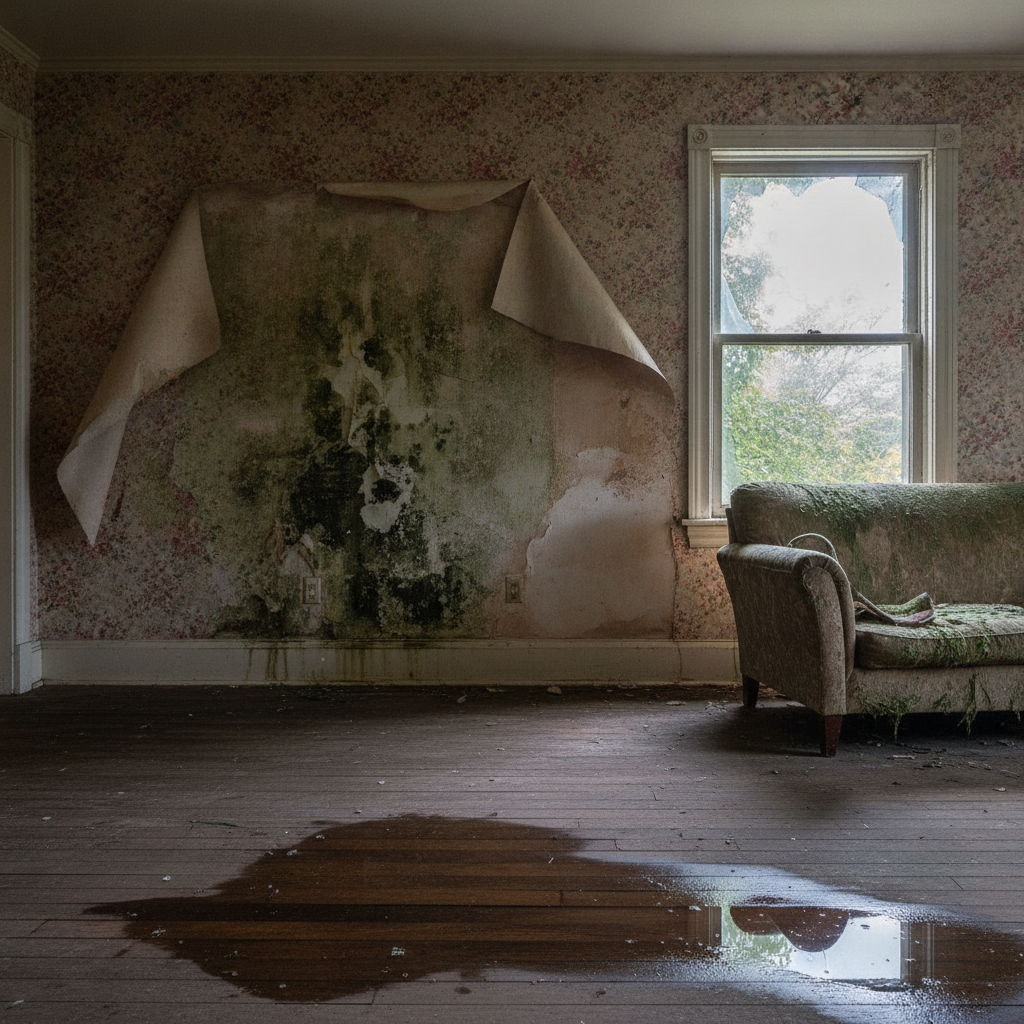
Long-term water damage effects can silently undermine the integrity of any property in this community. When water intrusion is not addressed promptly, it seeps into building materials, weakening foundations, walls, and floors over time. This gradual deterioration often goes unnoticed until visible signs, such as warped flooring, peeling paint, or musty odors, become impossible to ignore. The longer water is allowed to persist, the greater the risk of costly repairs and irreversible damage.
One of the most significant threats posed by long-term water damage effects is the development of mold and mildew. These fungi thrive in damp, dark environments, spreading quickly behind walls and under floors. Mold not only damages the structure but also poses serious health risks, particularly for individuals with allergies or respiratory conditions. Furthermore, persistent moisture can attract pests like termites and carpenter ants, which further compromise the building’s stability.
Ignoring early warning signs of water damage can lead to insurance complications as well. Many policies require timely reporting and remediation, and failing to act can result in denied claims. For property owners in the neighborhood, staying vigilant and addressing water issues promptly is essential for preserving property value and ensuring long-term safety.
If you need expert help with water damage, Bloomfield Construction offers professional solutions to restore your property and prevent further issues.
Long-Term Water Damage Effects in Bloomfield Hills, MI
The climate in Bloomfield Hills, MI, with its seasonal changes and precipitation, makes properties particularly susceptible to long-term water damage effects. Heavy rainfall, snowmelt, and occasional flooding can all contribute to moisture infiltration. Over time, even small leaks from roofs, windows, or plumbing can escalate into major structural problems if not addressed quickly.
Long-term water damage effects in this region often manifest as sagging ceilings, cracked foundations, and deteriorating drywall. These issues not only compromise the safety of the building but also decrease its market value. For business owners and developers, the impact can be even more severe, potentially leading to business interruption, loss of inventory, and increased liability risks.
Moisture can also affect electrical systems, creating fire hazards and increasing the risk of short circuits. The presence of water in wiring or outlets is a serious concern that requires immediate attention. Additionally, chronic dampness can lead to persistent odors and unsightly stains, making spaces less appealing to customers, tenants, or buyers.
For more information on how to protect your property from these risks, visit our site for resources and expert advice tailored to the needs of this region.
Long-Term Water Damage Effects in Bloomfield Hills, Michigan
In Bloomfield Hills, Michigan, the combination of older homes and modern developments creates unique challenges when it comes to long-term water damage effects. Many properties in this city have basements, which are particularly vulnerable to groundwater seepage and flooding. Over time, unchecked water intrusion can erode concrete, rot wooden beams, and compromise the overall stability of the structure.
Long-term water damage effects extend beyond the physical structure. They can disrupt daily operations for businesses, displace families, and lead to significant financial losses. Property owners who ignore early signs of water damage often face escalating repair costs, as minor issues develop into major problems requiring extensive remediation.
Another concern in this city is the impact on indoor air quality. Persistent moisture fosters the growth of mold spores, which can circulate through HVAC systems and affect the health of occupants. Symptoms such as coughing, sneezing, and headaches are common in buildings with poor air quality due to water damage.
To learn more about the dangers of water damage and how to safeguard your property, explore the resources available from local experts.
Identifying Early Signs of Long-Term Water Damage Effects
Spotting the early signs of long-term water damage effects is essential for preventing more serious problems. Some indicators are subtle, while others are more obvious. Common signs include discoloration on walls or ceilings, bubbling paint, and soft or warped flooring. You might also notice a persistent musty odor, which often signals hidden moisture and potential mold growth.
Other warning signs include increased humidity indoors, condensation on windows, or unexplained spikes in water bills. In some cases, you may observe visible mold patches, rusting metal fixtures, or crumbling drywall. It’s important to investigate these symptoms promptly, as delaying repairs can lead to more extensive and costly damage.
For property owners, conducting regular inspections and maintenance is a proactive way to catch water damage before it escalates. Pay close attention to basements, attics, crawl spaces, and areas around plumbing fixtures. If you suspect water damage, consult a qualified professional for a thorough assessment.
For directions to a trusted local expert, check Bloomfield Construction on the map for assistance.
The Hidden Structural Risks of Long-Term Water Damage Effects
Long-term water damage effects can compromise the very foundation of a building. When water seeps into structural elements like beams, joists, and foundations, it gradually weakens them. Over time, this can lead to sagging floors, cracked walls, and even partial collapse in severe cases. The risk is particularly high in older buildings where materials may already be compromised by age.
In addition to visible damage, water can corrode metal fasteners and connectors, reducing their load-bearing capacity. Wooden components are especially vulnerable to rot, which spreads quickly in damp conditions. The result is a loss of structural integrity that may not be apparent until a major failure occurs.
Property owners should be vigilant for signs such as uneven floors, doors or windows that stick, and cracks that appear suddenly. These symptoms often indicate underlying structural issues caused by long-term water damage effects. Addressing these problems early can prevent catastrophic failures and preserve the value of your investment.
Health Impacts of Long-Term Water Damage Effects
The health risks associated with long-term water damage effects are often underestimated. Damp environments are breeding grounds for mold, mildew, and bacteria, all of which can negatively impact indoor air quality. Exposure to mold spores can trigger allergic reactions, asthma attacks, and other respiratory issues, especially in children, the elderly, and individuals with compromised immune systems.
In addition to respiratory problems, prolonged exposure to mold and dampness has been linked to skin irritation, headaches, and fatigue. Some types of mold, such as black mold (Stachybotrys chartarum), produce mycotoxins that can be particularly harmful. These toxins can cause more severe health effects, including neurological symptoms in rare cases.
Maintaining a dry, well-ventilated environment is essential for protecting the health of building occupants. Regular inspections and prompt remediation of water damage can prevent the growth of harmful microorganisms and ensure a safe living or working space.
Financial Consequences of Ignoring Long-Term Water Damage Effects
The financial impact of long-term water damage effects can be substantial. What may start as a small leak or minor staining can quickly escalate into thousands of dollars in repairs. Structural repairs, mold remediation, and replacement of damaged materials are costly, and insurance may not cover damages resulting from neglect or lack of maintenance.
For business owners, the costs go beyond repairs. Water damage can disrupt operations, lead to inventory loss, and create liability issues if customers or employees are affected. In rental properties, unresolved water damage can result in tenant complaints, legal disputes, and lost income due to vacancies or reduced rental rates.
Investing in early detection and remediation is far more cost-effective than dealing with the aftermath of long-term water damage effects. Regular maintenance, prompt repairs, and professional assessments can save property owners significant money in the long run.
Common Causes of Long-Term Water Damage Effects
Understanding the common causes of long-term water damage effects is the first step in prevention. Some of the most frequent sources include:
- Leaking roofs or windows
- Broken or corroded pipes
- Faulty appliances (dishwashers, washing machines, water heaters)
- Poor drainage around the foundation
- Clogged gutters and downspouts
- Basement flooding due to heavy rain or high groundwater
By addressing these vulnerabilities, property owners can significantly reduce the risk of long-term water damage effects. Regular inspections and timely repairs are key to keeping your property safe and dry.
Preventing Long-Term Water Damage Effects: Best Practices
Prevention is always better than cure when it comes to long-term water damage effects. Here are some best practices to help you safeguard your property:
- Conduct regular inspections of roofs, basements, and plumbing systems.
- Ensure proper grading and drainage around the foundation to direct water away from the building.
- Clean gutters and downspouts regularly to prevent blockages.
- Install sump pumps and backflow valves in flood-prone areas.
- Seal cracks in walls, floors, and foundations to prevent moisture intrusion.
- Address leaks and water issues immediately to prevent escalation.
By following these steps, you can minimize the risk of long-term water damage effects and protect your investment for years to come.
Table: Signs, Causes, and Solutions for Long-Term Water Damage Effects
| Sign | Common Cause | Recommended Solution |
|---|---|---|
| Discolored walls/ceilings | Leaking roof or plumbing | Repair leaks, repaint after drying |
| Musty odor | Hidden moisture, mold | Identify source, remove mold |
| Warped flooring | Water seepage | Dry area, replace damaged boards |
| Cracked foundation | Poor drainage | Improve drainage, seal cracks |
| Visible mold | Persistent dampness | Professional remediation |
This table summarizes some of the most common signs, causes, and solutions for long-term water damage effects. Addressing these issues early can save time, money, and stress in the future.
Why Timely Remediation Matters for Long-Term Water Damage Effects
Timely remediation is critical in managing long-term water damage effects. The longer water issues persist, the more extensive and expensive the repairs become. Immediate action can prevent the spread of mold, minimize structural damage, and reduce health risks for occupants.
Professional remediation services use specialized equipment to detect hidden moisture, dry affected areas, and restore damaged materials. They also ensure that all sources of water intrusion are identified and addressed, preventing future issues. For business owners and developers, timely remediation can mean the difference between a quick recovery and prolonged business disruption.
Don’t wait until minor water issues escalate into major problems. Investing in prompt, professional remediation is the best way to protect your property and maintain a safe, healthy environment.
Final Thoughts
Long-term water damage effects can have far-reaching consequences for property owners, businesses, and residents in any community. From structural deterioration and health risks to significant financial losses, the dangers of unattended water damage are too great to ignore. By staying vigilant, recognizing early warning signs, and investing in timely remediation, you can protect your property and ensure its longevity. Remember, prevention and prompt action are key to minimizing the impact of long-term water damage effects. Take steps now to safeguard your investment and provide a safe environment for everyone who enters your space.