Hidden water damage is a silent threat that can undermine the value and safety of your property. Whether you own a small business, manage a development, or simply care about your home, understanding how to spot hidden water damage is essential for protecting your investment and ensuring a healthy environment. Many property owners in the area are surprised to learn that water damage can go unnoticed for months or even years, quietly causing structural issues, mold growth, and costly repairs. This guide will walk you through everything you need to know about uncovering hidden water damage, from the subtle signs to look for, to the best practices for prevention and remediation. By learning how to detect these issues early, you can avoid major headaches and save money in the long run. Let’s explore the key steps and expert tips that will help you keep your property safe, sound, and free from the dangers of hidden water damage.
How to Spot Hidden Water Damage in the Area
Hidden water damage can be one of the most expensive and disruptive issues for property owners. Unlike obvious leaks or flooding, this type of damage often occurs out of sight, behind walls, under floors, or in ceilings. Many people in this community are unaware of the early warning signs, which means the problem can escalate before anyone notices. Common causes include slow plumbing leaks, roof issues, condensation from HVAC systems, and even poor drainage around the building’s foundation. To protect your investment, it’s vital to be proactive and vigilant in looking for subtle clues that hidden water damage might be present.
Some of the earliest signs include musty odors, unexplained increases in your water bill, or the appearance of stains and discoloration on walls and ceilings. You may also notice warped or buckling floors, peeling paint, or areas where wallpaper is bubbling. These symptoms are often overlooked, but they can indicate significant moisture problems behind the scenes. If you see any of these warning signs, it’s important to investigate further rather than ignore them.
Another key indicator is the presence of mold or mildew, especially in areas that should remain dry. Mold thrives in damp, dark environments and can spread quickly once it takes hold. Not only does this pose a risk to your property’s structure, but it can also be a serious health hazard for occupants. Regular inspections and maintenance are crucial, especially after heavy rain or snowmelt, which can exacerbate existing vulnerabilities.
For more detailed tips and real-world examples of Bloomfield Hills hidden water damage, check out expert resources that provide in-depth guidance and case studies. Staying informed is your first line of defense against costly surprises.
Identifying Hidden Water Damage in Bloomfield Hills, MI
When it comes to hidden water damage, property owners in Bloomfield Hills, MI, face unique challenges due to the region’s climate and seasonal weather patterns. Heavy rainfall, snow, and rapid temperature changes can all contribute to moisture intrusion in unexpected places. Understanding how water moves through your property, and knowing where to look for trouble spots, can make all the difference in early detection.
Start by checking your basement and crawl spaces, as these areas are particularly susceptible to hidden water damage. Look for signs like efflorescence (a white, powdery residue on concrete), dampness, or a persistent earthy smell. Next, examine windows and doors for gaps or deteriorating seals, which can allow moisture to seep in. Roofs and attics are also common sources of hidden leaks, especially after storms or heavy snowfall. Inspect for water stains, sagging insulation, or visible mold growth.
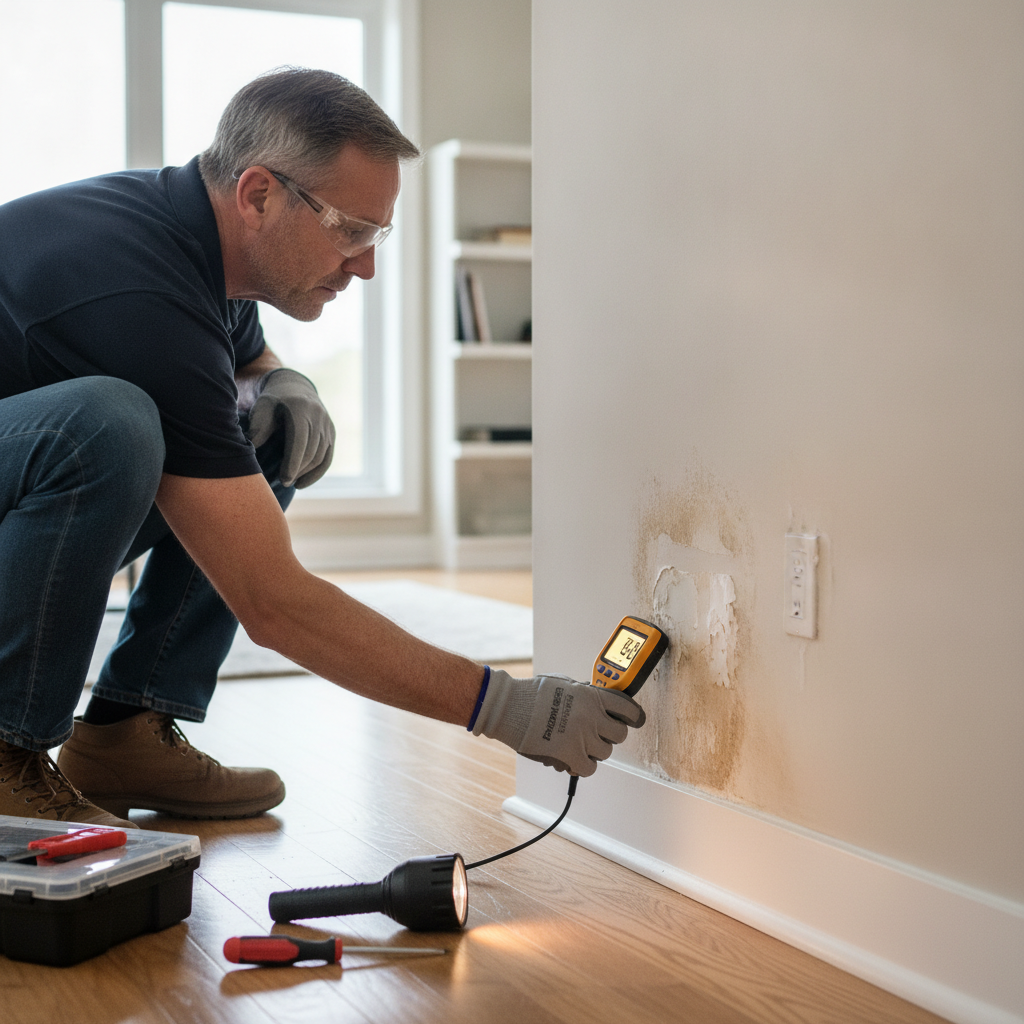
In commercial buildings, pay close attention to plumbing systems, HVAC units, and areas with high humidity, such as restrooms and kitchens. Even a small leak behind a wall can cause extensive damage over time. Use a moisture meter to check suspicious areas, and don’t hesitate to call in professionals if you suspect a problem. Early intervention can prevent minor issues from turning into major repairs.
To learn more about protecting your property and the services available locally, visit our site for expert advice and support tailored to the needs of this city and its residents.
Detecting Hidden Water Damage in Bloomfield Hills, Michigan
Detecting hidden water damage in Bloomfield Hills, Michigan, requires a combination of vigilance, knowledge, and the right tools. The local climate, with its humid summers and freezing winters, can exacerbate small leaks and moisture problems. Regular inspections are essential, especially in older buildings or properties with a history of water issues.
One effective method is to use infrared cameras or thermal imaging devices, which can reveal temperature differences behind walls and ceilings that may indicate moisture. Moisture meters are also invaluable for pinpointing damp spots that aren’t visible to the naked eye. Pay attention to changes in your property’s appearance, such as bubbling paint, warped wood, or unexplained rust on metal fixtures. These can all be signs that water is present where it shouldn’t be.
Listen for unusual sounds, like dripping or running water, especially in quiet areas. Sometimes, the only clue is a faint sound behind a wall or under the floor. If you discover mold, don’t just clean it and move on, find the source of the moisture and address it directly to prevent recurring problems.
If you need professional help with Hidden Water Damage in Bloomfield Hills, trusted local companies offer comprehensive inspections and remediation services to safeguard your investment.
Common Causes of Hidden Water Damage in Properties
Understanding what causes hidden water damage is the first step to prevention. In both residential and commercial properties, several factors can contribute to moisture problems that remain out of sight. Plumbing leaks are among the most common culprits, especially in older buildings where pipes may be corroded or joints have weakened over time. Even a slow drip behind a wall can lead to significant damage if left unchecked.
Roof leaks are another frequent cause, particularly after storms or when gutters and downspouts are clogged. Water can seep through damaged shingles, flashing, or underlayment, making its way into attics and upper floors. Poor drainage around the foundation can also allow water to infiltrate basements and crawl spaces, leading to structural issues and mold growth.
In commercial settings, HVAC systems can contribute to hidden water damage if condensate lines become blocked or if units are not properly maintained. Appliances like dishwashers, washing machines, and water heaters are also potential sources of leaks. Regular maintenance and prompt repairs are essential to minimize the risk.
For a map of trusted service providers and resources in the neighborhood, check out Bloomfield Construction for local expertise and support.
Subtle Signs of Hidden Water Damage
Not all water damage is immediately obvious. In fact, some of the most damaging moisture problems are those that develop slowly and quietly. Recognizing the subtle signs of hidden water damage can save you from expensive repairs and protect your property’s value. One of the first clues is a persistent musty or earthy odor, which often indicates mold or mildew growth behind walls or under floors. Even if you can’t see visible mold, the smell alone should prompt further investigation.
Other subtle indicators include small stains or discoloration on ceilings, walls, or floors. These marks may appear yellow, brown, or even greenish, and often grow larger over time. Warping, buckling, or soft spots in flooring are also red flags, as water can cause wood and laminate to swell and deteriorate. Peeling paint or wallpaper, especially near windows and doors, suggests that moisture is trapped beneath the surface.
Listen for unexplained sounds like dripping, trickling, or the faint hum of running water. Sometimes, the only sign is a slight increase in your water bill, indicating a hidden leak. If you notice any of these symptoms, it’s important to act quickly to prevent further damage and protect your investment.
Health Risks Associated with Hidden Water Damage
Hidden water damage isn’t just a threat to your property, it can also pose serious health risks to occupants. When moisture accumulates in concealed spaces, it creates the perfect environment for mold and bacteria to thrive. Mold spores can become airborne and spread throughout the building, triggering allergic reactions, asthma attacks, and other respiratory issues. Young children, the elderly, and those with compromised immune systems are especially vulnerable to these health hazards.
In addition to mold, hidden water damage can lead to the growth of harmful bacteria and even attract pests like termites and rodents. These pests are drawn to damp environments and can cause further structural damage while introducing additional health risks. Prolonged exposure to damp conditions can also degrade indoor air quality, leading to headaches, fatigue, and other symptoms.
To protect your health and well-being, it’s crucial to address hidden water damage as soon as it’s detected. Regular inspections, prompt repairs, and professional remediation are the best ways to ensure a safe and healthy environment for everyone in your building.
How to Prevent Hidden Water Damage
Prevention is always better than cure when it comes to hidden water damage. By taking proactive steps, you can significantly reduce the risk of costly repairs and protect your property’s value. Start by scheduling regular inspections of your plumbing, roof, and foundation. Look for signs of wear and tear, and address any issues immediately before they escalate.
Ensure that gutters and downspouts are clear of debris and direct water away from the foundation. Install water leak detectors in vulnerable areas, such as basements, laundry rooms, and under sinks. These devices can alert you to leaks before they cause significant damage. Maintain proper ventilation in bathrooms, kitchens, and other high-humidity areas to prevent condensation and mold growth.
Educate everyone in your building about the signs of hidden water damage and encourage prompt reporting of any concerns. By fostering a culture of vigilance and maintenance, you can keep your property safe and dry for years to come.
Professional Tools and Techniques for Detection
While visual inspections are important, professional tools and techniques can provide a more thorough assessment of hidden water damage. Moisture meters, thermal imaging cameras, and hygrometers are commonly used by experts to detect moisture behind walls, under floors, and in ceilings. These devices can identify problem areas that aren’t visible to the naked eye, allowing for targeted repairs and remediation.
Infrared cameras, for example, detect temperature variations that may indicate the presence of water. Moisture meters measure the amount of water in building materials, helping to pinpoint leaks and damp spots. Professional inspectors may also use borescopes, small cameras that can be inserted into walls or ceilings, to visually confirm the extent of the damage.
If you suspect hidden water damage, it’s wise to consult with a qualified professional who has the right tools and experience. Early detection and intervention can prevent minor issues from becoming major headaches, saving you time and money in the long run.
Table: Common Signs and Locations of Hidden Water Damage
| Sign | Possible Location | Potential Cause |
|---|---|---|
| Musty Odor | Basements, crawl spaces, behind walls | Mold or mildew growth |
| Discoloration/Stains | Ceilings, walls, floors | Leaking pipes, roof leaks |
| Warped Flooring | Kitchens, bathrooms, basements | Plumbing leaks, poor drainage |
| Peeling Paint/Wallpaper | Around windows, doors, walls | Condensation, moisture intrusion |
| Increased Water Bill | Throughout property | Hidden plumbing leaks |
When to Call a Professional for Hidden Water Damage
While some minor water issues can be addressed with DIY solutions, hidden water damage often requires professional intervention. If you notice persistent signs like musty odors, recurring stains, or unexplained spikes in your water bill, it’s time to call in the experts. Professionals have specialized tools and the experience needed to identify the source of the problem, assess the extent of the damage, and recommend the best course of action.
Attempting to fix hidden water damage without the proper knowledge can lead to incomplete repairs and ongoing issues. In some cases, insurance companies may require documentation from a licensed professional before approving claims for water damage. Don’t take chances with your property’s safety and value, seek expert help when in doubt.
Many local companies offer free or low-cost inspections, making it easy to get a professional opinion without breaking the bank. Acting quickly can mean the difference between a simple fix and a major renovation.
Mitigation and Restoration Strategies
Once hidden water damage is discovered, it’s essential to act fast to mitigate further harm and begin restoration. The first step is to identify and stop the source of the water. This may involve shutting off the main water supply, repairing leaks, or addressing roof and drainage issues. Next, remove any standing water and dry affected areas using fans, dehumidifiers, and professional-grade drying equipment.
Damaged materials, such as drywall, insulation, or flooring, may need to be removed and replaced to prevent mold growth and structural problems. Cleaning and disinfecting affected areas is crucial to eliminate bacteria and mold spores. Restoration professionals can also help with odor removal and air quality improvement, ensuring your property is safe and comfortable.
Document all damage and repairs for insurance purposes, and consider upgrading vulnerable areas with water-resistant materials to prevent future issues. With the right approach, you can restore your property to its original condition and safeguard it against future water damage.
The Bottom Line
Hidden water damage is a serious concern for property owners, but with the right knowledge and vigilance, it can be managed and prevented. By understanding the signs, causes, and risks associated with hidden water damage, you can take proactive steps to protect your investment and ensure a safe, healthy environment for everyone in your building. Regular inspections, prompt repairs, and professional support are your best defenses against this silent threat. Stay alert, act quickly at the first sign of trouble, and don’t hesitate to seek expert help when needed. With these strategies in place, you can keep your property dry, secure, and free from the costly consequences of hidden water damage.