Water damage can strike without warning, leaving property owners facing costly repairs and uncertainty about the safety of their buildings. Whether you’re a small business owner, a developer, or a resident in this community, understanding what happens during a water damage inspection is crucial for protecting your investment. A comprehensive water damage inspection not only identifies visible damage but also uncovers hidden issues that could lead to long-term problems like mold, structural deterioration, or electrical hazards. Knowing what to expect during this process can help you make informed decisions, ensure a thorough assessment, and speed up recovery. In this guide, we’ll walk you through every step of a professional water damage inspection, explain why it’s so essential, and share tips to help you prepare for the process. By the end, you’ll feel confident about what to expect and how to take action if water damage ever affects your property.
Water Damage Inspection in Bloomfield Hills
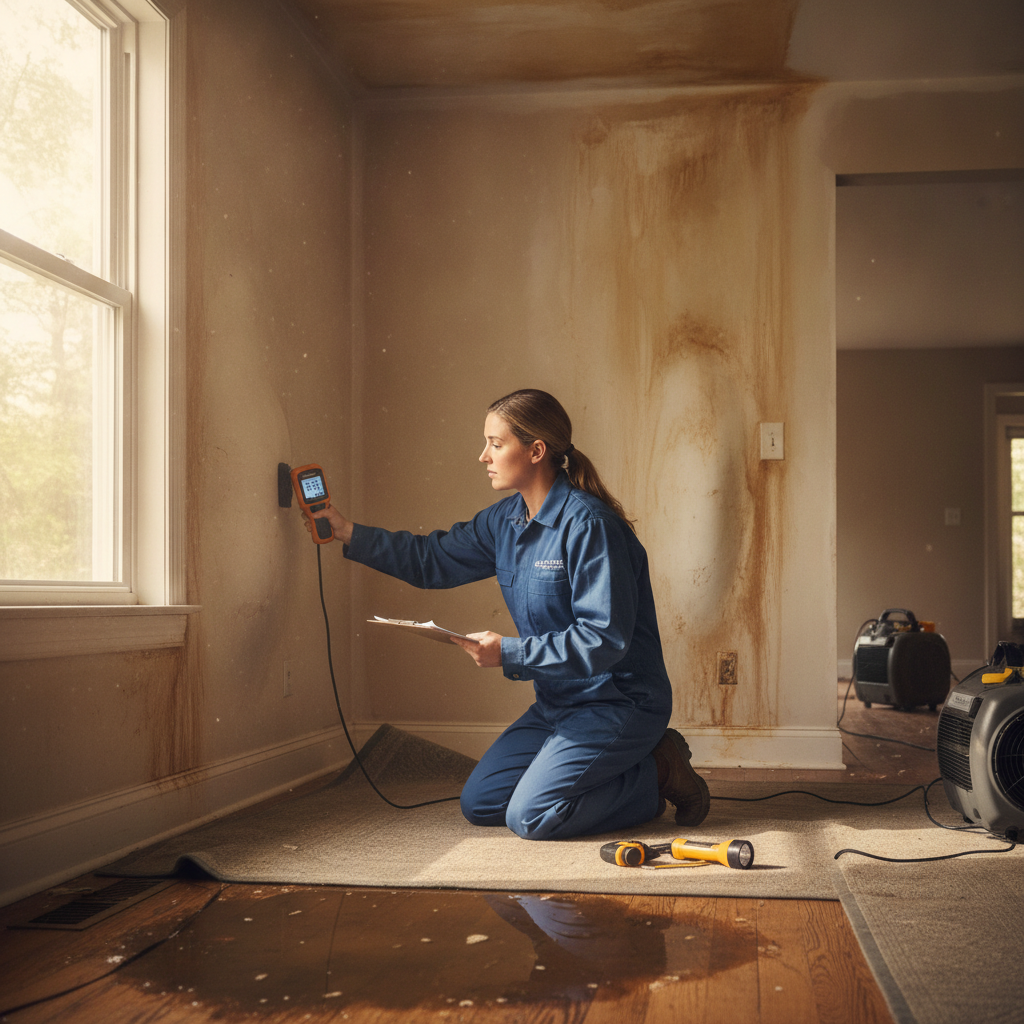
When it comes to safeguarding your property, a water damage inspection is one of the most important steps you can take. In the area, unpredictable weather, aging infrastructure, and seasonal changes make both residential and commercial buildings susceptible to water intrusion. A water damage inspection is a detailed process that evaluates the extent of water infiltration, the condition of building materials, and the presence of potential hazards like mold or compromised electrical systems. During an inspection, professionals use specialized tools such as moisture meters, infrared cameras, and hygrometers to detect water in places you may not see. This thorough approach ensures that even hidden pockets of moisture are identified and addressed before they cause further harm.
For small business owners, the stakes are high. Water damage can disrupt operations, damage inventory, and even pose health risks to employees and customers. Developers and property managers also rely on water damage inspections to protect investments, comply with safety regulations, and maintain property value. The inspection process typically begins with a visual assessment, followed by the use of diagnostic equipment to check walls, floors, ceilings, and HVAC systems. Inspectors will also look for signs of mold growth, musty odors, and staining, which can indicate ongoing or previous water issues.
If you’re preparing for a water damage inspection, it’s helpful to clear access to affected areas and gather any relevant documentation, such as maintenance records or insurance policies. This can expedite the process and ensure inspectors have all the information they need. For more details about scheduling an inspection or to learn how to protect your property from water damage, visit our site for expert guidance and resources.
Water Damage Inspection in Bloomfield Hills, MI
A water damage inspection in Bloomfield Hills, MI, is a multi-step process designed to ensure that no aspect of water intrusion is overlooked. Inspectors start by gathering information about recent weather events, plumbing issues, or previous leaks. This background helps them focus their inspection on areas most at risk. The next step is a room-by-room evaluation, where inspectors look for visible signs of water damage such as bubbling paint, warped flooring, or water stains on ceilings. However, the real value of a professional inspection lies in the use of advanced technology. Moisture meters can detect dampness behind walls, while infrared cameras reveal temperature differences that may indicate hidden moisture.
Inspectors also assess structural components, including foundations, basements, and crawl spaces, which are particularly vulnerable to water intrusion. In commercial properties, inspections may include checking HVAC systems, electrical panels, and storage areas. Mold assessment is another critical component, as mold can develop within 24 to 48 hours of water exposure and pose serious health risks. Inspectors will check for visible mold and take air or surface samples if necessary.
The inspection concludes with a detailed report outlining findings, recommended remediation steps, and preventive measures. If you suspect water damage or want to schedule a flood damage assessment, acting quickly can minimize costs and prevent further damage. Early intervention is key to maintaining a safe and healthy environment in your property.
Water Damage Inspection in Bloomfield Hills Michigan
In Bloomfield Hills Michigan, water damage inspections are tailored to address the unique challenges of the local climate and infrastructure. Inspectors are trained to recognize the signs of water damage that are common in this region, such as basement flooding after heavy rains or leaks caused by ice dams in winter. The inspection process is methodical, beginning with a walkthrough to identify problem areas and continuing with the use of diagnostic tools to pinpoint hidden moisture.
One of the most important aspects of a water damage inspection is communication. Inspectors will explain their findings in clear, understandable terms and provide actionable recommendations. This empowers property owners to make informed decisions about repairs, remediation, and future prevention. In addition, inspectors can help you navigate insurance claims by documenting damage and providing reports that meet industry standards.
For those seeking trusted professionals in the region, Bloomfield Construction is a recognized name with a track record of thorough inspections and quality service. Choosing a reputable local company ensures that your water damage inspection is both comprehensive and tailored to the specific needs of this city and its residents.
Why a Water Damage Inspection Matters
A water damage inspection is more than just a checklist, it’s a vital step in protecting your property’s value and the health of its occupants. Water damage can be deceptive, often lurking behind walls, under floors, or above ceilings. Left unchecked, even minor leaks can escalate into major problems, including structural decay, toxic mold growth, and electrical hazards. An inspection uncovers both obvious and hidden threats, allowing for targeted remediation before issues become costly or dangerous.
For business owners, an inspection can mean the difference between a quick recovery and prolonged downtime. It helps you identify at-risk areas, prioritize repairs, and implement preventive measures. Developers and property managers benefit by maintaining compliance with safety codes and avoiding liability issues. Even homeowners gain peace of mind knowing their living spaces are safe and sound.
In summary, a water damage inspection is an investment in your property’s future. It’s a proactive measure that saves money, prevents health risks, and ensures a safe environment for everyone who enters your building.
Common Causes of Water Damage
Understanding the sources of water damage can help you prevent future incidents and know what to look for during an inspection. The most frequent causes include severe weather events like heavy rain or snowmelt, plumbing failures such as burst pipes or leaking appliances, and roof leaks caused by damaged shingles or flashing. In older buildings, aging plumbing and foundation cracks are common culprits. Poor drainage around the property can also lead to basement flooding and water intrusion.
Commercial properties face additional risks, including sprinkler system malfunctions, HVAC leaks, and issues with flat roofing systems. Identifying the root cause is a key part of any water damage inspection, as it informs the remediation strategy and helps prevent recurrence. By staying vigilant and addressing maintenance issues promptly, property owners can minimize the risk of water damage and protect their investments.
- Heavy rainfall and flooding
- Burst or leaking pipes
- Roof leaks and ice dams
- Faulty appliances (dishwashers, water heaters, etc.)
- Foundation cracks
- HVAC and sprinkler system failures
The Water Damage Inspection Process Step by Step
A thorough water damage inspection follows a structured process to ensure every potential issue is addressed. Here’s what you can expect during a professional inspection:
- Initial Consultation: Inspectors gather information about the property, recent events, and areas of concern.
- Visual Assessment: A walk-through to identify visible signs of water damage, such as stains, warping, or mold.
- Moisture Detection: Use of moisture meters and infrared cameras to locate hidden dampness behind walls, under floors, or in ceilings.
- Structural Evaluation: Checking foundations, basements, crawl spaces, and attics for integrity and signs of water intrusion.
- Mold Assessment: Looking for visible mold and, if necessary, collecting samples for lab analysis.
- Documentation: Detailed notes, photographs, and measurements are recorded for the inspection report.
- Recommendations: Inspectors provide a summary of findings and suggest remediation or repairs as needed.
This systematic approach ensures that nothing is overlooked and that property owners receive a clear action plan for addressing any issues discovered during the water damage inspection.
Key Tools Used in Water Damage Inspections
Professional inspectors rely on a range of specialized tools to conduct a thorough water damage inspection. These tools help detect moisture that isn’t visible to the naked eye and ensure that all affected areas are identified. Some of the most commonly used equipment includes:
- Moisture Meters: Measure the moisture content in building materials like drywall, wood, and concrete.
- Infrared Cameras: Detect temperature differences that indicate hidden moisture or leaks.
- Hygrometers: Measure humidity levels in the air, which can signal excess moisture.
- Borescopes: Small cameras that inspect inside walls or tight spaces.
- Thermal Imaging: Provides a visual map of temperature variations to locate water intrusion.
These tools, combined with the expertise of trained inspectors, make the water damage inspection process highly effective at identifying both obvious and hidden issues.
Typical Findings During a Water Damage Inspection
A water damage inspection can reveal a variety of issues, some of which may not be immediately apparent. Common findings include:
- Hidden moisture behind walls or under flooring
- Mold growth in damp or poorly ventilated areas
- Structural damage to wood framing, drywall, or concrete
- Warped, stained, or buckling floors and ceilings
- Corroded or damaged plumbing and electrical systems
- Musty odors indicating ongoing moisture problems
Each of these findings requires a tailored remediation approach. The inspection report will detail the severity of the issues, recommend steps for repair, and suggest preventive measures to avoid recurrence. Addressing these problems promptly can save time, money, and stress in the long run.
Sample Water Damage Inspection Checklist
| Inspection Area | What to Check |
|---|---|
| Basement/Crawl Space | Moisture, mold, foundation cracks, sump pump operation |
| Walls & Ceilings | Stains, bubbling paint, soft spots, hidden moisture |
| Floors | Warping, buckling, discoloration, dampness |
| Plumbing | Leaks, corrosion, water pressure, pipe insulation |
| HVAC Systems | Condensation, leaks, drainage, filter condition |
| Roof & Attic | Leaks, insulation, ventilation, ice dams |
| Exterior Drainage | Gutters, downspouts, grading, water pooling |
Use this checklist as a reference to understand what inspectors look for during a water damage inspection. It can also help you perform your own preliminary assessment before calling in the professionals.
How to Prepare for a Water Damage Inspection
Preparation can make your water damage inspection smoother and more effective. Start by clearing access to all affected areas, including basements, utility rooms, and attics. Remove furniture or stored items that might obstruct the inspector’s view. Gather any relevant documents, such as maintenance logs, previous inspection reports, or insurance policies. If you’ve noticed specific issues, like recurring leaks, musty odors, or visible mold, make a list to share with the inspector.
It’s also helpful to note the timeline of any water-related events, such as when a leak was first discovered or when repairs were made. This information helps inspectors pinpoint the source and extent of damage. If possible, take photos of affected areas before the inspection. These can be useful for insurance claims or future reference.
By taking these simple steps, you’ll ensure that the water damage inspection is thorough, efficient, and provides the best possible outcome for your property.
What Happens After the Inspection
Once the water damage inspection is complete, you’ll receive a detailed report outlining the findings. This report will include photographs, moisture readings, and a summary of affected areas. Inspectors will also provide recommendations for remediation, which may involve drying out wet areas, removing damaged materials, or treating mold. In some cases, further testing or specialist referrals may be suggested.
Property owners should review the report carefully and discuss any questions with the inspector. If remediation is needed, acting quickly is essential to prevent further damage and protect occupants’ health. The report can also be used to support insurance claims, document repairs, and plan future maintenance.
Remember, a water damage inspection is the first step toward restoring your property and ensuring its long-term safety and value.
Key Takeaways
A water damage inspection is a critical process for anyone concerned about the integrity and safety of their property. It goes beyond surface-level checks to uncover hidden threats and provides actionable insights for remediation and prevention. By understanding what to expect during a water damage inspection, you can better prepare, ask the right questions, and ensure a thorough evaluation of your property. Whether you’re a business owner, developer, or homeowner in the region, investing in a professional inspection is a wise decision that pays dividends in peace of mind and long-term savings. Stay proactive, address issues promptly, and rely on trusted local experts to protect your investment for years to come.