The aftermath of a fire can be overwhelming for any property owner, especially in a community where safety and appearance matter. One of the most persistent challenges is dealing with ash residue, which clings to surfaces long after the flames are extinguished. For those seeking Fire Damage Restoration Bloomfield Hills services, understanding how ash affects various materials is essential for making informed decisions about cleanup and recovery. Ash is more than just a powdery nuisance, it can cause lasting damage, impact air quality, and complicate restoration efforts if not handled promptly and professionally. In this article, we’ll explore the science behind ash residue, its effects on different surfaces, and why a thorough approach to restoration is crucial for both business owners and residents. Whether you’re facing minor soot or a major blaze, knowing what to expect can help you protect your investment and restore your property to its best condition.
Understanding Ash Residue After a Fire
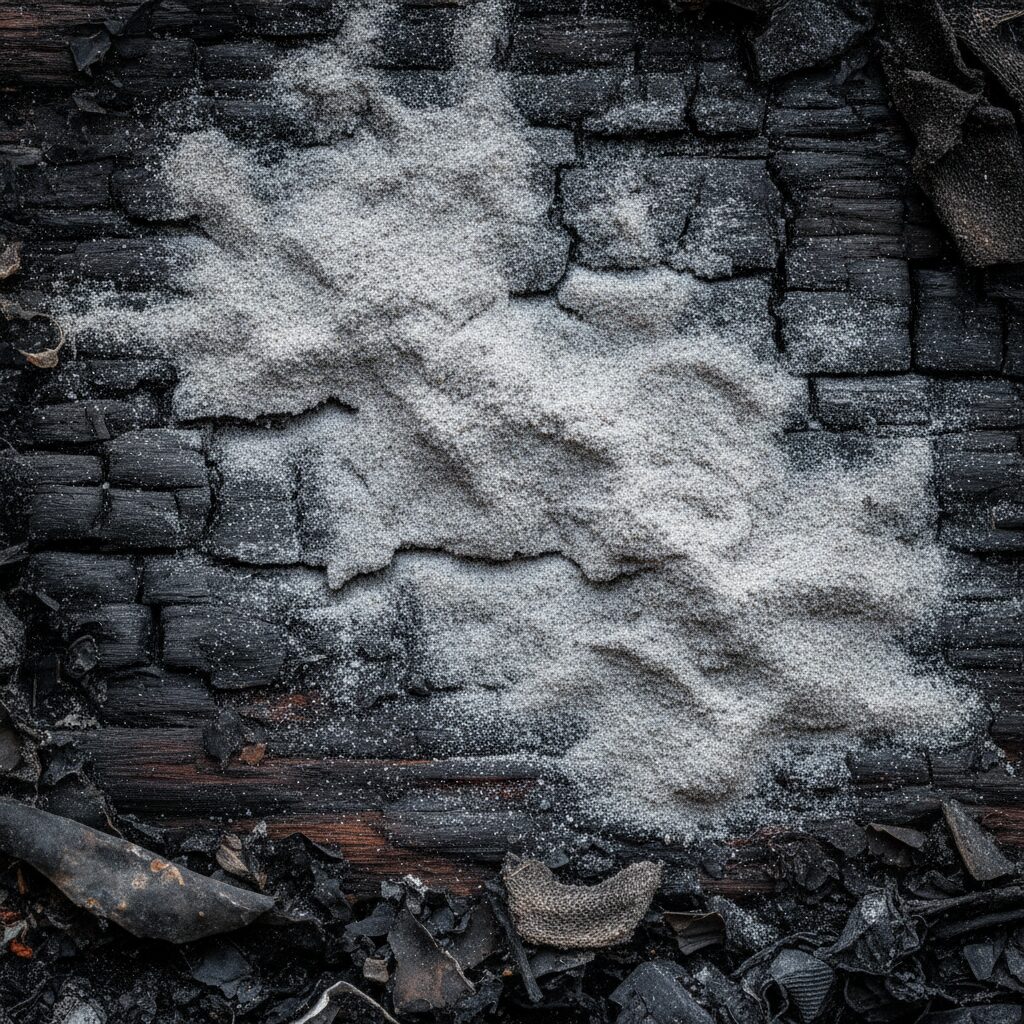
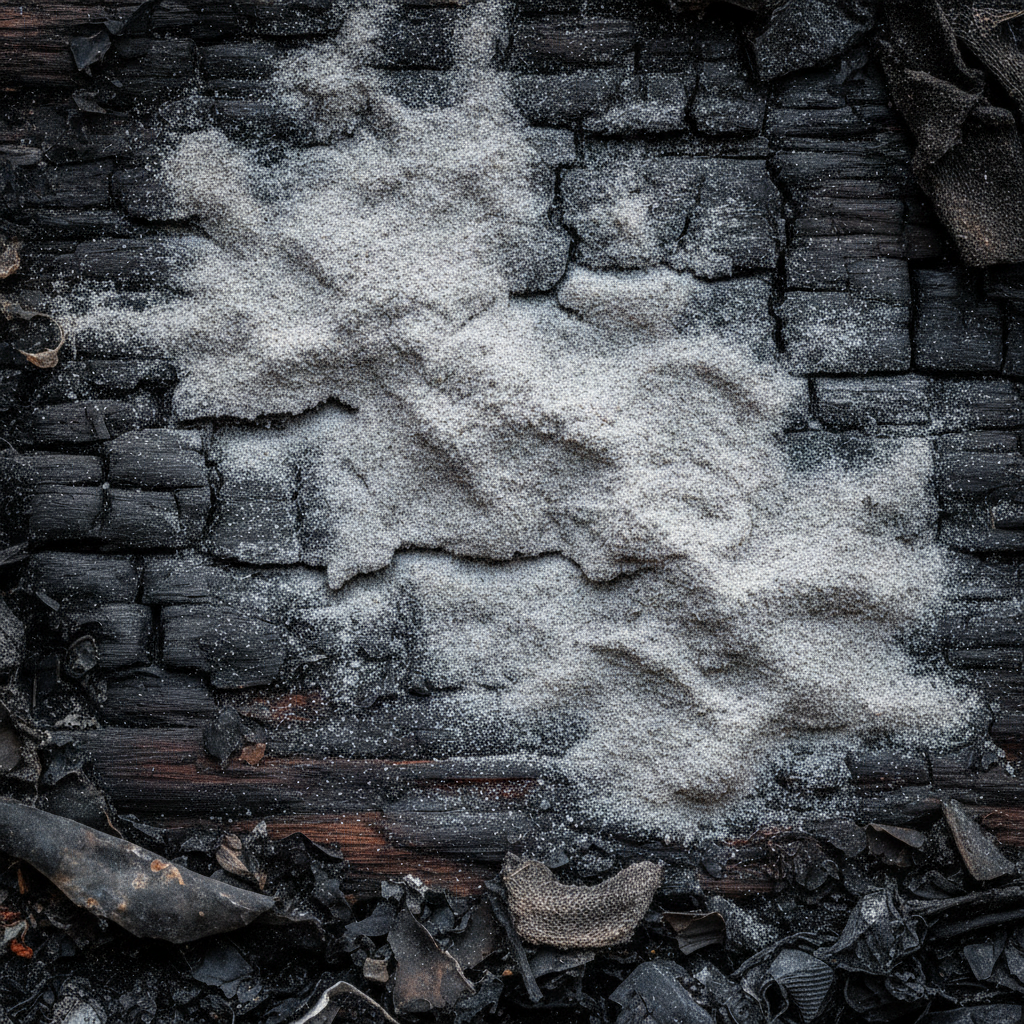
Ash residue is a complex mixture of fine particles left behind after materials combust. It’s not just the remnants of burnt wood or paper; it often contains chemicals, metals, and other byproducts depending on what burned. This residue can settle on every surface, from ceilings and walls to electronics and fabrics. The fine, powdery nature of ash allows it to infiltrate even the smallest crevices, making it difficult to remove without specialized equipment. For property owners in the area, recognizing the unique challenges posed by ash is the first step toward effective recovery. Professional Fire Damage Restoration Bloomfield Hills services are often necessary to address both the visible and invisible impacts of ash, ensuring a safe and thorough cleanup process.
How Ash Reacts with Common Building Materials
Ash residue doesn’t affect all surfaces equally. When it lands on porous materials like drywall or unfinished wood, it can seep deep inside, making stains and odors difficult to remove. On non-porous surfaces such as metal or glass, ash may sit on top but can still cause corrosion or etching if left untreated. The chemical composition of ash, which may include acids and salts, can accelerate deterioration, especially when combined with moisture from firefighting efforts or humidity. This is why immediate action is critical. Restoration professionals, such as Bloomfield Construction, use tailored cleaning methods for each material, ensuring that both the surface and any underlying damage are addressed to prevent long-term issues.
The Impact of Ash on Indoor Air Quality
One of the most overlooked consequences of ash residue is its effect on indoor air quality. Fine ash particles can become airborne with even minor disturbances, leading to respiratory issues for building occupants. This is especially concerning for children, the elderly, and anyone with pre-existing conditions like asthma. Air conditioning and ventilation systems can spread ash throughout a property, making cleanup more complicated. Professional remediation teams use HEPA-filtered vacuums and air scrubbers to capture these particles, reducing health risks. For those seeking ash residue cleanup services, it’s important to choose experts who understand the importance of air quality and have the right equipment to restore a safe environment.
Long-Term Effects of Ash on Surfaces
Leaving ash residue untreated can have significant long-term consequences for a property. Over time, ash can cause discoloration, corrosion, and persistent odors that are difficult to eliminate. On surfaces like flooring, cabinetry, and countertops, ash may cause staining or even degrade finishes, leading to costly repairs down the line. In some cases, the chemical reactions between ash and surface materials can weaken structural elements, especially if moisture is present. Timely intervention is crucial to prevent these outcomes. For property owners, understanding the potential for hidden damage underscores the value of comprehensive restoration services. Resources like Storm Damage Roof Repair: What Bloomfield Hills Homeowners Should Know can also provide additional insights into protecting your investment from related hazards.
Why Prompt Cleanup Matters for Recovery
Speed is a critical factor when dealing with ash residue. The longer ash sits on surfaces, the more likely it is to cause permanent damage or become embedded in materials. Immediate action can help prevent secondary problems like mold growth, corrosion, or lingering odors. Professional restoration teams are trained to assess the extent of ash contamination and deploy appropriate cleaning techniques quickly. Prompt cleanup also minimizes downtime for businesses and reduces the risk of health issues for occupants. For more on why timely response is essential, see Why Category 1, 2, and 3 Water Damage Matters for Bloomfield Hills Cleanup. Acting fast not only protects your property but also supports a smoother, more cost-effective recovery process.
Ash Residue and Sensitive Electronics
Electronics are particularly vulnerable to ash residue after a fire. The fine particles can infiltrate devices, causing short circuits, corrosion, or even permanent failure. Even devices that appear undamaged on the outside may have internal contamination that leads to malfunctions over time. For business owners, this can mean costly replacements or data loss. Restoration experts recommend unplugging all electronics immediately after a fire and avoiding attempts to clean them with household products. Specialized cleaning and assessment are necessary to determine what can be salvaged. In many cases, professional restoration can recover valuable equipment, but acting quickly is key to minimizing losses and ensuring safety.
Protecting Fabrics and Upholstery from Ash Damage
Fabrics, carpets, and upholstery are highly susceptible to ash residue. The tiny particles can settle deep within fibers, making them challenging to remove with regular vacuuming or cleaning. Ash can cause discoloration, lingering odors, and even weaken the material over time. Professional cleaning methods, such as hot water extraction and ozone treatments, are often required to fully restore soft furnishings. Property owners should avoid using water or scrubbing, as this can set stains or spread the residue further. Instead, consult with restoration specialists who have experience treating textiles after a fire. Their expertise can help salvage valuable items and improve the overall indoor environment.
The Role of Moisture in Ash-Related Damage
Moisture is a critical factor that can worsen the effects of ash residue. When ash mixes with water, whether from firefighting efforts, cleaning attempts, or humidity, it can create a highly corrosive paste. This mixture can etch glass, tarnish metals, and cause stains that are difficult to remove from masonry or tile. In addition, moisture can help ash penetrate deeper into porous materials, increasing the risk of mold growth and structural damage. Restoration professionals use moisture meters and dehumidifiers to control humidity levels during cleanup, ensuring that surfaces are thoroughly dried before further treatment. This careful approach helps prevent additional complications and supports a successful restoration.
Comparing DIY and Professional Ash Cleanup
While it may be tempting to tackle ash cleanup on your own, there are significant differences between DIY efforts and professional restoration. Household vacuums and cleaning products are often ineffective at removing fine ash and can even spread it further. Professionals use specialized equipment, such as HEPA vacuums and air scrubbers, to safely capture and remove particles. They also have the expertise to assess hidden damage and select the right cleaning agents for each material. Attempting to clean up ash without proper training can result in incomplete removal, persistent odors, or even health risks. For most property owners, investing in professional services is the safest and most effective way to restore a fire-damaged space.
Table: Common Surfaces and Their Vulnerability to Ash
| Surface Type | Vulnerability to Ash | Recommended Action |
|---|---|---|
| Drywall | High (porous, absorbs ash) | Professional cleaning, possible replacement |
| Metal | Moderate (corrosion risk) | Prompt cleaning, anti-corrosion treatment |
| Glass | Moderate (etching possible) | Gentle cleaning with approved agents |
| Fabric/Upholstery | High (traps ash, odors) | Professional textile cleaning |
| Electronics | High (internal contamination) | Specialized restoration, assessment |
Insurance Considerations for Ash Residue Cleanup
Navigating insurance claims after a fire can be challenging, especially when it comes to ash residue. Many policies cover fire and smoke damage, but the specifics of ash cleanup may vary. It’s important to document all affected areas with photos and detailed notes before beginning restoration. Keep records of professional assessments and cleaning invoices, as these can support your claim. Some insurers require proof that proper cleanup methods were used to prevent further damage. Consulting with a restoration company experienced in working with insurance providers can streamline the process and help maximize your coverage. Always review your policy details and ask questions to ensure you understand your responsibilities and entitlements regarding ash-related restoration.
Final Thoughts
Ash residue may seem like a minor issue compared to the devastation of a fire, but its impact on surfaces and indoor environments can be profound and long-lasting. From damaging building materials and electronics to affecting air quality and health, the risks associated with ash are numerous. Prompt, professional cleanup is the best way to safeguard your property and ensure a full recovery. For business owners, developers, and residents in this community, understanding the unique challenges of ash residue empowers you to make informed decisions and protect your investment. By acting quickly and choosing experienced restoration professionals, you can restore your space with confidence and move forward after a fire with peace of mind.