When your business or property faces roof issues, the stakes are high. A leaky or damaged roof can disrupt operations, threaten valuable assets, and even put safety at risk. For small business owners, developers, and residents in the area, knowing whether to patch a troubled roof or invest in a full replacement is a critical decision. The right choice can save money, prevent future headaches, and protect everything beneath your roof. Working with a trusted roofing company bloomfield hills is essential for making an informed decision. In this guide, we’ll break down the key factors, from the age and condition of your roof to the long-term benefits of each approach, so you can confidently choose the best path for your property.
Understanding Roof Damage Types
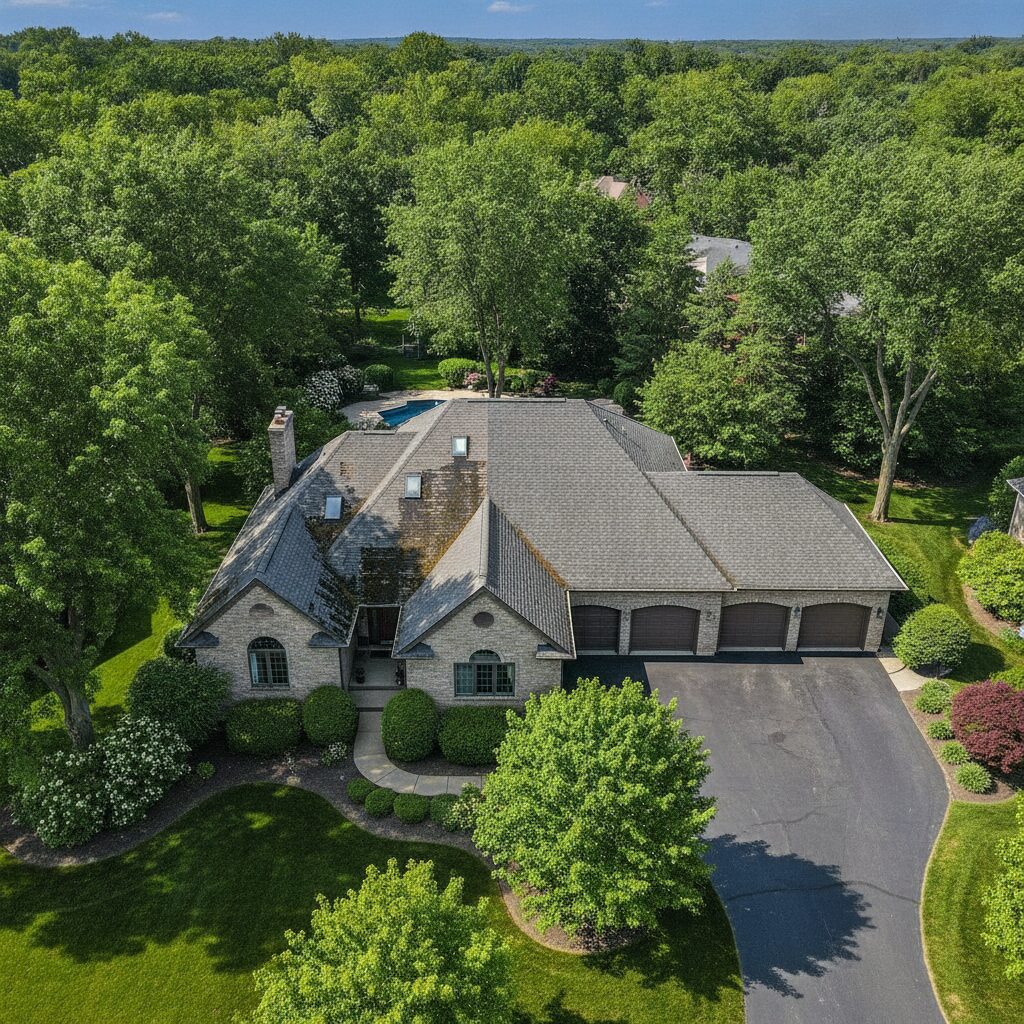
Roof problems come in many forms, from minor leaks to widespread deterioration. Recognizing the type of damage you’re facing is the first step in deciding between patching and replacement. Local buildings often experience issues like missing shingles, cracked flashing, ponding water, or sagging areas. Sometimes, damage is isolated and can be addressed with a targeted repair. Other times, underlying issues such as rot, mold, or structural weakness signal more extensive trouble. Consulting a professional for a thorough inspection ensures you don’t overlook signs that might require more than a simple patch. Early detection can prevent minor issues from escalating into major, costly repairs or even full roof failure.
When Roof Patching Makes Sense
Patching is often the most cost-effective solution when damage is localized and the rest of the roof is in good condition. For example, if a recent storm has dislodged a few shingles or caused a small leak, a targeted patch can restore integrity without the expense of a full replacement. Timely patching can extend the life of your roof, especially if the materials are still within their expected lifespan. However, it’s important to ensure that the underlying structure is sound and that patching won’t simply mask a deeper problem. For business owners, quick repairs mean less disruption and lower immediate costs, making patching a practical choice for minor, contained issues like those addressed in roof repair and replacement projects.
Signs It’s Time for Full Roof Replacement
There are clear indicators that a roof has reached the end of its service life. Widespread shingle loss, persistent leaks, visible sagging, and significant water damage are all red flags. If repairs have become frequent or if the roof is approaching the end of its warranty period, replacement may be the smarter investment. Aging roofs often develop hidden problems such as rot or insulation damage, which patching cannot resolve. A full replacement provides an opportunity to upgrade materials, improve energy efficiency, and ensure compliance with current building codes. Working with a reputable contractor like Bloomfield Construction ensures your new roof is built to last and tailored to your property’s needs.
Evaluating the Cost Differences
Cost is a major factor in the patch vs. replace debate. Patching is generally more affordable upfront, especially for small, isolated issues. However, repeated repairs can add up over time, and may not address root causes. Replacement has a higher initial price tag but often delivers better value in the long run, reducing the risk of future leaks and maintenance. Consider not only the material and labor costs but also potential business interruptions and the impact on property value. For example, water intrusion from roof leaks can lead to hidden expenses, such as those seen in Restoring Crawl Spaces After Water Intrusion in Bloomfield Hills. Weighing both immediate and future costs helps you make a financially sound decision.
How Roof Age and Material Influence Your Choice
The age of your roof and the materials used are critical in determining whether to patch or replace. Asphalt shingle roofs typically last 20-30 years, while metal or tile roofs can endure much longer. If your roof is relatively new and made from durable materials, patching may be sufficient. However, older roofs nearing the end of their lifespan are often better candidates for replacement. Material compatibility is also important, patching with mismatched materials can create weak spots. In some cases, the original roofing materials may no longer be available, complicating repairs. For properties that have experienced issues like Sump Pump Failure and Basement Flooding in Bloomfield Hills, underlying water damage may require a more comprehensive approach.
Assessing Structural Integrity Before Deciding
Before making any decision, it’s essential to assess the structural integrity of your roof. Even if surface damage appears minor, underlying issues such as weakened decking, compromised trusses, or hidden mold can threaten the entire structure. A thorough inspection by a qualified roofing professional will reveal whether patching is truly sufficient or if a full replacement is warranted. Ignoring structural problems can lead to safety risks and more expensive repairs down the line. For commercial properties, structural assessments are especially important to ensure compliance with safety regulations and to protect occupants. Investing in a detailed evaluation helps you avoid surprises and make the most cost-effective, long-term choice for your building.
Weather and Climate Considerations
The local climate plays a significant role in roof performance and longevity. The region experiences a range of weather conditions, from heavy snow and ice in winter to thunderstorms and high winds in summer. These factors can accelerate roof wear and lead to more frequent repairs. When deciding between patching and replacement, consider how well your current roof materials withstand local weather patterns. Some materials are better suited to resist moisture, temperature swings, and UV exposure. If your roof has suffered repeated weather-related damage, replacement with more resilient materials may provide better long-term protection. Proactive planning for climate challenges can save you money and stress in the future.
Impact on Property Value and Insurance
Your roof’s condition directly affects property value and insurance coverage. A well-maintained or recently replaced roof can boost curb appeal and attract buyers or tenants. Insurance companies may offer better rates or coverage for newer roofs, while properties with aging or damaged roofs could face higher premiums or limited coverage. When considering patching versus replacement, factor in how each option will influence your property’s marketability and insurability. In some cases, insurers may require a full replacement before renewing a policy. Investing in a new roof can also provide peace of mind, knowing that your property is protected and compliant with insurance requirements.
Sustainability and Energy Efficiency Factors
Modern roofing materials offer improved energy efficiency and sustainability compared to older options. If your current roof is outdated, replacing it with energy-efficient materials can lower heating and cooling costs, reduce your carbon footprint, and even qualify your property for green certifications. Reflective coatings, better insulation, and recycled materials are just a few of the innovations available today. While patching may be suitable for minor repairs, a full replacement allows you to upgrade to more sustainable solutions. For business owners, these improvements can translate into operational savings and enhanced reputation as an environmentally responsible organization.
Working with Local Roofing Professionals
Choosing the right contractor is as important as deciding between patching and replacement. Local roofing professionals understand the unique challenges of the area’s climate and building styles. They can provide tailored recommendations based on your property’s specific needs and ensure that all work meets local codes and standards. Look for contractors with a strong reputation, proper licensing, and experience with both commercial and residential projects. Transparent communication, detailed estimates, and clear timelines are signs of a reliable partner. By working with a trusted local expert, you can feel confident that your roof will be repaired or replaced with quality workmanship and materials.
Comparing Patching and Replacement at a Glance
| Factor | Patching | Full Replacement |
|---|---|---|
| Upfront Cost | Lower | Higher |
| Longevity | Short-term | Long-term |
| Scope | Localized | Entire Roof |
| Disruption | Minimal | Greater |
| Energy Efficiency | Limited | High Potential |
| Property Value | Little Impact | Increases |
Final Thoughts
Deciding between patching and a full roof replacement is never a one-size-fits-all situation. Each property, whether a small business or a residential home, has unique needs based on age, material, extent of damage, and future plans. By understanding the pros and cons of each approach, considering the local climate, and evaluating costs and long-term benefits, you can make a decision that protects your investment and ensures peace of mind. Consulting with experienced local professionals will help you weigh your options and choose the best solution for your property. Whether you opt for a quick patch or a complete overhaul, prioritizing quality and proactive maintenance will keep your roof performing for years to come.