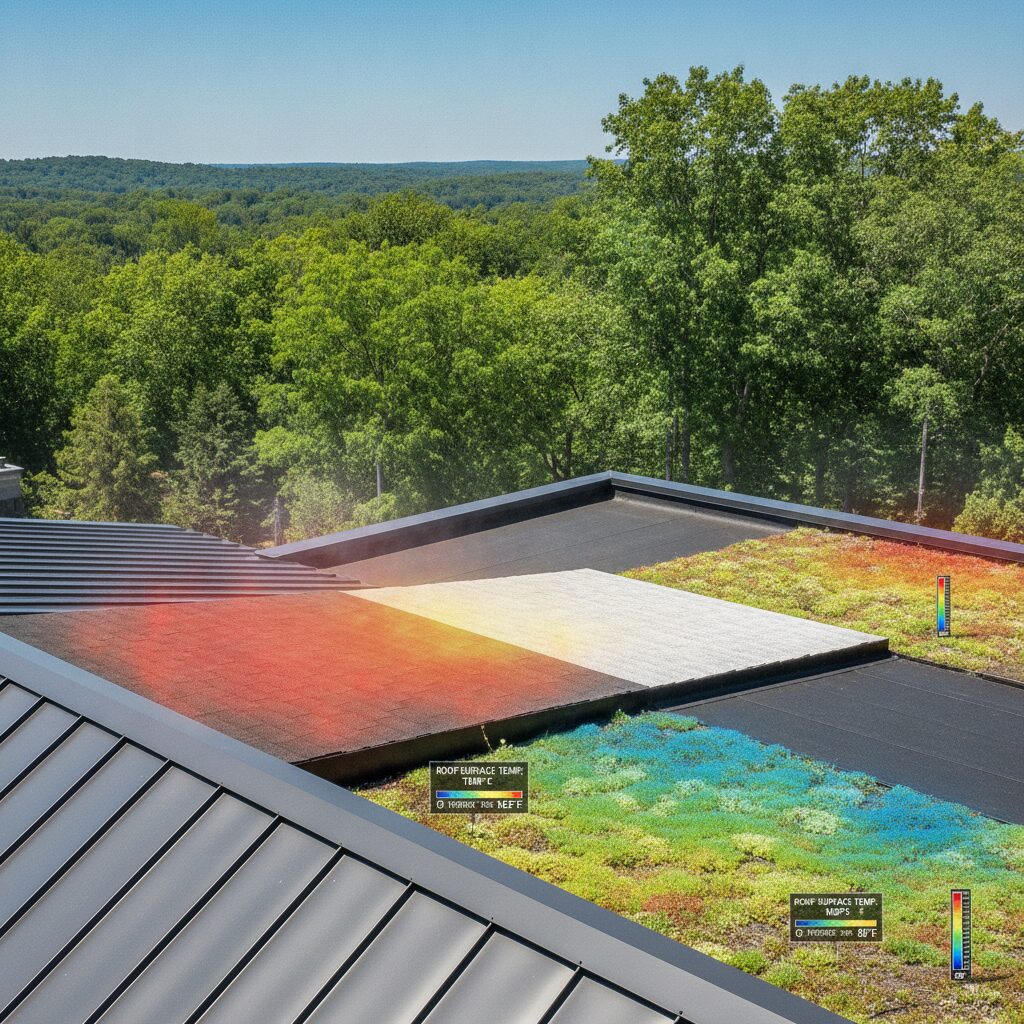
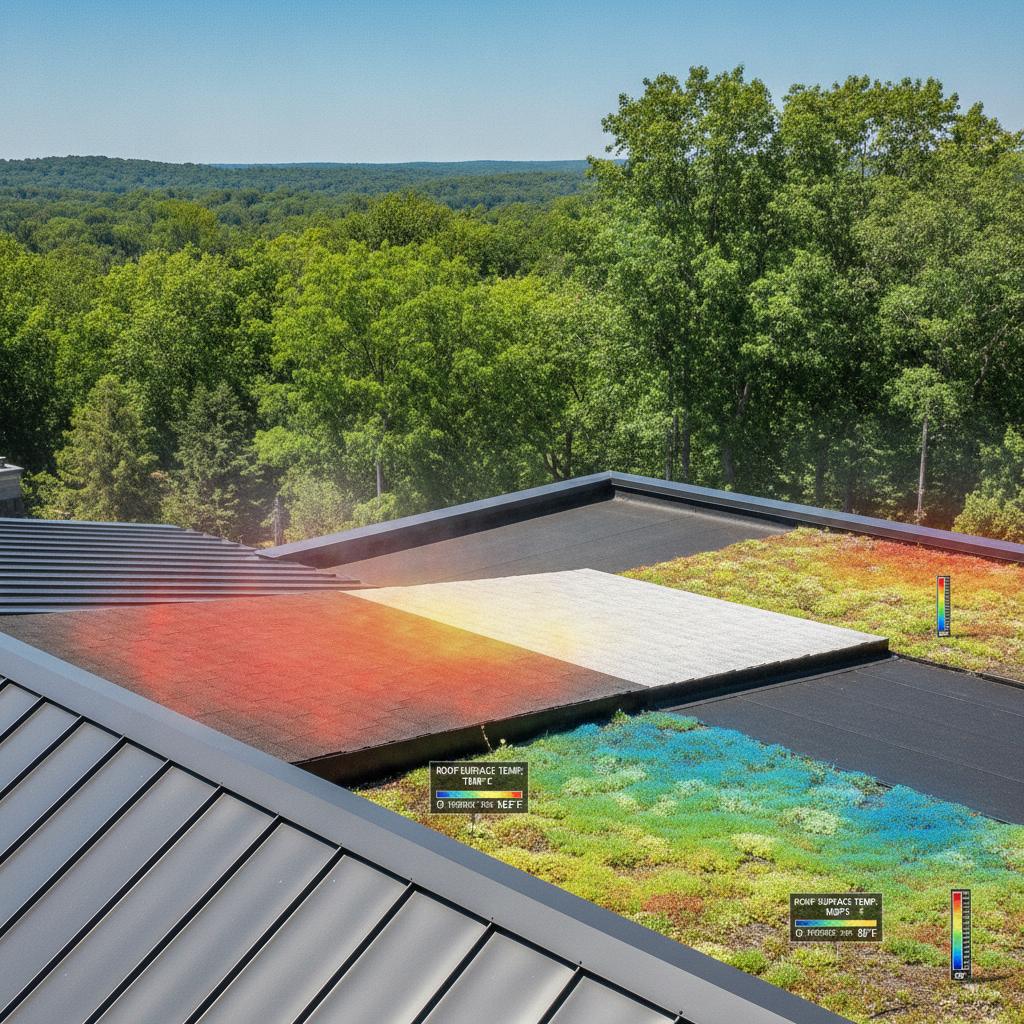
When people think about roof trouble in Michigan, they picture ice dams, heavy snow, and spring downpours. Summer rarely makes the list. Yet July and August quietly do some of the most lasting damage a roof will ever face. Surfaces that feel merely warm to the touch from the ground can climb to temperatures far above the air around them, and that stress builds day after day, season after season. Any experienced roofing contractor Bloomfield Hills homeowners trust will tell you that a roof does not fail in one dramatic moment. It fails in small, cumulative steps, and sustained heat is one of the biggest contributors.
This article looks at summer heat from a slightly different angle than the usual storm and leak conversation. Instead of focusing on emergencies, we will walk through how heat actually acts on roofing materials, what the early warning signs look like, how your attic and ventilation either protect or punish your roof, and which habits make the biggest difference. You will also find a quick comparison table of common materials and how they respond to high temperatures.
Whether you own a single family home, manage a small commercial building, or oversee a development, the goal is the same: understand the problem early, spend money in the right places, and avoid the expensive surprises that tend to arrive in the first heavy rain after a hot, stressful summer.
How Sustained Heat Ages Roofing Materials
Heat is not dramatic, which is exactly why it gets ignored. Roofing materials expand when they warm and contract when they cool, and in Michigan that cycle happens daily during summer and again across the dramatic temperature swings of spring and fall. Asphalt shingles, the most common covering in this region, contain oils that keep them flexible. Prolonged exposure slowly drives those oils out, leaving the surface brittle and more prone to cracking.
Ultraviolet radiation works alongside the heat. It breaks down the binders that hold protective granules in place, which is why you sometimes find a sandy residue in gutters after a hot stretch. Understanding this process is the first step in treating roof heat damage as a real maintenance category rather than an afterthought. A roof that has absorbed ten summers of intense sun simply behaves differently than one that is three years old, even if both look fine from the driveway.
Early Warning Signs Visible From the Ground
You do not need to climb a ladder to spot the first signals. A slow walk around the property with a pair of binoculars can reveal a surprising amount. Look for shingles whose corners have started to curl upward or whose centers have begun to dome. Both are classic signs that the material has dried out and lost its original shape.
Pay attention to color as well. Uneven fading, dark streaks, or patches that look noticeably lighter than the rest of the slope often point to granule loss. Check the downspout outlets after a rain, since a gritty accumulation there tells the same story from a different direction. Blistering, which appears as small raised bumps, is another heat related symptom. If you notice several of these signs at once, it is wise to bring in a roofing contractor Bloomfield Hills property owners rely on for a closer inspection before the next storm season arrives and turns a cosmetic issue into an interior problem.
Why Attic Temperature Changes Everything
A roof does not only get hot from the top. Heat radiates down into the attic, and without a way to escape it can push attic temperatures dramatically higher than the outdoor air. That trapped heat then cooks the underside of the roof deck, accelerating the aging of the shingles from below while they are also being attacked from above.
Poor ventilation also forces your air conditioning to work harder, since heat migrates into the living space below. Balanced intake and exhaust airflow is the cure. Soffit vents pull cooler air in along the eaves, while ridge or roof vents let hot air leave at the peak. When these are blocked by insulation, paint, or debris, the system stalls. Homeowners often assume ventilation is a winter concern tied to moisture, but its summer job of moving heat is just as important. A quick look at the attic on a hot afternoon, with a flashlight and a willingness to be uncomfortable for five minutes, can reveal whether air is actually moving.
How Different Roofing Materials Handle the Heat
No single roofing product is perfect for every property, and heat tolerance is one of several factors worth weighing. The table below offers a general comparison. Performance varies by manufacturer, installation quality, color, and ventilation, so treat it as a starting point for conversation rather than a final verdict.
| Material | Heat Behavior | Common Concern |
|---|---|---|
| Asphalt shingles | Absorbs heat, loses flexibility over time | Curling and granule loss |
| Metal panels | Reflects much of the sun, expands and contracts | Fastener loosening |
| Slate or tile | Very heat tolerant, heavy | Cracked pieces, underlayment aging |
| Flat membrane systems | Varies by color and coating | Seam stress and blistering |
The Quiet Role of Thermal Expansion
Every component on a roof moves a little when temperatures change. Flashing, vent boots, sealant beads, and fasteners all expand and shrink at different rates, and where two different materials meet, that mismatch creates tiny gaps over time. A hairline separation around a chimney or skylight rarely announces itself during a dry spell. It waits quietly for the next heavy rain.
This is why many leaks appear in autumn even though the real cause developed during summer. Sealants that have baked for months crack and pull away, and pipe boots made of rubber become hard and split. Catching these small failures during a routine inspection is far cheaper than discovering them through a stained ceiling. Think of heat as the slow setup and rain as the event that exposes the weakness. Addressing summer heat roof damage repair needs early, while the fixes are still minor sealing and replacement tasks, keeps small problems from growing into structural ones.
Color, Reflectivity, and Everyday Choices
The color and finish of a roof influence how much of the sun’s energy it absorbs. Lighter and more reflective surfaces send a larger share of that energy back into the sky, which can reduce the temperature of the roof surface and the heat reaching the attic. Darker colors absorb more, though they remain a popular choice for aesthetic reasons.
That does not mean you must abandon a color you love. It means the decision should be informed. Some manufacturers offer cool roof formulations that reflect more sunlight even in darker shades, and these are worth asking about during any replacement conversation. Pair a thoughtful material choice with strong ventilation and adequate insulation, and the combined effect is far greater than any single change. Keep in mind that claims about energy savings vary widely by home, so ask for realistic expectations rather than a guaranteed percentage.
When Heat Meets Storms: A Compounding Problem
Summer in this part of Michigan is famous for pairing sticky heat with sudden, violent thunderstorms. That combination is harder on a roof than either element alone. A shingle that has become brittle in the sun is far more likely to lose a tab or crack when wind gusts arrive, and granules already loosened by heat wash away faster under driving rain.
Sudden cooling matters too. When a storm drops the roof surface temperature rapidly, the material contracts quickly, adding another layer of stress. Homeowners are often surprised that a roof which looked acceptable in June shows leaks after the second or third storm of the season. If you want to understand how local conditions shape these outcomes, it helps to read about Why Local Roofing Experience Matters in Bloomfield Hills, since regional weather patterns influence which materials and installation details hold up best over the long run.
Do Your Own Summer Roof Walkthrough
You can build a simple routine that catches most heat related issues early without ever leaving the ground. Choose a calm, dry morning, grab binoculars, and work through this short checklist:
- Scan each slope for curled, cupped, or cracked shingles.
- Look for bare patches where granules appear to be missing.
- Check vent boots, flashing, and sealant lines for cracks or gaps.
- Inspect gutters and downspout outlets for gritty granule buildup.
- Peek into the attic on a warm afternoon and note stale, stifling air.
- Look at ceilings for faint stains that may signal a slow leak.
Take dated photographs each time. Comparing images from season to season makes slow changes obvious, and those photos are also valuable records if you ever need to discuss the roof’s history with a professional or an insurer. Never walk on a hot, steep, or wet roof yourself. The risk of a fall is not worth the saved inspection fee.
Choosing the Right Help in Bloomfield Hills
Not every roofing inspection is equal, and a thorough assessment looks beyond what is visible on the surface. A qualified professional will examine the decking where accessible, evaluate ventilation, test the condition of flashing and sealants, and explain findings in plain language rather than pushing a sales pitch.
When you are screening candidates, ask about their experience with local weather patterns, their approach to ventilation, and how they document what they find. Request written details and photographs so you can compare notes across more than one opinion. Be wary of anyone who claims every roof needs replacement after a single hot summer, and equally wary of anyone who dismisses visible curling as cosmetic. Good advice sits in the middle, grounded in evidence you can actually see and verify yourself.
Repair, Restore, or Replace: Making the Call
The decision between repair and replacement depends on age, extent of wear, and the likelihood of cascading problems. Isolated damage on a younger roof is usually a straightforward repair. Widespread brittleness, extensive granule loss, or recurring leaks on an older roof often point toward replacement, because patching a failing surface can become a recurring expense.
Weigh the cost of repeated repairs against the cost of a full project, and consider how long you plan to keep the property. A homeowner selling within a year has different priorities than one staying for decades. Also consider the interior. If heat and moisture have already affected insulation or ceilings, factor those repairs into the total picture. Honest professionals will lay out each option, explain the tradeoffs, and let you decide at your own pace rather than pressuring you into an immediate commitment.
Scheduling Smart Seasonal Maintenance
The most cost effective roof is the one that gets small amounts of attention at the right times. Plan a light inspection in late spring to catch winter damage before summer stress arrives, and another in early fall to find heat related issues before freezing weather sets in. Clear gutters, trim overhanging branches, and keep vents unobstructed throughout the year.
It also pays to think about the whole building, not just the shingles. Water that enters through a heat weakened roof can reach insulation, drywall, and even mechanical systems. If you manage a property where fire or water incidents are a concern, reading about How Fire Damage Restoration Handles HVAC Contamination in Bloomfield Hills gives useful perspective on how far a single failure can spread through a structure. Prevention remains cheaper than any cleanup, and a calendar reminder twice a year is a small price for that protection.
Common Summer Roof Myths Worth Dropping
Several persistent myths lead homeowners to postpone sensible maintenance. The first is that a roof only needs attention after a leak appears. In reality, heat driven deterioration usually begins long before water gets in, and early action is dramatically cheaper. The second myth is that a roof which looks fine from the street is fine. Granule loss, brittleness, and failing sealants are often invisible without a closer look.
A third myth claims that ventilation matters only in winter. As covered earlier, summer attic heat is a major source of roof and energy trouble. Finally, many people believe any warranty will cover heat aging, when most warranties exclude normal wear and require proper maintenance and ventilation to remain valid. Reading the fine print of your own coverage before you need it is time well spent, and it will help you set realistic expectations about what is and is not protected.
Final Thoughts
Summer heat may not make headlines the way a blizzard or a hailstorm does, but its influence on your roof is steady, cumulative, and very real. It dries out shingles, strains seals and flashing, overheats attics, and sets the stage for leaks that surface months later. The good news is that most of this is manageable with modest, well timed attention rather than expensive emergency work.
Start with observation. Walk the property, scan the slopes, check the gutters, and note how your attic feels on a hot afternoon. Pay attention to ventilation, since moving heat out of the attic protects both the roof and your energy bills. Think carefully about materials and colors when it is time to replace, and look for honest guidance rather than pressure. Keep a simple seasonal routine, keep photographs, and address small issues before they grow.
If you are unsure what you are seeing, a thorough professional inspection gives you clarity and a plan. Bring questions, ask for written findings, and compare opinions if the stakes are high. A roof is one of the largest investments in any building, and treating summer heat as a legitimate maintenance concern is one of the simplest ways to protect that investment for years to come. A little attention now, while the weather is warm and the work is easy, can spare you a stressful, costly surprise on the first stormy night of the season.