The insurance restoration process usually runs in five steps: protect the home and report the loss, document the damage, meet the insurance adjuster, agree on a scope of repairs, and then restore the home and close out the claim. A restoration contractor handles the repair side and can help you keep the paperwork organized, while your insurer decides what the policy covers.
For a homeowner in Bloomfield Hills, Birmingham or West Bloomfield, a fire, a burst pipe or a hard summer storm can turn into weeks of calls, emails and inspections. Knowing who does what makes the whole thing far less stressful. Here’s how the process typically works in Michigan, and the questions worth asking along the way.
Key Takeaways
- You have the right to choose your own contractor, even if your insurer recommends one.
- Make temporary repairs to stop further damage, but wait on permanent repairs until the insurer inspects.
- Your insurer’s adjuster works for the insurance company; a public adjuster works for you and must be licensed in Michigan.
- Get every contract in writing, with no blank spaces, before work starts.
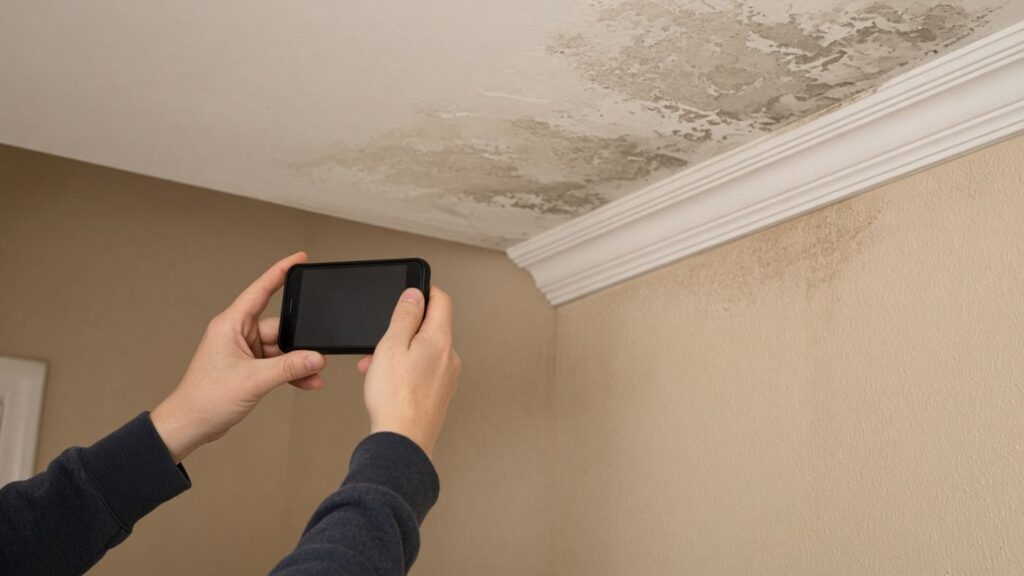
Photos and video of every room help document damage before cleanup starts.
What Is an Insurance Restoration Contractor?
An insurance restoration contractor repairs homes damaged by covered events like fire, water or storms, and is used to working within the insurance claim process. Beyond the repairs themselves, that usually means writing detailed estimates, meeting with the adjuster at the property, and documenting work so the insurer can see what was done.
The contractor doesn’t decide what your policy covers. That’s between you and your insurance company. The Michigan Department of Insurance and Financial Services (DIFS) notes that your insurer may recommend contractors, but you have the right to choose your own.
How Does the Insurance Restoration Process Start?
The first priority is safety and stopping more damage. Once everyone is safe, the early steps usually look like this:
- Report the loss. Call your insurance company or agent as soon as you can and write down your claim number.
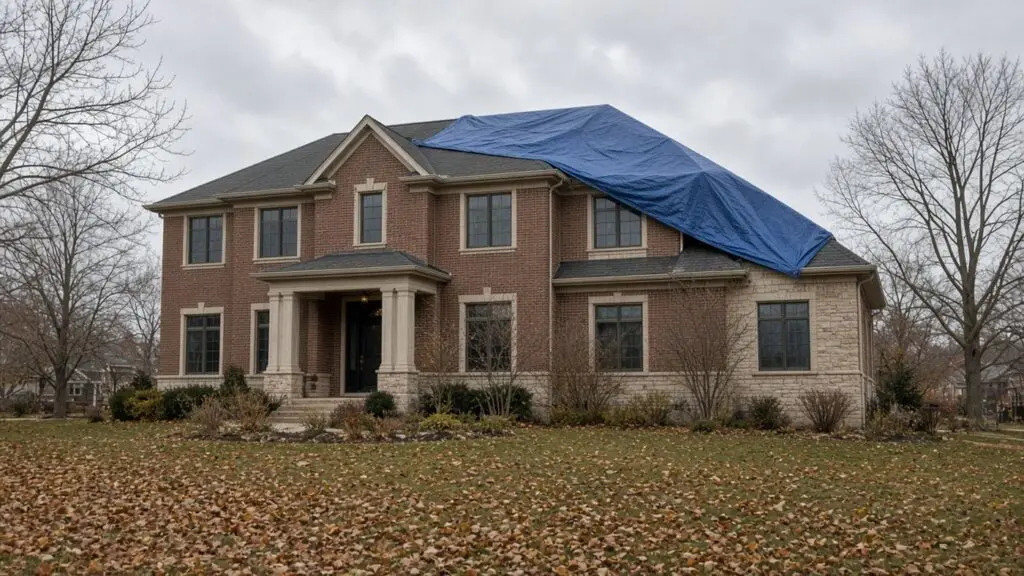
- Protect the home. Tarp an open roof, shut off water to a broken line, and board up broken windows. DIFS advises making only temporary repairs until the insurer has inspected or approved permanent ones.
- Document everything. Take photos and video of every room and the outside before anything is moved or cleaned up.
- Keep receipts. Save receipts for temporary repairs and any expenses tied to the damage.
If the damage makes part of the house unlivable, DIFS suggests asking whether your policy includes additional living expense coverage, which may help while repairs are completed. Keep a simple log of every call with your insurer: the date, who you spoke with and what was said. That record makes later conversations much easier on a larger claim.
What Does the Adjuster Do?
The insurance company’s adjuster inspects the damage and decides what the policy will pay for. DIFS reminds homeowners that claims adjusters work for and are paid by the insurance company, and should never ask you to pay them for their services under your policy.
It helps to have your contractor at the inspection. They can point out damage that’s easy to miss, like water that wicked into wall cavities or smoke that traveled through ductwork, and answer technical questions about how the repair should be done.
Some homeowners hire a public adjuster to represent them instead. In Michigan, public adjusters must be licensed by DIFS and must use a state-approved contract. You’re not required to hire one to file a claim.
How Is the Scope of Repairs Agreed On?
The scope is the written list of what will be repaired or replaced and how. The adjuster writes an estimate, your contractor may write one too, and the two are compared. When something was missed or new damage turns up once walls are opened, the contractor can document it and send a supplement to the insurer for review.
The Insurance Information Institute explains that how a settlement is figured depends on whether your policy pays actual cash value or replacement value. With replacement coverage, some insurers hold back part of the payment until repairs are finished, so ask your insurer how and when that works under your policy.
| Who | Works for | Main job |
|---|---|---|
| Insurance company adjuster | Your insurer | Inspects the damage and decides what the policy covers |
| Public adjuster | You | Prepares and negotiates your claim (licensed by DIFS) |
| Restoration contractor | You, under your contract | Estimates, documents and completes the repairs |
How Do You Spot a Contractor Who Might Cause Problems?
Storm-chasers and fraudulent contractors tend to show up right after bad weather. DIFS’s contractor fraud guidance lists the habits that protect you:
- Contact your insurer before hiring anyone to understand your coverage.
- Get more than one written estimate and compare them.
- Check licenses, references and insurance.
- Be home when damage is inspected or repaired.
- Sign only a written contract with a schedule and no blank spaces.
You can look up a Michigan builder’s license with the state’s LARA license verification tool. Be cautious of anyone who pressures you to sign on the spot or asks you to sign over your insurance proceeds before you understand what that means.
How Bloomfield Construction Can Help
Bloomfield Construction works with Oakland County homeowners on fire and water damage restoration, roof repair and replacement, and siding, and helps homeowners through the insurance claim process. We’ll walk the property with you, document the damage and explain each step before work begins. Learn more about our insurance restoration services.
Frequently Asked Questions
Do I have to use the contractor my insurance company recommends?
No. DIFS says your insurer may recommend contractors, but you have the right to choose your own. Whoever you pick, check their license, references and insurance.
Should I start repairs before the adjuster comes?
Make temporary repairs that stop more damage, like tarping a roof or stopping a leak, and keep the receipts. Hold off on permanent repairs until your insurer has inspected or approved them.
What if new damage is found during the repair?
It’s common once drywall or flooring comes up. Your contractor can photograph and document it, then send a supplement to your insurer for review before that extra work is done.
How long does an insurance restoration project take?
It depends on the type and extent of damage, how quickly the claim is approved, and material lead times. Ask your contractor for a written schedule once the scope is agreed.
Can someone negotiate my claim for me?
Yes, a public adjuster can represent you. DIFS says public adjusters must be licensed by the state, so verify the license before you sign. Your contractor can still share estimates and documentation with your insurer.
If your home has fire, water or storm damage, call Bloomfield Construction at (248) 333-3987 or contact us online. We’ll help you understand the next steps.