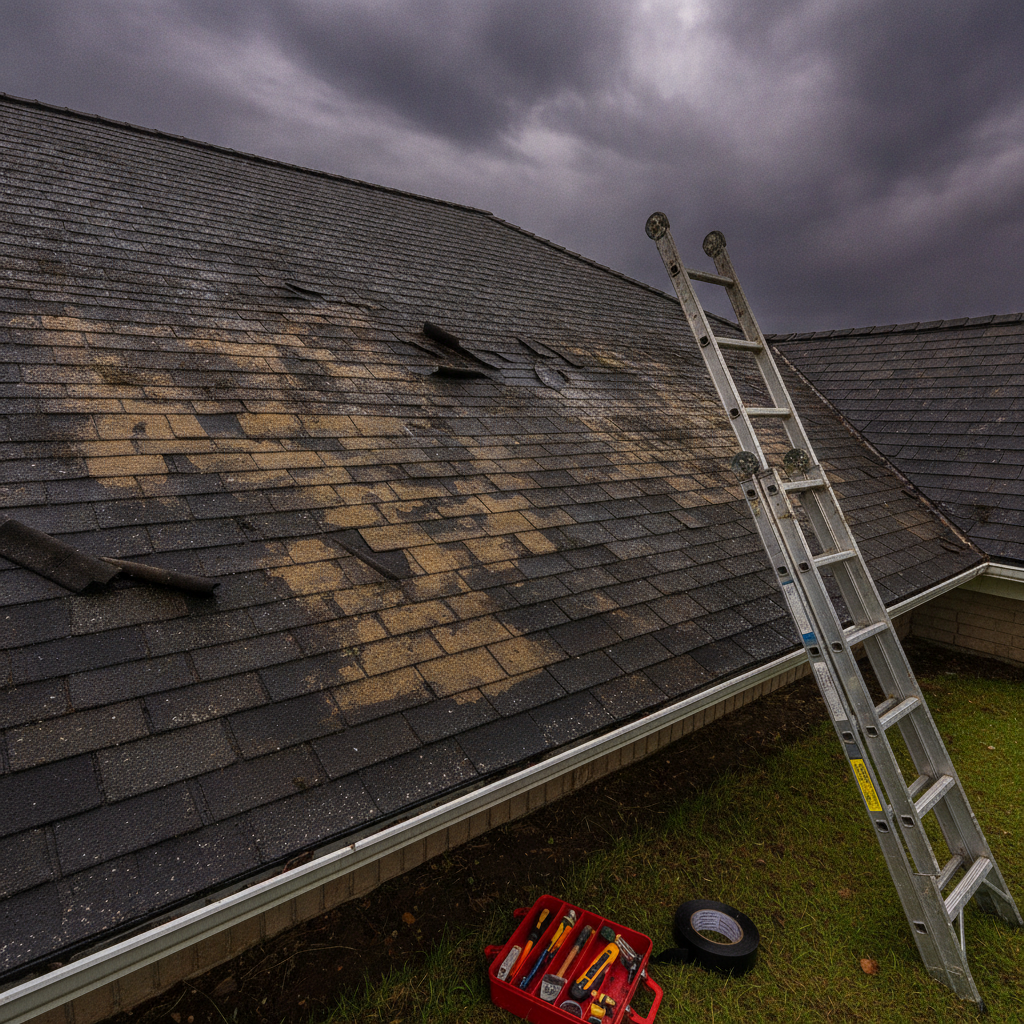
Storms can strike unexpectedly, leaving behind a trail of destruction that often includes significant water damage to roofs. For small business owners, developers, and local residents, understanding the crucial roof considerations after a storm is essential for protecting property value and ensuring a safe environment. The aftermath of a storm can be overwhelming, but knowing what to look for and how to respond can make a world of difference. Water damage roof considerations should be at the forefront of your recovery plan, as prompt action can prevent further deterioration, mold growth, and costly repairs down the line. This guide will walk you through the most important steps and insights to help you address water damage effectively, from inspection and documentation to choosing the right repair solutions. Whether you’re a seasoned property manager or a first-time homeowner, these tips will empower you to handle post-storm recovery with confidence and clarity, ensuring your roof remains a strong line of defense against the elements.
Water Damage Roof Considerations in Bloomfield Hills
When a severe storm passes through the area, the risk of water damage to your roof becomes a top concern. Water damage roof considerations are especially important for business owners and residents in this community, where unpredictable weather can quickly compromise roofing systems. After a storm, it’s essential to inspect your roof for missing shingles, damaged flashing, and pooling water. Even minor damage can allow moisture to seep into your structure, leading to costly repairs if left unchecked.
One of the first steps is to safely assess the extent of the damage from the ground or with the help of a professional. Look for visible signs such as water stains on ceilings, damp insulation, or warped roof decking. These indicators suggest that water has penetrated the roof envelope. Taking swift action is crucial to prevent mold growth and structural deterioration. If you notice any of these issues, it’s wise to consult a local restoration expert who can provide a thorough evaluation.
Many property owners in the neighborhood turn to trusted professionals like Bloomfield Construction for comprehensive post-storm assessments and restoration services. Their expertise in handling insurance claims and emergency repairs can make the recovery process smoother and less stressful. Remember, addressing water damage roof considerations promptly is the best way to safeguard your investment and maintain a safe, dry environment for occupants.
Water Damage Roof Considerations in Bloomfield Hills, MI
In Bloomfield Hills, MI, the combination of heavy rain, wind, and hail can leave roofs vulnerable to leaks and structural compromise. Water damage roof considerations here involve not only immediate repairs but also long-term prevention strategies. After a storm, it’s important to check for loose or missing shingles, cracked tiles, and damaged gutters that can channel water into unwanted areas.
Water intrusion can be deceptive, sometimes showing up days or weeks after the initial event. This is why ongoing monitoring is vital. If you detect musty odors, peeling paint, or bubbling on interior walls, these could be signs of hidden water damage. Early detection and intervention are key to minimizing repair costs and avoiding health hazards associated with mold and mildew.
For those seeking reliable information and services, water damage experts provide valuable resources and support. They can help you understand the scope of the damage, recommend the best repair methods, and guide you through the insurance claim process. By prioritizing water damage roof considerations, property owners in the region can ensure their buildings remain resilient and protected against future storms.
Water Damage Roof Considerations in Bloomfield Hills Michigan
For residents and business owners in Bloomfield Hills Michigan, understanding the full scope of water damage roof considerations is vital after any major weather event. Roof leaks can start small but quickly escalate, affecting insulation, electrical systems, and even the building’s foundation. It’s important to act quickly, as water damage can compromise the integrity of your property and lead to costly repairs.
Begin by documenting all visible damage with photographs and written notes. This documentation will be invaluable when filing insurance claims or working with contractors. Next, prioritize temporary measures like tarping damaged areas or clearing debris from gutters to prevent further water intrusion. These immediate actions can make a significant difference in the overall restoration process.
If you’re unsure where to start, you can visit our site for guidance on emergency repairs and restoration options. Professional teams can assess the situation, recommend tailored solutions, and help you navigate the complexities of insurance coverage. By focusing on water damage roof considerations from the outset, you can protect your property and ensure a smoother recovery.
The Importance of Timely Roof Inspections
Timely roof inspections are a cornerstone of effective water damage roof considerations. After a storm, even if there are no obvious leaks, hidden issues can lurk beneath the surface. Scheduling a professional inspection ensures that minor problems are identified and addressed before they escalate into major repairs. Inspections typically cover shingles, flashing, gutters, and attic spaces, providing a comprehensive overview of your roof’s condition.
For property owners in the area, working with experienced professionals like Bloomfield Construction can make a significant difference. Their trained eyes can spot subtle signs of water intrusion, such as soft spots in decking or early mold growth. They also provide detailed reports that can be used for insurance claims or future maintenance planning.
Regular inspections are not just a reactive measure; they’re a proactive investment in your property’s longevity. By making roof inspections a routine part of your maintenance schedule, you reduce the risk of unexpected water damage and extend the life of your roofing system. This approach is especially important for commercial properties, where downtime and disruptions can have a direct impact on business operations.
Common Signs of Water Damage on Roofs
Recognizing the signs of water damage is a critical part of water damage roof considerations. Some symptoms are obvious, like water stains on ceilings or visible leaks, while others are more subtle. Common indicators include:
- Discolored or sagging ceiling tiles
- Peeling paint or wallpaper
- Musty odors in attic spaces
- Warped or buckling roof decking
- Mold or mildew growth on walls or ceilings
- Loose, missing, or damaged shingles
- Granules from shingles collecting in gutters
If you notice any of these warning signs, it’s important to act quickly. Delaying repairs can result in more extensive damage, higher repair costs, and potential health risks from mold exposure. Early intervention is the best way to protect your property and maintain a safe environment for occupants.
Immediate Steps to Take After a Storm
After a storm, taking immediate action is essential for effective water damage roof considerations. Here are the key steps to follow:
- Ensure safety first. Avoid climbing onto the roof if it’s wet or unstable.
- Visually inspect your property from the ground for obvious signs of damage.
- Document all visible damage with photos and notes for insurance purposes.
- Cover exposed areas with tarps or plastic sheeting to prevent further water intrusion.
- Contact a professional roofer or restoration specialist for a thorough inspection.
- Notify your insurance provider promptly to begin the claims process.
Following these steps can help minimize the impact of water damage and set the stage for efficient repairs. Remember, prompt action is your best defense against escalating costs and complications.
Table: Comparing Roof Materials and Their Water Resistance
| Roof Material | Water Resistance | Typical Lifespan | Maintenance Needs |
|---|---|---|---|
| Asphalt Shingles | Moderate | 15-30 years | Annual inspection, replace damaged shingles |
| Metal Roofing | High | 40-70 years | Minimal, check for rust and fastener issues |
| Tile Roofing | High | 50+ years | Inspect for cracked tiles, clean debris |
| Flat Roof (EPDM/TPO) | Moderate to High | 20-30 years | Regular inspection for punctures, clear drains |
Choosing the right roofing material is a vital part of water damage roof considerations. Each type has its own strengths and weaknesses when it comes to resisting water intrusion and long-term durability. Regular maintenance, regardless of material, is essential for optimal performance and longevity.
How to Document Water Damage for Insurance Claims
Proper documentation is a critical aspect of water damage roof considerations, especially when dealing with insurance claims. Start by taking clear, detailed photos of all affected areas, including both exterior and interior damage. Capture wide shots to show the overall context and close-ups for specific issues like damaged shingles, water stains, or mold growth. Keep a written log of the date and time each photo was taken, and note any changes or worsening conditions over time.
It’s also helpful to keep receipts for any temporary repairs or materials purchased, such as tarps or sealants. These expenses may be reimbursable through your insurance policy. When filing a claim, provide a comprehensive description of the damage, supported by your photos and notes. Clear documentation not only streamlines the claims process but also helps ensure you receive fair compensation for necessary repairs.
If you’re unsure about the process, many local restoration companies offer assistance with documentation and claims filing. Their experience can be invaluable in navigating the often-complex requirements set by insurance providers.
Choosing the Right Professionals for Roof Repairs
Selecting qualified professionals is a crucial part of water damage roof considerations. Not all contractors have the expertise or resources to handle storm-related repairs effectively. Look for companies with a proven track record in emergency roof repairs, water damage restoration, and insurance claim support. Check for proper licensing, insurance, and references from previous clients.
A reputable contractor will conduct a thorough inspection, provide a detailed estimate, and communicate clearly throughout the repair process. They should also be familiar with local building codes and regulations, ensuring all work meets required standards. Don’t hesitate to ask questions about materials, timelines, and warranties. The right team will prioritize your safety and satisfaction, delivering quality results that stand the test of time.
For business owners and homeowners alike, investing in professional repairs is the best way to address water damage roof considerations and restore your property to its pre-storm condition.
Preventing Future Water Damage Through Maintenance
Preventive maintenance is the most effective strategy for minimizing future water damage roof considerations. Regularly clean gutters and downspouts to ensure proper drainage and prevent water from pooling on your roof. Trim overhanging branches that could damage shingles or allow debris to accumulate. Schedule annual roof inspections to catch small issues before they become major problems.
Consider upgrading to more water-resistant roofing materials if your current system is nearing the end of its lifespan. Modern options like metal or high-quality synthetic shingles offer superior protection against the elements. Investing in preventive measures not only extends the life of your roof but also provides peace of mind during storm season.
Educating yourself and your team about proper maintenance routines is a smart move for any property owner. By staying proactive, you can reduce the risk of unexpected water damage and avoid the stress and expense of emergency repairs.
Final Thoughts
Addressing water damage roof considerations after a storm is a critical responsibility for property owners in any community. By understanding the risks, recognizing the warning signs, and taking prompt action, you can protect your investment and ensure the safety of everyone who depends on your building. From immediate inspections and documentation to choosing the right repair professionals and implementing preventive maintenance, every step you take strengthens your property’s resilience against future storms. Remember, the key to effective recovery is preparation and proactive care. Stay informed, stay vigilant, and your roof will continue to provide reliable protection for years to come.