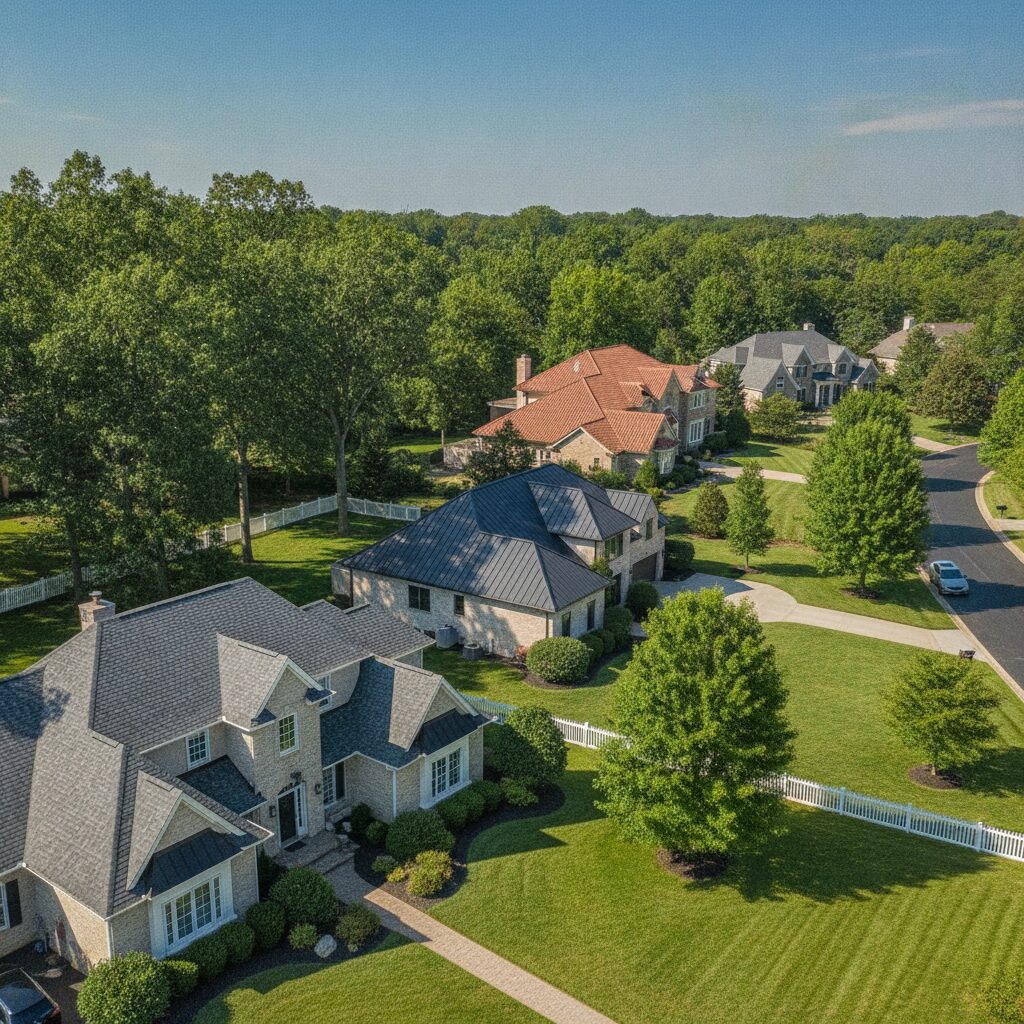
Walk down almost any street in a established Michigan neighborhood and you will notice that roofs do more than keep the rain out. They define the character of a house. The color, texture, and shadow lines of a roof surface shape curb appeal as much as the brick, siding, or landscaping below it. So when it is time to replace an aging roof, the material you choose deserves real thought, not a quick glance at a price sheet.
Homeowners often start the process by calling a roofing contractor bloomfield hills residents recommend, only to be handed a menu of options that all sound similar. Three-tab shingles, architectural shingles, metal panels, slate, cedar shakes, and synthetic composites each promise durability and beauty. Each also comes with trade-offs in cost, weight, maintenance, and how well it handles the freeze-thaw cycles, ice dams, and humid summers this region is known for.
This guide walks through how architectural shingles stack up against the other common choices. We will cover appearance, longevity, weather performance, installation realities, and how to match a material to your home and budget. Whether you own a single family property, manage rental homes, or are planning a development, the goal is the same: help you make a confident decision you will not regret in fifteen or twenty years.
What Makes a Shingle Architectural
The term gets thrown around loosely, so it helps to define it. architectural shingles are laminated asphalt shingles built from multiple layers bonded together. That layering creates a thicker, dimensional profile with shadow lines that mimic the look of cedar or slate without the cost or weight of those natural materials.
Traditional three-tab shingles, by contrast, are a single flat layer cut into uniform tabs. They look the same from one end of the roof to the other, which gives them a plain, repetitive appearance. Architectural versions use varied tab lengths and random granule blends, so the finished roof looks richer and more custom.
Beyond looks, the extra mass matters. The heavier laminated construction generally resists wind uplift better and holds up to temperature swings with less curling. Most manufacturers also offer longer warranties on architectural lines. For many homeowners, this category hits a sweet spot between affordability and a premium finish, which explains why it has become the default choice on so many residential projects.
Comparing Looks and Curb Appeal
Appearance is where most roofing conversations begin, and it is a legitimate priority. A roof covers a huge portion of what a passerby sees. Architectural shingles come in blends that range from soft weathered grays to deep charcoal, warm browns, and even subtle reds and greens. The blended granules create depth that changes with the light throughout the day.
Metal roofing offers a crisp, modern look, especially in standing seam profiles, and it suits contemporary and farmhouse styles well. Slate delivers an unmatched natural elegance that fits stone estates and traditional architecture. Cedar shakes bring a rustic warmth that ages to a silvery patina, though they demand more upkeep.
If your home sits in a neighborhood with architectural review guidelines or an HOA, it is worth confirming what materials and colors are allowed before you fall in love with one. Shingles are usually the easiest category to get approved because they blend naturally with surrounding rooflines. Sample boards viewed outdoors, not just in a showroom, give the most honest preview of the final result.
How Long Each Material Typically Lasts
Lifespan claims vary, and real-world results depend heavily on installation quality, ventilation, and exposure. As a general industry rule of thumb, three-tab shingles tend to be the shortest-lived, while architectural shingles often last noticeably longer thanks to their thicker construction. Metal roofing can outlast both by a wide margin, and slate can serve a property for generations when it is properly installed and maintained.
Cedar shakes fall somewhere in the middle and are sensitive to moisture, moss, and shade. Synthetic slate and shake products aim to give the look of natural materials with fewer upkeep demands, though long-term track records are shorter.
It is worth remembering that a longer-lasting material only pays off if you stay in the home long enough to benefit, or if a future buyer values it. Pairing the right material with proper attic ventilation and quality flashing often does more for lifespan than simply upgrading to a more expensive product. A good bloomfield hills roofing contractor services provider will explain how these factors interact for your specific house.
Cost Differences and Long-Term Value
Price is rarely just the number on the estimate. Upfront cost, expected service life, maintenance needs, and potential energy effects all combine into the true cost of ownership. Architectural shingles typically cost a bit more than basic three-tab products but far less than metal, slate, or premium synthetic systems, which makes them a practical middle path.
Cheaper materials can appear attractive when you only look at the invoice, yet they may need replacement sooner, which erases the savings. Premium materials carry higher installation costs because they often require specialized labor, structural reinforcement, or longer project timelines.
Resale value matters too. Buyers tend to notice a newer, well-presented roof, and an aging one can become a negotiating point during inspections. For deeper background on that connection, read How Aging Roofs Affect Home Value in Bloomfield Hills before you decide how much to invest. Costs vary widely by roof size, pitch, complexity, and material availability, so always request itemized estimates rather than relying on general ranges.
Weather Performance in a Four-Season Climate
Southeast Michigan puts roofs through a lot. Winter brings snow loads, ice dams, and repeated freeze-thaw cycles. Spring delivers heavy rain and wind. Summer adds intense sun and humidity. A material that excels in one season may struggle in another, so it helps to think through the full annual cycle.
Asphalt-based shingles handle cold well and shed snow adequately, and architectural grades resist wind lift better than thinner options. Metal sheds snow quickly, which is a benefit, though sliding snow can be a hazard over walkways without snow guards. Slate is highly durable but heavy and brittle underfoot if anyone walks on it.
Heat matters more than many people expect. Prolonged sun exposure can accelerate granule loss and aging in some materials, a topic explored in Why Summer Heat Still Matters for Bloomfield Hills Roofing Performance. Choosing lighter colors or reflective granules can soften that effect. Ultimately, proper ventilation and ice and water barrier placement influence weather performance as much as the surface material itself.
Side-by-Side Material Snapshot
Sometimes a quick visual comparison clears the fog. The table below summarizes general characteristics of the most common residential roofing choices. Treat these as broad guidelines, since specific products and installation details change the outcome.
| Material | Relative Cost | Typical Lifespan | Upkeep Level |
|---|---|---|---|
| Three-tab shingles | Lowest | Shorter | Low |
| Architectural shingles | Moderate | Medium to long | Low |
| Standing seam metal | High | Very long | Low |
| Cedar shakes | High | Medium | High |
| Natural slate | Highest | Generational | Moderate |
Weight, Structure, and Installation Realities
Not every roof structure can carry every material. Slate and clay tile are heavy, and many existing homes would need engineering review or reinforcement before installation. Architectural shingles weigh far less, so they usually go onto existing framing without structural changes, which keeps the project simpler.
Installation complexity also differs. Shingle systems are familiar to most crews and can be installed relatively quickly. Metal and slate require specialized skills, and a poor installation can undermine even the best product. Details like underlayment, drip edge, valley treatment, and flashing around chimneys and skylights are where leaks tend to begin.
Ask any prospective crew how they handle decking inspection, ventilation, and ice barrier coverage. If you want a closer look at how a full roofing scope is typically handled, you can learn more about the process and what a thorough project includes. Good communication before the first shingle goes down prevents most surprises later.
Energy Use and Comfort Considerations
A roof influences indoor comfort through heat absorption and reflection. Darker surfaces absorb more heat, while lighter or specially coated surfaces reflect more of it. Some shingle lines now feature reflective granules designed to reduce heat gain without changing the traditional look.
Metal roofs can reflect a significant share of solar energy, particularly with cool-roof coatings, and they also cool off quickly after the sun sets. However, material choice is only part of the story. Attic insulation, air sealing, and ventilation determine how much heat actually reaches your living space and how well your home holds warmth in winter.
Noise is another comfort factor people overlook. Metal can sound louder during heavy rain unless installed over solid decking with proper underlayment, while asphalt shingles tend to muffle sound naturally. Think about how you actually live in your home, including whether bedrooms sit directly beneath the roof, before assuming one material is automatically superior.
Warranties and What They Really Cover
Warranty language can be confusing, and it pays to read the fine print. Many shingle manufacturers advertise long coverage periods, but those numbers often apply mainly to the material itself and may be prorated over time. Workmanship coverage, which protects against installation errors, is typically separate and comes from the contractor.
Some manufacturers offer enhanced warranties only when the installer meets specific certification standards and uses a complete matched system of underlayment, starter strips, ridge caps, and ventilation components. Mixing and matching parts from different brands can sometimes limit coverage.
Ask for warranty documents in writing before signing. Find out what is transferable if you sell the home, what maintenance is required to keep coverage valid, and how claims are handled. A strong warranty is only as reliable as the company standing behind it, so consider how long the contractor has operated in the area and whether they will realistically be around to honor their promises.
Choosing a Roofing Contractor in Bloomfield Hills
The material matters, but the crew installing it matters just as much. In Bloomfield Hills, homes range from mid-century ranches to large custom estates, and each calls for different expertise. Look for a contractor with verifiable licensing, insurance, and a portfolio of completed work on houses similar to yours.
Request at least three written estimates and compare scope, not just price. A low bid that skips deck repair allowances, ice barrier, or proper flashing will cost more later. Ask who will actually be on the roof, how debris is controlled, and how the crew protects landscaping and gutters.
References and recent reviews offer useful insight, but so does the quality of the conversation. A trustworthy contractor listens, explains trade-offs honestly, and does not push the most expensive option by default. If someone pressures you to sign immediately, treat that as a warning sign. A thoughtful estimate process is usually a good preview of how the project itself will run.
Matching a Roof to Your Home and Goals
After weighing all the factors, the best choice usually comes down to a few honest questions. How long do you plan to stay in the house? What is your realistic budget, including a cushion for surprises? What style does your home and neighborhood call for? How much maintenance are you willing to take on?
For most single family homeowners, architectural shingles offer an excellent balance of beauty, protection, and price, which is why they dominate the residential market. Metal makes sense for owners seeking maximum longevity or a contemporary look. Slate and cedar suit specific architectural styles and owners comfortable with higher costs and care.
Developers and property managers often lean toward shingles for predictable pricing and fast installation across multiple units. Small business owners with residential rental holdings may value their lower maintenance profile. Whatever you choose, write down your priorities before collecting bids so you can compare options against your own goals, not just a salesperson’s pitch.
Final Thoughts
Choosing a roof is one of the larger investments tied to a home, and it deserves a deliberate process. Architectural shingles stand out because they deliver dimensional style, solid weather resistance, and manageable cost without demanding structural upgrades or constant upkeep. Metal, slate, cedar, and synthetic products each have a place, especially when a particular look, lifespan, or performance target drives the decision.
The most important takeaway is that material and workmanship work together. Even the finest product will underperform if the underlayment, flashing, ventilation, or decking work is rushed. Take the time to compare written scopes, ask pointed questions about warranties, and confirm that the crew has experience with your chosen system in a climate that swings from deep winter freezes to humid summer heat.
Start by walking your property, noting its style and any trouble spots like worn flashing or poor drainage. Then gather estimates, review samples in natural light, and weigh long-term value alongside upfront price. With a clear picture of your goals and a trustworthy partner on the job, you can choose a roof that protects your home, looks great from the street, and gives you peace of mind for many seasons to come.