Water damage can strike unexpectedly, leaving property owners and businesses scrambling to protect their investments. Whether it’s from a burst pipe, severe weather, or an unnoticed leak, the aftermath can be overwhelming. That’s why understanding water damage restoration is so important, especially for those living or operating in areas prone to unpredictable weather and aging infrastructure. If you’re searching for reliable Water Damage Restoration Bloomfield Hills MI services, knowing what to expect and which mistakes to avoid can make all the difference between a smooth recovery and ongoing headaches. In this guide, we’ll break down the most common pitfalls in water damage restoration, offer practical advice, and empower you to make the best decisions for your property. Whether you’re a small business owner, a developer, or simply someone who wants to be prepared, you’ll find actionable tips and expert insights tailored for this community. Let’s dive in and ensure you’re equipped to handle water damage restoration like a pro.
Water Damage Restoration in Bloomfield Hills
When water damage occurs, the clock starts ticking. The longer water sits, the more extensive and expensive the damage becomes. In the area, many property owners make the mistake of underestimating the urgency of water removal and restoration. Acting quickly is crucial, but so is knowing whom to trust for the job. Choosing a reputable provider for Water Damage Restoration Bloomfield Hills MI ensures your property is in capable hands, and that restoration follows industry standards for safety and effectiveness.
One of the most common errors is attempting a DIY fix or hiring an unqualified contractor. Water damage restoration requires specialized equipment and knowledge, from moisture detection to structural drying and mold prevention. Without the right approach, you risk hidden moisture, which can lead to mold growth and long-term structural issues. Professional teams use advanced tools like infrared cameras and industrial dryers to ensure thorough drying and restoration.
If you’re unsure where to start or want to learn more about what a certified restoration team can offer, it’s wise to research local providers and read reviews. Remember, the right partner can save you time, money, and stress by handling everything from water extraction to insurance paperwork.
Another mistake is neglecting to document the damage. Take photos and keep records of affected areas and items. This will be invaluable when filing insurance claims and ensuring that your restoration team addresses every issue. Finally, don’t overlook the importance of post-restoration inspections. Even after the visible damage is repaired, hidden moisture or mold can cause problems down the line. Schedule follow-up checks to guarantee your property is truly restored and safe.
Water Damage Restoration Bloomfield Hills MI: Common Pitfalls
For those seeking Water Damage Restoration Bloomfield Hills MI services, it’s essential to recognize the most frequent missteps that property owners make. One major issue is failing to act promptly. Water can seep into flooring, walls, and insulation within hours, leading to irreversible damage and increased restoration costs. The temptation to wait and see if things dry out on their own often leads to bigger problems, such as warped floors, peeling paint, and even compromised foundations.
Another common pitfall is not addressing the source of the water intrusion. Restoration efforts will be wasted if the underlying cause, whether a leaky roof, burst pipe, or faulty appliance, isn’t fixed. Always ensure the source is identified and repaired before starting the restoration process. This step is crucial for both residential and commercial properties in the neighborhood, where older infrastructure can be a risk factor.
Mold is another hidden threat. Even after water is removed, moisture trapped in walls or under floors can create the perfect breeding ground for mold. Mold not only damages structures but also poses health risks, especially for those with allergies or respiratory conditions. Professional restoration teams are trained to detect and remediate mold, ensuring your property is safe for occupants and visitors.
Lastly, many property owners overlook the importance of proper ventilation during and after restoration. Without adequate airflow, moisture can linger, making it harder to achieve a complete dry-out. Use fans, dehumidifiers, and open windows when possible to speed up the process. By staying vigilant and proactive, you can avoid the most common pitfalls and ensure a successful restoration outcome.
Water Damage Restoration Bloomfield Hills Michigan: Prevention and Preparedness
Preparation is key to minimizing the impact of water damage. In this city, unpredictable weather and seasonal changes can increase the risk of flooding and leaks. Property owners should regularly inspect roofs, gutters, and plumbing systems to catch potential issues before they escalate. Simple maintenance tasks, such as clearing debris from gutters or insulating pipes, can prevent costly emergencies down the road.
Another smart move is to create a water damage response plan. This plan should include emergency contact numbers, steps to shut off water sources, and a checklist for documenting damage. Share this plan with employees or family members so everyone knows what to do in case of an emergency. Being prepared can help you respond quickly and effectively, reducing the extent of damage and the cost of restoration.
Investing in water detection technology is another proactive step. Devices that sense leaks or moisture can alert you to problems before they become severe. These tools are especially valuable for commercial properties or second homes, where water damage might go unnoticed for longer periods. By taking preventive measures, property owners in the region can safeguard their investments and avoid the stress that comes with unexpected water emergencies.
Finally, establish a relationship with a trusted water damage restoration provider. Knowing who to call in an emergency can save precious time and ensure a swift, professional response. Keep their contact information handy and review your insurance policy to understand what’s covered. With the right preparation, you’ll be ready to tackle water damage challenges head-on.
Understanding the Water Damage Restoration Process
The process of water damage restoration involves several critical steps, each designed to restore your property to its pre-damage condition. First, professionals assess the extent of the damage using moisture meters and thermal imaging. This step helps identify hidden pockets of moisture that could cause future problems if left untreated.
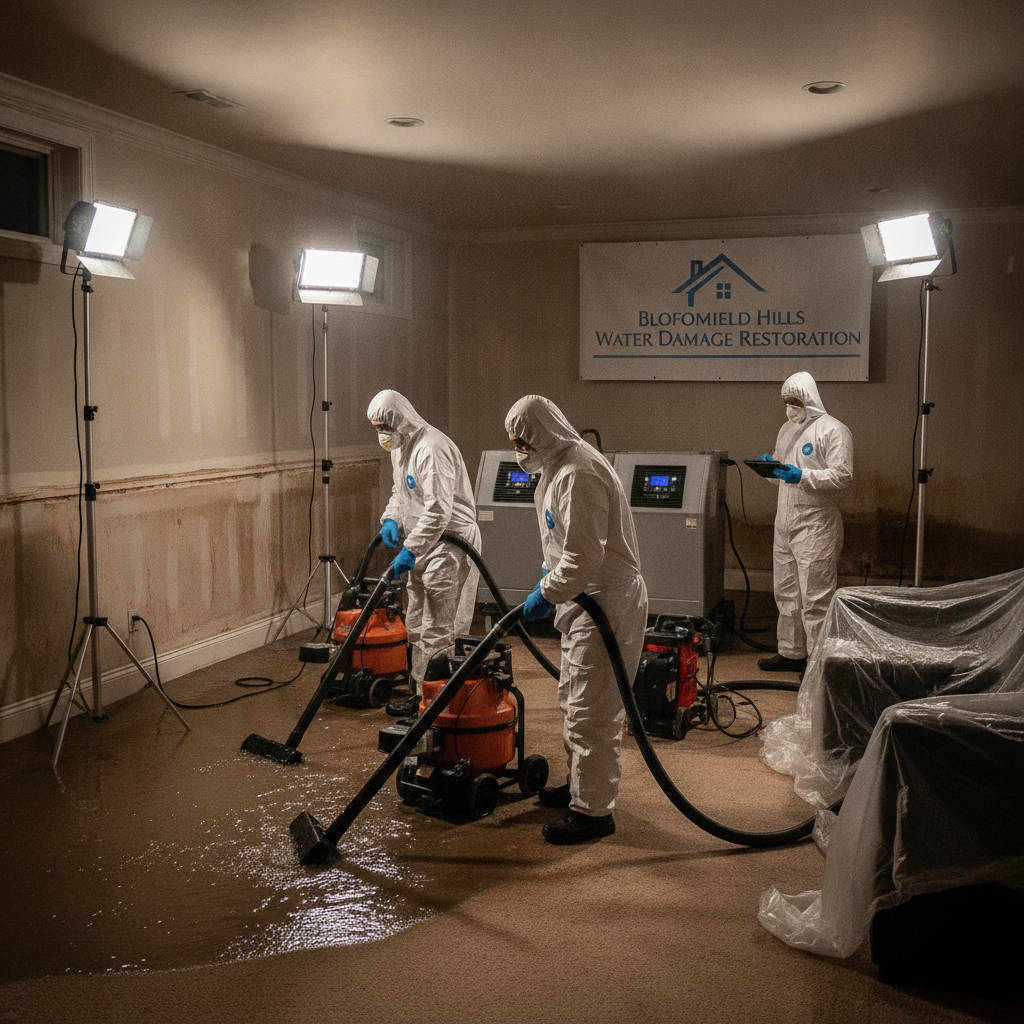
Next comes water extraction. High-powered pumps and vacuums are used to remove standing water quickly and efficiently. This is followed by drying and dehumidification, which may take several days depending on the severity of the damage. Industrial-grade dehumidifiers and air movers are strategically placed to ensure all moisture is eliminated from floors, walls, and furnishings.
Cleaning and sanitizing are essential to prevent mold and bacteria growth. Restoration teams use specialized cleaning agents to disinfect affected areas, ensuring a safe environment for occupants. Finally, repairs and reconstruction may be necessary to restore damaged drywall, flooring, or other structural elements. Throughout each phase, documentation is key for insurance purposes and peace of mind.
By understanding the restoration process, property owners can better communicate with their chosen provider and ensure that every step is completed thoroughly. This knowledge also helps set realistic expectations for timelines and costs, reducing stress during a challenging time.
Top Mistakes to Avoid in Water Damage Restoration
Even with the best intentions, property owners often make mistakes that can complicate water damage restoration. One of the biggest errors is delaying the response. Water damage worsens with time, and waiting even a few hours can increase repair costs and the risk of mold growth. Always act quickly when you notice signs of water intrusion.
Another mistake is underestimating the scope of the damage. Water can travel behind walls, under floors, and into hidden spaces. Relying solely on visible signs can leave moisture trapped, leading to future problems. Professional restoration teams use advanced detection tools to find and address all affected areas.
Attempting DIY repairs without the proper equipment or expertise is another common pitfall. While it might seem cost-effective, improper drying and cleaning can result in lingering odors, mold, and structural issues. It’s always best to consult with certified professionals who have the training and tools to do the job right.
Finally, failing to follow up after restoration can be costly. Schedule inspections and monitor for signs of recurring moisture or mold. Staying vigilant ensures your property remains safe and sound long after the initial restoration is complete.
Signs of Water Damage and When to Call a Professional
Recognizing the early signs of water damage can save you from costly repairs and health risks. Common indicators include discoloration on walls or ceilings, musty odors, peeling paint, and warped flooring. If you notice any of these signs, it’s important to act quickly to prevent further damage.
Other red flags include unexplained increases in your water bill, visible mold growth, or damp spots that don’t dry out. These issues often point to hidden leaks or ongoing moisture problems. In such cases, calling a professional water damage restoration team is the best course of action. They can assess the situation, identify the source, and implement a comprehensive restoration plan.
Don’t wait until the problem escalates. Early intervention is key to minimizing damage and keeping restoration costs manageable. Trust your instincts, if something doesn’t look or smell right, it’s time to bring in the experts.
The Role of Insurance in Water Damage Restoration
Insurance can be a lifesaver when it comes to water damage restoration, but navigating the claims process can be tricky. Start by reviewing your policy to understand what types of water damage are covered. Most policies cover sudden and accidental damage, such as a burst pipe, but may exclude gradual issues or flooding from natural disasters.
Document the damage thoroughly with photos and written descriptions. Notify your insurance company as soon as possible and provide all requested information. Keep records of communication and expenses related to the restoration process. Working with a restoration company that has experience handling insurance claims can make the process smoother and increase the likelihood of a successful outcome.
Be proactive in understanding your coverage before disaster strikes. Ask your agent about additional protection, such as flood insurance, if you’re in a high-risk area. Being prepared can help you recover faster and with less financial strain.
Comparing DIY and Professional Water Damage Restoration
Many property owners are tempted to handle water damage restoration themselves to save money. While minor spills can often be managed with household tools, significant water damage requires professional intervention. DIY efforts may miss hidden moisture, leading to mold growth and structural issues that are costly to fix later.
Professional restoration teams bring expertise, specialized equipment, and a systematic approach to every job. They can accurately assess the extent of the damage, ensure thorough drying, and address potential health hazards. The peace of mind that comes with professional restoration often outweighs the initial cost.
Before deciding on a DIY approach, consider the scope of the damage, your experience level, and the potential risks. In most cases, investing in professional water damage restoration is the best way to protect your property and your health.
Essential Equipment for Effective Water Damage Restoration
Effective water damage restoration relies on a range of specialized equipment. Industrial-grade pumps and vacuums are used to extract large volumes of water quickly. Air movers and dehumidifiers accelerate the drying process, reducing the risk of mold and structural damage.
Moisture meters and thermal imaging cameras help professionals detect hidden moisture behind walls and under floors. These tools are essential for ensuring that all affected areas are thoroughly dried. Cleaning and sanitizing agents are used to disinfect surfaces and prevent bacteria or mold growth.
Having the right equipment is only part of the equation. Proper training and experience are equally important for achieving the best results. That’s why it’s wise to trust certified professionals for water damage restoration projects.
Table: Common Water Damage Restoration Mistakes and How to Avoid Them
| Mistake | Why It’s a Problem | How to Avoid |
|---|---|---|
| Delaying response | Leads to increased damage and costs | Act quickly when water damage is discovered |
| DIY repairs | Misses hidden moisture, risks mold | Hire certified professionals |
| Ignoring the source | Restoration is ineffective if source persists | Identify and fix the cause first |
| Poor documentation | Complicates insurance claims | Take photos and keep records |
| Skipping follow-up | Hidden moisture or mold may remain | Schedule post-restoration inspections |
Choosing the Right Water Damage Restoration Provider
Selecting a trustworthy provider for water damage restoration is a critical decision. Look for companies with certifications from reputable organizations, such as the Institute of Inspection, Cleaning and Restoration Certification (IICRC). These credentials indicate a commitment to industry best practices and ongoing education.
Ask potential providers about their experience, response times, and the equipment they use. Read reviews and request references to gauge their reputation in the community. Transparency in pricing and a clear explanation of the restoration process are also important factors.
Finally, choose a provider that offers comprehensive services, from water extraction to repairs and mold remediation. This ensures a seamless experience and reduces the need to coordinate with multiple contractors. By doing your homework, you can find a partner who will help you navigate the restoration process with confidence.
Final Thoughts
Water damage can be a stressful and costly experience, but with the right knowledge and preparation, you can avoid common mistakes and ensure a successful restoration. Acting quickly, choosing certified professionals, and staying proactive with maintenance and inspections are key steps in protecting your property. Remember to document everything for insurance purposes and don’t hesitate to seek expert help when needed. By following the tips and strategies outlined in this guide, you’ll be well-equipped to handle water damage restoration challenges and keep your property safe for years to come.