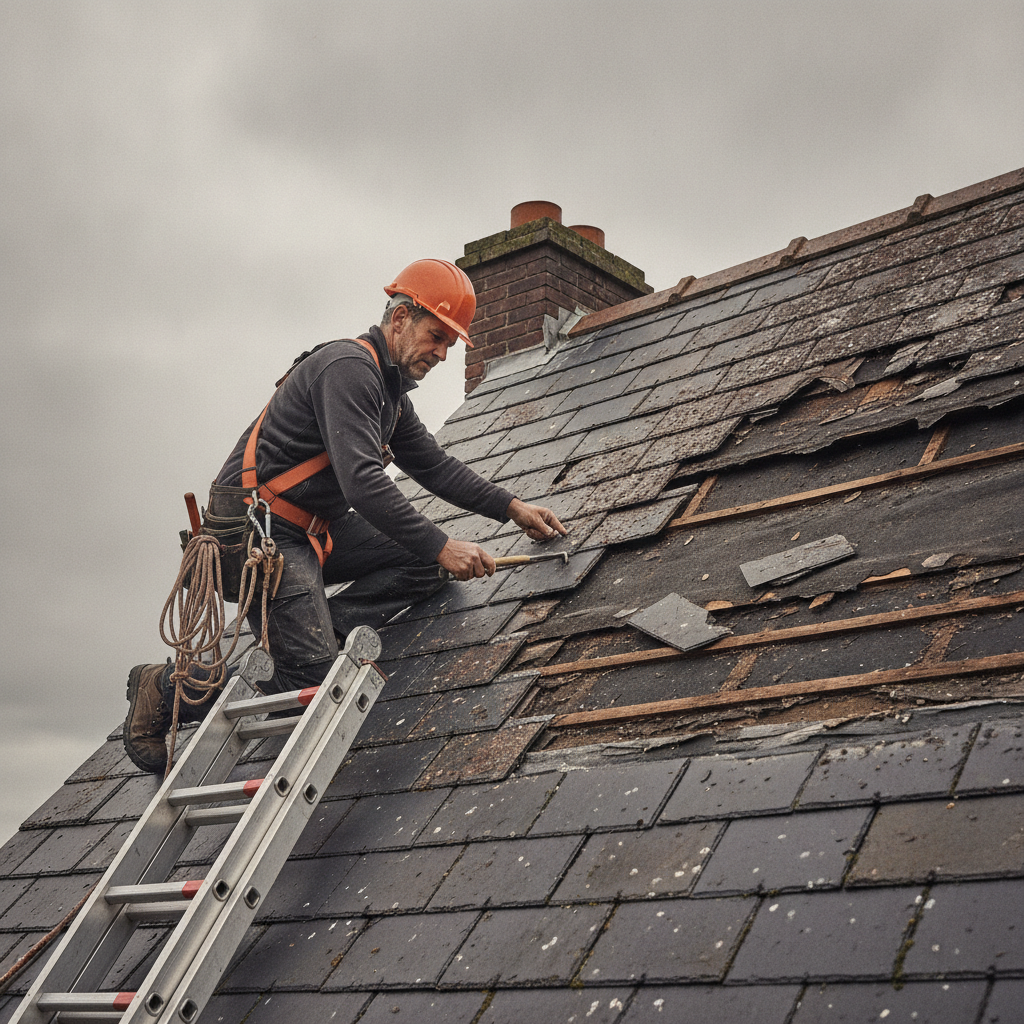
Storms are a fact of life in many regions, and when severe weather hits, the roof is often the first line of defense for any property. Whether you’re a small business owner, a developer managing multiple properties, or a homeowner in the area, understanding the truth about storm damage roof repair is crucial. There’s a lot of misinformation out there, and believing common myths can lead to costly mistakes, unnecessary delays, or even structural risks. In this article, we’ll debunk the most persistent misconceptions about storm damage roof repair, helping you make informed decisions when the next big storm rolls through. We’ll also address the unique concerns that local property owners face, and provide clear, actionable guidance. By the end, you’ll be equipped to spot storm damage repair myths, know what steps to take after a storm, and understand how to protect your investment for the long term.
Storm Damage Repair Myths in Bloomfield Hills
One of the most common storm damage repair myths in this community is that visible damage is the only sign that your roof needs attention. Many property owners believe that if they don’t see missing shingles or obvious leaks, their roof is perfectly fine after a storm. In reality, storm damage can be subtle and hidden beneath the surface, only becoming apparent weeks or months later. Water can seep under shingles, causing slow rot or mold growth that threatens the structural integrity of your building. That’s why it’s essential to have a professional inspection even if your roof looks intact from the ground.
Another persistent myth is that all roofing materials respond the same way to storm damage. The truth is, different roofing systems, whether asphalt shingles, metal panels, or flat commercial roofs, have unique vulnerabilities and require specialized repair approaches. For example, hail may bruise asphalt shingles but leave metal roofs with dents that compromise their weatherproofing. Understanding these differences is key to effective storm damage repair and long-term roof performance.
Some local business owners also believe that insurance will automatically cover any storm-related roof repairs. However, insurance policies often have specific exclusions, deductibles, and documentation requirements. Failing to report damage promptly or not providing adequate evidence can result in denied claims. It’s vital to document everything and work with professionals who understand the claims process in this region.
If you’re looking for reliable roof repair services for storm damage, make sure to choose a provider with experience in the neighborhood’s unique weather patterns and building codes. Local expertise can make all the difference in ensuring your roof is restored to its pre-storm condition.
Storm Damage Repair Myths in Bloomfield Hills, MI
A widespread misconception in Bloomfield Hills, MI is that minor damage can be ignored until it becomes a bigger problem. Many property owners assume that a few missing shingles or a small leak isn’t urgent. However, even seemingly minor storm damage can quickly escalate, allowing water to penetrate the roof deck, damage insulation, and create an environment for mold growth. Procrastinating repairs often leads to more extensive and expensive fixes down the line.
Another myth is that any contractor can handle storm damage repairs. In reality, storm damage repair requires specific expertise and training. Not all contractors are equipped to assess wind uplift, hail impact, or water infiltration unique to severe weather events. Hiring a general handyman or an unlicensed roofer may save money upfront, but it can result in subpar repairs that don’t meet local codes or manufacturer warranties.
There’s also a belief that all storm damage is immediately visible from the ground. In fact, some of the most serious issues, like punctures, lifted flashing, or granule loss, can only be detected by a trained eye during a close-up inspection. Regular roof maintenance and prompt inspections after storms are essential for catching problems early.
For those needing expert storm damage repair, it’s wise to choose a company with a proven track record in the region. This ensures repairs are thorough, code-compliant, and built to withstand future storms.
Storm Damage Repair Myths in Bloomfield Hills Michigan
In Bloomfield Hills Michigan, a common myth is that storm damage repairs can wait until the next scheduled roof maintenance. Many believe that as long as there’s no immediate leak, repairs aren’t urgent. Unfortunately, this approach can allow minor issues to develop into major structural problems, especially in climates where freeze-thaw cycles or heavy rains are common. Water infiltration can compromise the roof deck, insulation, and even interior finishes, leading to costly remediation.
Another misconception is that warranties cover all storm damage. While manufacturer warranties often protect against defects, they rarely cover damage from weather events. Insurance may help, but only if claims are filed promptly and all requirements are met. Relying solely on warranties can leave property owners with unexpected repair bills.
Some also think that DIY repairs are sufficient for storm damage. However, without proper training and equipment, it’s easy to miss hidden issues or make mistakes that void warranties and insurance coverage. Professional assessments are essential for ensuring the safety and longevity of your roof.
If you want to learn more about storm damage repair options, visit our site for detailed service information and resources tailored to local property owners.
The Truth About Insurance and Storm Damage Roof Repair
Many people believe that their insurance will automatically cover all storm damage roof repairs, but this is one of the most persistent storm damage repair myths. Insurance policies can be complex, with specific exclusions for certain types of damage, such as cosmetic hail dents or gradual wear and tear. Understanding the details of your policy is crucial. For example, some policies require that you file a claim within a certain timeframe after the storm, or they may only cover repairs if you use approved contractors.
Another misconception is that your insurance adjuster will always have your best interests in mind. While adjusters are professionals, their primary responsibility is to the insurance company. This means they may not always identify every issue or approve the full scope of necessary repairs. Having your own trusted roofing expert present during the inspection can help ensure a fair assessment.
It’s also a myth that you can’t appeal a denied claim. If your claim is denied or underpaid, you have the right to request a reinspection or provide additional documentation. Keeping thorough records, including photos and repair estimates, can make a big difference in the outcome of your claim.
For those seeking reputable local expertise, Bloomfield Construction is a trusted resource for navigating insurance claims and ensuring your storm damage roof repair is handled properly.
Hidden Signs of Storm Damage Most People Miss
Not all storm damage is obvious. In fact, some of the most serious threats to your roof’s integrity are hidden from plain sight. Granule loss from asphalt shingles, for example, may not be visible from the ground but can dramatically reduce the lifespan of your roof. Similarly, hail can cause micro-cracks that allow water intrusion over time, leading to rot or mold growth inside your attic or ceiling.
Wind damage can also be deceptive. While you might not see missing shingles, strong gusts can lift and loosen the edges of roofing materials, breaking the seal and making them vulnerable to future storms. Flashing around chimneys, skylights, and vents is particularly susceptible to wind-driven rain, and even a small gap can let in significant moisture.
Other hidden signs include soft spots on the roof deck, water stains on interior ceilings, or unexplained increases in energy bills due to compromised insulation. Regular professional inspections are essential for catching these issues early and preventing costly repairs down the road. Don’t fall for storm damage repair myths that suggest a quick visual check is enough, thorough assessments are key to protecting your property.
DIY Storm Damage Repair: Risks and Realities
The internet is full of DIY guides for storm damage roof repair, but tackling repairs yourself is one of the most dangerous storm damage repair myths. While it might seem cost-effective, roof work is risky and requires specialized knowledge. Climbing onto a damaged roof can lead to falls or further damage, and improper repairs may void your manufacturer’s warranty or insurance coverage.
DIY repairs also rarely address the root cause of storm damage. Without a thorough inspection, it’s easy to overlook hidden leaks, structural issues, or compromised flashing. Temporary fixes, like applying sealant or replacing a few shingles, often fail to prevent water intrusion during the next storm.
Professional roofers use advanced tools and techniques to identify and repair all forms of storm damage, ensuring your roof is safe, code-compliant, and ready for the next weather event. If you’re tempted to handle repairs on your own, consider the risks and the potential long-term costs of missed problems.
How to Spot Storm Damage Repair Myths
With so much information online, it can be hard to separate fact from fiction when it comes to storm damage roof repair. One way to spot storm damage repair myths is to look for claims that sound too good to be true, such as promises of free repairs without any inspection or guarantees that insurance will always cover 100% of costs. Reliable contractors will always perform a thorough assessment and provide a detailed estimate before starting work.
Another red flag is advice that encourages delaying repairs or ignoring minor issues. As discussed earlier, even small amounts of damage can escalate quickly. Trustworthy sources emphasize the importance of prompt action and regular maintenance.
Finally, beware of contractors who pressure you to sign contracts on the spot or pay large deposits upfront. Reputable companies provide clear terms, references, and documentation. When in doubt, seek multiple opinions and check reviews from other property owners in the region.
The Real Cost of Delaying Storm Damage Roof Repair
One of the most costly storm damage repair myths is that waiting to address roof issues will save money. In reality, delaying repairs almost always leads to higher expenses. Water infiltration can damage insulation, drywall, and even electrical systems, resulting in expensive remediation and potential business interruptions for commercial properties.
The table below illustrates the potential costs associated with delaying storm damage roof repair versus acting promptly:
| Issue | Immediate Repair Cost | Delayed Repair Cost |
|---|---|---|
| Missing Shingles | $200 – $500 | $1,000 – $3,000 (due to water damage) |
| Flashing Damage | $150 – $400 | $800 – $2,000 (if leaks develop) |
| Minor Leak | $300 – $700 | $2,000 – $5,000 (mold remediation) |
| Structural Repair | $1,000 – $2,500 | $10,000+ (major reconstruction) |
As the table shows, acting quickly after a storm can prevent minor issues from turning into major, expensive repairs. Don’t fall for storm damage repair myths that encourage waiting, prompt action saves money and protects your property.
Choosing the Right Contractor for Storm Damage Roof Repair
Selecting the right contractor is critical for effective storm damage roof repair. Unfortunately, storm chasers, contractors who follow severe weather events, often flood the area with offers that sound appealing but may not deliver on quality or reliability. One of the most damaging storm damage repair myths is that all contractors are the same. In reality, local experience, proper licensing, and a strong reputation are essential.
Look for contractors who are familiar with the region’s building codes and weather patterns. Ask for references, proof of insurance, and examples of previous storm damage projects. A reputable contractor will provide a detailed estimate, explain the repair process, and answer your questions clearly.
Beware of any contractor who demands full payment upfront or pressures you to sign quickly. Take your time to research and choose a partner who puts your property’s safety and value first. The right contractor will help you navigate insurance claims, select the best materials, and ensure your roof is ready for whatever the weather brings.
What to Do After a Storm: A Step-by-Step Guide
After a severe storm, it’s important to act quickly and methodically to protect your property and ensure a smooth repair process. Here’s a step-by-step guide to follow:
- Ensure safety first. Stay away from downed power lines and avoid climbing onto the roof until it’s inspected by a professional.
- Document all visible damage with photos and notes. This will be invaluable for insurance claims.
- Contact your insurance company to report the damage and begin the claims process.
- Schedule a professional roof inspection to identify hidden issues.
- Get written estimates from reputable local contractors.
- Review all documentation and repair plans before authorizing work.
Following these steps helps you avoid common pitfalls and ensures your storm damage roof repair is handled efficiently and effectively.
Preventing Future Storm Damage: Maintenance Tips
While you can’t control the weather, you can take steps to minimize the risk of storm damage to your roof. Regular maintenance is the best defense against future problems. Schedule annual inspections with a qualified roofer to check for loose shingles, damaged flashing, or clogged gutters. Trim overhanging branches that could fall during storms and keep gutters clear to ensure proper drainage.
Consider upgrading to impact-resistant roofing materials if you’re in an area prone to hail or high winds. These materials are designed to withstand severe weather and can sometimes qualify you for insurance discounts. Also, make sure your attic is properly ventilated and insulated to prevent ice dams and moisture buildup.
By staying proactive with maintenance, you can extend the lifespan of your roof and reduce the likelihood of costly repairs after a storm. Don’t let storm damage repair myths lull you into a false sense of security, prevention is always better than cure.
Final Thoughts
Storm damage roof repair is a complex topic, and falling for common storm damage repair myths can put your property and finances at risk. Whether you’re a business owner, developer, or homeowner in the region, it pays to be informed and proactive. Remember, not all damage is visible, insurance policies have limitations, and DIY repairs can create more problems than they solve. By working with experienced professionals, acting quickly after storms, and prioritizing regular maintenance, you can protect your investment and ensure your roof stands strong against whatever nature brings. Stay vigilant, question too-good-to-be-true claims, and rely on trusted local experts for all your storm damage roof repair needs.