
Moisture may be invisible, but its effects on homes and businesses in the area can be devastating. Whether you’re a small business owner, a developer, or a homeowner, understanding the hidden moisture problems that can lurk behind walls, under floors, and above ceilings is crucial. Water Damage Restoration Bloomfield Hills experts know that these issues often go undetected until they cause significant damage, leading to costly repairs, health risks, and even structural failures. In this guide, we’ll uncover the most common hidden moisture threats, explain how to spot them early, and offer practical advice to protect your property from their costly consequences. Don’t wait until a musty smell or warped floorboards signal trouble, learn to recognize the subtle warning signs and take action before minor moisture becomes a major headache.
Why Hidden Moisture Is a Silent Threat
Moisture problems are not always obvious. Unlike a burst pipe or a flooded basement, hidden moisture can quietly infiltrate your property, causing gradual damage that often goes unnoticed until it’s too late. The region’s changing seasons, with humid summers and freezing winters, create the perfect environment for moisture to accumulate in unexpected places. Over time, this can lead to rot, mold growth, and even compromise the structural integrity of your building. Small leaks from plumbing, condensation in crawl spaces, or poorly sealed windows can all introduce moisture that seeps into walls or under floors. The real danger lies in the fact that these issues can persist for months or even years before any visible signs appear. By the time discoloration, musty odors, or warped materials become noticeable, the underlying damage is often extensive. This is why regular inspections and a proactive approach to maintenance are essential for property owners in the community. If you suspect moisture issues, consulting with Bloomfield Construction can help you identify and resolve problems before they escalate.
Common Sources of Concealed Water Intrusion
Many property owners are surprised to learn how many ways water can sneak into a building. Some sources are obvious, like roof leaks or plumbing failures, but others are more insidious. For example, poorly graded landscaping can direct rainwater toward your foundation, leading to seepage through basement walls. Blocked gutters and downspouts can cause water to overflow and penetrate siding or window frames. HVAC systems, especially those installed in attics or crawl spaces, can generate condensation that drips into hidden cavities. Even daily activities like cooking and showering add moisture to the air, which can condense on cool surfaces if ventilation is inadequate. In commercial properties, flat roofs and large HVAC systems present unique challenges, while older homes may have outdated waterproofing or insulation that allows moisture to accumulate. Understanding these common sources is the first step in preventing hidden water damage. For tailored advice on selecting materials that withstand local weather and reduce water intrusion risk, see How to Choose the Right Roofing Material for Bloomfield Hills Weather.
Warning Signs of Hidden Moisture in Your Property
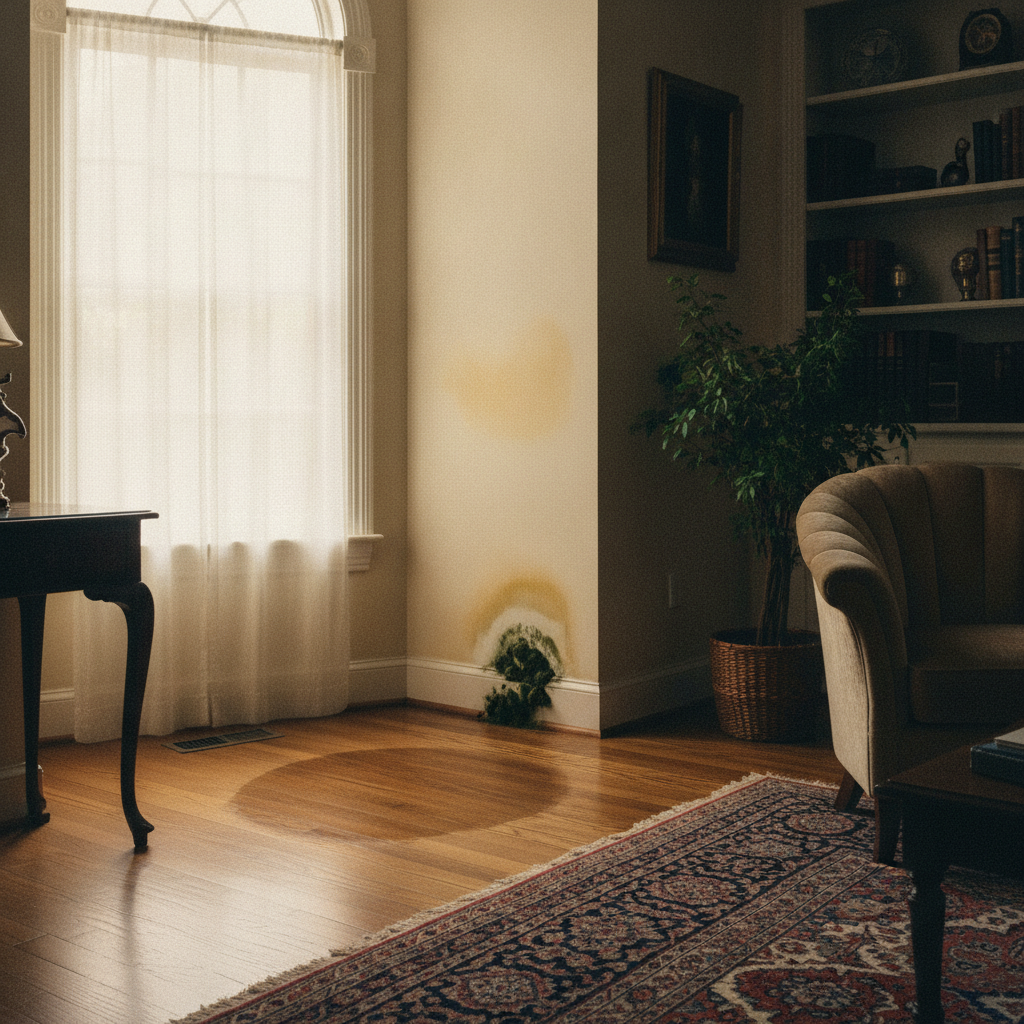
Detecting hidden moisture early can save you thousands in repairs and prevent health issues. While some warning signs are subtle, being vigilant can make all the difference. Look for peeling paint, bubbling wallpaper, or unexplained stains on walls and ceilings, these often indicate trapped moisture behind surfaces. Warped or buckling floors, especially in hardwood or laminate, can signal water intrusion beneath the surface. A persistent musty odor, even if you can’t see mold, is a red flag that moisture is present and mold may be growing out of sight. Excessive condensation on windows or cold spots on walls can also point to hidden dampness. In commercial settings, pay attention to ceiling tiles that sag or discolor, as these are frequently the first indicators of leaks above. If you notice any of these symptoms, prompt investigation is critical. For issues related to ceiling leaks and drywall, explore Ceiling Leak Repair and Drywall Recovery for Bloomfield Hills Properties for professional solutions.
The Role of Insulation and Vapor Barriers
Insulation and vapor barriers are your first line of defense against hidden moisture. Properly installed insulation helps regulate temperature and reduces the risk of condensation forming within walls, attics, or crawl spaces. However, if insulation becomes damp, it loses effectiveness and can harbor mold. Vapor barriers, typically installed on the warm side of insulation, prevent moisture from passing through to cooler surfaces where it can condense. Inadequate or damaged vapor barriers allow water vapor to migrate into building cavities, leading to hidden dampness. In the region, where temperature swings are common, ensuring that your property has up-to-date insulation and intact vapor barriers is essential. Regularly check for signs of wet insulation, such as sagging or a musty smell in attics and basements. If you’re planning renovations, consult with professionals who can assess your current barriers and recommend upgrades tailored to the local climate. Investing in quality materials and proper installation now can prevent expensive water damage restoration later.
How HVAC Systems Can Contribute to Moisture Issues
Heating, ventilation, and air conditioning (HVAC) systems play a significant role in controlling indoor humidity, but they can also be a source of hidden moisture problems. Air conditioners remove moisture from the air, but if the condensate drain becomes clogged or the system is oversized, excess water may accumulate in ducts or drip into concealed spaces. In the winter, improper humidifier settings can introduce too much moisture into the air, leading to condensation on cold surfaces. Ductwork running through unconditioned spaces can sweat, especially if not properly insulated, allowing water to collect and promote mold growth. Regular HVAC maintenance, including cleaning and inspecting condensate lines, checking for leaks, and ensuring proper airflow, is crucial. If you notice increased humidity, water stains near vents, or unexplained moisture around HVAC units, have a professional assess your system. Addressing these issues promptly can prevent the need for extensive water damage restoration and keep your indoor environment healthy.
Moisture Problems Unique to Basements and Crawl Spaces
Basements and crawl spaces are particularly vulnerable to hidden moisture due to their location below ground level. Even in homes and businesses with seemingly dry interiors, groundwater can seep through foundation walls or floors, especially after heavy rain or during spring thaw. Poor drainage around the property, cracks in the foundation, and inadequate vapor barriers can all contribute to persistent dampness. Crawl spaces with exposed earth are especially prone to high humidity, which can rise into the living areas above. Over time, this moisture can rot wooden supports, rust metal components, and create a breeding ground for mold and pests. Installing sump pumps, improving exterior grading, sealing foundation cracks, and adding vapor barriers are effective strategies for managing moisture in these areas. Regular inspections for standing water, efflorescence (white powdery residue on concrete), or musty odors can help catch problems early. Proactive maintenance in these hidden spaces is key to avoiding costly water damage restoration in the future.
The Hidden Dangers of Mold and Mildew
Mold and mildew thrive in damp, hidden environments and can quickly become a serious health hazard. These fungi release spores that can trigger allergies, respiratory problems, and other health issues, especially for children, the elderly, and those with compromised immune systems. Mold often grows out of sight, behind walls, under carpets, or inside HVAC ducts, making it difficult to detect until it has spread extensively. Signs of hidden mold include persistent musty odors, unexplained health symptoms among occupants, and visible staining or discoloration on surfaces. Once established, mold can damage building materials, requiring extensive remediation and restoration. Preventing mold starts with controlling moisture, fixing leaks promptly, maintaining proper ventilation, and using dehumidifiers in damp areas. If you suspect mold, professional inspection and testing are recommended to locate hidden colonies and develop an effective removal plan. Addressing moisture problems at their source is the best way to protect both your property and your health.
Moisture Detection Tools and Technologies
Advancements in moisture detection technology have made it easier than ever to identify hidden water problems before they become disasters. Professional restoration companies use a variety of tools to pinpoint moisture sources without invasive demolition. Moisture meters can measure the water content of wood, drywall, and other materials, revealing dampness that isn’t visible on the surface. Infrared cameras detect temperature differences caused by wet insulation or leaks behind walls, allowing for targeted repairs. Hygrometers monitor indoor humidity levels, helping property owners maintain a healthy environment. Some systems even offer continuous monitoring, alerting you to changes in moisture levels in real time. While these tools are invaluable for professionals, homeowners and business owners can benefit from basic versions to monitor problem areas. Regular use of these technologies can help catch issues early, reducing the risk of major water damage restoration projects and keeping your property safe.
Preventive Maintenance Strategies for Property Owners
Preventing hidden moisture problems requires a proactive approach to property maintenance. Start by scheduling regular inspections of your roof, gutters, windows, and foundation to catch potential entry points for water. Ensure that landscaping slopes away from your building and that downspouts direct water at least several feet from the foundation. Inside, monitor humidity levels, especially in basements, bathrooms, and kitchens, and use exhaust fans or dehumidifiers as needed. Address plumbing leaks immediately, no matter how minor they seem, and replace damaged caulking or weatherstripping around windows and doors. For commercial properties, establish a maintenance schedule for HVAC systems, flat roofs, and large mechanical equipment. Educate staff or family members about the signs of moisture problems so they can report issues promptly. By taking these simple steps, you can significantly reduce the likelihood of hidden moisture turning into a costly water damage restoration project.
Comparing Moisture Problems: Residential vs. Commercial Properties
While both residential and commercial properties are susceptible to hidden moisture, the sources, risks, and solutions often differ. Homes typically face issues from plumbing leaks, roof failures, and poor ventilation, while commercial buildings must contend with larger roof surfaces, more complex HVAC systems, and higher occupancy rates. The table below compares some of the most common moisture challenges and solutions for each property type.
| Aspect | Residential | Commercial |
|---|---|---|
| Common Sources | Roof leaks, plumbing, poor ventilation | Flat roofs, HVAC, large windows, high traffic |
| Detection Methods | Visual inspection, moisture meters | Infrared cameras, building management systems |
| Risks | Mold, rot, structural damage | Mold, system failures, business interruption |
| Prevention Tips | Regular maintenance, dehumidifiers | Scheduled inspections, advanced monitoring |
Understanding these differences can help property owners implement targeted strategies to prevent hidden moisture and minimize the risk of costly restoration work.
When to Call a Water Damage Restoration Professional
While many moisture problems can be managed with regular maintenance and vigilance, there are times when professional help is essential. If you discover extensive water staining, persistent mold growth, or structural damage, it’s time to contact a water damage restoration expert. Professionals have the experience, tools, and knowledge to assess the extent of hidden moisture, dry affected areas thoroughly, and prevent future issues. They can also assist with insurance claims, documentation, and repairs that go beyond the capabilities of most property owners. In commercial settings, rapid response is critical to minimize downtime and protect valuable assets. Don’t wait until a minor leak turns into a major restoration project, if you’re unsure about the severity of a moisture issue, err on the side of caution and seek expert advice. Acting quickly can save you money, protect your health, and preserve the value of your property.
Key Takeaways
Hidden moisture problems can affect any property, regardless of age or type. By understanding the sources, warning signs, and preventive measures, you can protect your investment and avoid the high costs associated with water damage restoration. Regular inspections, proactive maintenance, and prompt action at the first sign of trouble are your best defenses. Remember, moisture issues often develop out of sight, so staying vigilant and seeking professional help when needed is essential. Whether you’re a homeowner, business owner, or developer, taking moisture seriously today will save you headaches and expenses tomorrow. Stay informed, stay prepared, and keep your property safe from the silent threat of hidden water damage.