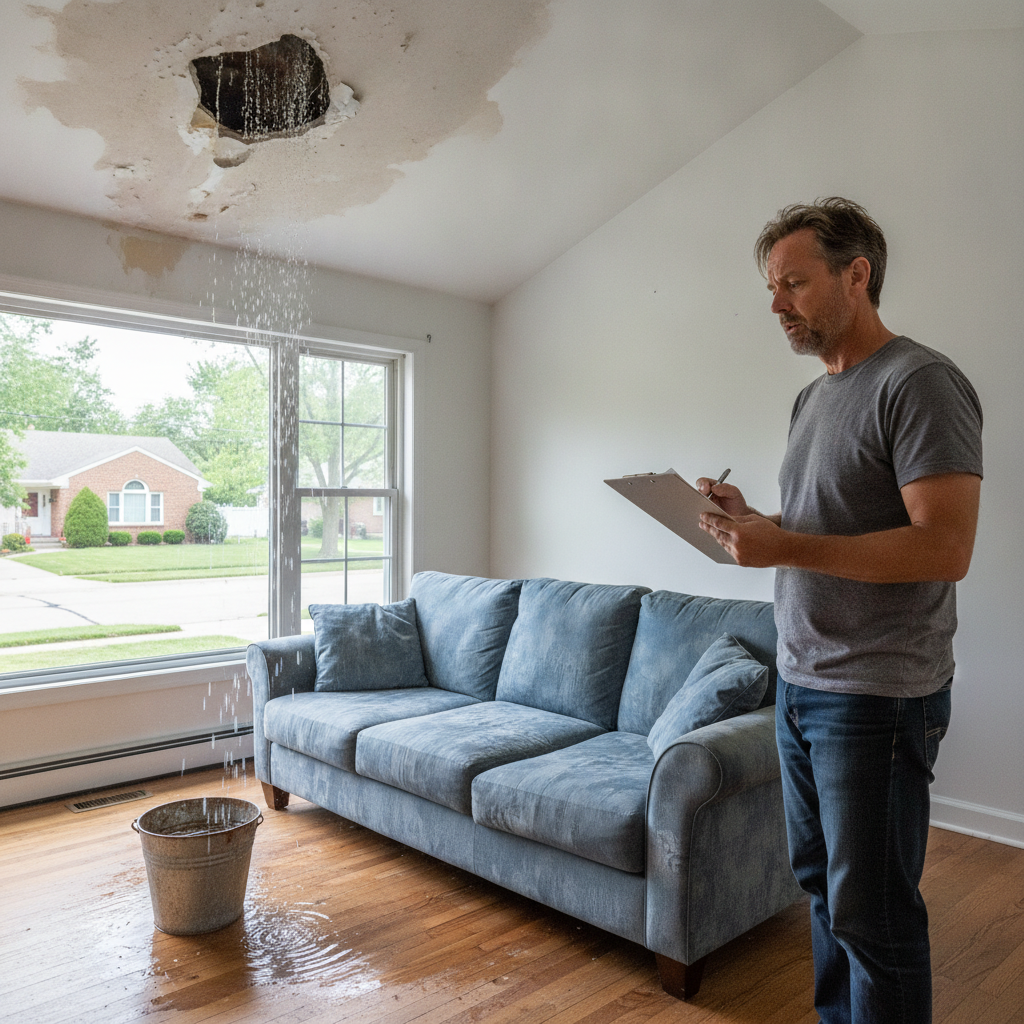
Water damage can strike unexpectedly, leaving property owners and businesses scrambling to recover. Whether it’s a burst pipe, a leaking roof, or flooding from severe weather, the aftermath can be overwhelming. Navigating the process of a water damage insurance claim is crucial for minimizing loss and ensuring your property is restored quickly. For small business owners, developers, and residents in the area, understanding how to file a water damage insurance claim can make all the difference in a stressful situation. This guide walks you through every step, from the first signs of damage to the final settlement, so you can approach the process with confidence and clarity. We’ll cover what to do immediately after water damage, how to document everything, work with adjusters, and avoid common pitfalls. By following these steps, you can maximize your chances of a successful claim and get back to normal as soon as possible. Let’s dive into the essentials of filing a water damage insurance claim and protecting your investment.
Filing a Water Damage Insurance Claim in the Area
When water damage occurs, time is of the essence. The first step is to ensure safety for everyone on the property. Shut off the main water supply if necessary, and avoid electrical hazards by turning off power in affected areas. Once safety is confirmed, begin documenting the damage. Take clear photos and videos of all affected areas, including walls, floors, ceilings, and any damaged belongings. This documentation is crucial for your water damage insurance claim.
Next, review your insurance policy to understand your coverage. Policies often have specific exclusions and requirements, such as prompt notification or mitigation steps you must take. Contact your insurance company as soon as possible to report the incident. Provide them with all the details and your initial documentation. Many insurers require a written notice within a certain timeframe, so don’t delay.
As you begin the claims process, keep a detailed record of all communications with your insurance company. Note dates, times, and the names of representatives you speak with. This will help if any disputes arise later. Additionally, start gathering receipts for any emergency repairs or mitigation services you need to prevent further damage. These costs may be reimbursable under your policy.
If you’re unsure about the next steps or need professional help, consider reaching out for a Water Damage Insurance Claim Bloomfield Hills consultation. Local experts can guide you through the process, helping you avoid common mistakes and maximize your claim.
Water Damage Insurance Claim Process in Bloomfield Hills, MI
Understanding the water damage insurance claim process in this region is essential for a smooth recovery. After notifying your insurer, an adjuster will be assigned to assess the damage. Prepare for the inspection by organizing your documentation and making a list of all affected items. Be present during the adjuster’s visit to answer questions and provide additional details.
During the inspection, the adjuster will evaluate the extent of the damage and determine the cause. It’s important to point out all areas impacted by water, even those that may not be immediately visible. Mold and structural issues can develop over time, so thoroughness is key. If you have estimates from local contractors or restoration companies, share these with the adjuster to support your claim.
Once the inspection is complete, the adjuster will prepare a report for the insurance company. You may receive an initial settlement offer based on this assessment. Review the offer carefully and compare it to your own estimates. If the offer seems low or does not cover all damages, you have the right to negotiate or request a re-inspection.
For those needing extra guidance, professional insurance claim assistance can make a significant difference. Experts can help you understand your rights, communicate with adjusters, and ensure you receive a fair settlement for your water damage insurance claim.
How to File a Water Damage Insurance Claim in Bloomfield Hills, Michigan
Filing a water damage insurance claim in this city involves several important steps. Start by mitigating further damage. This means removing standing water, drying out affected areas, and securing your property. Keep receipts for any supplies or services used, as these may be reimbursed.
Next, compile a comprehensive inventory of all damaged property. List each item, its approximate value, and the extent of the damage. Include photos and serial numbers if available. This inventory will support your claim and help the adjuster understand your losses.
Submit your claim with all supporting documentation, including your inventory, photos, repair estimates, and receipts. Be thorough and organized, as incomplete submissions can delay the process. Stay in regular contact with your insurer and respond promptly to any requests for additional information.
If you need help navigating the process or finding reputable contractors, consider working with Bloomfield Construction. Their local experience and expertise can streamline your claim and ensure your property is restored to its original condition.
Common Causes of Water Damage
Water damage can result from a variety of sources. Understanding these causes can help you prevent future incidents and better prepare for your water damage insurance claim. Some of the most frequent culprits include:
- Burst pipes due to freezing temperatures or aging infrastructure
- Leaking appliances such as dishwashers, washing machines, or water heaters
- Roof leaks caused by heavy rain, snow, or storm damage
- Flooding from severe weather or overflowing bodies of water
- Clogged gutters and downspouts leading to water intrusion
Being aware of these risks allows property owners to take proactive measures, such as regular maintenance and inspections, to reduce the likelihood of water damage. In the event of an incident, quick action and proper documentation will support your water damage insurance claim and help you recover more efficiently.
Essential Documentation for Your Claim
Accurate and thorough documentation is the foundation of a successful water damage insurance claim. Insurance companies rely on the evidence you provide to assess the extent of the damage and determine compensation. Here’s what you should include:
- Photos and videos of all affected areas and items, taken from multiple angles
- A detailed inventory of damaged property, including descriptions, values, and purchase dates
- Receipts for emergency repairs, cleaning, and restoration services
- Estimates from contractors or restoration companies
- Copies of all communication with your insurance company
Organizing your documentation from the start will make the claims process smoother and reduce the risk of disputes or delays. Keep both digital and physical copies in a secure location for easy access.
Working with Insurance Adjusters
Insurance adjusters play a pivotal role in evaluating your water damage insurance claim. Their assessment determines the amount you’ll receive for repairs and replacements. To ensure a fair outcome, be proactive and prepared for their visit.
- Provide all documentation, including photos, inventories, and receipts
- Walk the adjuster through the property, pointing out all areas of concern
- Ask questions if you don’t understand their findings or recommendations
- Request a copy of the adjuster’s report for your records
If you disagree with the adjuster’s assessment, you can seek a second opinion or hire a public adjuster to advocate on your behalf. Remember, your goal is to ensure your water damage insurance claim accurately reflects the full extent of your loss.
Table: Key Steps in Filing a Water Damage Insurance Claim
| Step | Action |
|---|---|
| 1 | Ensure safety and prevent further damage |
| 2 | Document all damage with photos and videos |
| 3 | Notify your insurance company promptly |
| 4 | Prepare a detailed inventory of damaged property |
| 5 | Meet with the insurance adjuster and provide documentation |
| 6 | Review settlement offer and negotiate if needed |
| 7 | Begin repairs and keep all receipts |
Following these steps will help you navigate the water damage insurance claim process efficiently and increase your chances of a successful outcome.
Tips for Maximizing Your Insurance Settlement
Getting the most from your water damage insurance claim requires attention to detail and proactive communication. Here are some tips to help you secure a fair settlement:
- Act quickly to prevent further damage and document every action you take
- Be honest and thorough in your claim submission
- Keep all receipts and records organized
- Don’t accept the first settlement offer if it doesn’t cover your losses
- Consult with professionals if you have questions or concerns
Remember, the goal is to restore your property to its pre-loss condition. Don’t hesitate to advocate for yourself throughout the process.
Avoiding Common Mistakes When Filing a Claim
Even experienced property owners can make mistakes during the claims process. Avoid these common pitfalls to ensure your water damage insurance claim is successful:
- Delaying notification to your insurer, which can result in denied claims
- Failing to document all damage and repairs
- Discarding damaged items before the adjuster’s inspection
- Not reading your policy carefully to understand coverage limits and exclusions
- Accepting a low settlement without negotiation
By staying organized and informed, you can avoid these errors and improve the outcome of your water damage insurance claim.
The Role of Restoration Professionals
Restoration professionals are invaluable partners when dealing with water damage. They have the expertise and equipment to assess the extent of the damage, prevent mold growth, and restore your property efficiently. Many insurance policies require you to take reasonable steps to mitigate further damage, and hiring certified restoration experts fulfills this obligation.
When choosing a restoration company, look for local providers with a strong track record and positive reviews. Ask for references and ensure they are licensed and insured. Restoration professionals can also help you document the damage and provide detailed estimates for your water damage insurance claim, strengthening your case with the insurer.
Working with trusted professionals not only speeds up the recovery process but also gives you peace of mind during a challenging time.
Understanding Policy Exclusions and Limitations
Insurance policies can be complex, with various exclusions and limitations that affect your water damage insurance claim. Common exclusions include damage from gradual leaks, neglect, or flooding from natural disasters. Some policies may also limit coverage for certain types of property or require higher deductibles for water-related claims.
Review your policy carefully and ask your agent to explain any unclear terms. Understanding what is and isn’t covered will help you set realistic expectations and avoid surprises during the claims process. If you discover gaps in your coverage, consider updating your policy to better protect your property in the future.
Being informed about your policy’s limitations ensures you can file a water damage insurance claim with confidence and avoid unnecessary disputes.
Final Thoughts
Dealing with water damage is never easy, but understanding the process of filing a water damage insurance claim can make recovery smoother and less stressful. By acting quickly, documenting thoroughly, and communicating effectively with your insurer, you can maximize your chances of a fair settlement. Remember to consult professionals when needed and stay proactive throughout the process. Protecting your property and investment is possible with the right knowledge and preparation. Stay informed, stay organized, and you’ll be better equipped to handle any water damage challenges that come your way.