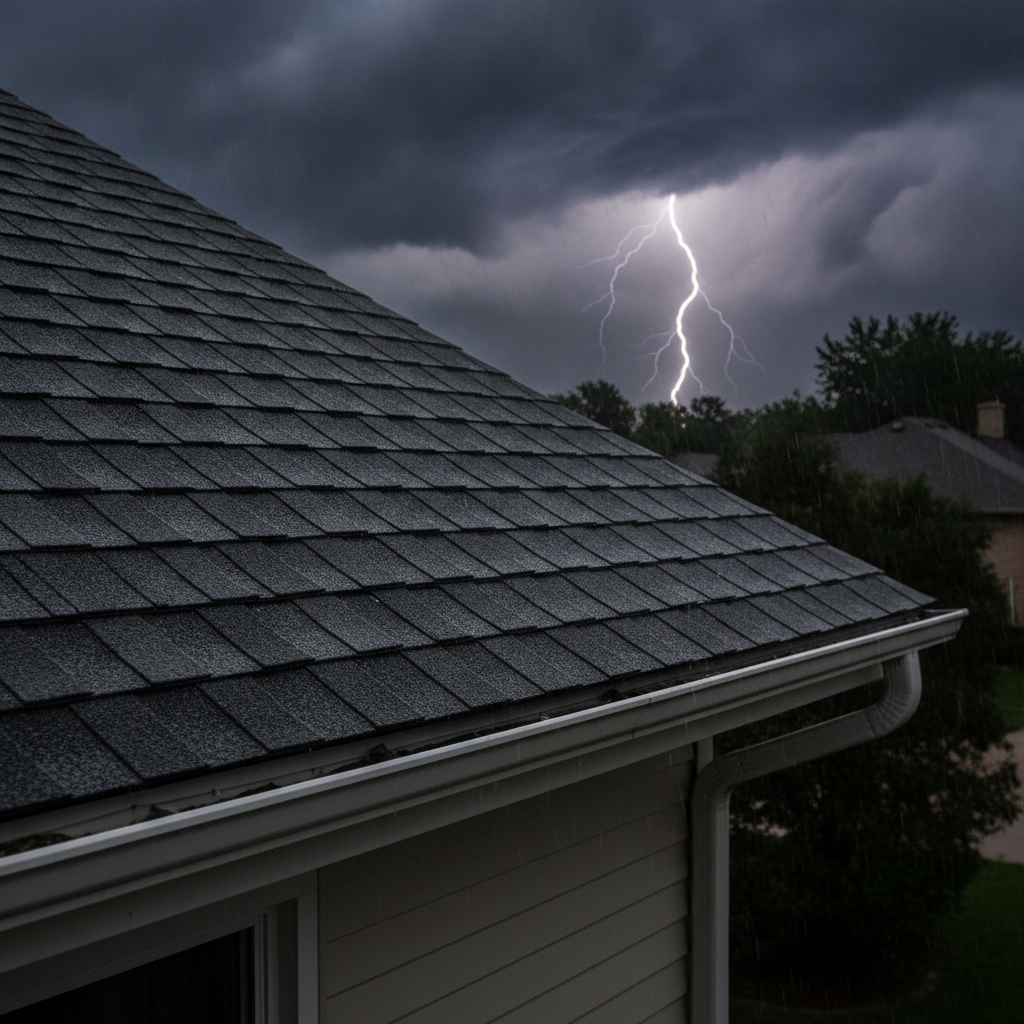
When severe weather strikes, roof safety during storms becomes a top priority for every property owner. The region is no stranger to powerful winds, heavy rain, hail, and even the occasional tornado threat. These extreme conditions can put any roof to the test, risking costly damage and putting your business or home at risk. Whether you own a small business, manage properties, or simply want to protect your investment, understanding how to keep your roof safe during storms is essential. This guide will walk you through practical steps, expert tips, and proven strategies to ensure your roof weathers any storm. By the end, you’ll know exactly what to watch for, how to prepare, and what to do after the skies clear to keep your property secure and your mind at ease.
Roof Safety During Storms in Bloomfield Hills
Roof safety during storms is a critical concern for property owners in this city. The area experiences a range of severe weather events each year, including heavy rains, high winds, and hail. These conditions can quickly compromise even the most well-maintained roofs. To minimize risk, it’s important to understand what makes a roof vulnerable and how you can proactively address these weaknesses before a storm hits.
Start by scheduling regular inspections, especially before storm season. A professional can spot early signs of wear, such as loose shingles, damaged flashing, or clogged gutters. Addressing these issues promptly can be the difference between a minor repair and a major insurance claim. Additionally, make sure your attic is properly ventilated and insulated. This helps prevent moisture buildup, which can weaken your roof’s structure over time.
Another vital step is to keep trees and branches trimmed away from your building. During storms, overhanging limbs can break and fall, causing significant roof damage. Regularly clearing debris from your roof and gutters also prevents water from pooling, which can lead to leaks and rot. If you want to learn more about professional roofing services in the region, there are local experts ready to help.
By taking these proactive measures, you can greatly improve your roof’s resilience and reduce the risk of storm-related damage. Remember, investing a little time and effort now can save you from costly repairs and business interruptions down the line.
Roof Safety During Storms in Bloomfield Hills, MI
Roof safety during storms in Bloomfield Hills, MI is about more than just patching up shingles. It’s about understanding the unique weather patterns of the region and preparing your property accordingly. Local storms can bring sudden wind gusts that lift shingles, while torrential rains test the integrity of every seam and flashing. Even a small vulnerability can quickly escalate into a major leak or structural issue.
One of the most effective ways to safeguard your roof is by choosing high-quality, storm-rated materials during installation or replacement. Impact-resistant shingles, reinforced underlayment, and durable flashing can make a significant difference in how your roof holds up during extreme weather. It’s also wise to work with a contractor who understands the local building codes and has experience with storm-resistant roofing systems.
Routine maintenance is crucial. Check for missing or damaged shingles after every major storm, and inspect the seals around chimneys, vents, and skylights. These areas are common entry points for water. If you notice any issues, address them immediately to prevent further damage. For inspiration on how local businesses have handled roof protection during storms, explore real-world examples from the area.
Finally, don’t underestimate the importance of a well-maintained gutter system. Gutters and downspouts direct water away from your roof and foundation, reducing the risk of leaks and erosion. Clean them regularly, especially after storms, to keep water flowing freely and prevent backups.
Roof Safety During Storms in Bloomfield Hills Michigan
Roof safety during storms in Bloomfield Hills Michigan is a shared concern for residents and business owners alike. The community often faces unpredictable weather, making preparation key to minimizing damage. One of the first steps is to develop an emergency action plan. This includes knowing how to safely access your roof (if necessary), having emergency supplies on hand, and understanding your insurance coverage.
It’s also important to document the condition of your roof before storm season begins. Take clear photographs of your shingles, gutters, and any existing damage. This documentation can be invaluable if you need to file an insurance claim after a storm. Additionally, keep a list of trusted local contractors, so you’re not scrambling to find help when you need it most.
For those who want extra peace of mind, consider scheduling a professional roof inspection. Experts can identify hidden vulnerabilities and recommend specific upgrades or repairs tailored to your property. If you’re looking for a reputable company, Bloomfield Construction is well-known in the neighborhood for their expertise and reliability.
By planning ahead and working with professionals, you can ensure your roof is ready for whatever the weather brings. Preparation today means fewer surprises tomorrow and a safer environment for everyone in your building.
Understanding Storm Risks for Roofs
Severe storms can bring a variety of threats to roofs, from high winds and heavy rain to hail and flying debris. Each type of weather event poses unique challenges. High winds can lift or tear off shingles, exposing the roof deck to water infiltration. Hail can crack or puncture roofing materials, while heavy rain can exploit even the smallest gaps or weaknesses, leading to leaks and water damage.
Understanding these risks is the first step in effective roof safety during storms. It’s important to recognize the signs of storm damage, such as missing shingles, dented gutters, or water stains on ceilings. Early detection allows for prompt repairs, reducing the risk of more extensive problems down the line.
The region’s climate means that storms can strike with little warning. Monitoring weather forecasts and having a plan in place ensures you’re not caught off guard. Keeping emergency contact numbers handy and knowing where to find supplies like tarps and flashlights can make all the difference when a storm is approaching.
Finally, remember that not all storm damage is immediately visible. Schedule a professional inspection after any major weather event to ensure your roof remains in top condition. Proactive attention is the key to long-term roof safety during storms.
Essential Pre-Storm Roof Preparation
Preparation is the cornerstone of roof safety during storms. Before severe weather arrives, take time to perform a thorough inspection of your roof and surrounding property. Look for damaged or missing shingles, loose flashing, and clogged gutters. Addressing these issues early can prevent them from becoming major problems when the storm hits.
Clear debris from your roof and gutters to ensure water can flow freely. Trim back any overhanging branches that could fall and cause damage. Secure outdoor furniture and equipment, as these can become dangerous projectiles in high winds. If you have a flat roof, check for standing water or weak spots that could give way under the pressure of heavy rain.
It’s also wise to review your insurance policy to understand what is covered in the event of storm damage. Take photos of your roof and property for documentation. Having this information on hand can speed up the claims process if you need to file after a storm.
By taking these steps ahead of time, you can significantly reduce the risk of roof damage and ensure your property is as protected as possible. Remember, roof safety during storms starts long before the first raindrop falls.
Best Materials for Storm-Resistant Roofs
Choosing the right materials is essential for roof safety during storms. Not all roofing products are created equal, and some offer superior protection against wind, hail, and water intrusion. Impact-resistant shingles, metal roofing, and synthetic slate are popular choices for their durability and performance in severe weather.
When selecting materials, look for products with high wind and impact ratings. These are tested to withstand the forces of nature common in the region. Reinforced underlayment and water barriers add an extra layer of defense, preventing leaks even if the outer layer is compromised.
It’s also important to consider the installation method. Properly installed materials will perform better and last longer. Work with a contractor who understands the best practices for storm-resistant roofing systems and can recommend the right products for your specific needs.
Investing in quality materials may cost more upfront, but it pays off in reduced maintenance and fewer repairs over the life of your roof. For the best roof safety during storms, prioritize durability and professional installation.
Routine Maintenance for Long-Term Roof Safety
Consistent maintenance is vital for roof safety during storms. A well-maintained roof is less likely to suffer serious damage, even during the harshest weather. Schedule inspections at least twice a year, ideally in the spring and fall, and after any major storm event.
During inspections, look for signs of wear such as cracked or curling shingles, rusted flashing, and loose nails. Pay special attention to areas around chimneys, skylights, and vents, as these are common sources of leaks. Clean your gutters and downspouts regularly to prevent water from backing up onto your roof.
If you notice any issues, address them promptly. Small repairs now can prevent larger, more expensive problems later. Keep a maintenance log to track repairs and inspections, which can also be helpful for insurance purposes.
Remember, roof safety during storms is an ongoing process. Regular care and attention will keep your roof strong and ready to withstand whatever the weather brings.
Emergency Steps During a Storm
When a severe storm is underway, your primary concern should be safety. Avoid going outside or attempting to inspect your roof until conditions are safe. If you notice water leaking inside, place buckets or containers to catch drips and move valuables out of harm’s way.
If you suspect significant roof damage, wait until the storm passes before assessing the situation. Use binoculars from the ground to check for missing shingles or visible holes. Do not climb onto the roof during or immediately after a storm, as surfaces may be slippery and dangerous.
If you need to make temporary repairs, such as covering a hole with a tarp, do so only when it’s safe. Contact a professional as soon as possible for a thorough inspection and permanent repairs. Document any damage with photos for insurance claims.
Roof safety during storms is about preparation and caution. Staying calm and following your emergency plan will help you manage the situation effectively and minimize damage.
Post-Storm Roof Inspection Checklist
After the storm has passed, a thorough inspection is essential for roof safety during storms. Begin by walking around your property and looking for obvious signs of damage, such as missing shingles, dented gutters, or debris on the roof. Use binoculars to inspect hard-to-see areas from the ground.
Check your attic for water stains, damp insulation, or signs of leaks. These can indicate hidden roof damage that needs immediate attention. Inspect the seals around chimneys, skylights, and vents for cracks or gaps.
Document all damage with photos and notes. This will be helpful if you need to file an insurance claim. Contact a professional roofer for a detailed inspection, especially if you notice structural issues or extensive damage.
Address any problems promptly to prevent further deterioration. Timely repairs are key to maintaining roof safety during storms and protecting your investment for the long term.
Table: Common Storm-Related Roof Issues and Solutions
| Issue | Signs | Recommended Solution |
|---|---|---|
| Missing Shingles | Visible gaps, exposed roof deck | Replace shingles promptly |
| Leaks/Water Stains | Ceiling stains, damp attic | Seal leaks, replace damaged materials |
| Clogged Gutters | Overflowing water, debris buildup | Clean gutters and downspouts |
| Damaged Flashing | Loose or bent metal around vents/chimneys | Repair or replace flashing |
| Hail Damage | Dented shingles, granule loss | Inspect and replace affected areas |
Insurance Tips for Storm-Related Roof Damage
Navigating insurance claims after a storm can be challenging, but preparation makes the process smoother. Review your policy in advance to understand what is covered and what your deductible is. Keep detailed records of your roof’s condition, including photos and maintenance logs.
If you experience roof damage during storms, document everything as soon as it’s safe. Take clear photos of the damage, both inside and outside your property. Contact your insurance company promptly to report the incident and start the claims process.
Work with a reputable contractor who can provide a detailed estimate for repairs. This will help support your claim and ensure you receive fair compensation. Stay organized by keeping all correspondence and receipts related to your claim.
Remember, roof safety during storms isn’t just about physical protection. It’s also about financial preparedness. Knowing your coverage and having documentation ready will help you recover quickly after a storm.
The Bottom Line
Roof safety during storms is an ongoing commitment that pays off in peace of mind and property protection. By understanding the risks, preparing your roof with quality materials, and maintaining it regularly, you can greatly reduce the likelihood of storm-related damage. Remember to act quickly after any severe weather, documenting issues and seeking professional help when needed. Whether you’re a business owner, developer, or resident, taking these steps ensures your investment remains secure no matter what the weather brings. Stay proactive, stay prepared, and your roof will stand strong through every storm.