When it comes to protecting your property, understanding how weather patterns and roof damage are interconnected is essential. Whether you’re a small business owner, developer, or simply a resident invested in the longevity of your building, the impact of local weather can’t be ignored. The region experiences a range of weather events, from heavy snow and ice to severe storms and high winds, each bringing its own set of challenges for roofing systems. Recognizing the signs of damage early and knowing what to expect from the climate can save you significant time, money, and stress. In this article, we’ll dive deep into how weather patterns affect storm damage roof repair needs, what to watch for, and how to be proactive in safeguarding your investment. You’ll gain practical insights, actionable tips, and a comprehensive understanding of why weather is such a critical factor in roof health and repair planning.
How Weather Patterns and Roof Damage Impact Bloomfield Hills
The interplay between weather patterns and roof damage is particularly evident in this city. The area’s climate brings a mix of harsh winters, rainy springs, and occasional summer storms, each contributing to unique roofing challenges. For business owners and developers, understanding these patterns is crucial for effective maintenance and timely repairs.
Winter months can be especially taxing. Heavy snow accumulation puts stress on roofing structures, while freeze-thaw cycles can cause shingles to crack or loosen. When snow melts, water can seep into small gaps, leading to leaks or even structural damage if left unaddressed. In spring, the region often experiences heavy rainfall and strong winds, which can strip away protective layers and expose vulnerabilities in the roof. Summer storms, though less frequent, can bring hail and sudden downpours, causing immediate and sometimes severe damage.
For property owners, early detection is key. Signs like missing shingles, water stains on ceilings, or granules collecting in gutters often indicate that weather patterns and roof damage are at play. Regular inspections, especially after major weather events, help catch issues before they escalate. Partnering with a trusted local expert such as Bloomfield Construction ensures that repairs are handled promptly and professionally, minimizing long-term costs and disruptions.
Ultimately, being proactive about roof care in this community means understanding how the climate shapes repair needs. By staying informed and prepared, property owners can extend the life of their roofs and maintain the safety and value of their investments.
Weather Patterns and Roof Damage in Bloomfield Hills, MI
Weather patterns and roof damage are closely linked in Bloomfield Hills, MI, where the climate presents a range of challenges throughout the year. The city’s location subjects it to fluctuating temperatures, significant snowfall, and the occasional severe thunderstorm. Each of these weather events has a direct impact on roofing materials and structures.
Snow and ice are major contributors to roof stress. When snow piles up, the weight can strain rafters and supports, especially on older or poorly maintained roofs. Ice dams, which form when melting snow refreezes at the roof’s edge, can force water under shingles and into the attic, causing leaks and potential mold growth. As temperatures rise and fall, the expansion and contraction of roofing materials can create tiny cracks that worsen over time.
Spring and summer bring their own set of risks. Heavy rains can exploit any weaknesses in the roof’s waterproofing, while high winds may lift or break shingles, leaving the underlying structure exposed. Hail, though less common, can dent metal roofing and shatter tiles or shingles, necessitating immediate attention. These issues often go unnoticed until visible damage or leaks appear.
To address these challenges, it’s important to understand the specific ways that weather patterns and roof damage manifest in this climate. For detailed information on how to identify and respond to these issues, visit the roof damage due to weather patterns resource, which offers expert answers to common questions faced by property owners in the region.
Staying vigilant and scheduling regular roof assessments can help mitigate the effects of local weather, ensuring your property remains protected year-round.
Storm Damage Roof Repair Needs in Bloomfield Hills, Michigan
Storm damage roof repair needs are a top concern for property owners in Bloomfield Hills, Michigan. The region’s storms can be sudden and severe, bringing high winds, heavy rain, and hail that test the resilience of even the best-maintained roofs. Understanding how weather patterns and roof damage interact is crucial for timely repairs and long-term protection.
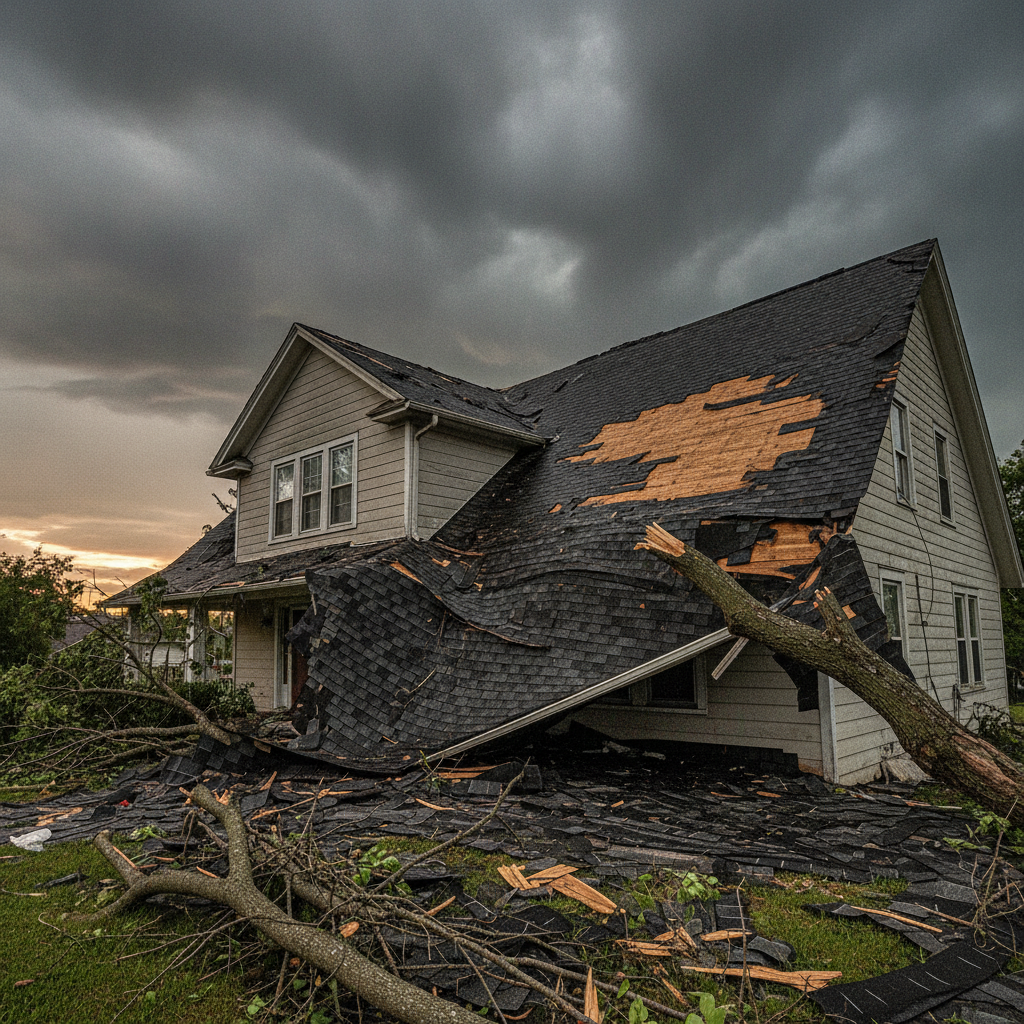
After a major storm, it’s common to find shingles missing, flashing bent or torn away, and gutters clogged with debris. These visible signs are just the tip of the iceberg. Water can infiltrate beneath the roofing surface, causing wood rot, insulation damage, and even electrical hazards if left unchecked. The aftermath of a storm often reveals weaknesses that might have gone unnoticed during milder weather.
For business owners and developers, storm damage can disrupt operations and lead to costly repairs if not addressed swiftly. Insurance claims for storm-related roof repairs are common, but documentation and prompt action are essential for a successful outcome. Keeping a record of inspections and repairs helps streamline the claims process and ensures that all damage is properly assessed.
To stay ahead of storm-related issues, familiarize yourself with the latest insights and advice on storm damage. This resource provides valuable tips on what to look for after a storm, how to prioritize repairs, and when to call in professional help. By taking proactive steps, you can minimize downtime and protect your property investment.
Investing in regular maintenance and understanding the local climate’s impact on your roof will help you respond effectively to storm damage and reduce the risk of future problems.
Choosing the Right Roof Repair Partner Locally
Selecting a reliable partner for roof repairs is critical in this community, where weather patterns and roof damage are ongoing concerns. The right contractor will not only address immediate repair needs but also provide guidance on long-term maintenance tailored to the local climate.
A reputable company brings expertise in handling a variety of roofing materials and is familiar with the specific challenges posed by the region’s weather. They can identify subtle signs of damage that might be missed by an untrained eye, ensuring comprehensive repairs that stand up to future storms. Look for contractors who are licensed, insured, and have a strong track record of customer satisfaction in the area.
It’s also important to choose a partner who offers transparent pricing, clear communication, and detailed documentation of all work performed. This not only protects you during the repair process but also provides valuable records for insurance claims or future property transactions. For those seeking a trusted local expert, Bloomfield Construction is known for its commitment to quality and customer care.
By working with a knowledgeable and experienced roofing professional, you can ensure that your property is prepared for whatever the weather brings, minimizing the risk of unexpected damage and costly repairs down the road.
Understanding Seasonal Weather Patterns and Roof Damage
Seasonal changes play a significant role in determining the types and frequency of roof damage. In the region, winters are marked by freezing temperatures and heavy snow, while spring and summer bring rain, wind, and occasional hail. Each season presents unique risks that can compromise the integrity of roofing systems.
During winter, the accumulation of snow and ice can lead to ice dams, which block proper drainage and force water beneath shingles. This can result in leaks, wood rot, and even structural weakening over time. The freeze-thaw cycle exacerbates these issues, as expanding ice widens existing cracks and creates new entry points for moisture.
Spring is often a time when hidden winter damage becomes apparent. Melting snow reveals missing shingles, damaged flashing, and clogged gutters. Heavy rains test the roof’s waterproofing, while high winds may lift or displace roofing materials. Summer storms, though less frequent, can bring intense wind gusts and hail, causing immediate and sometimes severe damage. The combination of heat and humidity can also accelerate the aging of roofing materials, making them more susceptible to future weather-related issues.
By understanding how each season affects your roof, you can plan timely inspections and maintenance, reducing the risk of costly repairs and extending the life of your investment.
Common Types of Roof Damage from Weather Patterns
Weather patterns and roof damage are closely linked, with certain types of damage occurring more frequently in specific conditions. Recognizing these common issues helps property owners take swift action to prevent further deterioration.
- Shingle Loss: High winds and hail can strip shingles from the roof, exposing the underlayment and wood decking to moisture.
- Cracked or Curled Shingles: Freeze-thaw cycles and prolonged sun exposure can cause shingles to crack, curl, or become brittle.
- Leaks and Water Stains: Heavy rain or melting snow can penetrate weak points, leading to leaks that manifest as water stains on ceilings or walls.
- Granule Loss: Asphalt shingles may lose their protective granules due to hail or wind, reducing their effectiveness against UV rays and water.
- Flashing Damage: Strong winds and ice can dislodge or damage flashing around chimneys, vents, and skylights, creating entry points for water.
By identifying these issues early, property owners can address minor repairs before they escalate into major problems, saving both time and money in the long run.
Table: Weather Events and Their Impact on Roofs
| Weather Event | Typical Roof Damage | Recommended Action |
|---|---|---|
| Heavy Snow | Ice dams, leaks, structural stress | Remove snow, inspect for leaks |
| Rainstorms | Leaks, shingle loss | Check for water stains, repair damaged areas |
| High Winds | Missing or lifted shingles, flashing damage | Secure loose materials, replace shingles |
| Hail | Dented metal, cracked shingles | Inspect for impact damage, replace affected sections |
This table summarizes how different weather events can impact roofs and the recommended actions to mitigate damage. Regular inspections after such events are crucial for early detection and prevention of costly repairs.
Early Signs of Weather-Related Roof Damage
Spotting the early signs of weather patterns and roof damage can make a significant difference in repair costs and property safety. Some indicators are obvious, while others require a more careful inspection.
- Water stains or discoloration on ceilings and walls
- Visible shingle loss or granule buildup in gutters
- Sagging areas on the roof or attic
- Damp or musty odors in the attic
- Peeling paint or mold growth near rooflines
If you notice any of these symptoms, schedule a professional inspection as soon as possible. Addressing minor issues early can prevent them from developing into major, costly repairs.
Proactive Roof Maintenance for All Seasons
Proactive maintenance is the most effective way to combat the effects of weather patterns and roof damage. Regular inspections, timely repairs, and preventive measures can extend the life of your roof and reduce the likelihood of emergency repairs.
- Schedule biannual roof inspections, ideally in spring and fall.
- Clear gutters and downspouts to ensure proper drainage.
- Trim overhanging branches that could damage roofing materials during storms.
- Replace damaged or missing shingles promptly.
- Check attic insulation and ventilation to prevent ice dams and moisture buildup.
By making roof maintenance a regular part of your property care routine, you can catch problems early and avoid the stress and expense of major repairs caused by severe weather.
Insurance and Documentation for Roof Damage Repairs
Navigating insurance claims for weather-related roof damage can be complex, but thorough documentation and prompt action make the process smoother. After a significant weather event, take clear photos of all visible damage, both inside and outside the property. Keep records of inspections, maintenance, and any repairs performed, as these will support your claim.
Contact your insurance provider as soon as possible to report the damage and initiate the claims process. Provide all necessary documentation, including contractor estimates and receipts. Working with a reputable local contractor can also help ensure that repairs meet insurance requirements and are completed to the highest standard.
Staying organized and proactive in your approach to insurance and repairs will help you recover quickly from storm damage and protect your investment for the long term.
Final Thoughts
Understanding the connection between weather patterns and roof damage is essential for property owners in any climate. By staying informed about how local weather impacts roofing systems, recognizing early signs of damage, and partnering with experienced professionals, you can minimize risks and extend the life of your roof. Regular maintenance, timely repairs, and proper documentation not only protect your property but also provide peace of mind through every season. Invest in proactive care today to safeguard your building against the unpredictable forces of nature and ensure long-term value for your investment.