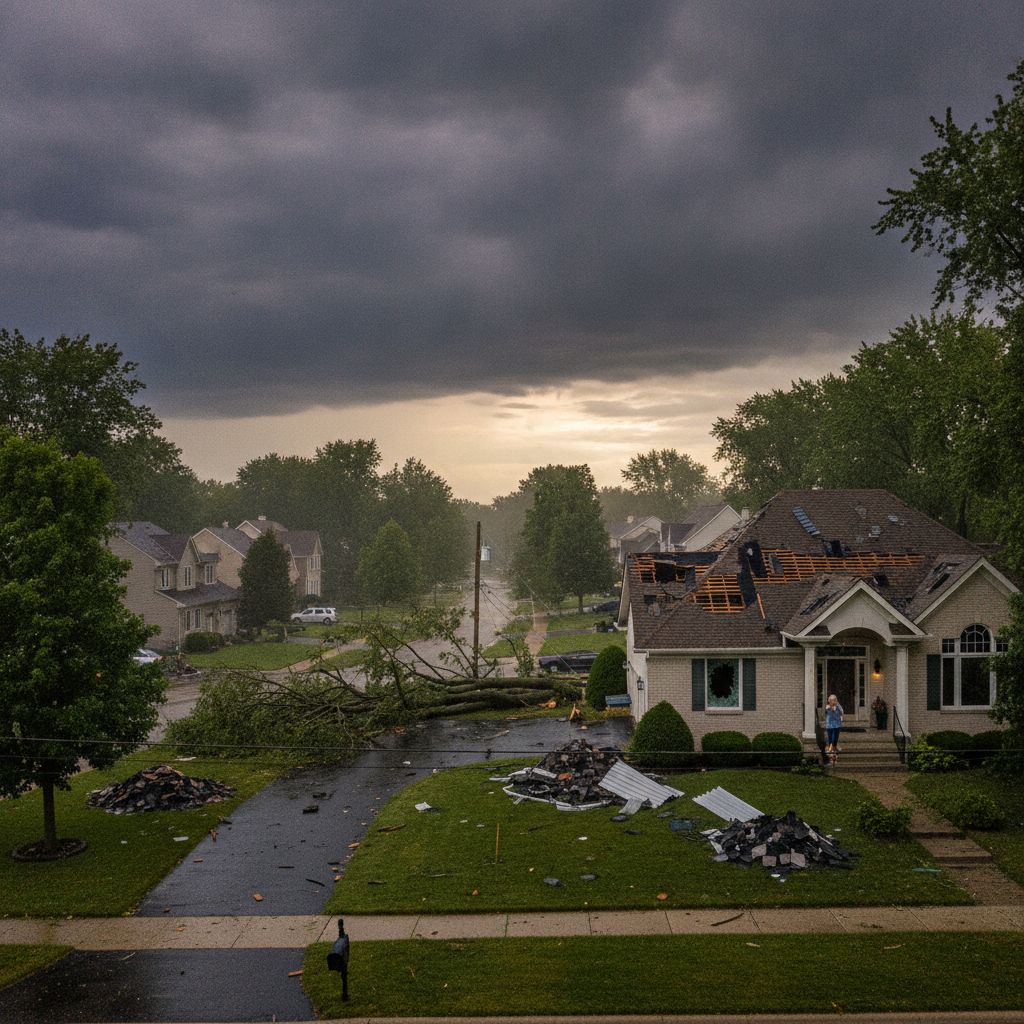
Storms are a fact of life in the Midwest, and for residents and business owners in this community, the impact of severe weather events can be significant. In particular, the severity of storms and roof damage are closely linked, with high winds, hail, and heavy rainfall all posing threats to the structural integrity of both residential and commercial properties. Understanding how different types of storms affect roofs, why some buildings fare better than others, and what proactive steps can be taken to minimize risk is vital for anyone responsible for maintaining property in the area. This article explores the relationship between the severity of storms and roof damage, offering practical insights for small business owners, developers, and local residents alike. From the science of storm formation to the practicalities of roof inspection and repair, we aim to provide a comprehensive guide to safeguarding your investment and ensuring peace of mind, no matter what the weather brings. Whether you’re new to the neighborhood or a long-time property owner, knowing what to look for and how to respond can make all the difference when the next storm rolls in.
How Storm Severity Affects Roof Damage Locally
The relationship between the severity of storms and roof damage is complex and influenced by several factors unique to the region. Local weather patterns bring a mix of high winds, hail, and heavy rain, all of which can compromise roofing materials and structures. When a storm hits, the intensity of wind gusts can rip shingles from rooftops, while hailstones may puncture or crack roofing tiles. Even moderate storms can loosen flashing or expose weak points, setting the stage for water infiltration and long-term deterioration.
For small business owners and developers, understanding these risks is essential for budgeting and planning. The cost of repairs can escalate quickly if minor issues are left unaddressed. Investing in regular inspections and timely maintenance helps identify vulnerabilities before they become costly problems. Additionally, some insurance policies may require documentation of routine care to process claims efficiently after a severe weather event.
After a major storm, it’s crucial to seek out reputable storm damage repair services that understand the unique challenges of the area. These professionals can assess the extent of the damage, recommend effective solutions, and help restore your property to its pre-storm condition. By staying proactive and informed, property owners can better protect their investments and ensure the longevity of their buildings, even in the face of unpredictable weather.
Severity of Storms and Roof Damage in Bloomfield Hills, MI
In recent years, the severity of storms and roof damage in Bloomfield Hills, MI has become a growing concern for property owners. The area has experienced a noticeable increase in the frequency and intensity of severe weather events, including thunderstorms, windstorms, and hailstorms. These events not only cause immediate visible damage but can also lead to hidden issues that compromise the structural integrity of roofs over time.
One of the most significant challenges is detecting damage that isn’t immediately apparent. For example, wind-driven rain can seep under shingles, causing leaks that may not show up until weeks or months later. Hail can bruise or crack roofing materials, reducing their lifespan and making them more susceptible to future storms. Regular inspections, especially after major weather events, are essential to catch these problems early.
To address these challenges, property owners should familiarize themselves with the signs of storm-related roof issues and understand the importance of timely repairs. For more information on how the severity of storms and roof damage are connected, and what steps you can take to protect your property, consult local experts who specialize in storm restoration. Their experience in the region ensures that repairs are tailored to the specific needs and risks faced by homes and businesses here.
Understanding Storm Impact on Roof Damage in Bloomfield Hills, Michigan
The impact of storms on roofs in Bloomfield Hills, Michigan, varies depending on the type and severity of the weather event. Thunderstorms often bring strong winds capable of lifting shingles, while hailstorms can leave behind dents, cracks, and punctures. Heavy rainfall, especially when combined with wind, increases the risk of water intrusion and mold growth within attic spaces.
Local building codes are designed to improve resilience, but even the best-constructed roofs can suffer damage under extreme conditions. The age of the roof, the materials used, and the quality of installation all play a role in determining how well a structure withstands severe weather. For older properties or those with previous repairs, the risk of significant damage is often higher.
To minimize the impact of future storms, property owners should invest in regular maintenance and consider upgrades to more durable roofing materials. Consulting with local professionals can provide valuable insights into the best options for your specific needs. For those interested in learning more about reputable contractors and services in the area, Bloomfield Construction is a trusted name with extensive experience in storm recovery and roof restoration.
Common Types of Roof Damage from Severe Storms
Severe storms can cause a variety of roof damage, each requiring a different approach to repair and prevention. The most common types include missing or broken shingles, punctures from debris or hail, damaged flashing, and leaks resulting from water infiltration. High winds can lift or tear off roofing materials, exposing the underlying structure to further harm. Hail is notorious for creating dents and cracks that may not be immediately visible but can lead to significant issues over time.
In addition to visible damage, storms can also cause hidden problems such as weakened roof decking or compromised insulation. These issues often go unnoticed until a secondary event, like a heavy rainstorm, reveals the extent of the damage. Regular inspections, especially after severe weather, are crucial for identifying and addressing these problems early.
If you suspect your property has been affected by recent storms, it’s important to have a professional assess the situation. For more information on roof damage and the best strategies for repair and prevention, consult with experienced contractors who understand the unique challenges of the local climate.
Key Factors Influencing Storm-Related Roof Damage
Several factors determine how much damage a roof will sustain during a severe storm. The age of the roof is one of the most critical elements. Older roofs may have weakened materials or previous repairs that are more susceptible to wind and water intrusion. The type of roofing material also plays a significant role. Asphalt shingles, metal panels, and clay tiles each respond differently to hail, wind, and rain.
Roof pitch and design can influence how wind and water interact with the structure. Steeper roofs may shed water more effectively, while flat or low-slope roofs are more prone to pooling and leaks. The quality of installation and ongoing maintenance are equally important. Even the best materials can fail if not installed correctly or if routine inspections and repairs are neglected.
Environmental factors such as nearby trees, the presence of debris, and local weather patterns also contribute to the risk of damage. Property owners should be aware of these variables and take steps to mitigate them, such as trimming overhanging branches and clearing gutters regularly.
Table: Comparing Storm Types and Roof Damage Severity
| Storm Type | Typical Roof Damage | Recommended Action |
|---|---|---|
| Thunderstorm (Wind) | Missing shingles, lifted flashing, debris impact | Inspect for loose materials, clear debris |
| Hailstorm | Dented or cracked shingles, punctures | Check for cracks, schedule repairs |
| Heavy Rain | Leaks, water pooling, mold risk | Ensure proper drainage, inspect attic |
| Ice Storm | Ice dams, gutter damage, structural stress | Remove ice safely, check insulation |
Signs of Roof Damage After a Storm
Identifying roof damage after a storm is crucial for preventing more serious issues down the line. Some signs are obvious, such as missing shingles or visible punctures, while others are more subtle. Water stains on ceilings or walls, damp insulation in the attic, and unexplained increases in energy bills can all indicate hidden problems. It’s important to conduct a thorough inspection both inside and outside the property after any significant weather event.
Look for granules from asphalt shingles accumulating in gutters, as this can signal wear and tear from hail or wind. Check for bent or detached flashing around chimneys and vents, as these areas are particularly vulnerable to water intrusion. If you notice any of these signs, contact a professional for a comprehensive assessment and prompt repairs.
Early detection and intervention are key to minimizing repair costs and extending the life of your roof. Regular maintenance and post-storm inspections should be part of every property owner’s routine.
Preventative Measures for Minimizing Roof Damage
Taking proactive steps to protect your roof from storm damage can save time, money, and stress. Start by scheduling regular inspections, especially before and after storm season. Address minor repairs promptly to prevent them from escalating into major problems. Consider upgrading to impact-resistant roofing materials if your current roof is nearing the end of its lifespan.
Ensure gutters and downspouts are clear of debris to allow for proper drainage. Trim overhanging branches and remove any loose objects from the yard that could become projectiles during high winds. Reinforce vulnerable areas such as flashing, vents, and skylights with high-quality sealants and materials designed to withstand severe weather.
For business owners and developers, creating a maintenance plan that includes regular roof assessments and emergency response protocols can help minimize downtime and protect valuable assets. Investing in preventative measures is a smart strategy for anyone looking to reduce the risk of storm-related roof damage.
The Role of Insurance in Storm and Roof Damage Recovery
Insurance plays a critical role in the recovery process after a severe storm. Most property insurance policies cover storm-related roof damage, but the extent of coverage can vary. It’s important to review your policy regularly and understand what is and isn’t included. Some policies may require proof of regular maintenance or exclude certain types of damage, such as those caused by neglect or pre-existing conditions.
After a storm, document all damage with photos and detailed notes. Contact your insurance provider as soon as possible to start the claims process. Working with a reputable contractor who can provide thorough assessments and accurate repair estimates will help ensure a smooth and efficient recovery. Keep records of all communications and repairs for future reference.
Understanding your insurance coverage and being prepared with the necessary documentation can make a significant difference in the aftermath of a severe weather event. Don’t wait until disaster strikes, take the time now to review your policy and make any necessary updates.
Steps to Take Immediately After a Storm
When a storm passes, quick action is essential to minimize further damage and start the recovery process. Begin by ensuring the safety of everyone on the property, avoid downed power lines and unstable structures. Once it’s safe, conduct a preliminary inspection from the ground, looking for obvious signs of roof damage such as missing shingles, debris, or sagging areas.
If you suspect damage, avoid climbing onto the roof yourself. Instead, contact a professional roofing contractor to perform a thorough assessment. Take photos of any visible damage and keep detailed notes for insurance purposes. Cover any exposed areas with tarps or temporary materials to prevent water intrusion until permanent repairs can be made.
Prompt action can help prevent minor issues from becoming major problems. Establishing a relationship with a trusted local contractor before a storm hits ensures you have reliable support when you need it most. Having an emergency plan in place can make all the difference in protecting your property and ensuring a swift recovery.
Final Thoughts
The connection between the severity of storms and roof damage is undeniable, especially in regions prone to unpredictable weather. By understanding the risks, recognizing the signs of damage, and taking proactive steps to protect your property, you can minimize the impact of even the most severe storms. Regular maintenance, timely repairs, and a solid insurance plan are essential tools for every property owner in this city. Stay informed, stay prepared, and remember that expert help is always available when you need it most. Your roof is your first line of defense, make sure it’s ready for whatever nature has in store.