Storms can strike with little warning, leaving property owners scrambling to assess the aftermath. Whether you own a small business, manage properties, or simply care about protecting your investment, understanding when roof replacement is necessary after storm damage is crucial. The decision is not always straightforward, and it can have significant financial and operational implications. In this article, we’ll demystify the process, explore the signs that indicate a need for roof replacement after storm damage, and provide actionable steps for property owners in the area. We’ll also discuss the unique challenges faced by local businesses and residents, and how to navigate insurance claims and restoration services. By the end, you’ll know exactly what to look for, how to respond after a storm, and when it’s time to consider a full roof replacement to keep your property safe and secure.
Roof Replacement After Storm Damage in Bloomfield Hills
When severe weather hits, the aftermath can leave property owners questioning the structural integrity of their roofs. Roof replacement after storm damage is a topic that every local business and homeowner should understand. Storms can bring high winds, hail, and heavy rain, all of which can compromise roofing materials, leading to leaks, mold, and even structural hazards if not addressed promptly. The key question is: when is a simple repair enough, and when is a full replacement necessary?
The answer depends on several factors, including the age of your roof, the extent of the damage, and the type of roofing material. For example, asphalt shingles may show obvious signs like missing or curled pieces, while flat commercial roofs might develop subtle leaks that worsen over time. In some cases, damage is so widespread that patching is not a viable long-term solution. This is when roof replacement after storm damage becomes the best option for protecting your property and investment.
For those unsure about the next steps, consulting with professionals experienced in Bloomfield Hills roof replacement after storm events can provide clarity and peace of mind. These experts can help you assess whether your roof can be salvaged or if replacement is the safer, more cost-effective route. Remember, acting swiftly after a storm can prevent further issues like water infiltration, mold growth, and increased repair costs down the line.
It’s also important to document any visible damage immediately after the storm. Take photographs, keep notes, and contact your insurance provider to start the claims process if necessary. This documentation is invaluable if you decide to pursue roof replacement after storm damage, as it supports your case and expedites the restoration process. Ultimately, making an informed decision protects your property, your business, and your peace of mind.
Roof Replacement Storm Damage in Bloomfield Hills, MI
In the region, storms can be unpredictable and intense, causing everything from minor shingle loss to catastrophic structural failures. For business owners and residents alike, the process of evaluating roof replacement after storm damage is both a practical and financial concern. The unique climate here, with its mix of heavy snow, rain, and wind, means that roofs are put to the test year-round. When a major weather event occurs, it’s essential to act quickly and methodically.
One of the first steps after a storm is to schedule a professional inspection. Trained roofing specialists can identify both obvious and hidden signs of damage, such as bruised shingles, punctures, or compromised flashing. In many cases, issues that seem minor at first glance can escalate into major problems if left untreated. That’s why roof replacement after storm damage is sometimes the only way to ensure the long-term safety and performance of your building.
For those managing commercial properties, the stakes are even higher. A compromised roof can disrupt operations, endanger inventory, and pose liability risks. By partnering with local storm damage roofing services, you gain access to experts who understand the specific challenges of the area’s weather patterns and building codes. They can help you navigate insurance claims, select the right materials, and complete the job efficiently.
It’s also worth noting that roof replacement after storm damage can sometimes be covered by insurance, especially when the damage is sudden and clearly linked to a weather event. Working with experienced contractors ensures that your documentation and claim are handled correctly, increasing the likelihood of a favorable outcome. Whether you’re a small business owner or a homeowner, investing in a thorough assessment and, if needed, a full replacement can save you significant time, money, and stress in the long run.
Roof Replacement Storm Damage in Bloomfield Hills Michigan
The decision to pursue roof replacement after storm damage in this community is not one to take lightly. The area’s diverse architecture, from historic homes to modern commercial buildings, means that each property presents unique challenges when it comes to restoration. Local contractors, such as Bloomfield Construction, bring valuable expertise and a deep understanding of the neighborhood’s needs, ensuring that your roof replacement is tailored to your specific situation.
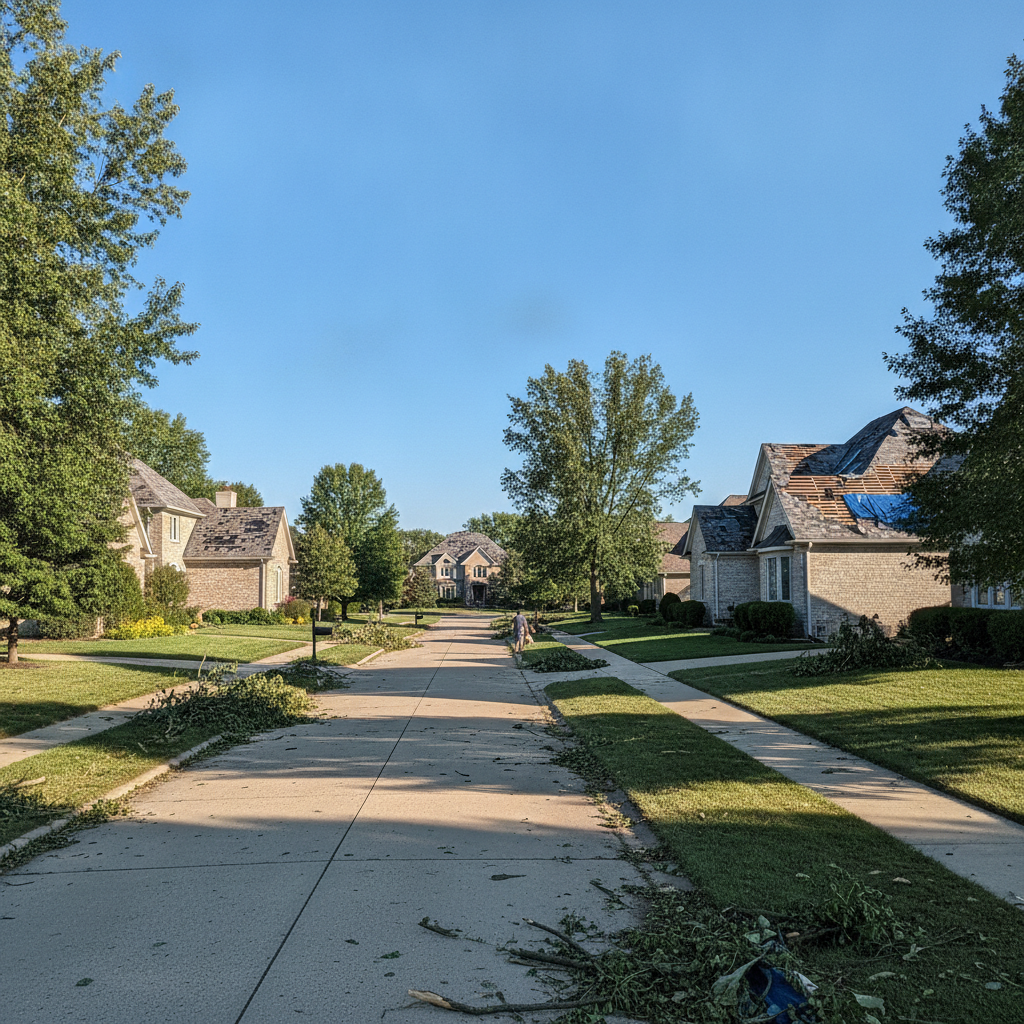
Storm damage can manifest in many forms: torn shingles, damaged gutters, water stains on ceilings, or even sagging rooflines. For business owners, these issues can disrupt daily operations and impact customer confidence. For homeowners, they threaten the safety and comfort of your family. That’s why roof replacement after storm damage is not just about aesthetics, it’s about restoring the integrity and value of your property.
A thorough inspection by a trusted local contractor is the first step. They’ll assess the full extent of the damage, provide a detailed estimate, and help you weigh the pros and cons of repair versus replacement. In many cases, if more than 25-30% of the roof is compromised, a full replacement is the most cost-effective and reliable solution. This approach ensures that your property is protected from future storms and meets all current building codes.
Ultimately, roof replacement after storm damage is an investment in your property’s longevity and your own peace of mind. By working with experienced professionals who understand the unique needs of the region, you can navigate the process smoothly and confidently, knowing that your property is in good hands.
Signs Your Roof Needs Replacement After a Storm
Recognizing when roof replacement after storm damage is necessary can save you from costly repairs and further complications. While some signs are obvious, others may be subtle and require a trained eye. Here are key indicators that your property may need a new roof following a severe weather event:
- Missing, cracked, or curled shingles
- Granule loss on asphalt shingles, leaving bald spots
- Leaks or water stains on ceilings and walls
- Sagging or uneven rooflines
- Visible holes or punctures from debris
- Damaged flashing around chimneys, vents, or skylights
- Mold, mildew, or rot in the attic or on rafters
If you notice one or more of these issues after a storm, it’s wise to contact a professional for a comprehensive inspection. Sometimes, damage is not immediately visible from the ground, especially on flat or low-slope roofs. A qualified roofing contractor can safely assess the situation and recommend whether roof replacement after storm damage is warranted. Acting quickly minimizes the risk of further deterioration, protects your property’s value, and ensures the safety of everyone inside.
Understanding the Roof Replacement Process
Once you’ve determined that roof replacement after storm damage is necessary, understanding the process can help set expectations and reduce stress. Here’s a general overview of what to expect:
- Initial Inspection: A roofing professional assesses the extent of the storm damage and provides a detailed report.
- Estimate and Proposal: You’ll receive a written estimate outlining the scope of work, materials, timeline, and costs.
- Insurance Coordination: If applicable, your contractor can help you navigate the insurance claim process, ensuring all damage is documented and covered where possible.
- Material Selection: Choose roofing materials that best suit your building’s needs, climate, and budget.
- Scheduling and Preparation: The contractor schedules the replacement, secures permits, and prepares the site for work.
- Removal and Installation: The old roofing is removed, repairs to the underlying structure are made if needed, and the new roof is installed.
- Final Inspection and Cleanup: The contractor inspects the finished roof, addresses any concerns, and ensures the property is left clean and safe.
By understanding each step, property owners can make informed decisions and avoid surprises. Communication with your contractor is key; don’t hesitate to ask questions and request updates throughout the process. Roof replacement after storm damage is a significant project, but with the right team, it can be completed efficiently and with minimal disruption to your daily life or business operations.
Roof Replacement vs. Repair: Making the Right Choice
One of the most common questions after a severe storm is whether to repair the existing roof or opt for a complete roof replacement after storm damage. The answer depends on several factors, including the extent of the damage, the age of the roof, and your long-term goals for the property.
Repairs are often sufficient for minor, localized damage. For example, if only a few shingles are missing or a small section of flashing is compromised, a targeted repair may restore the roof’s integrity. However, if the damage is widespread, affects multiple areas, or the roof is nearing the end of its expected lifespan, replacement is usually the better investment.
A full roof replacement after storm damage offers several advantages:
- Restores the entire roofing system to optimal condition
- Provides a fresh warranty and peace of mind
- Improves energy efficiency and curb appeal
- Reduces the risk of future leaks or failures
Ultimately, the decision should be based on a professional assessment and a clear understanding of your property’s needs. Investing in roof replacement after storm damage can save money in the long run by preventing recurring issues and protecting your property’s value.
How Insurance Impacts Roof Replacement After Storm Damage
Insurance plays a significant role in the decision to pursue roof replacement after storm damage. Most property insurance policies cover sudden and accidental damage caused by weather events, but the specifics can vary widely. Understanding your policy and working with experienced contractors can make the process smoother and more successful.
Here’s how insurance typically impacts roof replacement after storm damage:
- Documentation is critical: Take photos and keep detailed records of all damage and repairs.
- Prompt reporting: Notify your insurance company as soon as possible after the storm.
- Professional inspection: An expert assessment can support your claim and ensure all damage is included.
- Coordination with adjusters: Your contractor can help communicate with insurance adjusters and advocate for necessary repairs or replacement.
- Understanding coverage: Policies may cover full replacement, partial repairs, or have exclusions for certain types of damage or materials.
Navigating insurance claims can be complex, but with the right documentation and support, you can maximize your coverage and minimize out-of-pocket costs for roof replacement after storm damage. Always read your policy carefully and consult with professionals who have experience in storm restoration claims.
Cost Factors for Roof Replacement After Storm Damage
The cost of roof replacement after storm damage can vary significantly depending on several factors. Understanding these variables can help you budget effectively and make informed decisions about your property.
| Cost Factor | Description |
|---|---|
| Roof Size | Larger roofs require more materials and labor, increasing total costs. |
| Material Type | Asphalt shingles, metal, tile, and flat roofing all have different price points. |
| Extent of Damage | Severe damage may require structural repairs in addition to roof replacement. |
| Labor Costs | Experienced contractors may charge more, but often deliver better results and warranties. |
| Permits and Codes | Local regulations may require permits or upgrades, impacting final costs. |
| Insurance Coverage | Insurance may offset some or all costs, depending on your policy and claim outcome. |
Requesting detailed estimates from multiple contractors can help you compare options and understand the full scope of work required. Remember, the lowest bid isn’t always the best choice, quality materials and workmanship are essential for a long-lasting roof replacement after storm damage.
Choosing the Right Contractor for Roof Replacement
Selecting a qualified contractor is one of the most important decisions you’ll make when pursuing roof replacement after storm damage. The right professional can ensure a smooth process, high-quality results, and lasting protection for your property.
Here are key qualities to look for in a roofing contractor:
- Licensed and insured in your state
- Experience with storm restoration and insurance claims
- Strong local reputation and references
- Clear, detailed written estimates
- Warranties on materials and labor
- Good communication and responsiveness
Don’t hesitate to ask questions about their experience with roof replacement after storm damage, request proof of insurance, and check online reviews. A reputable contractor will be transparent, provide clear timelines, and keep you informed throughout the project. Choosing the right partner is essential for a successful roof replacement and long-term peace of mind.
Preventative Steps to Minimize Storm Damage
While it’s impossible to control the weather, there are proactive measures property owners can take to reduce the risk of needing roof replacement after storm damage. Regular maintenance and timely repairs are your first line of defense against severe weather.
- Schedule annual roof inspections to catch minor issues early.
- Keep gutters and downspouts clear to prevent water backup and ice dams.
- Trim overhanging branches that could fall during storms.
- Secure loose shingles, flashing, and other materials before storm season.
- Invest in impact-resistant roofing materials if you live in a high-risk area.
By taking these steps, you can extend the life of your roof and reduce the likelihood of costly roof replacement after storm damage. Preventative maintenance is an investment that pays off by safeguarding your property and minimizing disruptions to your business or household.
Key Takeaways
Deciding whether roof replacement after storm damage is necessary can be challenging, but being informed makes all the difference. By recognizing the signs of severe damage, understanding the replacement process, and working with experienced professionals, you can protect your property and investment for years to come. Remember to document damage, consult with your insurance provider, and choose a reputable contractor to ensure the best outcome. Proactive maintenance and timely action are your best defenses against the unpredictable forces of nature. Whether you’re a business owner or a homeowner in the area, staying prepared and informed will help you weather any storm with confidence.