Storms can strike unexpectedly, leaving behind a trail of damage that can be overwhelming for property owners. When your roof takes the brunt of severe weather, knowing how to navigate the storm damage claim process is crucial to restoring your property and peace of mind. Whether you’re a small business owner, a developer, or simply a concerned resident, understanding the steps to take immediately after a storm, how to document the damage, and how to work with insurance companies can make all the difference. In this comprehensive guide, we’ll walk you through every aspect of making a claim for storm damage roof repair, from assessing the initial impact to ensuring your repairs are completed professionally. By the end, you’ll feel confident in your ability to handle the process efficiently and maximize your chances of a successful claim. Let’s get started on securing your property and safeguarding your investment.
Storm Damage Claim Process in the Area
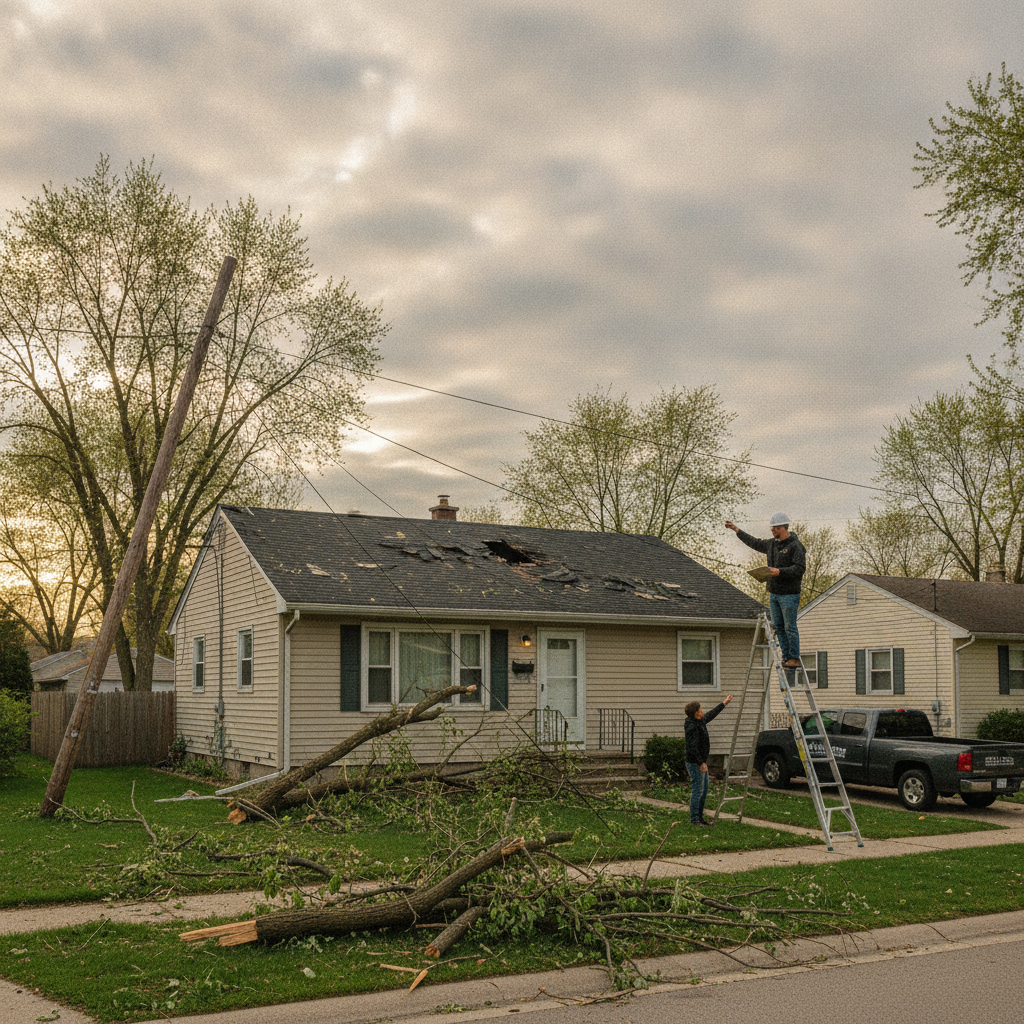
The storm damage claim process is a critical sequence of steps that ensures your roof is repaired and your property is protected after severe weather events. In the area, storms often bring high winds, hail, and heavy rain, all of which can compromise the integrity of your roofing system. The first step after a storm is to ensure everyone’s safety. Once it is safe to do so, inspect your property from the ground and look for visible signs of roof damage, such as missing shingles, dents, or debris. Avoid climbing onto the roof yourself, as it may be unstable.
After assessing the visible damage, it’s essential to document everything thoroughly. Take clear, time-stamped photos and videos of the affected areas. This documentation will be invaluable during the storm damage claim process, as it provides evidence for your insurance company. Next, review your insurance policy to understand your coverage, deductibles, and any specific requirements for claims related to storm damage roof repair.
Prompt communication with your insurance provider is key. Contact them as soon as possible to initiate your claim. Be prepared to provide detailed information about the storm, the damage, and your documentation. Many insurers have strict timelines for reporting storm-related claims, so acting quickly can prevent unnecessary delays or complications.
If you’re unsure about the next steps, or if your roof damage is extensive, consider filing a storm damage claim in Bloomfield Hills with a local restoration expert. Professionals can help you navigate the process, assess hidden damage, and advocate for your best interests throughout the claim. By following these initial steps, you set the foundation for a smooth and successful storm damage claim process that protects your property and investment.
Storm Damage Claim Process in Bloomfield Hills, MI
Navigating the storm damage claim process in Bloomfield Hills, MI, can seem daunting, but understanding local considerations makes it more manageable. The region experiences diverse weather patterns, including hail, windstorms, and heavy snowfall, all of which can cause significant roof damage. After a storm, it’s important to act quickly to prevent further deterioration and to ensure your claim is processed efficiently.
Begin by contacting a reputable local roofing contractor for a professional inspection. These experts are familiar with the specific challenges posed by the area’s climate and can identify both obvious and hidden damage. Their detailed inspection report will be a valuable asset during your storm damage claim process, as insurance adjusters often rely on professional assessments to determine coverage and repair needs.
When working with your insurance company, provide all documentation, including photos, videos, and the contractor’s report. Be transparent and thorough in your communication. Keep a record of all correspondence, including emails and phone calls, as this can help resolve any disputes or misunderstandings later on. If your claim is denied or underpaid, you have the right to appeal or request a re-inspection.
For those seeking guidance, the storm damage claim process in Bloomfield Hills is supported by local professionals who understand the nuances of insurance policies and can help you maximize your claim. By leveraging their expertise, you can ensure that your roof is restored to its pre-storm condition and that your property is protected against future weather events.
Storm Damage Claim Process in Bloomfield Hills Michigan
The storm damage claim process in Bloomfield Hills Michigan, involves several important steps that property owners should follow to ensure a successful outcome. After a severe storm, it’s vital to act quickly and methodically. Start by securing your property to prevent additional damage, such as covering exposed areas with tarps or boards. This mitigation step is often required by insurance policies and demonstrates your commitment to protecting your investment.
Next, gather all necessary documentation, including detailed photos, repair estimates, and receipts for any temporary repairs. Submit this information to your insurance provider along with your claim form. The insurance company will assign an adjuster to assess the damage, so be prepared to provide access to your property and answer any questions they may have.
Throughout the storm damage claim process, maintain open communication with your insurer and your chosen contractor. If you encounter challenges, such as delays or disagreements over coverage, don’t hesitate to seek professional advice. Local experts, like Bloomfield Construction, have extensive experience with storm damage claims and can help you navigate the process from start to finish.
By following these steps and working with trusted professionals, you can streamline the storm damage claim process in Bloomfield Hills Michigan, ensuring your roof is repaired promptly and your property is restored to its original condition.
Identifying Storm Damage on Your Roof
Recognizing the signs of storm damage on your roof is an essential part of the storm damage claim process. After a severe weather event, inspect your property from the ground and look for indicators such as missing or broken shingles, dented metal components, cracked tiles, or granule loss on asphalt shingles. Water stains on ceilings or walls inside your property may also signal a roof leak caused by storm damage.
Other signs to watch for include damaged flashing around chimneys or vents, sagging rooflines, and debris accumulation. If you notice any of these issues, it’s important to document them thoroughly with photographs and notes. Avoid climbing onto the roof yourself, as it may be unsafe after a storm. Instead, contact a professional roofing contractor to perform a comprehensive inspection. Their expertise ensures that all damage is identified, including less obvious issues that could compromise your roof’s integrity over time.
By promptly identifying and documenting storm damage, you strengthen your storm damage claim process and increase the likelihood of a successful insurance claim. This proactive approach helps protect your property and ensures that repairs are completed before minor issues become major problems.
Documenting Roof Damage for Your Claim
Thorough documentation is a cornerstone of the storm damage claim process. As soon as it is safe, take clear, high-resolution photos and videos of all affected areas, both inside and outside your property. Capture wide shots to show the overall extent of the damage, as well as close-ups of specific issues such as broken shingles, punctures, or water stains.
Create a detailed written record that includes the date and time of the storm, descriptions of the damage, and any immediate repairs you made to prevent further harm. Keep all receipts for materials or services related to temporary repairs. If possible, obtain a professional inspection report from a licensed roofing contractor, as their assessment will carry significant weight with your insurance company.
Organizing your documentation in a digital folder or binder makes it easy to share with your insurance adjuster and ensures nothing is overlooked. This meticulous approach not only streamlines the storm damage claim process but also helps you receive fair compensation for your repairs.
Working with Insurance Adjusters
Once your storm damage claim process is underway, an insurance adjuster will visit your property to assess the extent of the damage. It’s important to be present during this inspection to answer questions and provide your documentation. Share your photos, videos, and contractor’s report to support your claim.
Be polite and cooperative, but also assertive in ensuring all damage is properly noted. If you have concerns about the adjuster’s findings, request a copy of their report and compare it to your own documentation. If discrepancies arise, you can ask for a second opinion or bring in an independent adjuster.
Clear communication and thorough documentation are key to a successful storm damage claim process. By actively participating in the adjuster’s visit and advocating for your property, you increase the likelihood of a fair settlement and prompt repairs.
Understanding Your Insurance Policy
A successful storm damage claim process begins with a clear understanding of your insurance policy. Review your policy documents to identify what types of storm damage are covered, your deductible amount, and any exclusions or limitations. Pay special attention to terms related to wind, hail, and water damage, as these are common causes of roof issues in the region.
If you’re unsure about any aspect of your coverage, contact your insurance agent for clarification. Understanding your policy helps you set realistic expectations for your claim and ensures you provide the necessary information to your insurer. It also helps you avoid surprises, such as denied claims or out-of-pocket expenses for uncovered damage.
By familiarizing yourself with your insurance policy, you empower yourself to navigate the storm damage claim process confidently and efficiently.
Choosing the Right Roofing Contractor
Selecting a reputable roofing contractor is a vital part of the storm damage claim process. Look for contractors with experience in storm damage repairs and a strong reputation in the community. Verify their credentials, including licensing, insurance, and references from past clients.
A trustworthy contractor will provide a detailed written estimate, explain the scope of work, and communicate clearly throughout the project. They should also be familiar with the insurance claim process and willing to work with your adjuster to ensure all necessary repairs are covered.
Avoid contractors who pressure you to sign contracts immediately or request large upfront payments. Take the time to compare quotes and choose a contractor who prioritizes quality workmanship and customer service. The right contractor will help you navigate the storm damage claim process smoothly and ensure your roof is restored to its original condition.
Timeline of the Storm Damage Claim Process
Understanding the typical timeline for the storm damage claim process can help you manage expectations and plan accordingly. While each claim is unique, the process generally follows these steps:
| Step | Estimated Timeframe |
|---|---|
| Initial Damage Assessment | 1-2 days after storm |
| Contacting Insurance Provider | Within 1-3 days |
| Inspection by Adjuster | 3-7 days after claim filed |
| Claim Approval/Denial | 7-14 days |
| Roof Repairs Begin | 1-2 weeks after approval |
| Final Inspection & Payment | After repairs completed |
By understanding this timeline, you can anticipate each stage of the storm damage claim process and take proactive steps to keep your claim moving forward. Staying organized and responsive throughout each phase helps ensure a smooth and timely resolution.
Common Challenges and How to Overcome Them
The storm damage claim process can present several challenges, from delayed responses to disputes over coverage amounts. One common issue is insufficient documentation, which can lead to underpaid claims or denials. To avoid this, be meticulous in gathering evidence and keep thorough records of all communications and repairs.
Another challenge is disagreements with insurance adjusters regarding the scope or cost of repairs. If you believe your claim has been undervalued, request a second inspection or consult with an independent adjuster. Working with a reputable contractor who understands the storm damage claim process can also help you advocate for a fair settlement.
Delays in claim processing are another frustration. Stay proactive by following up regularly with your insurance company and providing any requested information promptly. If you encounter persistent issues, consider seeking assistance from a public adjuster or legal professional who specializes in insurance claims. By anticipating these challenges and preparing accordingly, you can navigate the storm damage claim process with confidence and achieve the best possible outcome for your property.
Final Thoughts
Dealing with storm damage can be a stressful experience, but understanding the storm damage claim process empowers you to take control and protect your property. By acting quickly, documenting damage thoroughly, and working with trusted professionals, you can navigate each step with confidence. Remember to review your insurance policy, communicate clearly with your insurer, and choose a reputable contractor for your repairs. With the right approach, you’ll not only restore your roof but also gain peace of mind knowing your property is secure. The storm damage claim process may seem complex, but with preparation and persistence, you can achieve a successful outcome and safeguard your investment for years to come.