Experiencing water damage in your home or business can be overwhelming, but knowing the right post-cleanup tips can make all the difference in your recovery process. Whether you’re a homeowner, developer, or small business owner, understanding how to approach cleanup after a flood or leak is critical for restoring property value, ensuring safety, and preventing future issues. In this comprehensive guide, we’ll walk you through the most effective post-cleanup tips, from assessing structural integrity to preventing mold and dealing with insurance claims. We’ll also address the unique challenges faced by residents in this community and provide practical advice to help you bounce back quickly and efficiently. By the end, you’ll have a clear roadmap for turning a stressful situation into a successful restoration, all while protecting your investment and peace of mind.
Post-Cleanup Tips for the Area
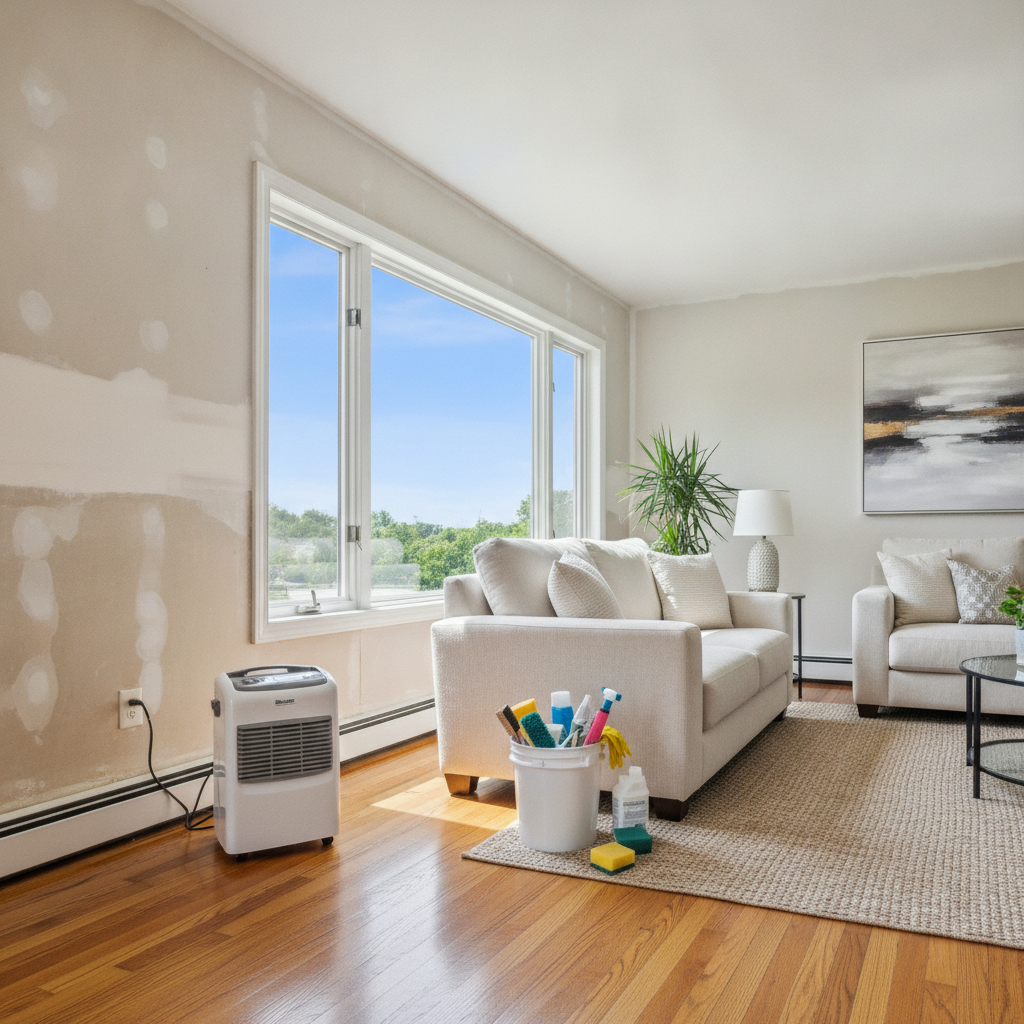
After water damage, the first priority is to ensure that your property is safe and structurally sound. Begin by inspecting walls, ceilings, and floors for signs of warping, buckling, or soft spots. If you notice any unusual odors or visible mold, it’s essential to address these issues immediately. One of the most important post-cleanup tips is to ventilate the affected areas thoroughly. Open windows and use fans or dehumidifiers to help dry out residual moisture, which can linger even after visible water is removed.
Another key step is to document all damage before making repairs. Take photographs and make detailed notes of affected areas, as this information will be crucial when dealing with insurance claims. Remember, water damage can compromise electrical systems, so avoid turning on lights or appliances in wet areas until a professional has inspected them. For residents and business owners in the neighborhood, working with local professionals who understand the unique climate and building styles can make the restoration process smoother and more effective.
If your roof has been compromised, you may need specialized flood and water damage services to prevent further issues. Addressing roof leaks quickly can help you avoid more extensive repairs down the line. By following these post-cleanup tips, you’ll be well on your way to restoring your property and minimizing long-term damage.
Post-Cleanup Tips for Bloomfield Hills, MI
For those living or working in Bloomfield Hills, MI, water damage often brings unique challenges due to the region’s seasonal weather patterns. Heavy rains and snowmelt can lead to basement flooding or leaks in older structures. One of the most valuable post-cleanup tips for this area is to focus on moisture control. After the initial cleanup, keep monitoring humidity levels using a hygrometer. Maintaining indoor humidity below 60% helps prevent mold growth and further deterioration of building materials.
Another crucial tip is to inspect insulation and drywall for hidden moisture. Even if surfaces appear dry, water can be trapped inside walls or under floors, creating a breeding ground for mold and mildew. Remove and replace any materials that cannot be thoroughly dried. Additionally, check crawl spaces and attics, as these areas are often overlooked but can harbor lingering moisture.
If your property has experienced significant damage, consider reaching out for professional storm damage recovery services. Local experts are familiar with the specific needs of this community and can provide tailored solutions for both residential and commercial properties. By implementing these post-cleanup tips, you’ll protect your investment and ensure a safer, healthier environment for everyone.
Post-Cleanup Tips for Bloomfield Hills Michigan Residents
Residents of Bloomfield Hills Michigan know that water damage can strike unexpectedly, often leaving behind a trail of destruction. One of the top post-cleanup tips is to prioritize air quality. After the initial cleanup, use HEPA air purifiers to capture airborne mold spores and allergens. This step is especially important for families with young children, seniors, or anyone with respiratory issues.
Next, pay close attention to your home’s foundation and exterior drainage systems. Ensure gutters and downspouts are clear of debris and direct water away from your property. Proper grading around your home can prevent future water intrusion. It’s also wise to inspect sump pumps and backup systems regularly, as these devices are your first line of defense during heavy storms.
For those seeking trusted help, Bloomfield Construction is a reputable local resource. Their experience with post-cleanup tips and restoration ensures that your property is in good hands. By following these recommendations, you’ll not only recover faster but also build resilience against future water-related incidents.
Assessing Structural Integrity After Water Damage
Once the immediate threat of water has been addressed, it’s essential to assess the structural integrity of your property. Begin with a visual inspection of load-bearing walls, beams, and supports. Look for signs of sagging, cracking, or shifting. Even minor changes can indicate underlying issues that require professional attention.
Floors and subfloors are especially vulnerable to water damage. Walk through each room and note any unevenness or soft spots. If you notice creaking or bowing, it may be necessary to remove flooring to inspect the substructure. Don’t overlook ceilings, as water can pool above and cause hidden damage. If you see stains or bubbling paint, investigate further to prevent collapse or mold growth.
Engaging a licensed contractor or structural engineer is one of the best post-cleanup tips for ensuring your property’s safety. They can provide a thorough assessment and recommend repairs or reinforcements as needed. Taking these steps early can save time, money, and headaches in the long run.
Preventing Mold Growth with Effective Post-Cleanup Tips
Mold is one of the most persistent threats after water damage, and preventing its growth should be a top priority. Start by removing all wet materials, including carpets, rugs, and upholstered furniture. Wash hard surfaces with a solution of water and mild detergent, then disinfect with a non-toxic antimicrobial spray.
Maintain low humidity levels using dehumidifiers and air conditioners. Keep windows open when weather permits to promote airflow. Check hidden areas such as closets, cabinets, and behind appliances, as mold can develop in as little as 24 to 48 hours after exposure to moisture.
Regularly inspect for musty odors or visible mold spots, and address any problems immediately. If the affected area is larger than 10 square feet, it’s wise to consult a mold remediation specialist. Following these post-cleanup tips will help you maintain a healthy living or working environment and protect your property’s value.
Restoring Personal Belongings After Water Damage
Water damage doesn’t just affect your property’s structure; it can also ruin personal belongings. One of the most practical post-cleanup tips is to sort items into categories: salvageable, unsalvageable, and needs professional cleaning. Clothing, linens, and some soft goods can often be laundered with hot water and detergent. For items with sentimental value, such as photographs or important documents, air drying and gentle cleaning may help preserve them.
Electronics and appliances should be evaluated by professionals before use. Never plug in devices that have been exposed to water until they have been inspected and declared safe. For furniture, remove cushions and allow frames to dry completely. Wood pieces may require refinishing or repair if swelling or warping has occurred.
Remember, acting quickly is key. The sooner you address water-damaged belongings, the better your chances of successful restoration. Use these post-cleanup tips to prioritize what can be saved and prevent further loss.
Understanding Insurance Claims and Documentation
Navigating insurance claims can be one of the most daunting aspects of recovering from water damage. One of the best post-cleanup tips is to document everything meticulously. Take clear, timestamped photos and videos of all affected areas and damaged items. Keep receipts for repairs, cleaning services, and replacement purchases.
Contact your insurance provider as soon as possible to initiate the claims process. Provide them with your documentation and be prepared to answer questions about the cause and extent of the damage. It’s helpful to keep a log of all communications with your insurer, including dates, times, and names of representatives you speak with.
If you encounter difficulties, consider working with a public adjuster or restoration professional who can advocate on your behalf. Following these post-cleanup tips will help ensure you receive the compensation you deserve and speed up the recovery process.
Essential Tools and Supplies for Post-Cleanup Success
Having the right tools and supplies on hand can make all the difference when tackling water damage cleanup. Stock up on heavy-duty gloves, masks, and protective eyewear to safeguard your health. Industrial-strength fans, dehumidifiers, and wet/dry vacuums are invaluable for removing moisture quickly and efficiently.
Keep a supply of cleaning agents, disinfectants, and absorbent materials such as towels and sponges. Moisture meters and hygrometers are useful for monitoring progress and ensuring that all areas are thoroughly dried. For larger jobs, consider renting or purchasing professional-grade equipment.
Below is a table outlining essential tools and their purposes for effective post-cleanup:
| Tool/Supply | Purpose |
|---|---|
| Wet/Dry Vacuum | Removes standing water from floors and carpets |
| Dehumidifier | Reduces humidity and accelerates drying |
| HEPA Air Purifier | Removes airborne contaminants and mold spores |
| Moisture Meter | Measures moisture content in walls and floors |
| Protective Gear | Ensures safety during cleanup (gloves, masks, goggles) |
By preparing in advance and using the right tools, you can implement post-cleanup tips more effectively and restore your property with confidence.
Long-Term Prevention Strategies for Water Damage
While immediate post-cleanup tips are crucial, long-term prevention is equally important for safeguarding your property. Start by scheduling regular inspections of your plumbing and roofing systems. Look for leaks, corrosion, or signs of wear, and address any issues promptly.
Install water leak detectors and automatic shut-off valves to catch problems early. Consider upgrading to water-resistant building materials in vulnerable areas, such as basements and bathrooms. Maintain landscaping to ensure proper drainage away from your foundation.
Educate your family or staff about emergency procedures and keep contact information for local restoration professionals handy. By adopting these long-term strategies, you’ll reduce the risk of future water damage and make recovery easier if disaster strikes again.
Supporting Your Community During Recovery
Water damage doesn’t just affect individual properties; it can impact entire neighborhoods. One of the most meaningful post-cleanup tips is to support your community during the recovery process. Share resources and information with neighbors, offer help to those in need, and participate in local cleanup efforts.
Community organizations and local businesses often provide assistance with supplies, temporary housing, or financial aid. Stay informed about available programs and encourage others to take advantage of these resources. By working together, residents can rebuild stronger and more resilient communities.
Remember, recovery is a team effort. By fostering a spirit of cooperation and sharing valuable post-cleanup tips, you’ll help everyone bounce back faster and more effectively.
Final Thoughts
Recovering from water damage is a challenging journey, but with the right post-cleanup tips, you can restore your property and peace of mind. From assessing structural integrity and preventing mold to managing insurance claims and supporting your community, each step plays a vital role in the recovery process. By staying proactive, using the right tools, and seeking professional help when needed, you’ll not only overcome the immediate crisis but also build resilience for the future. Remember, preparation and knowledge are your best defenses against water damage, so keep these tips handy and stay vigilant in protecting your home or business.