Seasonal storms can bring unpredictable weather, from heavy rain to strong winds and hail, making roof maintenance a top priority for property owners in the area. Preparing roof for storms is not just about preventing leaks, it’s about safeguarding your investment, ensuring the safety of your employees, tenants, or family, and avoiding costly repairs down the line. For small business owners, developers, and residents alike, proactive attention to your roof can mean the difference between a minor inconvenience and a major disruption. In this guide, you’ll discover practical steps, professional insights, and local considerations that will help you get your roof storm-ready, no matter what the forecast holds. Whether you’re looking to perform a quick inspection or considering a full upgrade, understanding the essentials of storm preparation will empower you to act confidently and protect your property year-round.
Preparing Roof for Storms in Bloomfield Hills
Every year, the region faces its share of severe weather, making storm preparation a crucial aspect of property management. Preparing roof for storms in this community involves more than just a seasonal check, it’s about understanding local weather patterns and the unique challenges they present. Heavy rainfall, gusty winds, and occasional hail can all take a toll on roofing materials, making proactive measures essential for both commercial and residential properties.
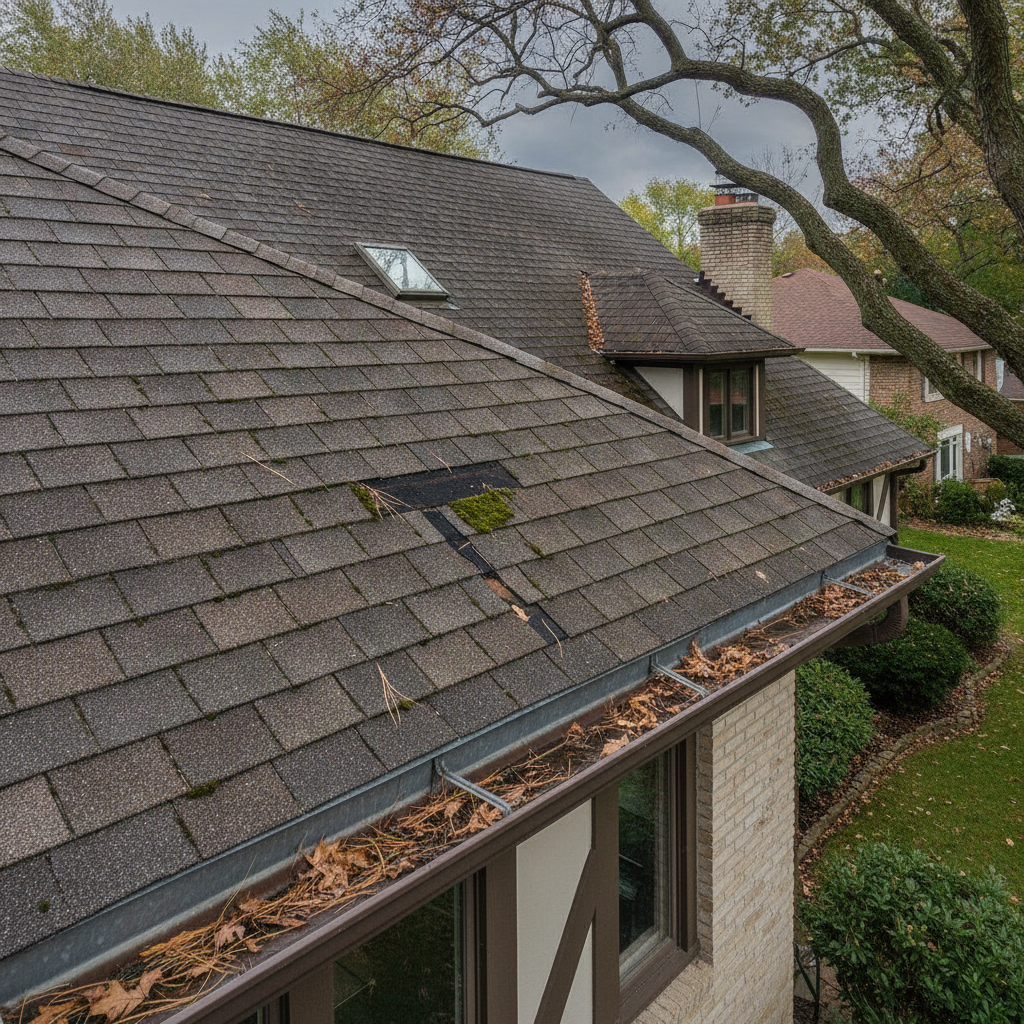
Start by scheduling a comprehensive roof inspection before storm season begins. Look for signs of wear such as missing or damaged shingles, loose flashing, and clogged gutters. Addressing these issues early can prevent water intrusion and structural damage during storms. For business owners, this step is especially important to avoid disruptions that could impact operations or tenant satisfaction.
Consider the benefits of working with local experts who understand the area’s climate and construction standards. They can provide tailored recommendations for materials and maintenance routines that stand up to the region’s weather extremes. For more information on professional services tailored to your needs, visit our site for a complete overview of available solutions.
By prioritizing regular inspections and prompt repairs, you can extend the life of your roof and minimize the risk of storm-related damage. Remember, preparing roof for storms is an investment in peace of mind and long-term property value.
Preparing Roof for Storms in Bloomfield Hills, MI
The local climate brings unique challenges that require a strategic approach to roof maintenance. Preparing roof for storms in this region means accounting for rapid temperature shifts, ice dams, and strong wind gusts that can expose vulnerabilities in even the most robust roofing systems. For developers and business owners, understanding these risks is key to protecting both new and existing structures.
Start by reviewing your current roofing materials. Are they rated for high wind resistance? Do they have adequate waterproofing layers? Modern roofing technologies offer advanced protection, but even the best materials need regular care. Inspect for loose or deteriorating components, especially around roof edges, vents, and skylights. These areas are common entry points for water during storms.
Gutter maintenance is another critical aspect. Clogged or damaged gutters can cause water to back up under shingles, leading to leaks and interior damage. Schedule routine cleaning and ensure downspouts direct water away from the foundation. If you’re considering upgrades or want to see examples of successful storm preparation projects, explore the Bloomfield Construction portfolio for inspiration and proven results.
By staying proactive with inspections and maintenance, you can reduce the risk of emergency repairs and keep your property secure through every season. Preparing roof for storms is a smart strategy for anyone invested in the long-term health of their building.
Preparing Roof for Storms in Bloomfield Hills, Michigan
When it comes to preparing roof for storms in this part of Michigan, a detailed action plan is essential. The combination of heavy snow in winter and thunderstorms in warmer months means that roofs are under constant stress. For general readers, business owners, and developers alike, understanding the specific steps to take can make a significant difference in storm resilience.
Begin with a checklist tailored to storm readiness. This should include inspecting shingles for cracks or curling, checking flashing around chimneys and vents, and ensuring attic insulation is adequate to prevent ice dams. Pay special attention to tree limbs overhanging the roof, trimming these back reduces the risk of impact damage during high winds.
If you are unsure where to start, consider requesting a professional assessment. Many local contractors offer storm preparation consultations that can identify hidden vulnerabilities. For a personalized quote and expert advice on preparing roof for storms, you can request assistance through preparing roof for storms and take the first step toward a safer, more resilient property.
Remember, effective storm preparation is not a one-time task but an ongoing commitment. Schedule regular maintenance, keep records of repairs, and stay informed about local weather advisories to ensure your roof remains in top condition year-round.
Why Roof Storm Preparation Matters for Local Businesses
For small business owners in the neighborhood, preparing roof for storms is more than just a maintenance task, it’s about business continuity and reputation. Storm damage can disrupt operations, cause inventory loss, and even lead to temporary closures. By taking proactive steps, you protect not only your physical assets but also your ability to serve customers without interruption.
A well-maintained roof demonstrates professionalism and responsibility to clients and employees. It also helps keep insurance premiums manageable, as insurers often reward proactive risk management with better rates. Regular inspections, prompt repairs, and clear documentation of maintenance activities are all part of a strong storm preparation strategy.
If you’re looking for trusted local expertise, Bloomfield Construction has a proven track record of helping businesses prepare for and recover from severe weather. Their knowledge of local building codes and weather patterns ensures that your storm preparation plan is both effective and compliant.
By investing in storm readiness, you show your commitment to safety and reliability, setting your business apart in a competitive market. Preparing roof for storms is a smart move that pays dividends in resilience and peace of mind.
Key Signs Your Roof Needs Storm Preparation
Identifying potential weaknesses before a storm hits is essential for effective roof protection. Preparing roof for storms starts with a thorough visual inspection. Look for missing, cracked, or curling shingles, as these are clear indicators that your roof may not withstand heavy rain or wind. Check for rusted or loose flashing around chimneys, skylights, and roof valleys, as these areas are prone to leaks during severe weather.
Another sign that your roof may need attention is the presence of granules in gutters or at the base of downspouts. These granules protect shingles from UV rays and water damage, so their loss can signal aging or deteriorating roofing materials. Water stains on ceilings or in the attic are also red flags, indicating that water is already penetrating your roof’s defenses.
Don’t overlook the importance of proper attic ventilation and insulation. Poor airflow can lead to moisture buildup, which weakens roofing materials and makes them more susceptible to storm damage. If you notice musty odors or mold growth, it’s time to address ventilation issues as part of your storm preparation plan.
By catching these warning signs early, you can take corrective action before storms arrive, reducing the risk of emergency repairs and costly water damage. Preparing roof for storms is an ongoing process that begins with awareness and regular inspections.
Essential Steps for Preparing Roof for Storms
A step-by-step approach to preparing roof for storms ensures that no critical detail is overlooked. Start by clearing debris from the roof surface and gutters. Leaves, twigs, and dirt can block water flow, leading to ponding and leaks during heavy rain. Next, inspect all roof penetrations, such as vents and skylights, for signs of wear or gaps that could let water in.
Secure loose shingles or tiles with roofing cement, and replace any that are missing or damaged. Pay special attention to flashing, as this metal barrier is your roof’s first line of defense against water intrusion at joints and edges. If you have a flat roof, check for cracks or blisters in the membrane and address them promptly.
Trim back overhanging branches that could break and fall onto the roof during a storm. Also, ensure that all gutters and downspouts are securely attached and direct water away from the building foundation. If you have rooftop equipment, such as HVAC units, verify that they are properly anchored to withstand high winds.
Finally, document your preparation efforts with photos and notes. This record can be invaluable for insurance claims or warranty inquiries should storm damage occur. Preparing roof for storms is a comprehensive process that combines regular maintenance, timely repairs, and strategic upgrades.
Choosing the Right Roofing Materials for Storm Resistance
Selecting durable roofing materials is a key factor in preparing roof for storms. Not all shingles, tiles, or membranes offer the same level of protection, so it’s important to choose products rated for wind, impact, and water resistance. Asphalt shingles are popular for their affordability and ease of installation, but look for those with high wind ratings and reinforced backing.
Metal roofing is another excellent option, offering superior durability and longevity. It resists wind uplift and sheds rain efficiently, making it ideal for storm-prone areas. Tile and slate roofs provide natural resistance to hail and debris, though they require strong structural support due to their weight.
For flat or low-slope roofs, consider modern membrane systems like TPO or EPDM, which offer seamless protection against water infiltration. Regardless of material, ensure that installation meets local building codes and manufacturer specifications for storm resistance.
Investing in the right materials upfront can save you from costly repairs and extend the life of your roof. Preparing roof for storms is about making informed choices that balance performance, aesthetics, and budget.
Professional Roof Inspections and Maintenance Plans
While DIY inspections are helpful, professional assessments provide a deeper level of insight into your roof’s condition. Certified roofing contractors use specialized tools and techniques to detect hidden issues that may not be visible to the untrained eye. Preparing roof for storms with a professional inspection ensures that all vulnerabilities are addressed before severe weather arrives.
A comprehensive maintenance plan typically includes biannual inspections, routine cleaning, and prompt repairs of any identified issues. Contractors can also recommend upgrades, such as installing impact-resistant shingles or reinforcing flashing in high-risk areas. These proactive measures not only enhance storm resilience but also help maintain your roof’s warranty coverage.
For business owners and developers, partnering with a trusted local contractor streamlines the maintenance process and provides peace of mind. Maintenance plans can be customized to fit your property’s unique needs and budget, ensuring consistent protection year after year.
By investing in professional inspections and ongoing maintenance, you make preparing roof for storms a seamless part of your property management strategy.
Storm Preparation Checklist: What to Do Before Severe Weather
Having a clear checklist is invaluable when preparing roof for storms. Here are essential steps to take before severe weather is forecasted:
- Inspect the roof for visible damage or loose materials.
- Clean gutters and downspouts to ensure proper drainage.
- Secure or remove outdoor objects that could become projectiles.
- Trim tree branches near the roof.
- Check attic insulation and ventilation.
- Review your insurance policy and keep emergency contacts handy.
By following this checklist, you can address common vulnerabilities and reduce the risk of storm-related damage. Preparing roof for storms is a proactive process that pays off in reduced stress and repair costs.
Table: Comparing Roofing Materials for Storm Protection
| Material | Wind Resistance | Hail Resistance | Lifespan | Maintenance |
|---|---|---|---|---|
| Asphalt Shingles | Moderate to High | Moderate | 15-30 years | Low to Moderate |
| Metal Roofing | High | High | 40-70 years | Low |
| Tile/Slate | High | High | 50+ years | Moderate |
| TPO/EPDM Membrane | High | Moderate | 20-30 years | Low |
Use this table as a reference when choosing roofing materials for your next project. Each material offers unique advantages for preparing roof for storms, so weigh the options based on your property’s needs and budget.
Insurance and Documentation Tips for Storm Damage Claims
Even with the best preparation, severe storms can sometimes cause damage. Being prepared with proper documentation and understanding your insurance policy can make the claims process smoother and faster. Start by reviewing your policy to ensure it covers storm-related roof damage, including wind, hail, and water intrusion.
Take clear, time-stamped photos of your roof before and after storm season. Keep records of all maintenance, inspections, and repairs. This documentation can serve as evidence if you need to file a claim, demonstrating that you took reasonable steps to protect your property.
If damage occurs, contact your insurance provider promptly and follow their instructions for assessment and repairs. Many insurers require that you use approved contractors or submit multiple estimates. Having a trusted local roofing partner can expedite this process and ensure that repairs are completed to code.
Preparing roof for storms includes not only physical maintenance but also administrative readiness. Staying organized can help you recover quickly and minimize financial setbacks after severe weather.
What to Do After a Storm: Inspection and Recovery Steps
Once a storm has passed, prompt action is essential to assess and address any damage. Begin with a visual inspection from the ground, looking for missing shingles, debris, or visible sagging. Use binoculars for a closer look, but avoid climbing onto the roof until it has been deemed safe by a professional.
Check for water stains or leaks inside the building, particularly in attics and upper floors. Document any damage with photos and detailed notes, as this information will be important for insurance claims and repair planning. If you notice significant issues, contact a reputable roofing contractor for a thorough evaluation.
Temporary repairs, such as tarping damaged areas, can prevent further water intrusion until permanent fixes are made. Avoid delaying repairs, as even minor damage can worsen with time and exposure to the elements. Preparing roof for storms means being ready to act quickly after severe weather to protect your property and investment.
By following these recovery steps, you can minimize downtime and restore your building to full functionality as soon as possible.
Final Thoughts
Preparing roof for storms is a proactive, ongoing process that pays dividends in safety, property value, and peace of mind. By understanding local weather risks, conducting regular inspections, and investing in quality materials and professional maintenance, you can protect your home or business from the unpredictable forces of nature. Remember, storm preparation is not just a seasonal task but a year-round commitment to resilience and security. Take the steps outlined in this guide, stay informed about weather advisories, and partner with trusted local experts to ensure your roof is always ready for whatever the forecast may bring. With the right preparation, you can face each storm season with confidence, knowing your property is well-protected.