Water damage is one of the most common and costly issues facing property owners in the region. Whether you’re a small business owner, a developer, or a resident, understanding preventive best practices is essential for protecting your investments and maintaining the value of your property. From heavy spring rains to winter snowmelt, the local climate creates unique challenges that demand proactive solutions. In this comprehensive guide, we’ll explore the most effective strategies for preventing water damage, highlight the importance of regular maintenance, and provide actionable tips that anyone in this community can implement. By following the preventive best practices detailed here, you’ll be better prepared to safeguard your property against unexpected disasters, reduce repair costs, and ensure peace of mind all year round. Let’s dive into the critical steps every property owner should know to keep water damage at bay.
Preventive Best Practices for Water Damage in Bloomfield Hills
Implementing preventive best practices for water damage is crucial for anyone looking to protect their property in the area. One of the first steps is to regularly inspect your building’s foundation and exterior walls for cracks or gaps. Even small openings can allow moisture to seep in, leading to hidden structural issues over time. Sealing these vulnerabilities with high-quality caulking or masonry products is a simple yet effective way to reduce risk.
Gutter and downspout maintenance is equally important. Clogged gutters can cause water to overflow, pooling around the foundation and increasing the chance of basement flooding. Make it a habit to clean gutters at least twice a year, especially after heavy storms. Installing gutter guards can further minimize debris buildup and maintenance needs.
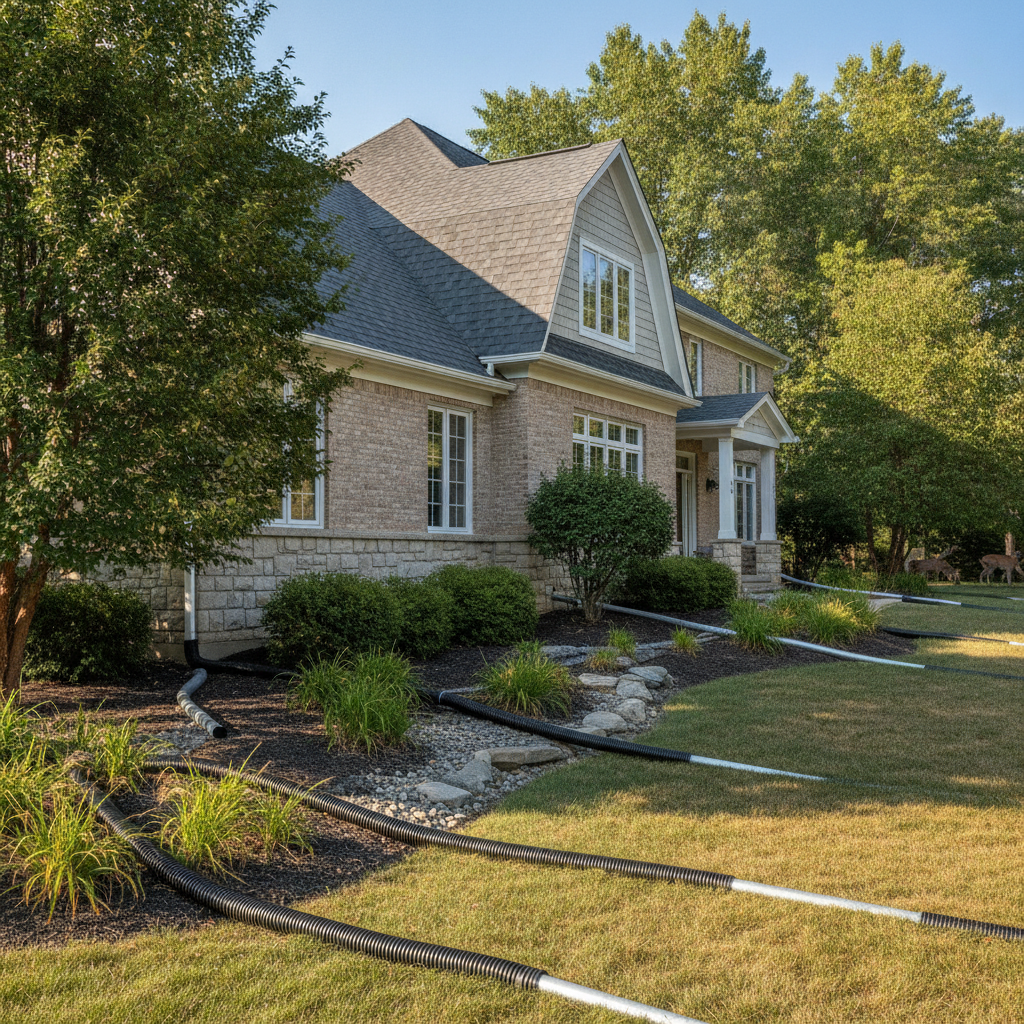
Landscaping also plays a significant role in water management. Ensure that the ground around your property slopes away from the building to direct water flow away from the foundation. Avoid planting water-loving shrubs or trees too close to the structure, as their roots can disrupt drainage and even damage underground pipes.
For business owners, investing in professional water damage prevention services can provide an extra layer of security. These experts can assess your property, identify potential risks, and recommend tailored solutions that fit your needs. By staying proactive and attentive to these preventive best practices, you can significantly reduce the likelihood of costly water damage incidents in this city.
Preventive Best Practices for Water Damage in Bloomfield Hills, MI
Understanding the unique environmental factors of the region is key to effective water damage prevention. The freeze-thaw cycles common in this part of Michigan can cause expansion and contraction in building materials, leading to cracks that allow water intrusion. To combat this, use weather-resistant sealants and schedule seasonal inspections to catch new vulnerabilities early.
Sump pump installation is another critical preventive measure. A well-maintained sump pump can quickly remove excess water from basements during heavy rainfall or snowmelt. Test your sump pump regularly by pouring a bucket of water into the pit to ensure it activates and drains properly. Consider installing a battery backup system to keep your pump operational during power outages.
Additionally, check for signs of moisture or leaks in attics, crawl spaces, and around windows. Condensation or damp spots often indicate poor ventilation or insulation, both of which can contribute to long-term water damage. Upgrading insulation and installing vapor barriers can help maintain a dry, healthy indoor environment.
For comprehensive guidance, consult resources on best practices for preventing water damage. These resources can help you develop a maintenance schedule and identify specific areas of concern unique to Michigan’s climate. By following these preventive best practices, you’ll be better equipped to protect your property from the region’s unpredictable weather patterns.
Preventive Best Practices for Water Damage in Bloomfield Hills, Michigan
The local community faces a variety of water-related challenges throughout the year, making preventive best practices for water damage essential. One often-overlooked area is roof maintenance. Damaged or missing shingles, clogged roof valleys, and deteriorated flashing can all allow water to penetrate your building’s envelope. Schedule annual roof inspections, especially after severe storms, to identify and repair issues before they escalate.
Basements are particularly vulnerable in this region due to high groundwater levels. Waterproofing basement walls and floors with specialized coatings can create a barrier against moisture. Installing a dehumidifier in damp-prone areas helps control humidity and reduces the risk of mold growth, which often accompanies water damage.
Plumbing maintenance is another cornerstone of preventive best practices. Inspect pipes for leaks, corrosion, or signs of wear, and insulate exposed pipes to prevent freezing during winter. Even minor leaks can cause extensive damage if left unchecked, so address issues promptly.
If you’re unsure about the condition of your property, review the water damage FAQ for answers to common questions and advice on next steps. By integrating these preventive best practices into your regular property care routine, you’ll minimize the risk of unexpected water-related disasters in the neighborhood.
Partnering With Local Experts for Water Damage Prevention
While do-it-yourself strategies are valuable, partnering with local experts can take your preventive best practices for water damage to the next level. Professionals understand the specific risks faced by properties in this community and can provide tailored advice that addresses your unique needs. Services such as moisture mapping, thermal imaging, and advanced leak detection can uncover hidden problems before they become costly repairs.
Local contractors also stay up to date with building codes and environmental regulations, ensuring that your preventive efforts are compliant and effective. They can recommend upgrades like French drains, backflow preventers, or sump pump enhancements that fit your property’s layout and risk profile.
Establishing a relationship with a trusted provider like Bloomfield Construction gives you access to emergency response services and ongoing support. This means you’ll have expert help on hand if water damage ever does occur, minimizing downtime and restoration costs. By combining professional insight with proven preventive best practices, you can confidently protect your property and investments for the long term.
Routine Maintenance Checklist for Water Damage Prevention
A structured maintenance routine is a cornerstone of preventive best practices for water damage. Regular inspections and timely repairs can prevent minor issues from escalating into major headaches. Here’s a practical checklist to help you stay on top of essential tasks:
- Inspect gutters and downspouts every spring and fall, clearing debris and checking for leaks.
- Examine the foundation for cracks or signs of settling, and seal any gaps promptly.
- Test sump pumps quarterly to ensure they activate and drain properly.
- Check for water stains on ceilings and walls, which may indicate hidden leaks.
- Inspect roof shingles, flashing, and valleys for damage after storms.
- Monitor indoor humidity levels and use dehumidifiers in damp areas.
- Review plumbing fixtures and pipes for leaks or corrosion.
By incorporating these preventive best practices into your property care routine, you’ll be able to address potential problems early and maintain a safe, dry environment for your business or family.
Common Causes of Water Damage and How to Avoid Them
Understanding the most frequent sources of water damage is key to developing effective preventive best practices. Some of the most common culprits include:
- Leaking roofs and windows
- Burst or leaking pipes
- Clogged gutters and downspouts
- Poor drainage around the foundation
- Sump pump failure
- Appliance malfunctions (e.g. washing machines, water heaters)
To avoid these issues, schedule regular inspections, upgrade outdated appliances, and ensure all water-handling systems are in good working order. Preventive best practices like installing water leak detectors and maintaining proper grading around your property can further reduce risk. Staying vigilant and proactive is the best way to keep your property safe from unexpected water damage.
How to Respond Quickly to Water Intrusion
Even with the best preventive best practices in place, water intrusion can still occur. Knowing how to respond quickly can minimize damage and speed up recovery. The first step is to identify and stop the source of water, whether it’s a burst pipe, roof leak, or overflowing appliance. Shut off the main water supply if necessary.
Next, remove standing water using pumps, wet/dry vacuums, or towels. Move valuables and furniture to a dry area to prevent further damage. Use fans and dehumidifiers to accelerate drying and reduce the risk of mold growth. Document the damage with photos for insurance purposes.
Contact a local restoration professional as soon as possible for assessment and remediation. Acting quickly is an essential part of preventive best practices, as it helps limit the extent of repairs needed and can save you money in the long run. Keep emergency contact numbers handy and review your insurance policy to ensure you have adequate coverage for water-related incidents.
Essential Tools and Technology for Water Damage Prevention
Advancements in technology have made it easier than ever to implement preventive best practices for water damage. Smart home devices like water leak sensors, automatic shutoff valves, and moisture meters can provide early warnings of potential problems. These tools can be installed in high-risk areas such as basements, under sinks, and near appliances.
Thermal imaging cameras are another valuable resource for detecting hidden moisture behind walls or under floors. Professional-grade equipment can pinpoint leaks that may not be visible to the naked eye, allowing for targeted repairs before significant damage occurs.
Below is a table summarizing some of the most effective tools and their uses:
| Tool/Technology | Primary Use |
|---|---|
| Water Leak Sensors | Detect leaks early, send alerts to your phone |
| Automatic Shutoff Valves | Stop water flow automatically when a leak is detected |
| Moisture Meters | Measure moisture levels in walls and floors |
| Thermal Imaging Cameras | Identify hidden water intrusion and leaks |
| Sump Pump Alarms | Notify you if the sump pump fails or water levels rise |
Integrating these tools into your property management plan enhances your preventive best practices and provides peace of mind, knowing you can respond quickly to any sign of trouble.
The Role of Insurance in Water Damage Prevention
Insurance is a critical component of any comprehensive strategy for water damage prevention. While preventive best practices can significantly reduce your risk, having the right insurance coverage ensures you’re protected financially if an incident does occur. Review your policy to confirm it covers common sources of water damage, such as burst pipes, roof leaks, and sump pump failures.
Some insurance plans exclude certain types of water damage, such as flooding from external sources. In these cases, consider purchasing additional flood insurance if your property is in a high-risk area. Documenting your preventive best practices, such as regular maintenance and upgrades, can also support your claim in the event of a loss.
Work with your insurance agent to understand your coverage, deductibles, and the claims process. Keeping detailed records of repairs, inspections, and preventive measures can streamline your claim and help you recover more quickly after an incident. Remember, insurance is most effective when combined with a strong commitment to preventive best practices for water damage.
Educating Staff and Tenants on Water Damage Prevention
For business owners and property managers, educating staff and tenants about preventive best practices is essential. Everyone who occupies or works in your building should know how to spot early signs of water damage, such as musty odors, discoloration, or unusual dampness. Provide clear instructions on how to report issues and where to find emergency shutoff valves.
Regular training sessions and informational materials can empower occupants to take swift action if they notice a problem. Posting maintenance checklists in common areas and conducting periodic walkthroughs reinforce the importance of vigilance. The more informed your team or tenants are, the more effective your overall water damage prevention strategy will be.
Encourage a culture of proactive care by recognizing those who report issues promptly and by making preventive best practices a shared responsibility. This collaborative approach strengthens your property’s defenses and fosters a safer, more resilient environment for everyone involved.
Final Thoughts
Preventive best practices for water damage are not just a set of tasks, they represent a commitment to protecting your property, your investment, and the well-being of everyone who depends on your building. By staying proactive with regular maintenance, leveraging technology, and educating those around you, you can significantly reduce the risk of costly water damage incidents. Remember, the key to effective prevention is consistency and attention to detail. Whether you’re a business owner, developer, or resident, integrating these strategies into your routine will help you maintain a safe, dry, and resilient property for years to come. Take action today and make preventive best practices for water damage an ongoing priority in your property management plan.