When severe weather strikes, property owners and business managers often focus on the roof itself, but one of the most critical lines of defense is often overlooked: gutters. Gutters play an essential role in storm damage prevention, channeling rainwater away from roofs, walls, and foundations to protect buildings from costly repairs. Whether you own a small business, manage properties, or simply want to safeguard your investment, understanding how gutters and storm damage prevention work together is key to long-term structural health. In this comprehensive guide, we’ll explore why gutters matter, how they function during storms, and practical steps you can take to ensure your building stays protected year-round. You’ll also discover local considerations, maintenance tips, and expert insights to help you make informed decisions about your property’s storm readiness. Let’s dive into the world of gutters and storm damage prevention, and learn how a well-designed system can make all the difference when the weather turns rough.
Gutters and Storm Damage Prevention in Bloomfield Hills
Gutters are a building’s first defense against the unpredictable storms that can sweep through the area. In regions where heavy rainfall and sudden downpours are common, gutters and storm damage prevention become inseparable concepts. When a storm hits, the sheer volume of water that lands on a roof can be staggering. Without a functioning gutter system, this water can pool, seep under shingles, and eventually make its way into the structure, causing leaks, rot, and even foundation problems.
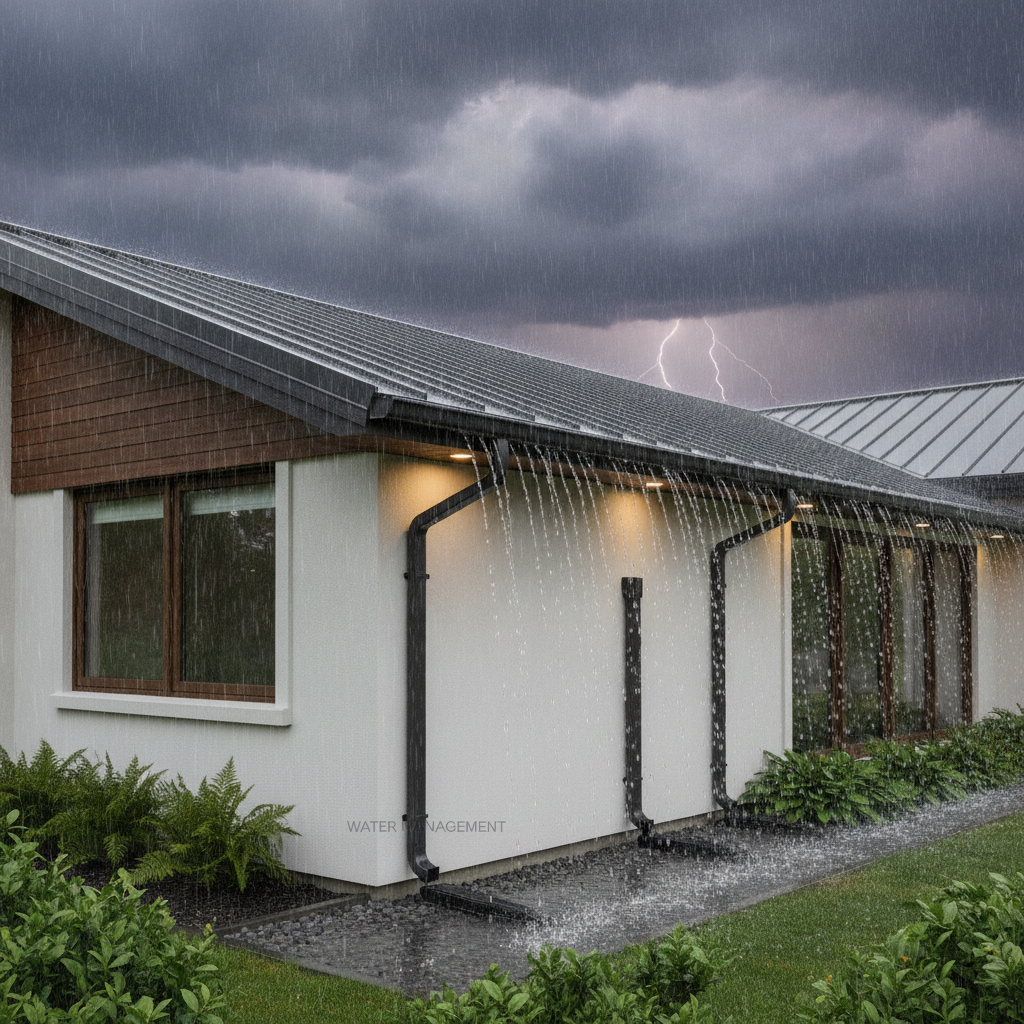
A high-quality gutter system is designed to capture rainwater as it flows off the roof, channeling it through downspouts and safely away from the building’s perimeter. This process is vital for roof protection, as it prevents water from backing up under roofing materials or saturating the underlying wood. In the event of a severe storm, gutters help minimize the risk of water infiltration, mold growth, and structural weakening.
For small business owners and property managers, investing in reliable gutters is not just about avoiding minor leaks. It’s about safeguarding your livelihood, maintaining property value, and ensuring the safety of employees and customers. The right gutter system, combined with regular maintenance, can dramatically reduce the risk of storm-related damage and the costly repairs that often follow.
In this community, where weather can change rapidly, proactive gutter care is more than a convenience, it’s a necessity. By understanding the connection between gutters and storm damage prevention, you can take meaningful steps to protect your property and ensure peace of mind when the next storm rolls in.
How Gutters and Storm Damage Prevention Work in Bloomfield Hills, MI
Understanding how gutters and storm damage prevention work together is essential for anyone responsible for property upkeep in the region. When rain falls, gutters collect the water running off the roof and direct it into downspouts, which then discharge the water safely away from the building’s foundation. This simple yet effective system prevents water from pooling on the roof, which can lead to leaks, rot, and even collapse in extreme cases.
During storms, gutters are put to the test. If they are clogged with leaves, debris, or ice, water can overflow, causing damage to siding, landscaping, and the foundation. Overflowing gutters can also lead to basement flooding, which is a common and costly issue for commercial properties and homes alike. The key to storm damage prevention is ensuring gutters are clear, properly pitched, and securely attached to the building.
Regular inspections, especially before and after storm season, are crucial. Look for signs of sagging, leaks at the seams, or water stains on walls. These can indicate gutter failure and the need for immediate attention. In addition, consider installing gutter guards to reduce the buildup of debris and minimize maintenance needs.
For those managing multiple properties or large buildings, professional gutter maintenance services can be a wise investment. These experts can identify potential problems before they escalate, ensuring your gutter system is always ready for the next storm. By prioritizing gutters and storm damage prevention, you not only protect your property but also demonstrate a commitment to safety and longevity.
To explore more about how to safeguard your property from storm damage, visit our comprehensive services page on gutters and storm damage prevention.
The Importance of Gutters and Storm Damage Prevention for Businesses in Bloomfield Hills, Michigan
For businesses in Bloomfield Hills, Michigan, gutters and storm damage prevention are not just about aesthetics, they are about operational continuity and protecting your bottom line. Commercial buildings often have larger roof surfaces, which means more water to manage during heavy rain. Without a robust gutter system, the risk of water intrusion increases, potentially leading to downtime, inventory loss, and expensive repairs.
One overlooked aspect is how gutter failures can affect customer perception. Water stains, peeling paint, and foundation cracks are all signs of inadequate storm management and can deter clients or tenants. By investing in quality gutters and regular maintenance, business owners show a commitment to professionalism and care for their property.
Storm damage prevention also extends to liability. Water pooling near entrances can create slip hazards, while leaks inside the building can damage electronics and important documents. Proactive gutter care helps reduce these risks, keeping employees and visitors safe.
Working with local experts like Bloomfield Construction ensures that your gutter system is tailored to the unique needs of your building and the local climate. Their experience with regional weather patterns and building codes means you get solutions that are both effective and compliant.
Ultimately, gutters and storm damage prevention are investments in your business’s longevity. By taking action now, you can avoid the stress and expense of emergency repairs, and focus on what matters most, growing your business and serving your community.
How Gutters Channel Water Away from Your Building
The primary function of gutters is to collect and redirect rainwater away from your building’s roof and foundation. When designed and installed correctly, gutters prevent water from cascading down exterior walls, which can cause erosion, staining, and long-term structural issues. The downspouts attached to the gutters ensure that water is deposited at a safe distance from the building, reducing the risk of foundation cracks and basement flooding.
Without gutters, rainwater can pool around the base of your property, saturating the soil and putting pressure on the foundation. Over time, this can lead to shifting, cracking, and even structural failure. Gutters and storm damage prevention go hand-in-hand, as a properly functioning system protects every part of your building from the top down.
For business owners and developers, understanding the mechanics of water flow is crucial. The pitch of the gutters, the size and placement of downspouts, and the overall layout must be tailored to the specific roof and property size. This ensures maximum efficiency and minimizes the chances of overflow during heavy storms.
Regular maintenance, such as clearing debris and checking for leaks, is essential to keep gutters performing at their best. Investing in professional installation and routine inspections can help catch potential issues early, saving you from costly repairs and ensuring your property remains safe and dry, no matter the weather.
Common Gutter Problems That Lead to Storm Damage
Even the best gutter systems can develop problems over time, especially if they are not maintained regularly. Clogged gutters are the most common issue, as leaves, twigs, and other debris can block the flow of water, causing it to overflow and damage the roof, siding, and foundation. Other issues include sagging gutters, which can result from loose fasteners or heavy debris, and leaks at the seams or joints.
Ice dams are another concern in colder climates. When snow melts and refreezes at the edge of the roof, it can block gutters and force water back under the shingles, leading to leaks and interior water damage. Rust and corrosion can also weaken metal gutters, making them less effective at channeling water away from the building.
Regular inspections and prompt repairs are essential for storm damage prevention. Look for signs of trouble, such as water stains on walls, peeling paint, or puddles near the foundation. Addressing these issues early can prevent more extensive and expensive damage down the line.
By staying proactive and attentive to your gutter system, you can ensure that it continues to provide reliable protection against storms and the elements, keeping your property safe and sound.
A Comparison of Gutter Materials and Their Storm Resilience
Choosing the right material for your gutters is a crucial step in storm damage prevention. Different materials offer varying levels of durability, maintenance needs, and resistance to the elements. Below is a comparison of common gutter materials, highlighting their strengths and weaknesses when it comes to withstanding storms.
| Material | Durability | Maintenance | Storm Resilience |
|---|---|---|---|
| Aluminum | High | Low | Excellent, resists rust |
| Vinyl | Moderate | Low | Good, but can crack in cold |
| Steel | Very High | Moderate | Excellent, strong in storms |
| Copper | Very High | Low | Excellent, long-lasting |
When selecting a gutter material, consider the local climate, the size of your building, and your maintenance preferences. Aluminum and steel are popular choices for their strength and resistance to harsh weather, while copper offers unmatched longevity and aesthetic appeal. Vinyl is affordable and easy to install, but may not be the best option for areas prone to freezing temperatures. The right material ensures your gutters and storm damage prevention efforts are effective for years to come.
Gutter Maintenance Tips for Effective Storm Damage Prevention
Routine gutter maintenance is vital for ensuring your system performs optimally during storms. Start by cleaning your gutters at least twice a year, preferably in the spring and fall. Remove leaves, twigs, and any other debris that could block water flow. Use a sturdy ladder and wear gloves for safety, or consider hiring a professional if your building is tall or difficult to access.
- Check for leaks at seams and joints, and seal any gaps with gutter caulk.
- Ensure downspouts are clear and direct water at least 5 feet away from the foundation.
- Inspect gutter hangers and brackets to ensure they are securely fastened and not sagging.
- Consider installing gutter guards to reduce debris buildup and minimize cleaning frequency.
Regular maintenance not only extends the life of your gutters but also enhances their effectiveness in storm damage prevention. Addressing small issues promptly can save you from more significant problems during severe weather events, keeping your property protected year-round.
Signs Your Gutters Need Immediate Attention
Recognizing the warning signs of gutter failure is key to preventing storm damage. If you notice water spilling over the sides during rain, it’s a clear indication of a blockage or improper pitch. Other red flags include rust spots, visible holes, sagging sections, or gutters pulling away from the roofline.
Inside the building, look for water stains on ceilings or walls, peeling paint, or mold growth, these can all point to gutter issues. Puddles around the foundation or erosion in landscaping are also signs that water is not being directed away effectively.
If you observe any of these issues, take action immediately. Delaying repairs can lead to more extensive damage and higher repair costs. Regular inspections, especially after major storms, help catch problems early and ensure your gutters and storm damage prevention strategies remain effective.
Professional Gutter Installation and Upgrades
While DIY gutter maintenance is possible, professional installation and upgrades offer several advantages. Experts assess your property’s unique needs, recommend the best materials, and ensure gutters are properly sized and pitched for optimal water flow. They can also install seamless gutters, which have fewer joints and are less prone to leaks.
Upgrading to larger gutters or adding additional downspouts can improve storm damage prevention, especially for larger buildings or those with complex rooflines. Professionals also ensure that gutters comply with local building codes and are securely attached to withstand high winds and heavy rain.
Investing in professional services not only enhances the performance of your gutter system but also provides peace of mind, knowing your property is protected by a reliable and effective storm management solution.
The Cost of Neglecting Gutters and Storm Damage Prevention
Ignoring gutter maintenance can lead to a cascade of problems, many of which come with hefty price tags. Water damage to roofs, walls, and foundations is not only expensive to repair but can also disrupt business operations and reduce property value. Mold remediation, structural repairs, and landscape restoration are just a few of the potential costs associated with gutter neglect.
In addition to direct repair costs, insurance premiums may increase if claims are filed for preventable water damage. Tenants or customers may also be affected, leading to lost revenue or even legal liabilities in severe cases. The financial impact of neglecting gutters and storm damage prevention far outweighs the relatively modest investment in regular maintenance and timely repairs.
By prioritizing gutter care, property owners can avoid these pitfalls and ensure their buildings remain safe, functional, and attractive for years to come.
Storm Damage Prevention Strategies Beyond Gutters
While gutters are a critical component of storm damage prevention, they are most effective when combined with other protective measures. Ensure your roof is in good condition, with no missing or damaged shingles. Trim trees and shrubs near the building to prevent branches from clogging gutters or causing physical damage during storms.
Proper grading around the property ensures water flows away from the foundation, reducing the risk of basement flooding. Installing splash blocks or drainage extensions at the end of downspouts can further direct water away from vulnerable areas. Sealing cracks in the foundation and maintaining sump pumps also contribute to a comprehensive storm management plan.
For commercial properties, consider creating an emergency plan that includes regular inspections and scheduled maintenance for all stormwater management systems. By taking a holistic approach to storm damage prevention, you can maximize your property’s resilience and minimize the risk of costly repairs.
Key Takeaways
Gutters and storm damage prevention are essential elements of any property maintenance plan, especially in regions prone to severe weather. By understanding how gutters function, recognizing common problems, and investing in regular maintenance and professional installation, property owners can protect their investments and ensure long-term structural integrity. Remember, the cost of neglecting gutters far exceeds the investment in their care. Take proactive steps today to keep your building safe, dry, and ready to weather any storm.