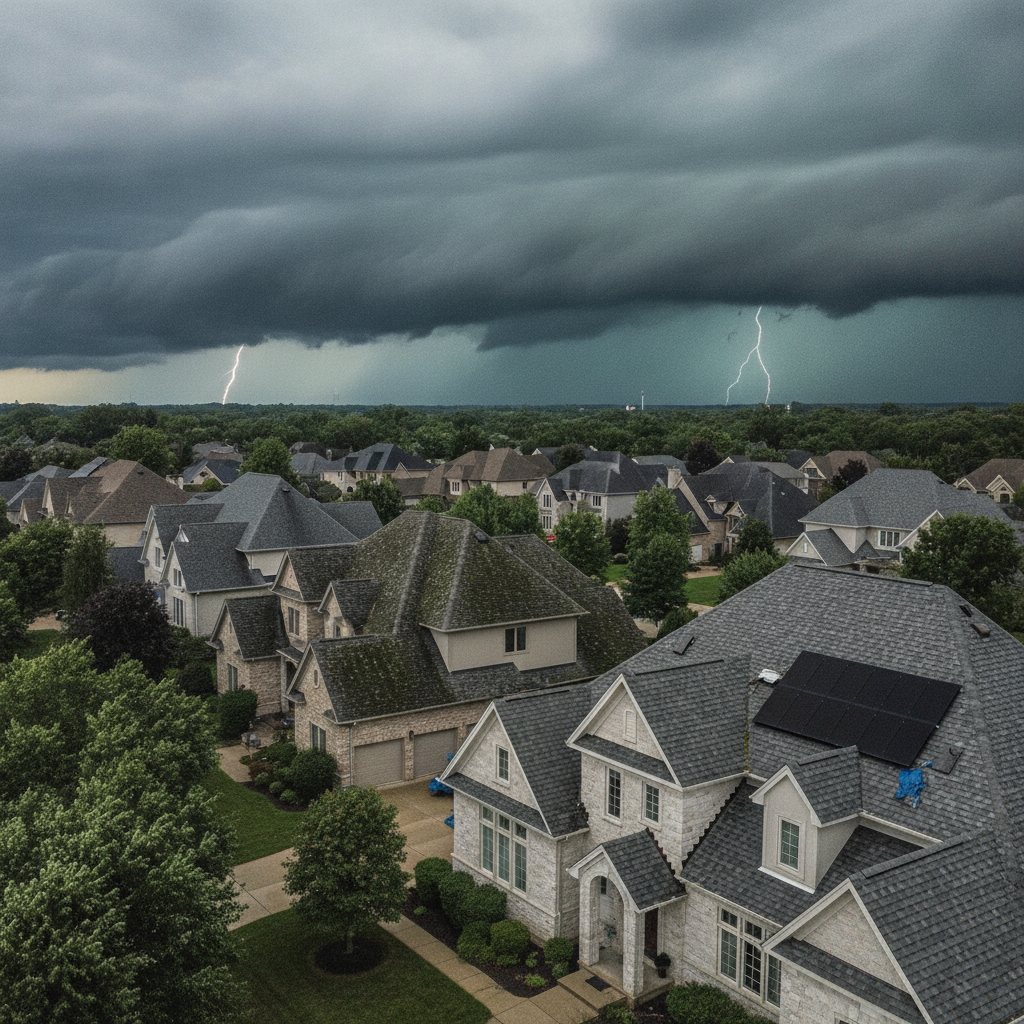
When severe storms strike, the timing of storm repair becomes a critical decision for property owners and business operators. Acting quickly can mean the difference between a minor inconvenience and a major disruption to your daily operations or home life. In this comprehensive guide, we’ll explore how storm severity impacts the timing of roof repair, why it matters, and what steps you can take to protect your investment in the area. Whether you’re a small business owner, a developer, or simply a concerned resident, understanding the best approach to storm repair can save you time, money, and stress. From assessing storm damage to working with local professionals, this article will provide practical insights, actionable tips, and local expertise to help you navigate the aftermath of severe weather with confidence. If you’re looking to make informed decisions about your property’s safety and value, read on to discover how the timing of storm repair can make all the difference.
Timing of Storm Repair: Insights for the Area
The timing of storm repair is a crucial factor for property owners in the region. Storms can arrive unexpectedly, leaving behind a trail of damage that ranges from minor leaks to significant structural issues. Acting promptly after a storm can prevent further deterioration and costly repairs down the line. For small business owners, the stakes are even higher, as delays in repairing storm damage can disrupt operations and impact revenue.
When a storm passes, it’s important to assess the extent of the damage as soon as it’s safe to do so. Look for visible signs such as missing shingles, dented gutters, or water stains on ceilings. However, not all damage is immediately apparent. Hidden issues, like compromised roof decking or insulation, can worsen over time if left unaddressed. That’s why many experts recommend scheduling a professional inspection within 24 to 48 hours after a major weather event.
The timing of storm repair in Bloomfield Hills is also influenced by the availability of qualified contractors. After a severe storm, demand for repairs can surge, leading to longer wait times. Proactive property owners who reach out early are more likely to secure prompt service and avoid the backlog that often follows widespread weather events. To see examples of timely repairs and successful restorations, check out the timing of storm repair in Bloomfield Hills portfolio for inspiration and guidance.
In summary, acting quickly to assess and address storm damage is essential for minimizing risks and expenses. By prioritizing the timing of storm repair, you can protect your property and ensure a swift return to normalcy after severe weather.
How Storm Severity Impacts Roof Repair in Bloomfield Hills, MI
Storm severity plays a major role in determining the urgency and approach to roof repair. In areas like this, weather patterns can vary from mild rain showers to intense windstorms and hail. Each type of storm brings its own set of challenges, and the timing of storm repair must be tailored to the specific circumstances.
For example, a light rainstorm may only cause superficial damage, such as a few loose shingles or minor leaks. In these cases, property owners may have a bit more flexibility in scheduling repairs. However, when severe winds or hail are involved, the potential for significant roof compromise increases dramatically. Large hailstones can puncture roofing materials, while high winds may tear off entire sections of the roof, exposing the structure to water intrusion and further damage.
The timing of storm repair in these situations becomes critical. Immediate action is necessary to prevent water from seeping into the building, which can lead to mold growth, electrical hazards, and structural weakening. Insurance companies also often require prompt reporting and documentation of storm damage to process claims efficiently.
Local contractors understand the unique weather challenges faced by residents and businesses in this city. They are equipped to respond quickly and effectively, prioritizing repairs based on the severity of the damage and the potential risks involved. If you suspect your property has been affected by a recent storm, don’t wait, schedule a roof repair assessment as soon as possible to ensure your property remains safe and secure.
Ultimately, the severity of the storm should dictate your response. The more intense the weather event, the more urgent the need for professional evaluation and timely repairs. Being proactive can save you from larger, more expensive problems in the future.
Best Practices for Storm Repair Timing in Bloomfield Hills, Michigan
When it comes to the timing of storm repair, following best practices can make a significant difference in the outcome. Property owners in this community have learned that a well-organized response is key to minimizing damage and ensuring a smooth recovery process.
First, always prioritize safety. Before inspecting your property, ensure that the storm has fully passed and that there are no immediate hazards, such as downed power lines or unstable structures. Once it’s safe, conduct a preliminary assessment to identify obvious signs of damage. Take photos and detailed notes, as this documentation will be valuable for insurance claims and contractor consultations.
Next, contact a reputable local contractor with experience in storm repairs. Timing is everything, reaching out early increases your chances of securing a prompt inspection and repair slot. Many property owners choose to work with trusted companies like Bloomfield Construction, known for their expertise and quick response times in the neighborhood.
Another best practice is to review your insurance policy before a storm hits, so you know what is covered and what steps to take in the event of damage. After a storm, notify your insurer as soon as possible and provide them with the documentation you’ve collected. This proactive approach can expedite the claims process and ensure you receive the support you need for timely repairs.
Finally, consider scheduling regular roof inspections, especially after major weather events. Preventative maintenance can help identify potential issues before they escalate, saving you time and money in the long run. By following these best practices, you’ll be well-prepared to manage the timing of storm repair and protect your property from future storms.
Recognizing the Signs of Storm Damage
Identifying storm damage early is essential for effective storm repair timing. Some signs are obvious, while others require a trained eye. Visible indicators include missing or cracked shingles, dented gutters, and water stains on ceilings or walls. However, hidden damage, such as compromised underlayment or insulation, can go unnoticed until it causes more significant problems.
Property owners should also watch for subtle changes, like increased indoor humidity, unexplained drafts, or unusual noises from the roof during wind. These could signal underlying issues that need prompt attention. If you’re unsure, it’s wise to arrange for a professional inspection. Experts can spot less obvious damage and recommend the right timing of storm repair to prevent escalation.
Regularly checking your property after storms and documenting any changes will help you act quickly when repairs are needed. Early recognition and timely intervention are the best defenses against costly repairs and long-term damage.
The Role of Insurance in Storm Repair Timing
Insurance plays a pivotal role in the timing of storm repair. Most policies require prompt reporting of damage, and delays can result in denied claims or reduced payouts. As soon as you notice storm damage, contact your insurance provider to initiate the claims process. Provide detailed documentation, including photos, repair estimates, and a timeline of events.
Understanding your policy’s coverage limits, deductibles, and exclusions is essential. Some policies may cover only certain types of storm damage or require repairs to be completed within a specific timeframe. Working closely with your insurer and a reputable contractor ensures that repairs are completed efficiently and within policy guidelines.
Timely communication with your insurance company can also speed up the approval process, allowing you to schedule repairs sooner and minimize the risk of further damage. By staying organized and proactive, you can maximize your coverage and streamline the timing of storm repair.
Choosing the Right Contractor for Storm Repair
Selecting a qualified contractor is a key step in ensuring timely and effective storm repairs. Look for companies with a proven track record in the neighborhood, positive customer reviews, and appropriate licensing and insurance. Ask for references and examples of previous storm repair projects to gauge their experience and reliability.
A reputable contractor will provide a detailed inspection, transparent estimates, and clear timelines for completion. They should also be familiar with local building codes and insurance requirements, ensuring that repairs meet all necessary standards. Establishing clear communication from the outset helps prevent misunderstandings and keeps your project on track.
Don’t be swayed by lowball offers or high-pressure sales tactics. Quality workmanship and timely service are worth the investment when it comes to protecting your property from storm damage. By choosing the right contractor, you can confidently manage the timing of storm repair and achieve lasting results.
Seasonal Considerations for Storm Repair Timing
The timing of storm repair is often influenced by seasonal weather patterns. In this region, spring and summer storms can bring heavy rain, hail, and strong winds, while winter introduces challenges like ice dams and snow accumulation. Each season presents unique risks and considerations for property owners.
Spring and summer are typically the busiest times for storm repairs, as severe weather is more frequent. Contractors may have longer wait times during peak season, so scheduling inspections and repairs early is advisable. In contrast, winter repairs may be limited by cold temperatures and snow, which can affect the quality of roofing materials and the safety of workers.
Planning ahead and understanding local weather trends can help you anticipate repair needs and avoid delays. Many property owners schedule preventative maintenance in the fall to prepare for winter storms and minimize the risk of cold-weather damage. By aligning your repair schedule with seasonal patterns, you can optimize the timing of storm repair and keep your property protected year-round.
Common Storm-Related Roof Problems and Their Solutions
Storms can cause a variety of roof problems, each requiring a specific repair approach and timeline. Common issues include:
- Missing or damaged shingles
- Leaking or clogged gutters
- Punctures from hail or debris
- Water intrusion and leaks
- Structural damage to decking or supports
The timing of storm repair for each issue depends on its severity. Immediate repairs are necessary for leaks and structural damage to prevent further deterioration. Less urgent issues, like minor shingle loss, should still be addressed promptly to maintain the roof’s integrity.
Working with a knowledgeable contractor ensures that each problem is properly diagnosed and repaired in the right order. This approach maximizes efficiency and minimizes the risk of recurring issues. By understanding common storm-related roof problems, you can prioritize repairs and maintain the long-term health of your property.
Table: Storm Severity and Recommended Repair Timing
| Storm Severity | Common Damage | Recommended Repair Timing |
|---|---|---|
| Light Rain | Minor leaks, loose shingles | Within 1 week |
| Heavy Rain | Significant leaks, gutter overflow | Within 2-3 days |
| Hail | Shingle punctures, dents | Immediately |
| Windstorm | Missing shingles, exposed decking | Immediately |
| Snow/Ice | Ice dams, water intrusion | As soon as conditions allow |
This table provides a quick reference for property owners to determine the optimal timing of storm repair based on the severity and type of weather event. Acting according to these guidelines helps prevent further damage and ensures a smooth recovery process.
Preventative Measures to Minimize Storm Damage
While you can’t control the weather, you can take steps to minimize the impact of storms on your property. Regular maintenance, such as cleaning gutters, trimming overhanging branches, and inspecting the roof for wear, can reduce the risk of damage during severe weather. Reinforcing vulnerable areas, like flashing and vents, also helps protect against leaks and wind uplift.
Investing in high-quality roofing materials and professional installation further enhances your property’s resilience. Many modern roofing systems are designed to withstand extreme weather, providing peace of mind and reducing the frequency of repairs. Scheduling routine inspections, especially after major storms, allows you to address minor issues before they escalate.
By adopting these preventative measures, you can extend the lifespan of your roof and reduce the urgency of storm repairs. Proactive care is the best strategy for managing the timing of storm repair and safeguarding your investment.
What to Expect During the Storm Repair Process
Understanding the storm repair process can help set realistic expectations and reduce stress. The process typically begins with an initial inspection and damage assessment, followed by a detailed repair plan and estimate. Once you approve the plan, the contractor will schedule the work based on availability and weather conditions.
During repairs, expect some disruption, especially if major structural work is required. Professional contractors will communicate timelines, safety precautions, and any necessary preparations on your part. Upon completion, a final inspection ensures all work meets quality standards and addresses the original damage.
Staying informed and involved throughout the process helps ensure a positive outcome. By understanding each step, you can coordinate the timing of storm repair with your personal or business schedule, minimizing inconvenience and maximizing results.
Key Takeaways
The timing of storm repair is a critical factor in protecting your property and ensuring a swift recovery after severe weather. Acting quickly, recognizing the signs of damage, and working with experienced professionals can save you time, money, and stress. Whether you’re a business owner, developer, or homeowner, understanding how storm severity impacts repair timing empowers you to make informed decisions and safeguard your investment in the community.
Remember to document damage, communicate promptly with your insurance provider, and choose reputable contractors for all repair needs. By following best practices and staying proactive, you’ll be prepared to handle whatever storms come your way and maintain the long-term health of your property.