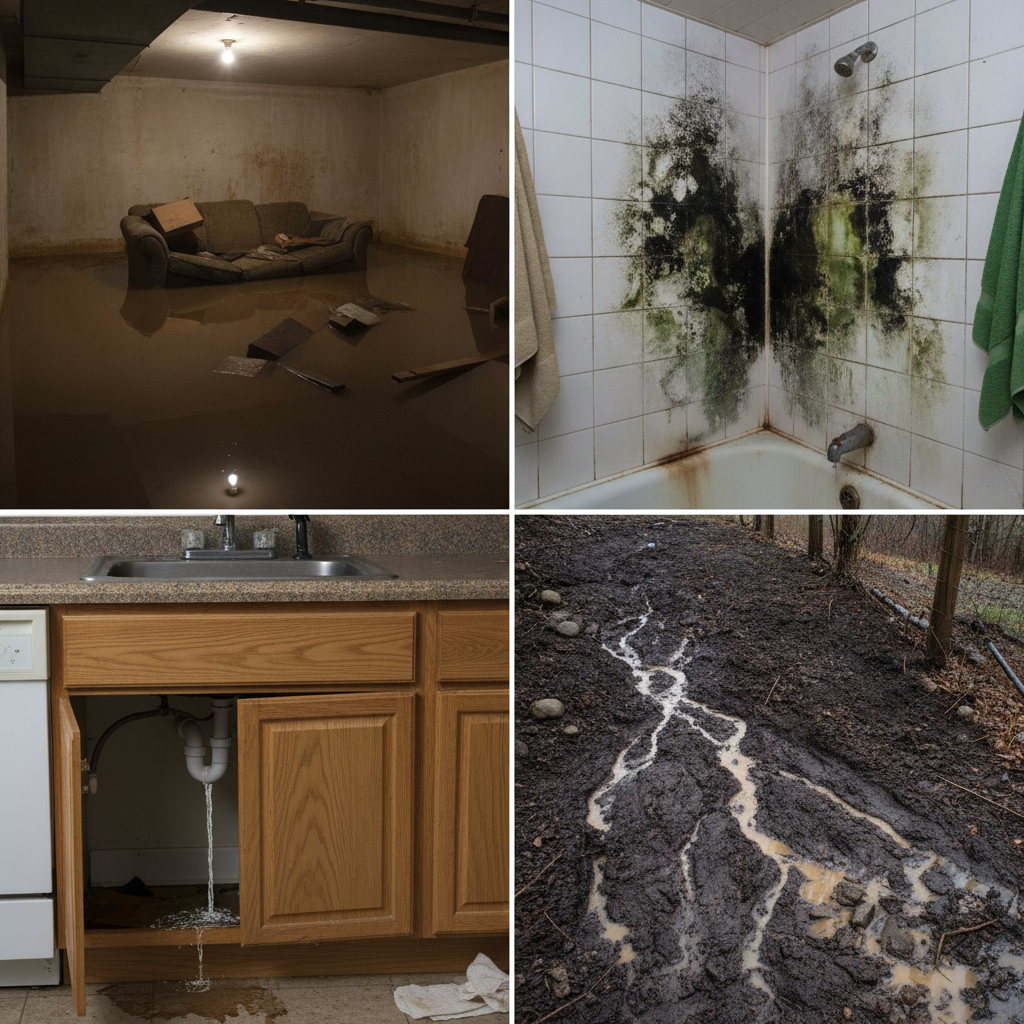
Water damage is one of the most common and costly issues that property owners, small business managers, and developers face. Whether it’s a minor leak or a major flood, understanding the different types of water damage is crucial for protecting your investment, ensuring safety, and minimizing repair costs. Many people underestimate the impact that water can have on a building, but the reality is that water damage can escalate quickly, leading to structural issues, mold growth, and significant financial losses if not addressed promptly. In this article, we’ll break down the types of water damage, how they occur, and what you can do to prevent and respond to them effectively. We’ll also explore the unique challenges that water damage presents in commercial and residential settings, and provide actionable tips for mitigation and recovery. By the end, you’ll have a clear understanding of how to identify, assess, and manage water damage, empowering you to take proactive steps to safeguard your property. Whether you’re a business owner, developer, or a concerned resident, this guide will help you make informed decisions and avoid common pitfalls related to water damage.
Types of Water Damage in Bloomfield Hills
When discussing the types of water damage, it’s important to recognize that not all water-related incidents are the same. In the area, property owners encounter a variety of scenarios, each with its own risks and restoration needs. The three main categories of water damage, clean water, gray water, and black water, are distinguished by the source and level of contamination. Clean water damage typically results from broken pipes, overflowing sinks, or rainwater. While initially less hazardous, clean water can become contaminated if not addressed quickly. Gray water comes from appliances like washing machines or dishwashers and may contain mild contaminants. Black water, the most dangerous, originates from sewage backups or flooding from rivers and streams, carrying harmful bacteria and chemicals. Understanding these types of water damage is essential for effective response and restoration. For more details on how to protect your property and what steps to take after an incident, visit our site for expert advice and resources tailored to local needs.
Types of Water Damage in Bloomfield Hills, MI
In commercial and residential buildings throughout this community, water damage can manifest in several ways. One common scenario is sudden water intrusion from heavy storms, which can overwhelm drainage systems and lead to basement flooding. Another frequent issue is slow, hidden leaks from plumbing systems, which might go unnoticed until significant damage has occurred. Roof leaks, often caused by aging materials or clogged gutters, can result in water seeping into attics and walls, leading to mold growth and weakened structures. Additionally, malfunctioning appliances, such as water heaters or HVAC systems, can release large amounts of water in a short period. Each of these incidents falls under the broader umbrella of types of water damage, but the response and remediation strategies vary depending on the source and extent of the problem. For a comprehensive overview of different water damage scenarios and how to address them, check out the Types of Water Damage in Bloomfield Hills FAQ page, which offers practical solutions for residents and business owners alike.
Types of Water Damage in Bloomfield Hills Michigan
The region’s climate and infrastructure present unique challenges when it comes to the types of water damage. Seasonal changes, such as spring thaws and summer storms, can increase the risk of flooding and roof leaks. In older neighborhoods, aging pipes and outdated plumbing systems are particularly susceptible to bursts and leaks, while newer developments may face issues related to improper drainage or construction defects. The types of water damage experienced here often require specialized assessment and remediation techniques to ensure the safety and longevity of both residential and commercial properties. Local restoration professionals, like Bloomfield Construction, are familiar with the specific risks and challenges faced by property owners in this city, offering tailored solutions to address everything from minor leaks to major flood events. By understanding the various types of water damage and their causes, residents and business owners can better prepare for and respond to water-related emergencies.
Classifying the Types of Water Damage
To fully grasp the impact of water damage, it’s helpful to understand how professionals classify incidents. The Institute of Inspection, Cleaning and Restoration Certification (IICRC) outlines three main categories of water damage based on the level of contamination:
- Category 1: Clean Water – Originates from a sanitary source, such as a broken supply line or faucet. While initially safe, it can become contaminated if left untreated.
- Category 2: Gray Water – Contains significant contamination and can cause discomfort or illness. Sources include washing machines, dishwashers, or toilet overflows with no feces.
- Category 3: Black Water – Highly contaminated, carrying harmful bacteria and pathogens. Sources include sewage backups, river flooding, or standing water that has begun to support microbial growth.
Each category requires a different approach to cleanup and restoration. Quick identification and appropriate response are critical to minimizing damage and health risks. The types of water damage you experience will dictate the urgency and method of remediation, making it essential to act quickly and consult with professionals when in doubt.
Common Causes of Water Damage
Understanding the root causes behind the types of water damage is the first step in prevention. Some of the most common sources include:
- Plumbing failures: Burst pipes, leaking joints, and faulty supply lines are frequent culprits.
- Weather events: Heavy rain, snowmelt, and flash floods can overwhelm drainage systems.
- Roof leaks: Damaged shingles, clogged gutters, and ice dams allow water to penetrate the building envelope.
- Appliance malfunctions: Water heaters, washing machines, and dishwashers can fail and release large volumes of water.
- Foundation cracks: Shifting soil or settling can create openings for groundwater to enter basements and crawlspaces.
By identifying these potential risks, property owners can take preventive measures, such as regular maintenance, inspections, and timely repairs, to reduce the likelihood of experiencing the most severe types of water damage.
How Water Damage Progresses Over Time
The impact of water damage is not always immediate. In fact, the types of water damage can evolve and worsen if not addressed quickly. Within minutes, water can spread to other areas, soaking carpets, walls, and furniture. In a matter of hours, drywall begins to swell, and metal surfaces may tarnish. After 24 to 48 hours, mold and bacteria start to grow, posing health risks and complicating cleanup efforts. Over several days, structural components like wood and insulation can become compromised, leading to costly repairs and potential safety hazards. This progression underscores the importance of early detection and intervention. The longer water sits, the more severe the damage becomes, turning what might have been a minor issue into a major restoration project. Understanding the timeline of water damage progression can help property owners act swiftly and minimize losses.
Health Risks Associated with Water Damage
Certain types of water damage, especially those involving gray or black water, pose serious health risks to occupants. Contaminated water can harbor bacteria, viruses, and mold spores, leading to respiratory problems, skin irritation, and other health issues. Mold growth is particularly concerning, as it can develop within 24 to 48 hours of water exposure and spread rapidly throughout a building. Individuals with allergies, asthma, or weakened immune systems are especially vulnerable. In addition to biological hazards, water damage can also create unsafe conditions by weakening structural elements, increasing the risk of slips and falls, and causing electrical malfunctions. Proper cleanup and remediation are essential to restoring a safe environment. Property owners should never attempt to handle contaminated water damage on their own; professional intervention is recommended to ensure thorough decontamination and safe restoration.
Table: Comparing Types of Water Damage
| Type | Source | Contamination Level | Health Risk | Response Needed |
|---|---|---|---|---|
| Clean Water (Category 1) | Broken pipes, rainwater | Low | Minimal (if addressed quickly) | Prompt drying and cleaning |
| Gray Water (Category 2) | Appliances, toilet overflows | Moderate | Potential discomfort/illness | Professional cleaning recommended |
| Black Water (Category 3) | Sewage, river flooding | High | Severe, health hazard | Immediate professional remediation |
This table highlights the distinctions between the types of water damage, their sources, and the appropriate response. Recognizing which type you are dealing with can help you take the right steps to protect your property and health.
Steps to Take After Water Damage
If you experience any of the types of water damage, immediate action is key. Here’s what to do:
- Ensure safety first. Turn off electricity in affected areas and avoid contact with contaminated water.
- Stop the source of water if possible, such as shutting off the main valve or fixing a leak.
- Document the damage with photos and notes for insurance purposes.
- Contact a professional restoration service, especially for gray or black water incidents.
- Begin drying and ventilating the area as soon as it is safe to do so.
Quick and decisive action can significantly reduce the impact of water damage and speed up the recovery process. Do not underestimate the risks associated with contaminated water or hidden moisture, as these can lead to long-term problems if not handled properly.
Preventing Water Damage in Your Property
Prevention is always better than cure when it comes to the types of water damage. Here are some effective strategies to protect your property:
- Regularly inspect plumbing, appliances, and roofing for signs of wear or leaks.
- Clean gutters and downspouts to ensure proper drainage away from the foundation.
- Install water leak detectors and automatic shut-off valves where possible.
- Seal foundation cracks and ensure landscaping slopes away from the building.
- Develop an emergency plan so all occupants know what to do in case of a water incident.
By taking these preventive measures, you can greatly reduce the likelihood of experiencing severe types of water damage and protect your investment for years to come.
Insurance and Water Damage Claims
Navigating insurance claims after experiencing the types of water damage can be complex. Not all policies cover every scenario, so it’s important to understand your coverage. Most standard property insurance policies cover sudden and accidental water damage, such as from a burst pipe, but may exclude gradual leaks or flooding from natural disasters. Flood insurance is typically a separate policy. When filing a claim, provide thorough documentation, including photos, receipts, and a detailed description of the incident. Work closely with your insurance adjuster and restoration professionals to ensure all damage is properly assessed and addressed. Being proactive and informed can help you secure the compensation you need to restore your property.
Key Takeaways
Understanding the types of water damage is essential for every property owner, business manager, and developer. From clean water leaks to hazardous black water incidents, each type requires a unique approach for effective mitigation and restoration. By recognizing the signs, acting quickly, and implementing preventive measures, you can minimize damage and protect your investment. Remember, professional help is often necessary for severe or contaminated water damage, and being proactive with maintenance and insurance can make all the difference. Stay informed, stay prepared, and take action at the first sign of trouble to ensure your property remains safe and sound for years to come.