
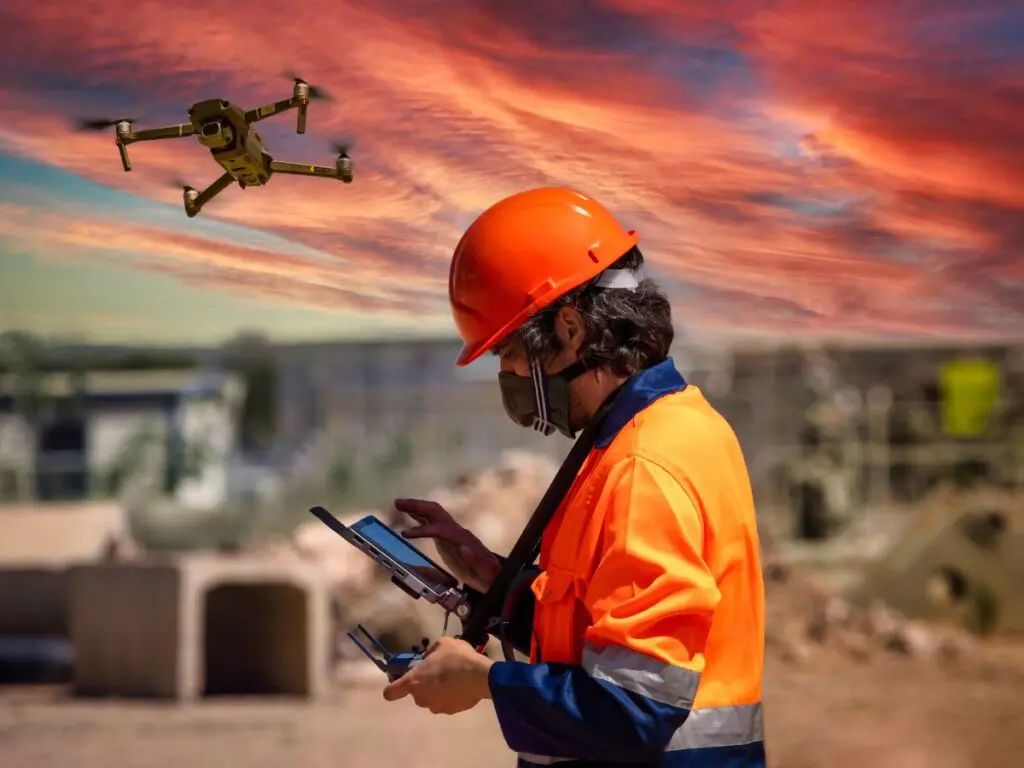
Drone inspections of tall structures reveal essential details about their integrity. You can quickly identify weaknesses like cracks and corrosion, with accuracy exceeding 90%. By capturing thorough visual documentation, drones enhance your decision-making process and streamline maintenance planning. They allow for regular monitoring and fast responses, minimizing costly repairs. Plus, the technology provides real-time data that supports proactive measures. Keep exploring to discover how this innovative approach is reshaping building inspections and maintenance strategies.
Key Takeaways
- Drone inspections reveal structural weaknesses such as cracks and corrosion in tall buildings, enabling proactive maintenance and timely repairs.
- High-resolution imagery captured by drones provides comprehensive visual documentation of tall structures from hard-to-reach angles.
- Regular drone inspections facilitate increased monitoring frequency, allowing for quick identification of potential issues in tall structures.
- Enhanced data accuracy from drone assessments supports informed decision-making regarding the structural integrity of high-rise buildings.
- Drones minimize safety risks for inspectors, ensuring compliance with safety regulations during tall structure assessments.
The Advantages of Drone Inspections for Tall Structures
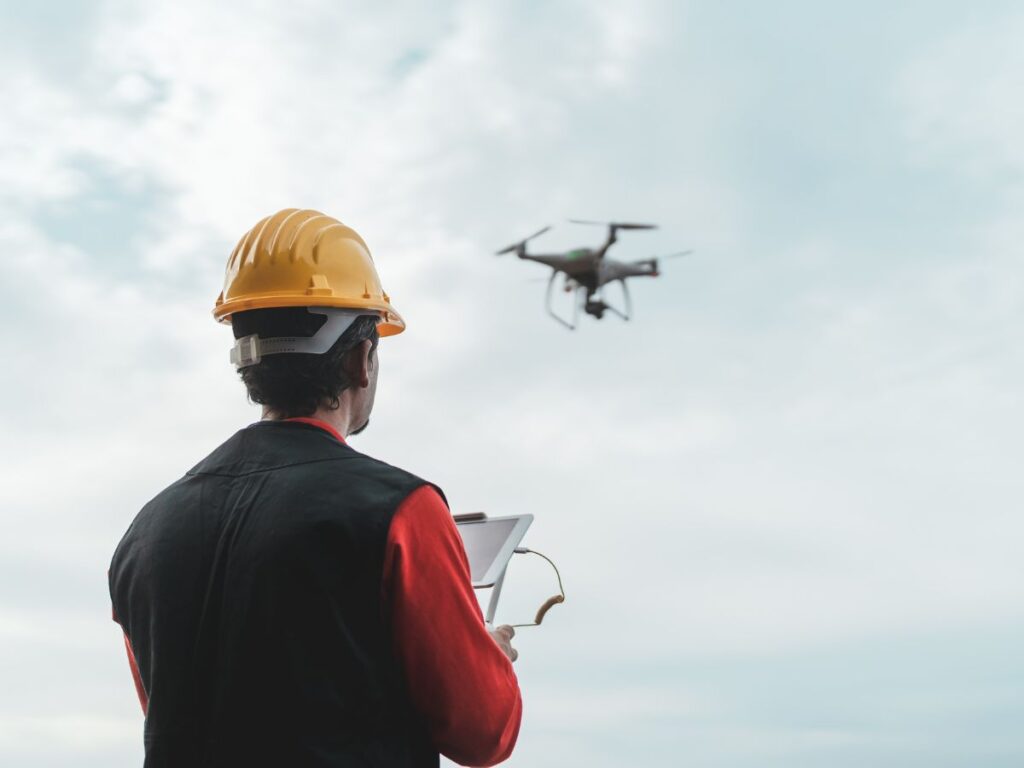
When it comes to inspecting tall structures, drone technology offers significant advantages that traditional methods simply can’t match. You’ll enjoy cost efficiency, as drones require fewer personnel and resources for inspections.
Safety enhancements are another key benefit; using drones minimizes risks associated with heights. The aerial perspective they provide allows for thorough visual documentation, capturing details that might be missed otherwise.
Increased inspection frequency becomes feasible too, enabling you to monitor conditions regularly. With improved data accuracy, you can make informed decisions promptly.
Plus, drones save time, completing inspections in a fraction of the time required traditionally. Accessibility improvements mean hard-to-reach areas are easily examined, ensuring extensive assessments without the hassles of scaffolding or ladders.
How Drone Inspections Compare to Traditional Methods

Drone inspections revolutionize how you approach the evaluation of tall structures, especially when you compare them to traditional methods.
With drones, you gain significant cost efficiency; they reduce the need for scaffolding or cranes, saving both time and money.
Drones offer remarkable cost efficiency by eliminating the need for scaffolding or cranes, saving both time and money.
Plus, the speed at which drones can capture detailed images means you can quickly identify issues without extensive downtime.
Safety protocols are also enhanced; using drones minimizes the risk to workers who’d otherwise need to climb or rappel down structures.
This not only protects your team but also guarantees compliance with safety regulations.
Identifying Structural Weaknesses With Drone Data
By leveraging advanced imaging technology, you can effectively identify structural weaknesses in tall buildings through drone data. Drones capture high-resolution images and videos, allowing you to assess structural integrity from angles that are hard to reach.
This technology helps pinpoint cracks, corrosion, and other issues that might compromise a building’s safety. With data accuracy at the forefront, you can trust the insights gained from these inspections.
Furthermore, drones can cover large areas quickly, providing a thorough overview of the structure in a fraction of the time traditional methods require. By integrating this data into your assessments, you enhance your ability to make informed decisions about maintenance and repairs, ultimately prolonging the lifespan of these structures.
How Real-Time Data Enhances Maintenance Planning
Real-time data from drone inspections gives you an immediate condition assessment of tall structures, allowing for quick responses to any issues.
With this information, you can gain predictive maintenance insights that help you plan ahead and avoid costly repairs.
Plus, having accurate data streamlines your decision-making process, making maintenance more efficient overall.
Immediate Condition Assessment
While traditional inspection methods often lag in efficiency, immediate condition assessments through drone technology offer a game-changing approach to maintenance planning. You can quickly identify immediate damage, allowing you to address potential issues before they escalate. This real-time data not only enhances your understanding of a structure’s current state but also supports proactive measures to maintain structural integrity.
| Benefits | Impact |
| Rapid data collection | Faster decision-making |
| Detailed visuals | Better damage assessment |
| Cost-effective | Reduced downtime and expenses |
| Safety improvements | Lower risk for inspection teams |
| Enhanced maintenance plans | Longer lifespan of structures |
With drones, you can guarantee timely interventions, saving you time and resources in the long run.
Predictive Maintenance Insights
- Avoid costly downtime: Real-time data helps you schedule maintenance at the right time.
- Increase safety: Early detection of potential problems protects your team and the public.
- Extend asset lifespan: Regular, informed maintenance prolongs the life of your structures.
Streamlined Decision-Making Process
When you harness the power of real-time data, you can greatly streamline your maintenance planning and decision-making process. Utilizing data visualization techniques, you can quickly identify issues and prioritize repairs. Decision support systems enhance your ability to make informed choices, reducing downtime and optimizing resources.
Here’s a quick overview of how these elements work together:
| Aspect | Description | Benefit |
| Real-Time Data | Instant updates on structure status | Immediate response |
| Data Visualization | Graphical representation of data | Easier analysis |
| Decision Support System | Analytical tools for decision-making | Informed, strategic choices |
Case Studies of Successful Drone Inspections
Let’s explore some real-world examples of drone inspections that highlight their effectiveness in evaluating tall structures.
You’ll see how high-rise building inspections and bridge structural evaluations have benefited from this technology.
These case studies showcase the potential of drones to enhance safety and efficiency in inspections.
High-Rise Building Inspections
As urban landscapes continue to evolve, high-rise buildings demand innovative inspection methods to guarantee safety and structural integrity.
Drone inspections leverage advanced inspection technology, ensuring high-rise safety and architectural integrity. With aerial photography, you can quickly assess maintenance strategies and monitor structural health, all while adhering to regulatory compliance.
Here are three compelling benefits of drone inspections:
- Enhanced Safety: Minimize risks to workers by avoiding dangerous heights.
- Cost Efficiency: Reduce time and resources spent on traditional inspection methods.
- Real-Time Data: Gain immediate insights for proactive structural monitoring and maintenance.
Bridge Structural Assessments
Drone inspections are revolutionizing bridge structural assessments, offering a safer and more efficient alternative to traditional methods. By leveraging advanced technology, you can enhance inspection frequency while ensuring the structural integrity of various bridge materials. This integration not only streamlines the assessment process but also considerably reduces maintenance costs.
Here’s a quick look at how drone inspections impact bridge assessments:
| Aspect | Benefits |
| Inspection Frequency | Increased, timely assessments |
| Structural Integrity | Enhanced monitoring |
| Maintenance Costs | Reduced overall expenses |
| Safety Protocols | Minimized risk for workers |
| Technology Integration | Improved data collection |
Utilizing drones allows you to adhere to strict safety protocols while gathering essential insights, proving to be a game-changer in bridge maintenance.
Emerging Trends in Drone Technology for Inspections
While the landscape of drone technology is constantly evolving, several emerging trends are shaping how inspections of tall structures are conducted. These innovations improve efficiency and accuracy, making inspections safer and more reliable.
- Autonomous Flight: Drones can now navigate complex structures without constant human input, enhancing inspection frequency.
- AI Integration: Artificial intelligence analyzes data in real-time, identifying potential issues faster and aiding in regulatory compliance.
- Thermal Imaging and Sensor Advancements: Advanced sensors and thermal imaging provide detailed insights into structural integrity, ensuring safety protocols are met.
These trends not only boost cost efficiency but also emphasize the importance of user training, ensuring operators can harness these technologies effectively.
These innovations enhance cost efficiency while highlighting the critical need for comprehensive user training to maximize their potential.
Embracing these developments can revolutionize how you approach inspections.
Challenges of Drone Inspections in Urban Areas
Even with the advancements in drone technology, inspecting tall structures in urban areas presents unique challenges that can complicate operations.
Urban obstacles, such as buildings and power lines, can restrict flight paths, while airspace restrictions impose additional limitations. You’ll also face safety regulations that vary by location, making compliance tricky.
Noise concerns can impact nearby residents, and adverse weather conditions can hinder operations. Technology limitations might lead to equipment failures, complicating inspections further.
Additionally, accessibility issues can arise when targeting hard-to-reach areas. All these factors contribute to higher operational costs and may influence public perception of drone usage.
Maneuvering through these challenges is essential for successful inspections in bustling urban environments.
Regulatory Considerations for Drone Use in Inspections
When conducting inspections with drones, understanding the regulatory landscape is essential for ensuring compliance and safety. Steering through these rules helps you avoid potential pitfalls that could jeopardize your operations.
Understanding the regulatory landscape is crucial for safe and compliant drone inspections, helping you navigate potential pitfalls effectively.
Here are three key considerations:
- Regulatory Frameworks: Familiarize yourself with local and federal regulations governing drone use.
- Safety Standards: Adhere to established safety protocols to protect both your team and the public.
- Airspace Restrictions: Be aware of airspace limitations, as flying in restricted areas can lead to severe penalties.
Moreover, keep in mind certification requirements, liability issues, and data privacy laws.
Frequently Asked Questions
How Much Do Drone Inspections Typically Cost for Tall Structures?
Drone inspections for tall structures typically cost between $300 to $1,500, depending on cost factors like height and complexity. You’ll find inspection benefits include safety, efficiency, and detailed data that traditional methods can’t match.
What Types of Drones Are Best for Structural Inspections?
For structural inspections, you’ll want drones equipped with advanced sensors, like thermal and optical cameras. Make certain they comply with inspection regulations to guarantee safety and accuracy while capturing essential data from tall structures.
How Often Should Drone Inspections Be Conducted?
You should conduct drone inspections at least twice a year, aligning with your maintenance schedule. This inspection frequency helps identify potential issues early, ensuring safety and minimizing costly repairs down the line.
Are Drone Inspections Safe for Workers and the Public?
Yes, drone inspections enhance worker safety and public safety. By minimizing the need for personnel at dangerous heights, drones reduce risks associated with traditional methods, ensuring thorough assessments without compromising anyone’s well-being.
Can Drones Inspect Structures in Adverse Weather Conditions?
Yes, drones can inspect structures in adverse weather conditions, but their capabilities vary. Heavy rain or strong winds may impact performance, so it’s crucial to assess weather conditions before deployment for safe and effective inspections.
Final Thoughts
Drone inspections give us a faster, safer, and more accurate way to evaluate tall structures and identify issues before they turn into costly repairs. With clear aerial data and real-time insights, we can better assess damage, monitor hard-to-reach areas, and plan the right next steps to help protect the long-term condition of your property.
At Bloomfield Construction, we combine experience with modern solutions to help property owners make informed decisions about their exterior systems. Whether you need help with roofing services, support after storm-related damage through our insurance restoration services, or guidance on urgent issues such as emergency roof leaks, we are here to provide dependable service and lasting results.
If you need a closer look at a tall or difficult-to-access structure, contact us today to schedule an inspection and let us help you protect your property with efficient, professional solutions.