Water damage can be a nightmare for any property owner, whether you manage a small business, oversee developments, or simply care about your home. When water finds its way into walls, floors, or ceilings, the visible mess is only part of the problem. Hidden moisture can linger, leading to mold, structural issues, and costly repairs if not addressed quickly and thoroughly. This is where professional moisture mapping comes into play. In the context of Water Damage Restoration Bloomfield Hills projects, moisture mapping is a critical first step that ensures every drop of unwanted water is detected and properly handled. But what actually happens during this process? How do experts find moisture you can’t see or feel? And why is it so vital for protecting your investment and the health of your building? In this article, we’ll take you behind the scenes of professional moisture mapping, exploring the tools, techniques, and expertise that set apart a thorough restoration job from a temporary fix. Whether you’re a business owner, developer, or simply curious about how restoration professionals safeguard local properties, you’ll discover what to expect and why it matters for the long-term safety and value of your space.
Why Moisture Mapping Matters in Water Restoration
When water damage strikes, the immediate impulse is to dry out what’s visible and move on. However, water has a way of sneaking into hidden spaces, soaking insulation, seeping under flooring, and wicking up behind drywall. This hidden moisture is a silent threat, often missed by untrained eyes or basic equipment. Moisture mapping is the process of systematically identifying all areas affected by water, both seen and unseen. This step is crucial for several reasons:
- It prevents mold growth by ensuring no damp spots are left untreated.
- It protects the structural integrity of the building by identifying waterlogged materials that may weaken over time.
- It helps restoration professionals develop a targeted drying and repair plan, saving time and money in the long run.
Without thorough moisture mapping, restoration efforts can be incomplete, leading to recurring problems and additional expenses down the road. For property owners in this community, investing in professional moisture mapping is a proactive step toward a safe, healthy, and resilient building. For more information on comprehensive restoration services, check out Bloomfield Construction.
The Tools and Technology Behind Accurate Moisture Detection
Gone are the days when water damage detection meant simply feeling for dampness or looking for stains. Today’s moisture mapping relies on advanced tools and technology designed to pinpoint moisture with precision. Restoration professionals use a combination of the following equipment:
- Moisture meters: These handheld devices measure the moisture content in various building materials, from wood to drywall to concrete.
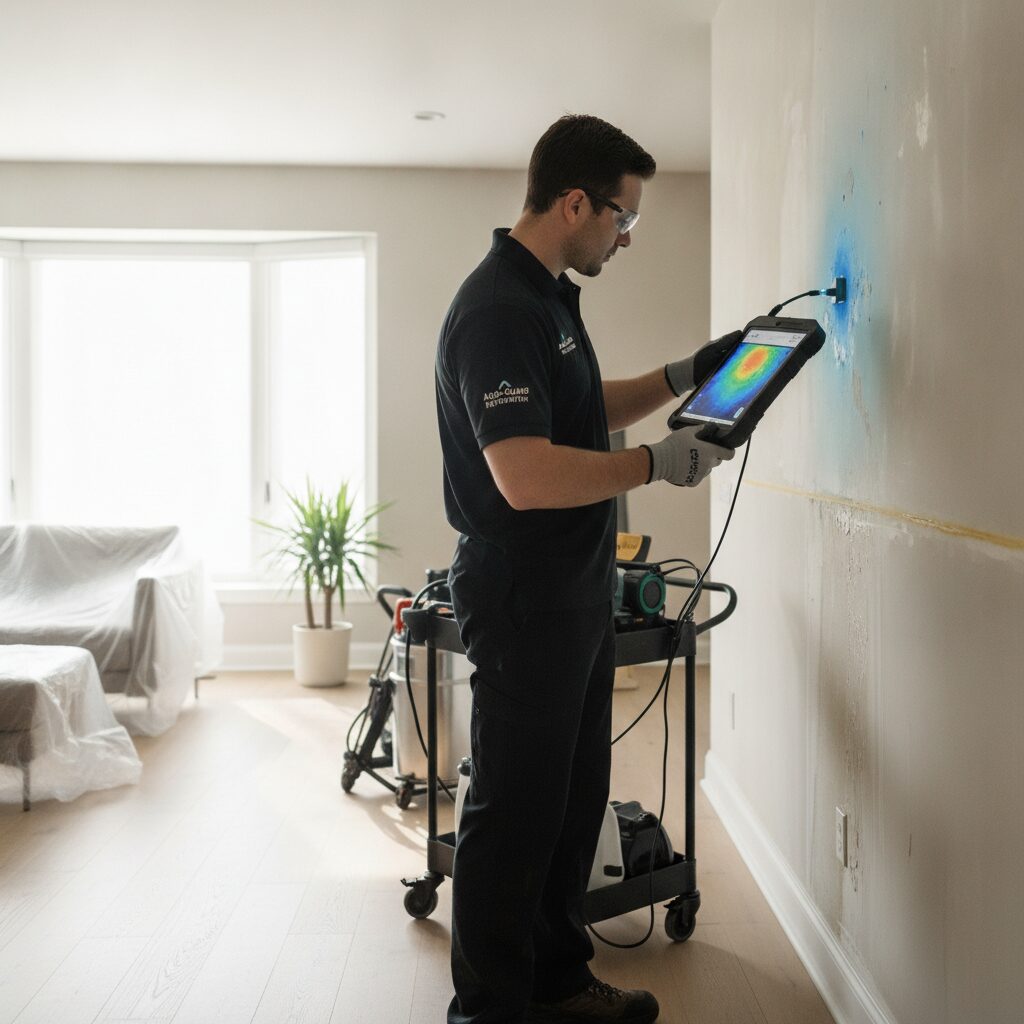
- Thermal imaging cameras: By detecting temperature differences, these cameras reveal areas where moisture is hiding behind surfaces.
- Hygrometers: These measure the humidity in the air, helping to assess the overall moisture environment.
- Borescopes: Small cameras that can be inserted into wall cavities to visually inspect hidden spaces.
Each tool has its strengths, and professionals often use them in combination to create a detailed map of affected areas. This comprehensive approach ensures no spot is overlooked, giving property owners confidence that the restoration is thorough. To see how choosing the right construction materials can also impact water resistance and durability, visit How to Choose the Right Roofing Material for Bloomfield Hills Weather.
Step-by-Step: What to Expect During a Moisture Mapping Assessment
If you’ve never experienced a professional moisture mapping assessment, you might wonder what the process involves. Typically, restoration experts follow a systematic approach to ensure every area is checked and documented:
- Initial inspection: Technicians visually inspect the property, noting obvious signs of water damage and areas of concern.
- Surface scanning: Using moisture meters, they scan walls, floors, and ceilings to detect elevated moisture levels.
- Thermal imaging: Technicians deploy thermal cameras to spot hidden moisture behind surfaces, highlighting cold spots where water may be lurking.
- Targeted probing: In suspicious areas, they may use pin-type meters or borescopes to probe deeper, confirming the extent of moisture penetration.
- Mapping and documentation: All findings are recorded, often using digital floor plans and annotated images to create a clear moisture map.
- Reporting: The results are shared with the property owner, along with recommendations for drying, repairs, or further investigation as needed.
This methodical process leaves little to chance, ensuring that even the most well-hidden moisture is found and addressed. For a look at how fire and water damage restoration services can intersect, see Top Fire Damage Restoration Services in Bloomfield Hills: What Homeowners Need to Know.
Common Areas Where Hidden Moisture Lurks
One of the biggest challenges in water damage restoration is that water doesn’t always follow predictable paths. While some areas may dry quickly, others can trap moisture for weeks or even months. Here are some of the most common trouble spots where hidden moisture is found during professional mapping:
- Wall cavities, especially behind insulation or paneling
- Underneath hardwood, laminate, or tile flooring
- Inside ceiling spaces, particularly below bathrooms or kitchens
- Basement corners and behind built-in shelving
- Around window and door frames where seals may have failed
Identifying these hidden pockets of moisture early can prevent long-term damage and costly repairs. Professional moisture mapping ensures that no area is overlooked, giving property owners in the region peace of mind that their space is truly dry and safe.
How Moisture Mapping Informs the Restoration Plan
Once a comprehensive moisture map is created, restoration professionals use this data to develop a targeted plan for drying and repairs. Rather than relying on guesswork or over-drying unaffected areas, the team can focus efforts where they’re needed most. This approach offers several benefits:
- Efficient drying: Equipment is placed strategically, reducing energy use and speeding up the process.
- Material preservation: Only materials that are truly saturated are removed or replaced, saving money and reducing waste.
- Accurate documentation: Insurance claims are supported by clear evidence of the extent of damage and the work performed.
For business owners and developers, this level of precision can mean the difference between a quick recovery and a drawn-out, expensive ordeal. Moisture mapping ensures that every step of the restoration process is informed, efficient, and effective.
The Role of Documentation and Reporting
Detailed documentation is a hallmark of professional moisture mapping. Every reading, image, and observation is carefully recorded and organized into a comprehensive report. This serves several key purposes:
- It provides a clear record for insurance claims, supporting the scope of work and justifying costs.
- It allows property owners to track the progress of restoration and verify that all affected areas have been addressed.
- It serves as a reference for future maintenance or renovations, highlighting areas that may need extra attention.
A well-documented moisture map is not just a technical tool, it’s a valuable asset for property management and long-term planning. In the neighborhood, where property values and safety are top priorities, this level of transparency is especially important.
Table: Comparison of Moisture Detection Tools
| Tool | How It Works | Best For |
|---|---|---|
| Moisture Meter | Measures moisture content in materials via direct contact | Pinpointing wet spots in wood, drywall, and concrete |
| Thermal Imaging Camera | Detects temperature differences indicating hidden moisture | Locating moisture behind walls and ceilings |
| Hygrometer | Measures humidity levels in the air | Assessing overall moisture environment |
| Borescope | Visual inspection inside wall cavities using a small camera | Inspecting hard-to-reach or enclosed spaces |
Moisture Mapping for Commercial vs. Residential Properties
While the principles of moisture mapping are similar for all buildings, there are important differences between commercial and residential properties. Commercial spaces often have larger footprints, more complex layouts, and a wider variety of building materials. This can make moisture detection more challenging, requiring specialized equipment and expertise. Residential properties, on the other hand, may have unique vulnerabilities such as finished basements, attics, or older construction methods that trap moisture in unexpected places.
Professionals tailor their approach to the specific needs of each property. For example, a small business in the area may require after-hours assessments to minimize disruption, while a developer might need detailed documentation for multiple units. Regardless of the setting, the goal remains the same: to ensure that every affected area is found and restored to a safe, dry condition.
The Importance of Speed and Timing in Moisture Mapping
Time is of the essence when it comes to water damage. The longer moisture remains undetected, the greater the risk of mold, rot, and structural problems. Professional moisture mapping is most effective when performed as soon as possible after a water event. Quick action allows restoration teams to:
- Prevent secondary damage, such as mold growth or wood warping
- Reduce the scope and cost of repairs
- Minimize downtime for businesses and inconvenience for residents
For property managers and owners in the region, establishing a relationship with a trusted restoration provider can make all the difference when emergencies arise. Fast, thorough moisture mapping is the foundation of an effective recovery plan.
How Professionals Ensure Complete Drying After Mapping
Moisture mapping is only the beginning. Once all affected areas are identified, restoration professionals deploy drying equipment such as air movers, dehumidifiers, and heaters. The placement and calibration of this equipment are guided by the moisture map, ensuring that every damp spot receives the attention it needs. Technicians continue to monitor moisture levels throughout the drying process, adjusting equipment as necessary and documenting progress.
This ongoing monitoring is essential for verifying that drying goals are met before repairs begin. Rushing the process or relying on guesswork can leave hidden moisture behind, leading to future problems. By following a data-driven approach, professionals give property owners confidence that their building is truly dry and safe for occupancy.
Benefits of Professional Moisture Mapping for Property Owners
Investing in professional moisture mapping offers a range of benefits for property owners, developers, and business managers. These include:
- Peace of mind knowing that all moisture has been detected and addressed
- Reduced risk of mold, odors, and structural damage
- Lower restoration costs by targeting only affected areas
- Stronger insurance claims supported by clear documentation
- Improved indoor air quality and occupant safety
For anyone responsible for the care and value of a property, moisture mapping is a wise investment that pays dividends in safety, cost savings, and long-term reliability.
Key Takeaways
Professional moisture mapping is a cornerstone of effective water damage restoration in Bloomfield Hills and the surrounding region. By leveraging advanced tools, systematic processes, and expert knowledge, restoration teams can uncover hidden threats and ensure every affected area is addressed. Whether you’re managing a commercial property, overseeing a development, or protecting your home, understanding what happens during moisture mapping empowers you to make informed decisions and safeguard your investment. Remember, the true cost of water damage isn’t just in what you see, it’s in what you might miss. Trusting the process of professional moisture mapping is the first step toward a safe, healthy, and resilient property.