When was the last time you thought about your roof’s age? For many small business owners, developers, and even general readers, the roof is often out of sight and out of mind, until a problem arises. Yet, understanding the age of your roof is more than just a number; it’s a crucial clue to its remaining lifespan and the urgency of planning for replacement. Working with a trusted roofing contractor bloomfield hills professionals can help you decode what your roof’s age reveals about its condition and when you should start budgeting for a new one. Whether your building is a historic gem or a modern office, knowing how roof age impacts maintenance and replacement timelines can save you from costly surprises down the road. In this article, we’ll explore how to interpret roof age, what signs to watch for, and how proactive planning can benefit your property and peace of mind.
Why Roof Age Matters for Property Owners
Roof age is more than just a number on a warranty, it’s a powerful predictor of performance, maintenance needs, and potential risks. As roofs age, materials begin to break down, making them more susceptible to leaks, weather damage, and even structural concerns. For business owners and developers, understanding the age of your roof can help you prioritize repairs, plan for capital expenditures, and avoid emergency disruptions. An older roof may not only be less energy efficient but can also impact insurance premiums and property value. By tracking your roof’s age and condition, you can make informed decisions about when to schedule inspections, repairs, or full replacement. Local experts like Bloomfield Construction can help assess your roof’s current state and recommend the best course of action based on its age and unique characteristics.
Common Lifespans of Roofing Materials
Different roofing materials have distinct lifespans, which play a significant role in determining when replacement may be necessary. Asphalt shingles, a popular choice for many local properties, typically last between 15 to 30 years depending on quality and installation. Metal roofs can endure for 40 to 70 years, while tile and slate options may last even longer with proper care. Flat roofs, often found on commercial buildings, usually have a shorter lifespan, generally around 10 to 20 years. Environmental factors, such as heavy snowfall or intense sun, can shorten these timelines. Consulting a roofing contractor bloomfield hills ensures you get an accurate assessment of your specific material and its expected longevity, allowing you to plan ahead for eventual replacement.
Key Signs Your Roof’s Age Is Showing
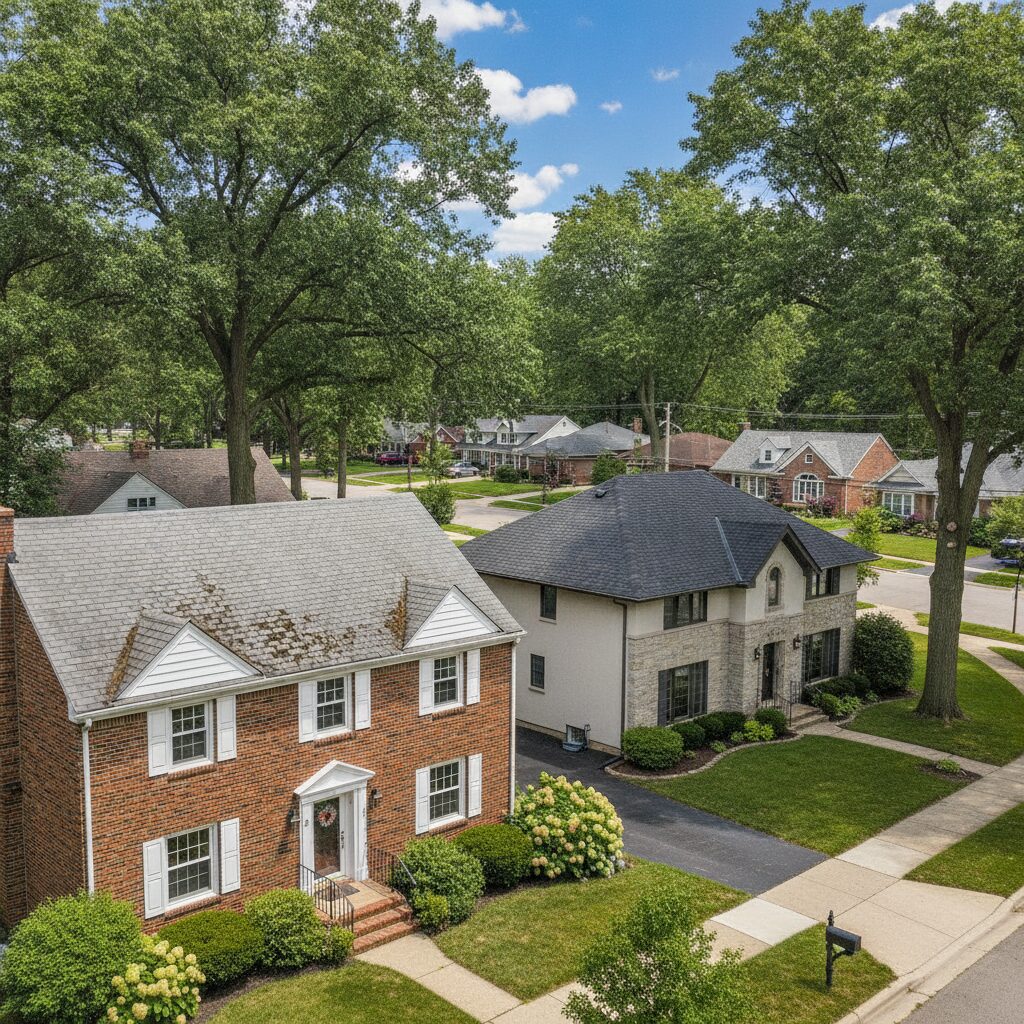
Even if you know your roof’s installation date, visible signs of aging are crucial indicators that replacement may be on the horizon. Look for curling or missing shingles, cracked tiles, rusted flashing, or granule loss on asphalt roofs. Flat roofs might develop pooling water, blisters, or visible seams. Interior warning signs, such as water stains on ceilings or walls, can also point to age-related deterioration. Regular inspections by professionals can catch these issues early, preventing minor problems from escalating into major repairs. For more detailed information on roof services and what to expect from a professional evaluation, visit our site for resources and guidance tailored to your building’s needs.
How Weather Accelerates Roof Aging
The local climate plays a significant role in how quickly a roof ages. In regions with harsh winters, freeze-thaw cycles can cause materials to expand and contract, leading to cracks and leaks. Heavy rain, wind, and hail can strip away protective layers or loosen fasteners. Even prolonged sun exposure can dry out shingles and cause fading or brittleness. Proper drainage is essential to prevent water accumulation and ice dams, which can accelerate deterioration. To learn how gutter maintenance and repair can extend your roof’s life, check out How Gutter Installation and Repair Protect Bloomfield Hills Roofs for practical tips and solutions.
Planning for Roof Replacement: Timelines and Budgeting
Once you understand your roof’s age and condition, proactive planning becomes essential. Replacement timelines vary based on material, installation quality, and exposure to local weather. For many property owners, budgeting for a new roof is a significant investment, so starting early is key. Consider setting aside funds annually as your roof approaches the end of its expected lifespan. Factor in the potential for unexpected repairs, especially if your roof is showing visible signs of wear. Working with experienced professionals can help you develop a realistic replacement schedule and avoid last-minute financial strain. For a step-by-step guide on what to expect during the replacement process, see What to Expect During a Professional Roof Replacement in Bloomfield Hills.
How Roof Age Affects Insurance and Resale Value
Insurance companies often consider roof age when determining coverage terms and premiums. An older roof may mean higher rates or limited coverage, especially if it’s near or past its expected lifespan. Some insurers may even require a roof inspection before renewing a policy. From a resale perspective, a newer roof is a strong selling point, while an aging one can be a negotiation hurdle. Prospective buyers are likely to factor in the cost of replacement, which can impact your property’s market value. Staying proactive with maintenance and having documentation of repairs or upgrades can help demonstrate the roof’s condition to both insurers and buyers, making transactions smoother and more favorable.
The Role of Regular Inspections in Extending Roof Life
Routine roof inspections are the best way to maximize the lifespan of your investment. Even newer roofs benefit from periodic checkups, as minor issues can develop into major problems if left unaddressed. Professionals can spot subtle signs of wear, recommend targeted repairs, and advise on when replacement should be considered. Inspections are especially important after severe weather events, which can accelerate aging or cause hidden damage. Establishing a regular inspection schedule, ideally once or twice a year, can help you catch problems early and keep your roof performing at its best for as long as possible.
Comparing Repair Versus Replacement for Aging Roofs
When your roof starts to show its age, you might wonder whether repairs will suffice or if full replacement is necessary. The answer depends on the extent of wear, the type of material, and your long-term plans for the property. Minor leaks or isolated damage can often be addressed with targeted repairs, especially if the roof is still within its expected lifespan. However, widespread issues or chronic leaks may signal that replacement is the more cost-effective option in the long run. Consulting with a trusted local expert can help you weigh the pros and cons, factoring in safety, cost, and future maintenance needs.
How Maintenance History Influences Replacement Timing
A well-maintained roof can often outlast its expected lifespan, while neglected roofs may need replacement sooner. Regular cleaning, prompt repairs, and attention to drainage all contribute to longevity. Keeping detailed records of maintenance and repairs is invaluable, especially when selling a property or filing insurance claims. These records help professionals assess the true condition of the roof and provide accurate recommendations for replacement timelines. Even if your roof is older, a strong maintenance history can give you more flexibility in planning for eventual replacement, potentially saving money and reducing stress.
| Roof Material | Typical Lifespan (Years) | Common Signs of Aging |
|---|---|---|
| Asphalt Shingles | 15–30 | Curling, granule loss, missing shingles |
| Metal | 40–70 | Rust, loose fasteners, fading |
| Tile/Slate | 50+ | Cracked tiles, moss growth, shifting |
| Flat (Membrane) | 10–20 | Pooling water, blisters, seam splits |
When to Consult a Roofing Professional
If you’re unsure about your roof’s age or condition, reaching out to a local roofing specialist is a smart move. Professionals can provide a thorough inspection, estimate remaining lifespan, and suggest the most cost-effective solutions. They can also help you understand warranty coverage and guide you through the replacement process if needed. Engaging a reputable contractor early can help you avoid emergency repairs and ensure your property remains protected. Don’t wait until leaks or visible damage force your hand, proactive consultation is always the best strategy for long-term property management.
Final Thoughts
Understanding what your roof’s age reveals about replacement timelines is essential for every property owner in this community. By staying informed about material lifespans, recognizing signs of aging, and planning ahead, you can avoid costly surprises and maintain the value of your investment. Regular inspections, a strong maintenance history, and early consultation with professionals are your best tools for extending your roof’s life and preparing for eventual replacement. Whether you own a small business, manage a commercial property, or simply want peace of mind, taking a proactive approach to roof management ensures your building stays safe, efficient, and ready for whatever the future holds.