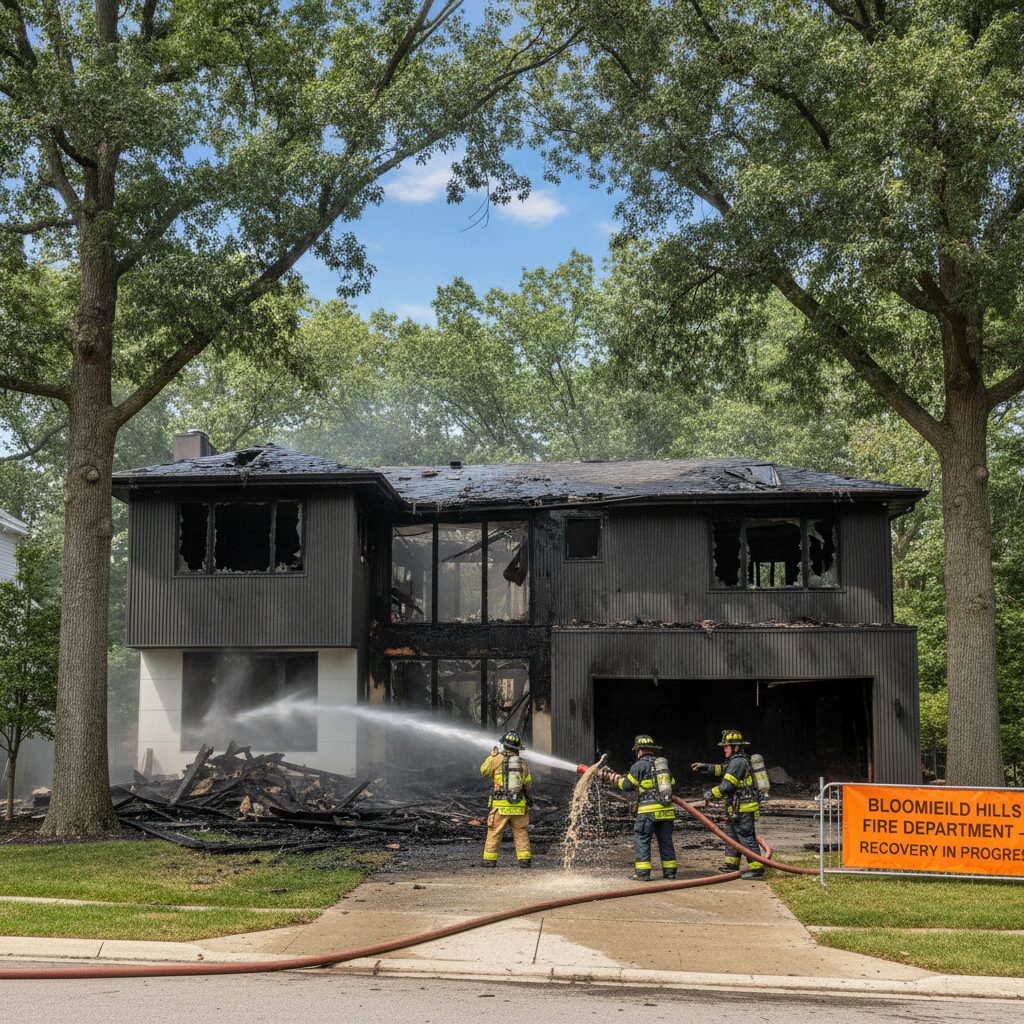
Fire damage can be devastating for any property, but the challenges don’t end once the flames are out. For small business owners, developers, and residents in the area, understanding the critical role of water removal after fire suppression is essential. When firefighters extinguish a blaze, they often use thousands of gallons of water, leaving behind a new set of problems: soaked building materials, lingering moisture, and the risk of further damage. That’s why fire damage restoration Bloomfield Hills services focus not just on cleaning up soot and debris, but also on rapid, thorough water extraction. Ignoring this step can lead to structural issues, mold growth, and costly repairs down the line. In this article, we’ll explore why water removal matters so much after fire suppression, how the process works, and what local business owners and property managers need to know to protect their investments and get back to normal as quickly as possible.
Why Water Removal Is Critical After Fire Suppression
After the chaos of a fire, it’s easy to focus solely on visible damage: charred walls, scorched furniture, and lingering smoke odors. However, the water used by firefighters to suppress the flames can be just as destructive, if not more so, than the fire itself. Water saturates drywall, seeps into flooring, and penetrates deep into structural cavities. If left unchecked, this moisture creates the perfect environment for mold growth, weakens building materials, and can even compromise the integrity of the entire structure. For business owners, this means potential downtime, lost revenue, and increased repair costs.
Water removal is the first and most urgent step in the fire damage restoration process. Specialized equipment, such as industrial extractors and high-powered fans, are used to remove standing water and accelerate drying. The sooner this process begins, the better the chances of salvaging building materials and preventing secondary damage. In the area, experienced restoration professionals understand the urgency and use proven techniques to ensure thorough water extraction and drying, setting the stage for a successful recovery.
Choosing the right partner for restoration is crucial. Bloomfield Construction has built a reputation for rapid response and comprehensive fire and water damage solutions, making them a trusted choice for local businesses and property owners.
Understanding the Hidden Dangers of Residual Moisture
One of the most overlooked consequences of fire suppression is the moisture that lingers long after the visible water has been removed. Even if a property appears dry on the surface, hidden pockets of moisture can remain trapped behind walls, under flooring, and within insulation. This residual dampness is a breeding ground for mold and bacteria, both of which can pose serious health risks to occupants and employees.
Mold can begin to develop within 24 to 48 hours of water exposure, spreading quickly and releasing spores into the air. This not only damages building materials but can also lead to respiratory issues and allergic reactions. For business owners and developers, the presence of mold can delay reopening, lead to costly remediation, and even result in liability issues if employees or customers are affected. That’s why professional water removal goes beyond surface drying, it includes moisture mapping, monitoring, and the use of advanced drying technologies to ensure every hidden area is addressed.
For those considering improvements or upgrades to their properties, it’s also important to think about how building materials will withstand both water and fire. The right choices can make a significant difference in long-term resilience. For more information, check out How to Choose the Right Roofing Material for Bloomfield Hills Weather.
How Water Removal Supports Smoke and Odor Elimination
Water removal isn’t just about preventing mold and structural damage, it’s also a key step in eliminating persistent smoke odors after a fire. When water soaks into porous materials, it can trap smoke particles and soot deep within walls, floors, and ceilings. If this moisture isn’t thoroughly extracted, those odors can linger for months, making the space uncomfortable and unwelcoming for employees, customers, or tenants.
Professional restoration teams use a combination of water extraction, dehumidification, and specialized cleaning agents to remove both moisture and odor-causing residues. This comprehensive approach ensures that once repairs are complete, the property not only looks restored but also smells clean and fresh. For business owners, this is essential for maintaining a positive reputation and ensuring a safe, healthy environment for everyone who enters the building.
To learn more about the science behind smoke odor removal and how it ties into water extraction, visit How Smoke Odor Is Eliminated During Fire Restoration in Bloomfield Hills.
The Step-by-Step Process of Water Removal After a Fire
The water removal process after fire suppression is methodical and requires specialized knowledge. Restoration professionals begin with a thorough assessment of the property, identifying all areas affected by water. Next, they use industrial pumps and extractors to remove standing water as quickly as possible. Once the bulk of the water is gone, attention shifts to moisture that has seeped into building materials. High-powered air movers and dehumidifiers are strategically placed to accelerate evaporation and draw out hidden dampness.
Moisture meters and thermal imaging cameras are often used to detect water in places that can’t be seen or felt. This ensures that no area is overlooked and that the drying process is complete before repairs begin. Throughout this process, restoration teams document their progress, providing property owners with detailed reports that can be used for insurance claims or future reference. The goal is to return the property to a safe, dry, and habitable condition as efficiently as possible, minimizing disruption and preventing secondary damage.
Common Challenges in Commercial Water Removal
Commercial properties present unique challenges when it comes to water removal after fire suppression. Large open spaces, multiple floors, and complex building systems can make it difficult to locate and extract all moisture. In addition, commercial buildings often house sensitive equipment, inventory, and documents that require special handling. Restoration teams must work quickly to prevent damage to these assets while also ensuring the building itself is thoroughly dried.
Another challenge is minimizing business interruption. Every day that a business remains closed results in lost revenue and potential reputational harm. That’s why restoration professionals prioritize critical areas, using advanced drying techniques and working around the clock to speed up the process. Communication is key, property owners should expect regular updates and clear timelines from their restoration partners. By understanding these challenges and working with experienced professionals, business owners can reduce downtime and protect their investments.
Preventing Secondary Damage: Mold, Rot, and Structural Concerns
Secondary damage is a major concern after fire suppression. If water isn’t removed promptly and thoroughly, it can lead to mold growth, wood rot, and even structural failure. Mold thrives in damp, dark environments and can quickly spread throughout a building, causing health issues and requiring costly remediation. Rotting wood and weakened drywall can compromise the safety of the structure, leading to expensive repairs and potential code violations.
To prevent these issues, restoration professionals use a combination of moisture detection tools, industrial drying equipment, and antimicrobial treatments. The goal is not just to dry the surface, but to address moisture at every level of the building. Property owners should be aware that even a small amount of residual moisture can lead to big problems down the line. By investing in professional water removal, they can protect their properties and avoid the headaches of secondary damage.
The Role of Documentation in Water Removal and Restoration
Thorough documentation is a cornerstone of effective water removal and fire damage restoration. Restoration teams keep detailed records of every step, from initial assessment to final drying. This includes photographs, moisture readings, and written reports that track progress and verify that all affected areas have been addressed. For business owners and property managers, this documentation is invaluable for insurance claims and future property management.
Insurance companies often require proof that water removal and drying were conducted properly before approving claims for repairs or lost inventory. Detailed documentation provides this proof, helping property owners avoid disputes and delays. It also serves as a record for future reference, making it easier to identify potential issues and plan for maintenance or upgrades. In short, documentation is not just a formality, it’s a vital part of the restoration process that protects both property and peace of mind.
Choosing the Right Restoration Partner for Your Property
Selecting a qualified restoration partner is one of the most important decisions property owners can make after a fire. The right team will have experience with both fire and water damage, as well as the equipment and expertise needed to handle complex commercial properties. Look for companies with a proven track record, positive reviews, and certifications from industry organizations. Ask about their response times, drying techniques, and approach to documentation.
It’s also important to choose a partner who understands the unique needs of local businesses and properties. Familiarity with local building codes, climate conditions, and insurance requirements can make a big difference in the speed and effectiveness of the restoration process. By doing your homework and selecting a trusted partner, you can ensure a smoother recovery and better long-term outcomes for your property.
Comparing DIY and Professional Water Removal
After a fire, some property owners may be tempted to handle water removal themselves in an effort to save money. While it’s possible to remove small amounts of water with household equipment, DIY methods are rarely sufficient for the scale and complexity of post-fire flooding. Consumer-grade vacuums and fans simply can’t match the power and precision of professional-grade extractors and dehumidifiers.
Professional restoration teams bring not only equipment, but also expertise in identifying hidden moisture, preventing secondary damage, and documenting the process for insurance purposes. Attempting DIY water removal can lead to missed areas, incomplete drying, and the risk of mold or structural problems down the line. In most cases, the cost of professional services is far outweighed by the savings in time, reduced damage, and peace of mind.
Table: Key Differences Between DIY and Professional Water Removal
| Aspect | DIY Water Removal | Professional Water Removal |
|---|---|---|
| Equipment | Basic vacuums, fans | Industrial extractors, dehumidifiers, moisture meters |
| Detection of Hidden Moisture | Limited to visible areas | Advanced tools for thorough detection |
| Speed of Drying | Slower, less effective | Faster, more comprehensive |
| Risk of Secondary Damage | Higher due to incomplete drying | Lower with professional oversight |
| Documentation | Usually lacking | Detailed, insurance-ready reports |
Long-Term Benefits of Thorough Water Removal
Investing in professional water removal after fire suppression offers significant long-term benefits. Thorough drying prevents the growth of mold and bacteria, protects structural integrity, and preserves the value of the property. For business owners, this means less downtime, lower repair costs, and a safer environment for employees and customers. It also reduces the risk of future problems, such as musty odors or recurring moisture issues, that can arise from incomplete drying.
By addressing water damage promptly and professionally, property owners can avoid the cycle of ongoing repairs and disruptions. This proactive approach not only saves money but also provides peace of mind, knowing that the property is truly restored and ready for business. In a competitive market, maintaining a safe, clean, and welcoming space is essential for long-term success.
Final Thoughts
Water removal is an essential, yet often underestimated, part of the fire damage restoration process. For business owners, developers, and residents in this community, understanding the importance of rapid, professional water extraction can make all the difference in recovery. From preventing mold and structural damage to ensuring a safe and healthy environment, thorough water removal lays the foundation for a successful restoration. By working with experienced professionals and prioritizing this critical step, property owners can protect their investments and move forward with confidence after a fire. Whether you’re planning for the future or dealing with the aftermath of a recent incident, knowing what to expect and who to trust is key to a smooth and effective recovery.