Finding qualified residential roof installers requires a focused approach. First, assess their credentials and licenses to guarantee they meet local regulations. Check online reviews for customer feedback and request references from past projects. Compare multiple estimates, ensuring they outline costs and warranties clearly. Finally, inquire about their safety practices to protect everyone involved. By following these tips, you can make an informed choice and discover additional insights to secure your roofing project.
Key Takeaways
- Verify certifications and experience to ensure compliance with local regulations and industry standards.
- Seek reliable reviews and references across multiple platforms for balanced feedback on installers.
- Understand warranty options, including material and workmanship coverage, to assess long-term protection.
- Compare estimates by breaking down costs and ensuring similar services and warranties are included.
- Evaluate safety practices to confirm installers prioritize safe working conditions and equipment use.
How to Assess Credentials and Experience of Roof Installers
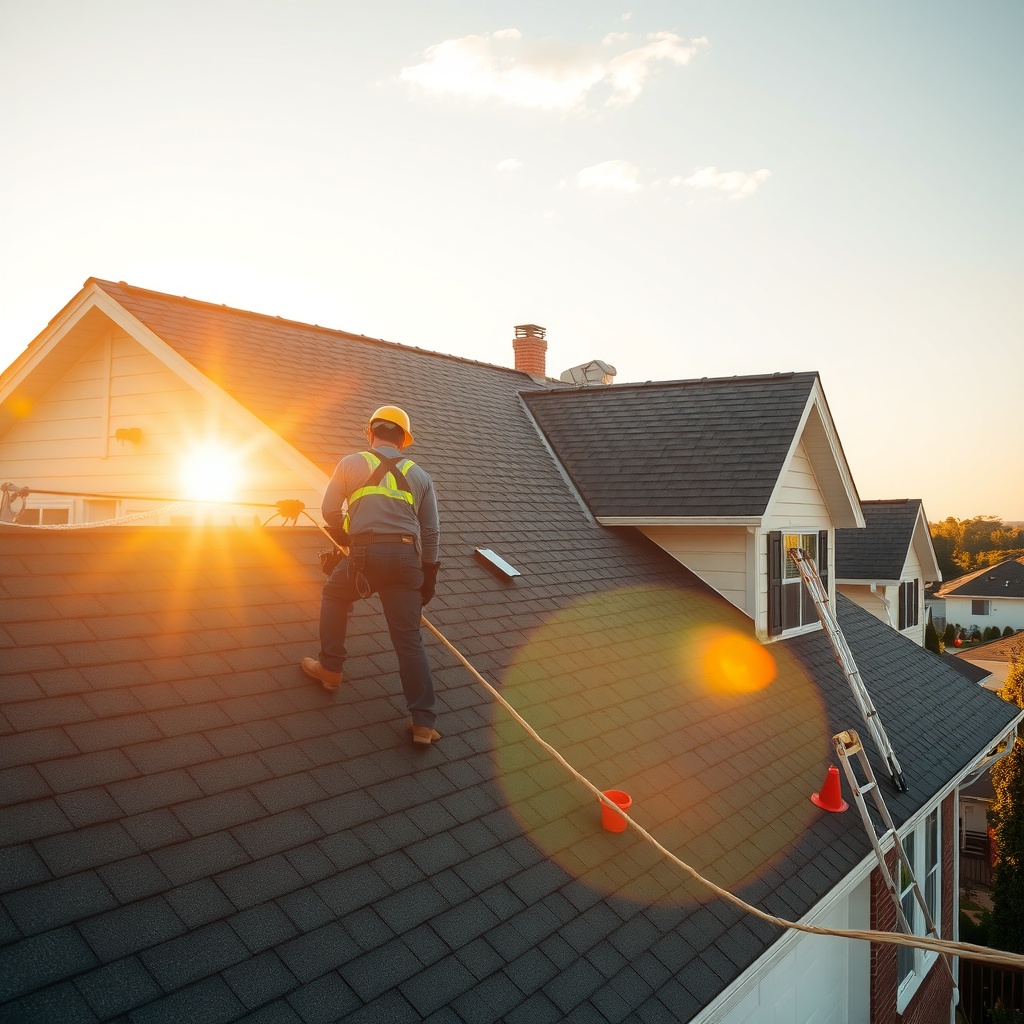
When you’re looking for qualified residential roof installers, evaluating their credentials and experience is essential.
Start by conducting a certification verification. Check if they hold relevant licenses and certifications that meet local regulations. This step guarantees they’ve undergone proper training and adhere to industry standards.
Next, focus on experience evaluation. Ask how long they’ve been in the roofing business and request examples of past projects.
A seasoned installer will have a portfolio showcasing their work, which can give you insight into their skills and reliability.
Don’t hesitate to inquire about any warranties they offer, as this can reflect their confidence in their craftsmanship.
Finding Reliable Reviews and References
How can you guarantee the roof installer you choose has a solid reputation? Start by looking for online reviews and customer testimonials. These insights can give you a clearer picture of their work quality and reliability. Check multiple platforms to get a balanced view, as some reviewers might have different experiences.
Here’s a quick comparison of where to find reviews:
| Source | Details |
| Company Website | Direct testimonials from past clients |
| Google Reviews | General public feedback and ratings |
| Social Media Platforms | Real-time comments and interactions |
| Home Improvement Sites | Detailed reviews and project examples |
Don’t just rely on one source; gather information from various places. This way, you can make an informed choice and feel confident in your decision.
Understanding Roof Installer Warranty Options
A solid warranty can make a significant difference when choosing a roof installer. Understanding warranty types is essential to guarantee you’re getting the protection you need. Most installers offer two main warranty types: material and workmanship. Material warranties typically cover defects in the roofing materials, while workmanship warranties cover installation errors.
When evaluating warranty coverage, pay attention to the duration and the specifics of what’s included. Some warranties may last for a limited time, while others can extend for decades. Additionally, check if the warranty is transferable, which can add value if you decide to sell your home.
Make certain to read the fine print and ask questions. Understanding these options will help you choose a qualified installer who stands behind their work.
With the right warranty, you can have peace of mind knowing your investment is protected for years to come.
Comparing Estimates for Your Roof
With a solid understanding of warranty options in hand, it’s time to compare estimates for your roof. Start by gathering multiple quotes from different installers. Each estimate should break down the cost factors involved, including labor, materials, and any additional services.
Pay close attention to the material choices outlined in each estimate. Different materials can greatly affect both the upfront costs and long-term durability.
When reviewing the estimates, make sure they all include similar services and warranties for accurate comparison. Don’t just go for the lowest price; consider the quality of materials and the installer’s reputation.
Ask questions about any discrepancies in the estimates, as this can reveal important details about the work involved. By carefully comparing these elements, you’ll find an estimator who offers the right balance of quality and cost, ensuring your roof is well-protected for years to come.
What Safety Practices Should Roof Installers Follow?
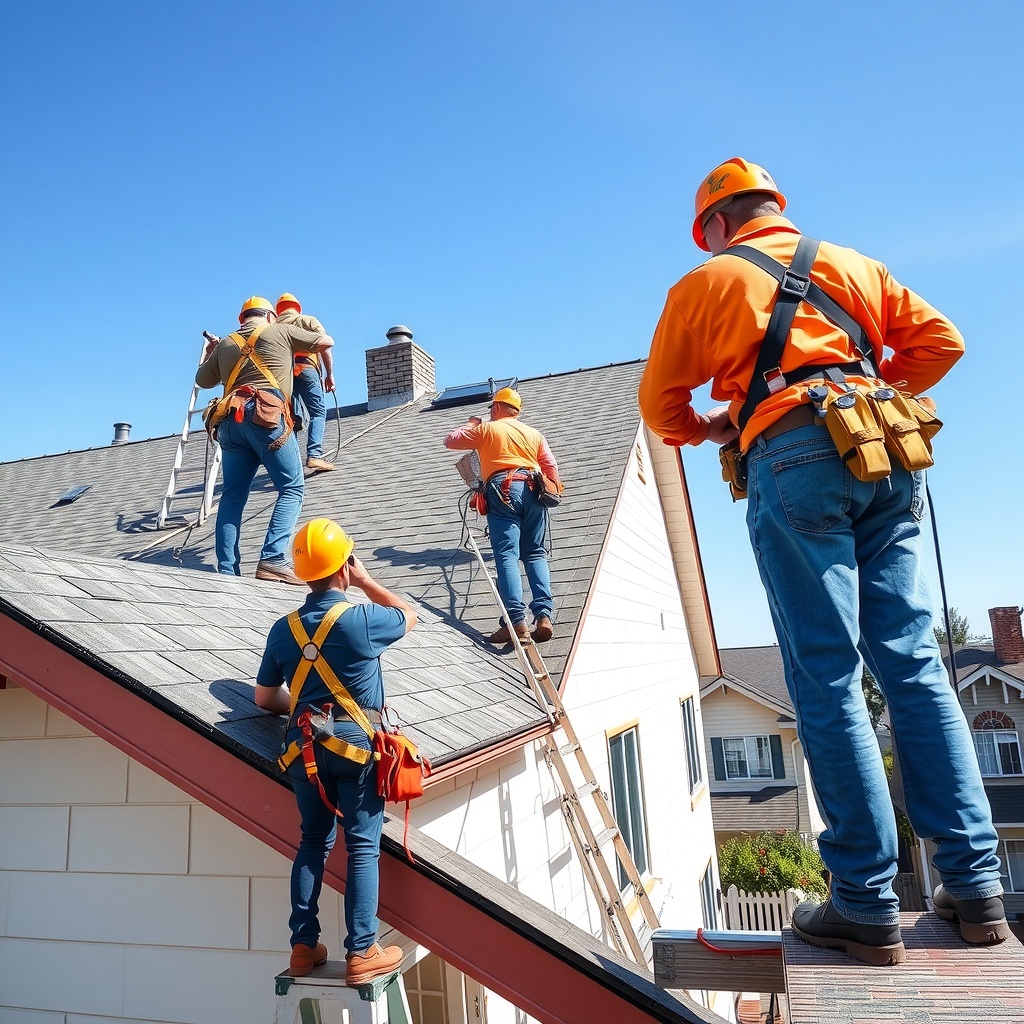
While roof installation can be a rewarding job, it also comes with significant risks, making safety practices vital. First, make certain you always use appropriate safety equipment, like hard hats, harnesses, and non-slip footwear.
Roof installation is rewarding but risky; prioritize safety with hard hats, harnesses, and non-slip footwear.
Implementing fall protection systems is essential; they can save lives.
Participate in training programs that cover safe roofing techniques and equipment usage. These programs help you stay updated on industry standards and best practices.
Conduct regular hazard assessments to identify potential dangers on the job site. This proactive approach allows you to address risks before they become serious issues.
Encourage open communication among your team about safety concerns. When everyone is on the same page, you create a safer work environment.
Frequently Asked Questions
What Types of Roofing Materials Do Installers Specialize In?
Installers specialize in various roofing materials, including asphalt shingles, metal, tile, and slate. Each type requires specific installation methods, so understanding these options helps you choose the best fit for your home’s needs.
How Long Does a Typical Roof Installation Take?
A typical roof installation usually takes one to three days, depending on project factors like size, complexity, and weather. Understanding installation timelines helps you plan better and sets realistic expectations for your home improvement project.
Are Roof Installers Insured for Damages During Installation?
Yes, most roof installers carry insurance coverage to protect against liability claims during installation. It’s essential you verify their insurance to guarantee you’re not held responsible for any damages that might occur.
What Is the Process if I’m Unsatisfied With the Installation?
If you’re unsatisfied with the installation, first review your warranty coverage. Then, contact the installer to discuss your concerns. If unresolved, consider dispute resolution options to reach a satisfactory agreement.
Do Roof Installers Offer Financing Options for Homeowners?
Yes, many roof installers offer financing options, providing significant homeowner benefits. This allows you to manage costs effectively, ensuring your roof installation fits your budget without compromising quality or delaying essential repairs.
Final Thoughts
Finding the right residential roof installer comes down to doing your homework and choosing a team that’s qualified, transparent, and accountable. When you verify licensing, review real customer feedback, compare detailed estimates, and understand warranty coverage, you’re not just buying a roof—you’re protecting your home and avoiding expensive surprises later. Safety standards and clear communication matter just as much as materials, because the quality of the installation is what determines long-term performance.
At Bloomfield Construction, we make the decision easier with straightforward guidance, proven craftsmanship, and responsive service from inspection through completion. Our roofing services are built around clear scope, reliable scheduling, and workmanship you can trust—and if your project involves storm damage, our insurance restoration team can help you document issues and navigate the claim process efficiently.
If you’re planning a roof replacement or want an expert opinion on the condition of your roof, reach out today to schedule an inspection: Contact Bloomfield Construction.