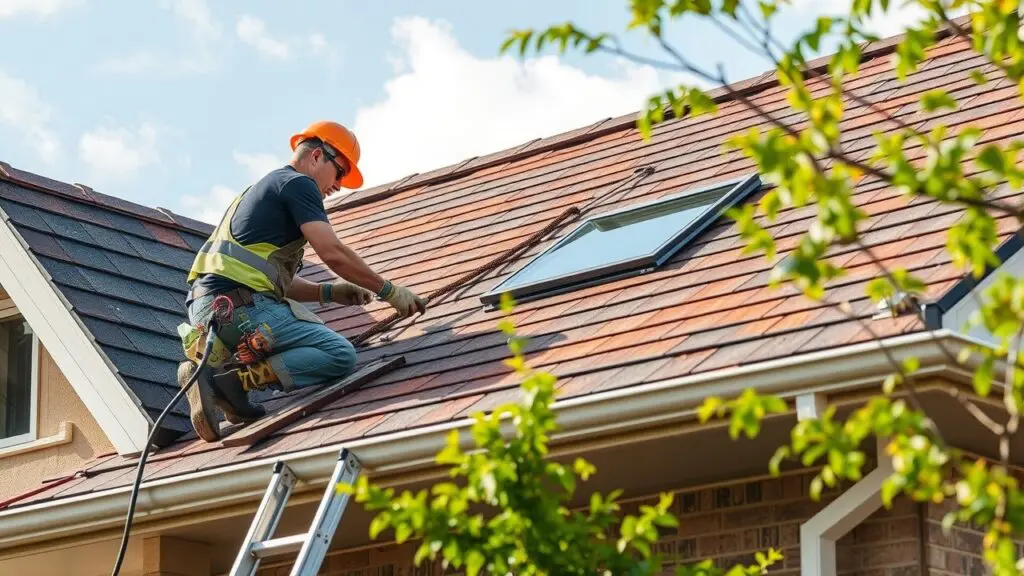
You’re about to initiate a roof installation project, so setting a realistic budget is essential. You’ll need to choose the right roofing material and consider removal costs. Getting multiple quotes from licensed contractors is also key. You’ll want to look for energy-efficient options to save long-term. As you plan your project, you’ll find that making informed decisions now will lead to a successful installation, and exploring further will reveal even more ways to stay on budget.
Key Takeaways
- Set a realistic budget for the project.
- Choose affordable roofing materials and designs.
- Consider energy-efficient options for long-term savings.
- Get multiple quotes from licensed contractors.
- Factor in removal and disposal costs upfront.
Set A Realistic Budget For Your Roof Installation
As you’re planning your roof installation, it’s vital that you set a realistic budget, because this will help you make informed decisions throughout the process.
You’re creating a roadmap for your project, and a budget helps you navigate it. Consider your budget constraints and prioritize your spending. Financial planning is essential, as it guarantees you don’t overspend.
A budget acts as a roadmap, guiding your project and helping navigate financial constraints.
You’ll need to balance your needs with your budget, making compromises where necessary. By setting a realistic budget, you’re avoiding potential financial pitfalls.
You’re also making sure that you can complete your roof installation without breaking the bank. Effective financial planning will help you manage your budget constraints, allowing you to achieve your roofing goals within your means.
This will give you peace of mind throughout the installation process.
Choose The Right Roofing Material For Your Budget
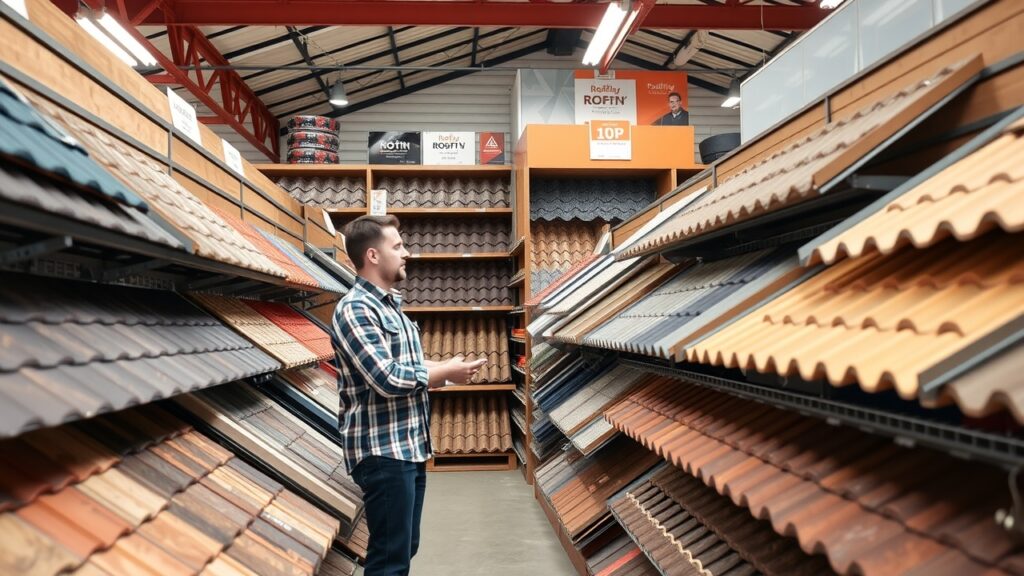
You’ve set a realistic budget for your roof installation, and now it’s time to decide on the roofing material that fits within it.
You’ll need to evaluate various roofing materials, such as asphalt shingles, metal, and clay tiles, and their costs. Each material has its pros and cons, and you should weigh these against your budget constraints.
Think about the durability, maintenance, and energy efficiency of each material. Don’t forget to factor in the cost of underlayment, flashing, and other necessary components.
By choosing the right roofing material for your budget, you can guarantee a successful and affordable roof installation. Reflect on your climate, lifestyle, and personal preferences when making your decision to get the best value for your money.
This will help you make an informed choice that meets your needs and stays within your budget.
Consider The Cost Of Roof Removal And Disposal
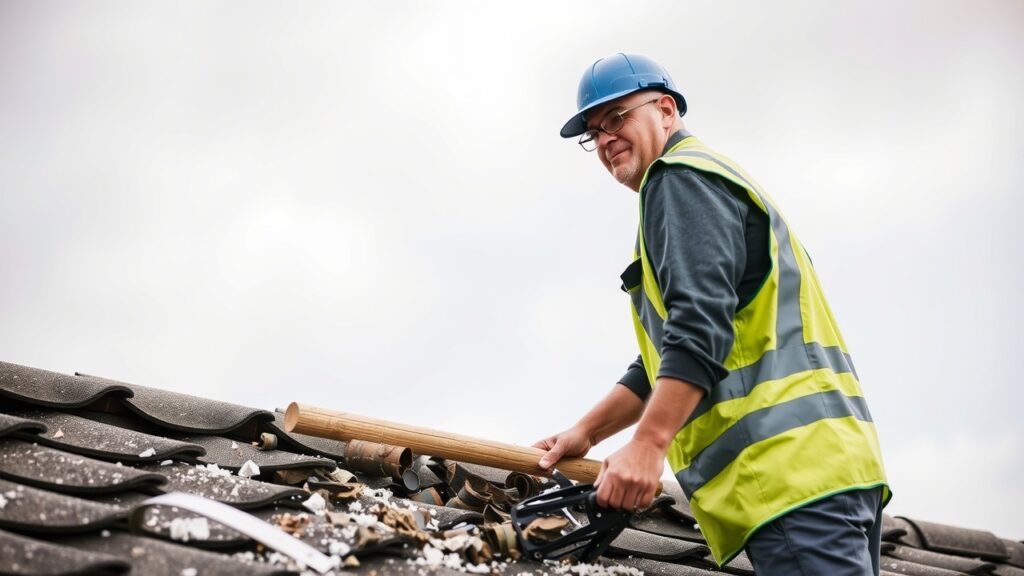
Most roof installations require removing the old roof, and this process can add significant costs to your overall budget.
You’ll need to take into account the cost of roof removal, which includes labor and disposal fees. Disposal fees can vary depending on your location and the type of materials being removed.
You’re responsible for guaranteeing the old roof is disposed of properly, so factor in these costs when planning your budget.
By understanding the total cost of roof removal and disposal, you can make informed decisions and avoid unexpected expenses.
Think about getting a detailed estimate that includes these costs to help you plan and stay within your budget. This will help you allocate your resources effectively and guarantee a successful roof installation project.
Get Multiple Quotes From Licensed Contractors
You’ll want to get quotes from several licensed contractors to compare rates and find the best deal.
When you’re checking rates, make sure you’re comparing the same services and materials, so you can get an accurate comparison.
Get Quotes
How thoroughly will you research and compare roofing contractors before hiring one?
You’re looking for the best value, considering factors like roofing styles and material durability. When getting quotes, you’ll want to verify each contractor is licensed and experienced.
You’ll compare prices, services, and warranties. Ask about the materials they’ll use and their durability. This helps you make an informed decision, choosing the contractor that best fits your budget and needs.
You’ll evaluate their quotes, considering the overall cost and what’s included, to find the best option for your budget-friendly roof installation.
Check Rates
Several licensed contractors can provide quotes for your roof installation, and it’s crucial to get at least three to five quotes to compare rates.
You’ll want to review each quote carefully, considering factors like installation warranties and the contractor’s experience with current roofing trends.
Check if the quotes include materials, labor, and any additional services. Confirm you’re comparing similar services and materials to make an informed decision.
Compare Prices
Five licensed contractors can provide quotes for your roof installation, and it’s crucial to get multiple quotes to compare prices effectively.
You’ll notice price fluctuations due to varying labor costs and materials. Researching market trends helps you understand these differences.
By comparing quotes, you can identify the best option for your budget. Consider the materials, warranty, and services offered.
Don’t just focus on the lowest price, as it may not be the best value. Analyze each quote carefully to make an informed decision, ensuring you get a quality roof installation at a fair price.
This helps you save money.
Look For Energy-Efficient Roofing Options To Save Long-Term
Because you’re looking to save money in the long run, you’ll want to prioritize energy-efficient roofing options when installing a new roof. This can lead to significant energy savings and increased roofing longevity.
Consider the following options:
- Cool roofs that reflect sunlight
- Solar roof tiles that generate electricity
- Green roofs with plants for insulation
- Metal roofs with a reflective coating.
By choosing one of these options, you can reduce your energy consumption and lower your utility bills. This will help you save money over time, making your roof installation a cost-effective investment.
Reduce energy consumption and lower utility bills with a cost-effective roof installation investment.
You’ll also extend the life of your roof, reducing the need for frequent repairs and replacements.
Diy Vs Professional Installation: Weighing The Costs And Risks
When you’re planning a roof installation, you’ll need to decide whether to DIY or hire a professional, which can greatly impact your budget.
You should consider DIY challenges, such as lack of experience and potential safety risks. If you’re not skilled, you may end up with a poorly installed roof, leading to costly repairs.
On the other hand, hiring a professional offers several benefits, including expertise and warranty coverage. Professional benefits also include saving time and avoiding DIY headaches. They’ll handle the installation efficiently and effectively, ensuring a durable roof.
Weighing the costs and risks, you’ll likely find that hiring a professional is the better choice, despite the higher upfront cost. This decision will give you peace of mind and a well-installed roof that will last for years to come, protecting your home and investment.
How To Negotiate The Best Price With Your Roofing Contractor?
How can you get the best price for your roof installation without compromising on quality? You’re looking for ways to negotiate with your contractor. Effective contractor communication is key to successful price negotiation.
- Research the market to determine a fair price range.
- Get multiple quotes from different contractors.
- Ask about discounts or promotions.
- Be open to negotiating the payment terms.
You can use this information to make an informed decision and negotiate the best price.
Frequently Asked Questions
How Long Does Roof Installation Take?
You’re determining roof installation takes several days to weeks, depending on your project’s factors, which affect the overall installation timeline, considering size, materials, and labor, all influencing the duration you’ll wait.
Can I Reuse Old Roofing Materials?
You can’t reuse old roofing materials, but reusing shingles offers cost savings, so you’re checking if it’s possible to reduce waste and save money by reusing some of your old materials somehow.
Do Roofers Work in Winter?
You’ll find that roofers do work in winter, but you’ll face seasonal challenges, and winter roofing requires extra preparation to guarantee safety and quality, so plan accordingly, you won’t be delayed.
Are Roof Warranties Transferable?
You check if your roof warranty is transferable, as many transferable warranties exist, allowing you to transfer the warranty to a new homeowner if you decide to sell your property later.
Can I Finance Roof Installation?
You can finance roof installation through various roof financing options, exploring affordable roofing solutions that fit your budget, allowing you to cover costs with manageable payments and flexible terms that suit you.
Final Thoughts
A budget-friendly roof installation starts with smart planning: set a clear budget, choose materials that match your needs, account for removal and disposal costs, and compare multiple quotes so you’re confident you’re getting real value. If you’re weighing DIY versus hiring a pro, take a moment to review practical guidance like these DIY roof maintenance techniques and the local roofing maintenance tips for Bloomfield Hills homes—then decide what makes the most sense for your timeline, safety, and long-term results.
If you want expert help staying on budget without cutting corners, Bloomfield Construction & Restoration can walk you through material options, accurate estimates, and a plan built around your home. Learn more about our team on the About page, explore our Roofing services (and related exterior upgrades like Siding), or view real results in our Portfolio. Ready to get started? Reach out here to request an estimate or ask questions through our contact form, and we’ll help you move forward with a roof installation plan that fits your budget.
and negotiating the best price, you’ll save money. You’ll also look for energy-efficient options to reduce long-term costs, ensuring you get the best value for your money.