
You’ll need to assess storm damage to your roof immediately, identifying missing or damaged shingles and dented vents. Take high-quality photos and videos for insurance, and check for hidden damage and leaks. You’ll want to document and prioritize repairs, so you can file a successful claim. By following these steps, you’ll be able to address issues quickly, and as you move forward, you’ll discover more ways to protect your home.
Key Takeaways
- Assess storm damage immediately after the storm.
- Identify types of roof damage, including missing shingles.
- Take high-quality photos and videos of damage.
- Check for hidden roof damage and leaks carefully.
- Document and prioritize necessary roof repairs accurately.
Assess Storm Damage To Your Roof Immediately
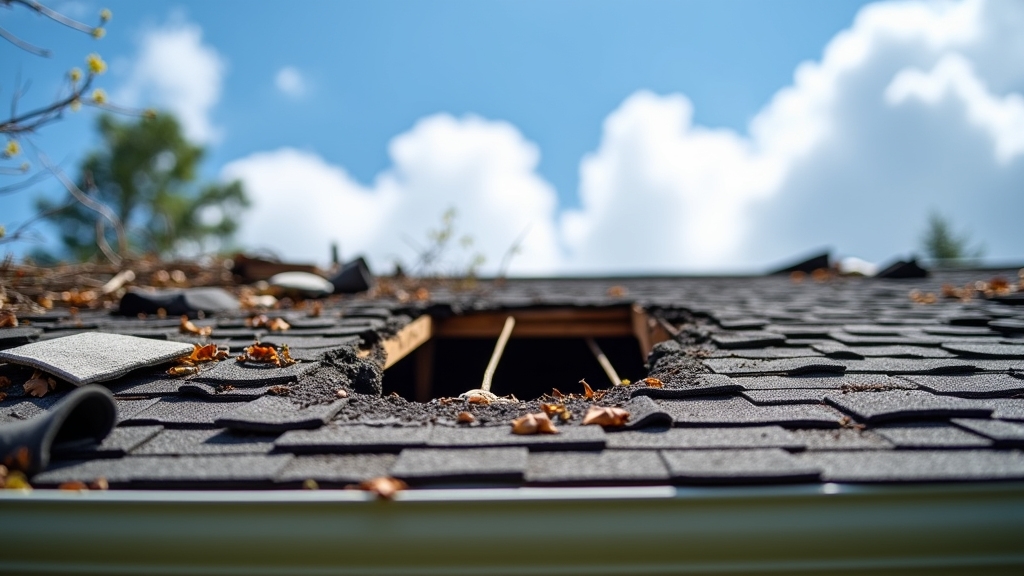
As soon as the storm passes, you’ll want to assess the damage to your roof immediately, since delaying this process can lead to further issues.
You’re looking for signs of storm impact, such as missing or damaged shingles, dented vents, or bent flashing. Check for water stains or leaks, as these can indicate more serious problems.
Inspect for missing or damaged shingles, dented vents, and bent flashing after a storm.
It’s essential to prioritize roof maintenance after a storm to prevent minor issues from becoming major ones. You should inspect your roof’s condition, checking for any damage that could lead to costly repairs down the line.
By doing so, you’ll be able to address any problems promptly, ensuring your roof remains secure and functional. Regular roof maintenance will help you stay on top of potential issues, saving you time and money in the long run.
This helps prevent further storm impact.
Identify Types Of Roof Damage To Look For

When you’re inspecting your roof after a storm, you’ll need to know what types of damage to look for, since recognizing them promptly can save you from costly repairs down the line.
You’ll want to check for signs of damage that can lead to water pooling, which can cause further issues. Look for:
- Shingle displacement or missing shingles
- Cracked or broken tiles
- Damaged flashing around vents or chimneys
- Loose or damaged gutters.
Identifying these issues quickly will help you address them before they become major problems.
Check your roof carefully, paying attention to areas where water pooling is most likely to occur, and take note of any damage you find. This will help you take care of your roof and prevent further damage.
Take High-Quality Photos And Videos For Insurance
You’ll need several high-quality photos and videos of your roof’s damage to support your insurance claim. Take clear, well-lit photos of all damaged areas, including close-ups and wide shots.
Organize your photos in a logical order, such as by location or type of damage, to make it easy to reference them later. When recording videos, use smooth video techniques like panning and zooming to capture detailed footage.
Confirm your camera is stable and leveled to prevent shaky footage. Use photo organization methods like labeling and dating your files to keep track of your evidence.
This will help you and your insurance adjuster quickly identify and assess the damage, making the claims process more efficient.
Check For Hidden Roof Damage And Leaks
Because storm damage isn’t always visible, it’s crucial to inspect your roof thoroughly for hidden damage and leaks.
Thorough roof inspection is crucial to uncover hidden storm damage and potential leaks.
You’ll want to check areas that aren’t easily seen, as these can compromise your roof’s integrity. Look for signs of hidden leaks, such as water stains or warped wood.
To guarantee a thorough inspection, consider the following:
- Check roof vents and chimneys
- Inspect flashing around skylights
- Examine roof valleys and seams
- Look for missing or loose shingles.
Document And Prioritize Repairs For Insurance Claims
Now that you’ve inspected your roof for hidden damage and leaks, it’s time to document your findings. You’ll need to take photos and notes on the damage, including any missing or damaged shingles, curled or buckled shingles, and signs of wear around vents and chimneys.
When documenting, focus on the most critical areas that require immediate attention. You’ll use this information for insurance documentation, so be thorough.
For repair prioritization, identify the most urgent repairs that need to be done to prevent further damage. Make a list of the necessary repairs, ranking them by importance and cost. This will help you when filing your insurance claim and ensuring you get the necessary funds for repairs.
Accurate insurance documentation is key to a successful claim, so take your time and be detailed.
Frequently Asked Questions
Can I Inspect My Roof Myself?
You can inspect your roof yourself, but you’re taking safety precautions, using an inspection checklist to guide you, and you’re checking for damage, wear, and tear carefully.
Who Pays for Roof Inspections?
You typically pay for roof inspections, but you’ll likely be reimbursed if you have insurance coverage that includes inspection costs, so check your policy to understand what’s covered.
Are Roof Inspections Free?
You’ll find roof inspections aren’t always free, as costs vary, but you’re checking if insurance coverage helps with roof inspection costs, so review your policy to understand what’s covered and what you’re paying.
Do I Need Permits?
You’ll need to check local roofing regulations, as permit requirements vary, but generally, you’ll require permits for significant repairs, and it’s best you verify with authorities to guarantee compliance with codes.
Can I Delay Repairs?
You can’t delay repairs, as it may lead to long term consequences, emphasizing the repair urgency, you’re risking further damage, so act quickly to prevent it.
Final Thoughts
A thorough post-storm roof inspection helps you spot damage early, prevent small issues from turning into costly repairs, and strengthen your insurance claim with clear documentation. If you’re unsure what to look for or want a second opinion, reviewing guidance on spotting critical roof repair signs in Bloomfield Hills and what to expect from emergency roof leak repair can help you plan your next steps with confidence.
When you’re ready for professional support, Bloomfield Construction & Restoration can assess storm-related damage, recommend the right repairs, and guide you through the restoration process. Explore our Insurance Restoration services and learn more about our Roofing services to see how we help homeowners recover quickly and safely. For urgent leaks, you can also review our resources on 24/7 emergency roofing contractors and emergency roof leak solutions. To schedule an inspection or request an estimate, contact us directly through our contact form.