
After a hailstorm, you should check for dents, bruises, and missing granules on asphalt shingles, and look for visible damage on metal roofs. Inspect your flashing and sealant for cracks or gaps that could cause leaks. Don’t forget to examine gutters for dents and debris. Be vigilant about interior signs of damage, like water spots on ceilings. Addressing these issues quickly is essential; discover more about ensuring your roof stays protected.
Key Takeaways
- Inspect shingles for dents, bruises, and granule loss, focusing on areas around vents and chimneys for additional signs of damage.
- Check flashing and sealant for cracks or gaps that could compromise waterproofing, ensuring all components are securely attached.
- Assess gutters and downspouts for dents, cracks, or rust, and analyze denting patterns to determine hail impact severity.
- Examine roof vents and chimneys for structural integrity, ensuring all components are intact and properly sealed against water intrusion.
- Look for interior signs of damage, such as water spots or discoloration on ceilings and walls, indicating potential leaks.
Why Immediate Roof Inspections Matter After Hailstorms

After a hailstorm, you might think it’s safe to wait before checking your roof, but immediate inspections are essential. The hailstorm impacts can be subtle at first glance, but damage may worsen over time.
Immediate roof inspections after a hailstorm are crucial, as subtle damage can worsen if left unchecked.
If you delay, small issues can escalate into costly repairs, jeopardizing your home’s integrity.
Moreover, many insurance policies require prompt reporting of damage for coverage. By inspecting your roof right after the storm, you guarantee you document any issues while they’re fresh.
This proactive approach strengthens your claim and helps you avoid disputes with your insurer later.
Understanding Hail Damage: What to Look For
How can you tell if your roof has suffered hail damage? Start by looking for signs of hail impact, which can often be subtle. Check for dents, bruises, or missing granules on your shingles. These indicators can help in your damage assessment. It’s also wise to inspect areas around vents, chimneys, and gutters for additional signs of trouble.
Here’s a quick reference table to guide you:
| Damage Type | Description | Action Needed |
| Dents | Visible indentations on shingles | Schedule a pro check |
| Granule Loss | Missing granules from shingles | Monitor for leaks |
| Cracks | Visible cracks in shingles | Repair immediately |
| Flashing Damage | Damage around roof edges | Replace if damaged |
Identifying Hail Damage on Asphalt Shingles
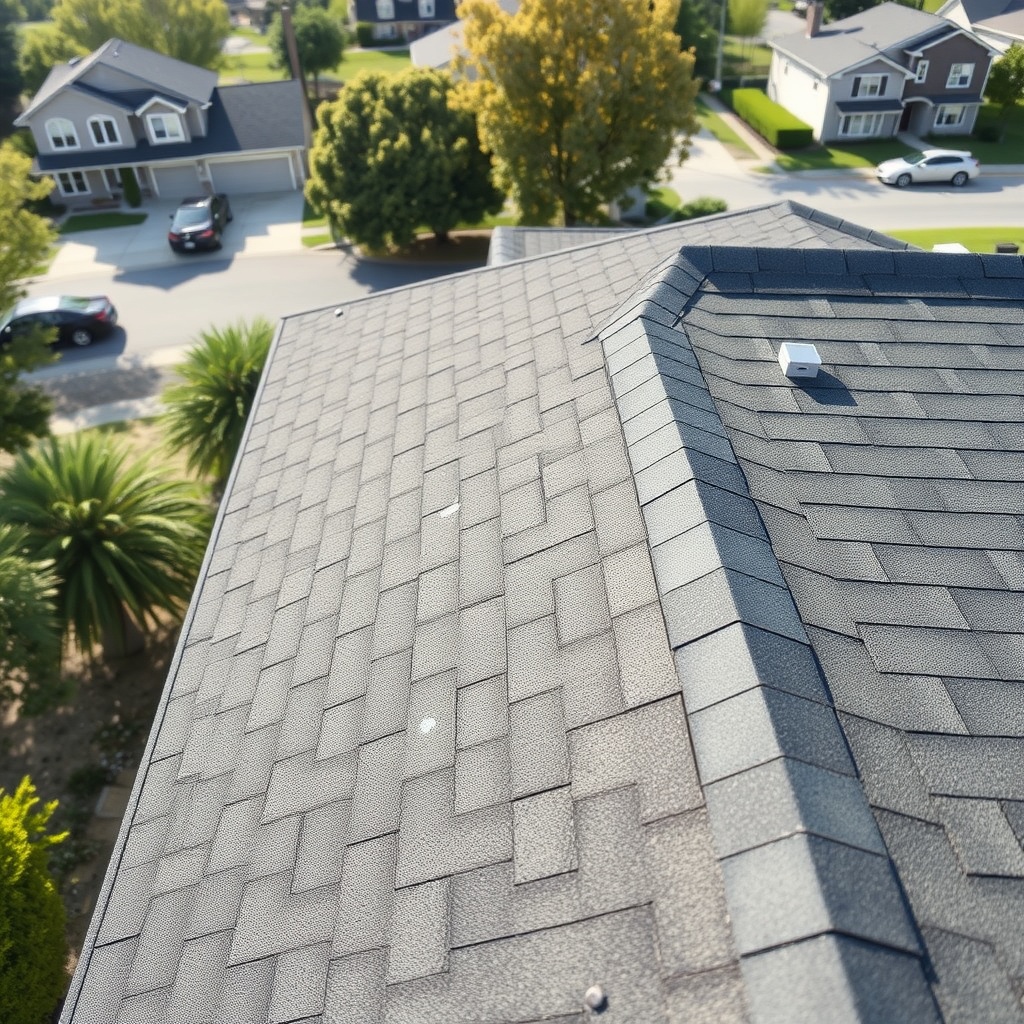
Identifying hail damage on asphalt shingles requires a keen eye for specific signs. Start by examining the shingles for impact marks—these are typically circular dents that indicate where hail has struck.
If you notice any, check for shingle granule loss around these marks; granules protect your shingles from UV rays and weather elements. When granules are missing, the underlying material can become exposed, leading to further damage.
Look for shiny spots on the shingles, which signify the loss of protective granules. Additionally, inspect for cracks or splits that may have formed due to the impact.
Don’t forget to check the gutters for granules that have washed away during rain, as this can be another indicator of damage.
If you spot significant issues, it’s wise to consult a roofing professional to assess the extent of the damage and recommend repairs.
Checking for Dents on Metal Roofs
While inspecting a metal roof for hail damage, look closely for dents that can compromise its integrity. Dents not only affect the aesthetic appeal but can also impact the roof’s performance.
Assess the denting severity by examining the size and depth of each dent; deeper dents may indicate more significant damage.
Metal roofs are known for their resilience, but excessive denting can weaken their structure. Check for any areas where the metal might be buckling or warping, as these issues can lead to leaks and further deterioration.
If you notice multiple dents or severe damage, it might be time to consult a professional.
Is Your Roof Membrane in Good Shape?
Is your roof membrane showing signs of wear? After a hailstorm, it’s vital to assess the membrane integrity of your roofing materials. A compromised membrane can lead to leaks and costly repairs.
Look for these indicators:
- Visible cracks or tears: Inspect for any breaks that could allow water infiltration.
- Bubbles or blisters: These can form under the membrane, indicating trapped moisture.
- Discoloration or fading: A change in color could signal deterioration from UV exposure.
Addressing these issues promptly can save you headaches down the line.
Promptly addressing roofing issues can prevent future headaches and costly repairs.
Make sure you’re using quality roofing materials, as they’ll better withstand harsh weather. If you notice any of these warning signs, it’s time to consult a professional.
Keeping your roof membrane in good shape is essential for protecting your home and maintaining its value.
How to Check Flashing and Sealant Integrity
When inspecting your roof after hail, start by visually checking the flashing and sealant for any signs of damage.
Look for common indicators like cracks, gaps, or peeling that could lead to leaks.
Addressing these issues early can save you from costly repairs down the line.
Visual Inspection Techniques
To guarantee your roof remains watertight after a hailstorm, you need to carefully inspect the flashing and sealant.
Use visual inspection techniques to spot potential problems before they escalate. Consider employing drone technology for a bird’s-eye view, allowing you to check hard-to-reach areas safely.
Here are three key aspects to examine:
- Flashing Condition: Look for cracks or rust, which can compromise waterproofing.
- Sealant Integrity: Verify sealant isn’t peeling or missing; it should be uniformly applied.
- Thermal Imaging: Use this tech to identify hidden leaks by detecting temperature variations.
Common Damage Indicators
While inspecting your roof after a hailstorm, knowing how to identify common damage indicators is essential for maintaining its integrity.
Start by checking the flashing around chimneys, vents, and valleys. Look for dents, cracks, or loose sections that may have suffered hail impact. Any gaps in the sealant can lead to leaks, compromising your roof’s resilience.
Next, inspect the sealant itself; it should be intact and properly adhered. If you notice peeling or missing areas, it’s time for a replacement.
Also, keep an eye out for rust or corrosion on metal flashing. Addressing these issues promptly can prevent further damage and extend the life of your roof, ensuring it remains strong against future storms.
Identifying Hail Damage to Gutters and Downspouts
After a hailstorm, you should inspect your gutters and downspouts for any visible dents and dings.
Look closely for cracks, splits, and signs of rust or corrosion that could lead to bigger problems.
Catching these issues early can save you from costly repairs down the line.
Visible Dents and Dings
If you notice visible dents and dings on your gutters and downspouts after a hailstorm, it’s important to assess the extent of the damage.
Look for specific denting patterns that can indicate the severity of the impact. Pay attention to different hail sizes that may have caused these markings.
- Small, round dents can suggest lighter hail sizes, which mightn’t require immediate action.
- Larger, irregular dings may indicate more significant damage, potentially leading to leaks.
- Clustered dents can hint at repeated impacts from hail, signaling the need for a thorough inspection.
Cracks and Splits
As you inspect your gutters and downspouts, keep an eye out for cracks and splits that hail may have caused. These damages can lead to leaks and structural issues if not addressed promptly. Look for any irregularities along seams or joints, as these are common trouble spots.
| Damage Type | Action Needed |
| Cracks | Schedule crack repair |
| Splits | Implement split prevention |
If you spot any cracks, consider sealing them with a quality waterproof sealant. For splits, reinforcing the joints with brackets can help prevent further damage. Addressing these issues early guarantees your gutters and downspouts continue to function effectively, protecting your home from water damage.
Rust and Corrosion
While inspecting your gutters and downspouts, you should be on the lookout for signs of rust and corrosion, which can indicate hail damage. If you notice these issues, it’s essential to act quickly to prevent further deterioration.
Look for:
- Rust spots that may appear as orange or brown patches.
- Corroded areas that feel rough or flaky to the touch.
- Leaking seams where water may escape due to compromised integrity.
Addressing rust and corrosion isn’t just about repairs; it’s about rust prevention and corrosion treatment to extend the life of your gutters.
Regular maintenance and prompt attention to these signs can save you from costly repairs down the line. Don’t wait until it’s too late!
Inspecting Roof Vents and Chimneys for Damage
After a hailstorm, it’s essential to check your roof vents and chimneys for damage, as these components can be vulnerable to severe weather.
Start with a thorough vent damage assessment. Look for dents, cracks, or loose components that could allow water to seep in. Confirm the vents are still securely attached and functioning properly, as any obstruction can impact ventilation.
Next, perform a chimney integrity check. Inspect for cracks or missing mortar, which can lead to leaks or structural issues. Pay attention to the chimney cap; if it’s damaged, it could let water in and cause further problems.
Don’t overlook the flashing around the chimney; it should be intact and sealed tightly.
Regularly checking these areas after a hailstorm can save you from costly repairs down the line, confirming your roof remains safe and effective.
The Importance of Roof Deck Inspections
Although you might focus on visible damage from hail, inspecting the roof deck is equally essential for ensuring your home’s integrity. A compromised roof deck can lead to serious issues, affecting both deck stability and your home’s overall safety.
Here’s what to look for during your inspection:
- Sagging or warping: This indicates potential structural issues that could worsen over time.
- Signs of moisture retention: Look for discoloration or mold, which can signal trapped water that may weaken the deck.
- Loose or damaged materials: Check for any gaps or missing pieces that could allow further water intrusion.
Addressing these concerns promptly can save you from costly repairs down the line.
Spotting Interior Signs of Roof Damage
As you inspect your home after a hailstorm, don’t forget to check for interior signs of roof damage. Look for interior leaks in your ceilings and walls; these are often the first indicators of a compromised roof.
Check for water spots and ceiling stains, which can signal moisture damage that may worsen over time. During your attic inspections, pay attention to insulation issues—wet or moldy insulation can lead to bigger problems.
Also, keep an eye out for wall discoloration; this could indicate water intrusion. If you spot any mold growth, it’s vital to address it quickly, as it can pose health risks.
Early detection of these signs can save you from costly repairs down the line. Remember, a thorough inspection of the interior is just as important as checking the exterior after a hailstorm.
Documenting Hail Damage for Insurance Claims
When you assess hail damage, collecting visual evidence is essential for your insurance claim.
Take clear photos of any dents, cracks, or missing shingles to support your case.
A detailed damage assessment will help guarantee you receive the coverage you deserve.
Collecting Visual Evidence
After a hailstorm, documenting the damage is crucial for securing your insurance claim. Collecting visual evidence helps paint a clear picture for your insurer.
Start with damage photography to capture the extent of the hail impact. Here’s what you should focus on:
- Close-ups of roof shingles: Show dents, cracks, and missing pieces.
- Wide-angle shots of the roof: Provide context and illustrate overall damage.
- Ground-level images of debris: Highlight any fallen materials or shattered items.
Make sure your visual documentation is clear and well-lit, ensuring every detail is visible.
This evidence can greatly strengthen your claim, making it essential to be thorough and organized during your inspection.
Detailed Damage Assessment
A detailed damage assessment is essential for accurately documenting hail damage and maximizing your insurance claim.
Start by inspecting your roof for hail impact marks, which often appear as dents or bruises on shingles. Look for distinct damage patterns; they can help pinpoint the severity of the impact and guide your claim.
Don’t forget to check gutters, downspouts, and flashing, as these areas can also reveal hidden damage.
Take clear photos from various angles, and make notes of your findings, including the location and extent of the damage.
This thorough documentation not only strengthens your case but also speeds up the claims process.
When to Call a Professional Roofer?
Identifying the right moment to call a professional roofer can save you time and money. After a hailstorm, you might notice damage, and knowing when to reach out for help is essential.
Here are some signs that indicate you should call a professional:
- Visible leaks or water stains inside your home, signaling potential roofing emergencies.
- Missing shingles or significant granule loss on the ground, which can lead to further damage.
- Dents or damage to roof vents and chimneys, impacting your roof’s overall integrity.
Ignoring these issues can lead to costly repairs down the line.
If you’re unsure or spot any warning signs after the storm’s aftermath, don’t hesitate. A professional roofer can assess the damage accurately and guarantee your roof is safe and sound.
Trusting an expert is often the best way to protect your investment and your home.
DIY Inspection vs. Professional Assessment: Weighing Your Options
When considering a roof inspection after hail damage, you need to weigh the pros and cons of DIY versus hiring a professional.
Think about the costs, safety risks, and the expertise required to accurately assess the damage.
Making the right choice can save you time, money, and potential headaches down the line.
Cost Considerations For Inspections
While you might contemplate a DIY roof inspection to save money, weighing the potential risks and benefits is essential. Remember, inspection costs can add up, and an improper evaluation could lead to more significant repair budgets down the line.
Here are some factors to contemplate:
- Tools and Equipment: You’ll need ladders, safety gear, and possibly specialized tools.
- Time Investment: A thorough inspection takes time you mightn’t have.
- Experience: Identifying hidden damage requires expertise that you may not possess.
Choosing a professional might seem like a higher upfront cost, but it often leads to better long-term savings by preventing costly mistakes.
Ultimately, reflect on what’s best for your situation and your roof’s longevity.
Safety Risks Involved
Safety should be your top priority in any roof inspection, whether you’re considering a DIY approach or hiring a professional.
If you choose to inspect your roof yourself, be wary of falling debris and slippery surfaces. Always wear personal protective equipment to minimize injuries. Unstable ladders can pose serious risks, especially in poor weather conditions.
Timing your inspection is vital; avoid going out during storms or high winds. If you spot electrical hazards, it’s best to call in a professional. They’ll have the training and tools to handle such dangers safely.
Familiarize yourself with emergency protocols beforehand, so you know what to do in case of an accident. Prioritize safety to protect yourself and guarantee a successful inspection.
Expertise And Knowledge Required
Determining whether to conduct a DIY roof inspection or hire a professional hinges on your expertise and knowledge of roofing systems.
If you’re considering a DIY approach, think about the following:
- Roofing Certifications: Do you have the necessary credentials to assess potential damage accurately?
- Inspection Techniques: Are you familiar with industry standards and protocols for effective damage assessment?
- Safety Training: Can you guarantee your safety while traversing your roof, especially after severe weather impacts?
While you might save money inspecting yourself, professionals have the training and insurance knowledge to identify issues you might miss.
Weighing these factors will help you decide whether a DIY inspection or a professional assessment is the best choice for your situation.
Seasonal Maintenance After Hail Damage
Evaluating your roof after a hailstorm is essential for preventing further damage. Seasonal maintenance is key to keeping your roof in top shape and guaranteeing hail preparedness for the next storm. Regular inspections help you spot issues early, reducing repair costs.
Here’s a quick guide to seasonal maintenance tasks:
| Season | Maintenance Task | Importance |
| Spring | Inspect for leaks | Early detection saves money |
| Summer | Clean gutters | Prevents water damage |
| Fall | Check for debris | Reduces risk of blockages |
| Winter | Look for ice dams | Protects roof structure |
| Year-Round | Monitor wear and tear | Guarantees longevity of roof materials |
Preventive Measures After Hail Damage
After a hailstorm, taking preventive measures can save you from costly repairs down the line. Start by addressing any visible damage immediately.
Regular preventive maintenance is crucial to prolong your roof’s lifespan. Here are three essential steps to take into account:
Regular preventive maintenance is key to extending your roof’s longevity and ensuring its overall health.
- Inspect shingles: Look for cracks, dents, or missing shingles that hail may have caused.
- Clear debris: Remove branches, leaves, and other debris that can trap moisture and lead to mold.
- Check gutters: Verify gutters are free of blockages to prevent water pooling, which can compromise your roof’s integrity.
Importance of Regular Roof Inspections
While you might think your roof is fine after a hailstorm, regular inspections are essential for identifying hidden damage that could lead to bigger issues. Over time, small problems can escalate, jeopardizing your roof’s longevity. By scheduling routine inspections, you catch potential issues early, saving you from costly repairs down the line.
The inspection frequency you choose can greatly impact your roof’s health. Aim for at least twice a year, ideally in spring and fall, and after severe weather events. This proactive approach allows you to monitor wear and tear, ensuring your roof remains in prime condition.
Regular inspections don’t just extend your roof’s lifespan; they also provide peace of mind. Knowing that you’ve taken the necessary steps to protect your home means you can focus on other aspects of your life, confident that your roof is secure.
Prioritizing inspections is the smart choice for maintaining a sturdy, reliable roof.
Conclusion: Ensuring Long-Term Roof Protection
To guarantee long-term roof protection, it’s crucial to stay proactive about maintenance and inspections. Regular check-ups not only help identify issues early but also extend the lifespan of your roof.
By incorporating long-term planning into your roof maintenance strategy, you can save money and avoid significant repairs down the line.
Here’s what to focus on during your inspections:
- Check for visible damage: Look for cracks, missing shingles, or dented flashing.
- Inspect gutters and downspouts: Verify they’re clear of debris to prevent water buildup.
- Evaluate the roof’s drainage: Confirm that water flows efficiently away from your roof.
Frequently Asked Questions
How Long Should I Wait Before Inspecting My Roof After a Hailstorm?
Wait at least 24 to 48 hours after the hail storm before inspecting your roof. This timing guarantees roof inspection safety, allowing any lingering debris to settle and preventing potential injuries during your assessment.
Can Hail Damage Be Hidden Under Roof Shingles?
Yes, hail damage can be hidden under shingles, compromising shingle integrity. You should inspect closely for cracks or dents that might not be visible at first glance, as these issues can lead to bigger problems later.
What Tools Do I Need for a Roof Inspection?
For a thorough roof inspection, you’ll need essential equipment like binoculars for distant viewing, a moisture meter to check for leaks, a flashlight for dark areas, and a tape measure to assess damage accurately.
Are There Specific Times of Year to Inspect for Hail Damage?
You should inspect for hail damage after major storms, typically in spring or early summer. Regular seasonal maintenance enhances your roof’s longevity, ensuring you catch issues early and prevent costly repairs down the line.
How Can I Tell if My Roof Warranty Covers Hail Damage?
To determine if your roof warranty covers hail damage, review the warranty details carefully. Look for specific clauses about weather-related damage and consult a professional for a thorough damage assessment to clarify your coverage.
Final Thoughts
A post-hail roof inspection is one of the most important steps you can take to prevent small damage from turning into leaks, interior moisture problems, and bigger repair costs. By checking shingles, flashing, vents, gutters, and interior ceilings for early warning signs—and documenting everything clearly—you put yourself in the best position to protect your home and support an insurance claim if repairs are needed. If you’re unsure about what you’re seeing, a professional assessment can confirm the full scope and help you act before problems spread.
AtBloomfield Construction, we help homeowners move quickly after hailstorms with expert inspections and straightforward guidance on next steps. Our team can evaluate damage, recommend the right repairs through our roofing services, and support the documentation and claim process through our insurance restoration team so you’re not navigating it alone.
If you suspect hail damage or want a professional roof inspection, schedule an assessment today: Contact Bloomfield Construction.