Storms can strike unexpectedly, leaving behind a trail of damage that can be both overwhelming and costly. For small business owners, developers, and homeowners alike, understanding your roof damage insurance coverage is crucial when severe weather hits. Navigating the claims process, knowing what your policy includes, and ensuring your property is protected are all essential steps to safeguarding your investment. In this comprehensive guide, we’ll break down the essentials of roof damage insurance coverage, demystify the claims process, and offer practical advice for maximizing your benefits. Whether you’re new to property ownership or a seasoned pro, you’ll discover actionable tips and insights to help you make informed decisions after a storm. By the end, you’ll feel confident about your coverage, know what to expect from your insurer, and be prepared to restore your property quickly and efficiently if disaster strikes.
Roof Damage Insurance Coverage in Bloomfield Hills
When a major storm sweeps through the area, property owners often face the daunting task of assessing damage and figuring out how to pay for repairs. Roof damage insurance coverage is designed to help you recover from losses caused by wind, hail, falling trees, and other weather-related hazards. In the neighborhood, understanding the specifics of your policy can make all the difference between a smooth recovery and a stressful ordeal.
Most standard property insurance policies include some form of roof damage insurance coverage, but the extent and limitations can vary widely. Coverage typically depends on the age of your roof, the cause of the damage, and the type of policy you have. It’s important to review your policy documents and speak with your insurance agent to clarify what is and isn’t covered. For example, some policies may cover the full replacement cost for newer roofs, while others only pay for the depreciated value of older roofs.
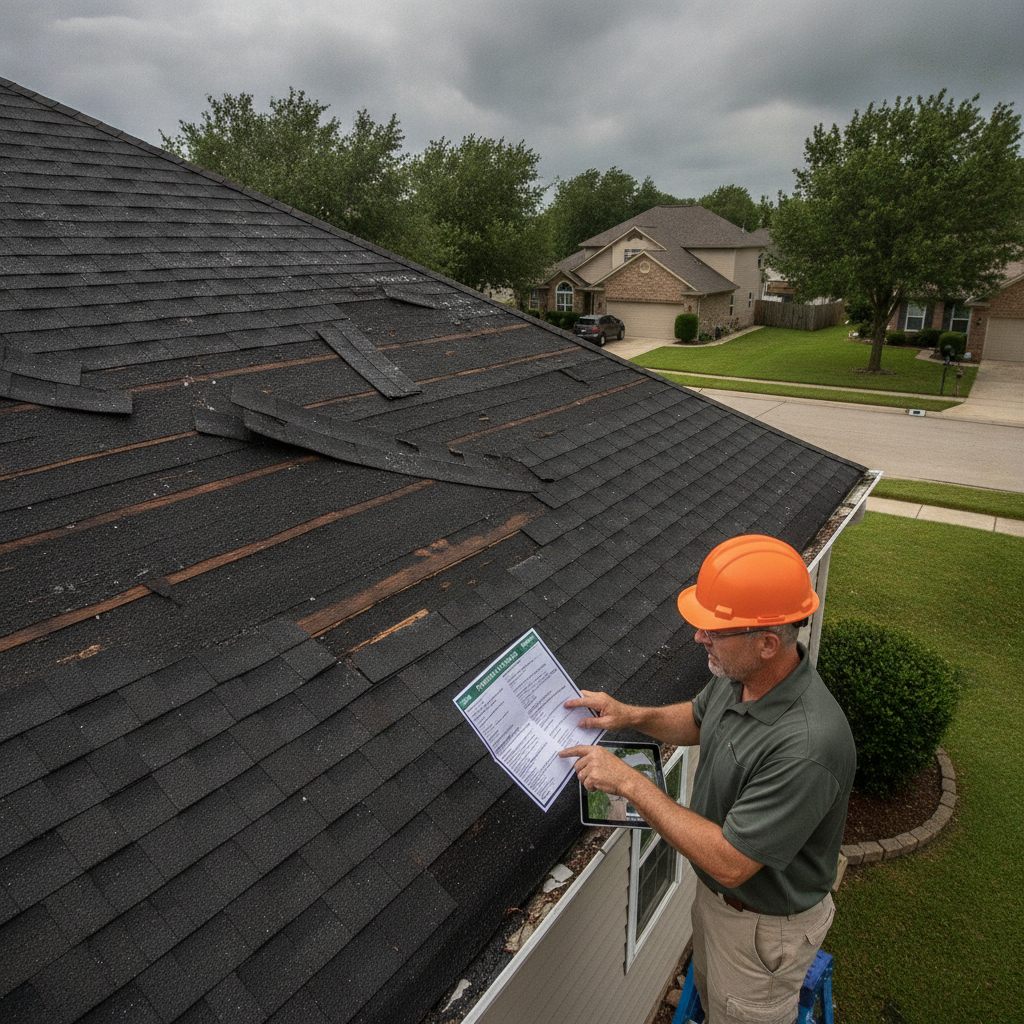
After a storm, it’s essential to document the damage thoroughly. Take clear photos, make notes about the date and time of the event, and keep any receipts for emergency repairs. This documentation will be invaluable when filing a claim for roof damage insurance coverage. If you’re unsure where to start, consider reaching out to local storm damage roof repair services for guidance on the claims process and immediate repair needs.
Remember, acting quickly after a storm can prevent further damage and increase the likelihood of your claim being approved. Promptly reporting the incident to your insurer and following their instructions will help you get back to normal as soon as possible.
Roof Damage Insurance Coverage in Bloomfield Hills, MI
Roof damage insurance coverage in Bloomfield Hills, MI, is especially important due to the region’s unpredictable weather patterns. From heavy snow in winter to severe thunderstorms in spring and summer, the area is no stranger to conditions that can damage roofs. Insurance policies in this region are tailored to address the unique risks faced by property owners, but it’s still essential to know the specifics of your coverage.
One of the most common questions property owners ask is whether their policy covers all types of storm damage. Typically, damage from wind, hail, and falling debris is included, but water damage caused by flooding or poor maintenance may not be. It’s important to distinguish between sudden, accidental damage and issues that develop over time, as insurers often deny claims for pre-existing conditions or neglect.
If you’re considering filing a claim, start by reviewing your policy’s declarations page. This section outlines your coverage limits, deductibles, and any exclusions that may apply. Additionally, working with a reputable contractor or insurance adjuster can help you accurately assess the extent of the damage and ensure all necessary repairs are included in your claim. For more information on navigating the claims process and understanding your policy, check out the resources available on the Bloomfield Construction website.
Roof damage insurance coverage can be complex, but taking the time to educate yourself before disaster strikes will pay off in the long run. Stay proactive by scheduling regular roof inspections and keeping your property well-maintained to minimize the risk of denied claims.
Roof Damage Insurance Coverage in Bloomfield Hills Michigan
In Bloomfield Hills Michigan, roof damage insurance coverage plays a vital role in helping residents and business owners recover from severe weather events. The process of filing a claim and getting your roof repaired can seem overwhelming, but understanding the steps involved will give you peace of mind and help you avoid common pitfalls.
The first step after a storm is to ensure everyone’s safety and prevent further damage. If your roof has been compromised, cover exposed areas with tarps or temporary materials until permanent repairs can be made. Next, contact your insurance provider to report the damage and initiate the claims process. Be prepared to provide detailed documentation, including photos, repair estimates, and a timeline of events.
Working with a trusted local contractor, such as Bloomfield Construction, can streamline the repair process and ensure all necessary work is completed to code. Contractors with experience in the region understand the specific challenges posed by the local climate and can help you navigate insurance requirements more effectively.
Roof damage insurance coverage isn’t just about repairing what’s broken, it’s about restoring your peace of mind and protecting your investment for the future. By staying informed and prepared, you can weather any storm with confidence.
What Does Roof Damage Insurance Coverage Include?
Understanding what your roof damage insurance coverage includes is essential for making informed decisions after a storm. Most policies cover damage caused by wind, hail, falling trees, and other sudden events. However, coverage for water damage, mold, or leaks may be limited or excluded if the insurer determines these issues resulted from neglect or lack of maintenance.
There are two main types of roof coverage: actual cash value (ACV) and replacement cost value (RCV). ACV policies reimburse you for the depreciated value of your roof, while RCV policies cover the full cost of replacing the damaged portion, minus your deductible. Knowing which type of policy you have can significantly impact your out-of-pocket expenses after a storm.
It’s also important to be aware of any exclusions or limitations in your policy. For example, some insurers may not cover cosmetic damage or may require higher deductibles for certain types of storms. Reviewing your policy regularly and discussing any concerns with your agent will ensure you’re fully protected when disaster strikes.
How to File a Roof Damage Insurance Claim
Filing a roof damage insurance claim can be a straightforward process if you’re prepared. Start by documenting the damage as soon as it’s safe to do so. Take clear, detailed photos from multiple angles, and make notes about the date, time, and circumstances of the storm. If you made any temporary repairs, keep receipts and records of the work performed.
Next, contact your insurance provider to report the damage and begin the claims process. Your insurer will likely send an adjuster to inspect the property and assess the extent of the damage. Be present during the inspection to answer questions and provide documentation. It’s also a good idea to obtain repair estimates from reputable contractors to compare with the adjuster’s findings.
Once your claim is approved, review the settlement offer carefully to ensure all necessary repairs are included. Don’t hesitate to ask questions or request clarification if anything is unclear. By staying organized and proactive, you can help ensure a fair and timely resolution to your claim.
Common Exclusions and Limitations in Roof Damage Insurance Coverage
While roof damage insurance coverage provides valuable protection, it’s important to be aware of common exclusions and limitations. Many policies exclude damage caused by wear and tear, poor maintenance, or pre-existing conditions. Additionally, certain types of storms, such as hurricanes or earthquakes, may require separate endorsements or policies.
Another common limitation is the age of your roof. Some insurers reduce coverage for roofs over a certain age, offering only actual cash value instead of replacement cost. Cosmetic damage, such as minor dents or discoloration, may also be excluded unless it affects the roof’s functionality.
Understanding these limitations before disaster strikes can help you avoid unpleasant surprises when filing a claim. Review your policy annually and discuss any concerns with your insurance agent to ensure you have the right level of protection for your property.
The Role of Documentation in Roof Damage Claims
Proper documentation is critical when filing a roof damage insurance claim. Insurers rely on your records to verify the cause and extent of the damage, so thoroughness is key. Start by taking clear, high-resolution photos of all affected areas, both inside and outside your property. Include close-up shots of damaged shingles, flashing, gutters, and any interior water stains.
Keep a written log of the storm’s date, time, and any immediate actions you took to prevent further damage. Save all receipts for emergency repairs, temporary coverings, and professional inspections. If possible, obtain a written assessment from a licensed contractor detailing the scope of the damage and recommended repairs.
Organizing your documentation in a dedicated folder or digital file will make it easier to share information with your insurer and expedite the claims process. The more evidence you can provide, the stronger your case will be for receiving full compensation under your roof damage insurance coverage.
Table: Typical Roof Damage Insurance Coverage Breakdown
| Type of Damage | Covered? | Notes |
|---|---|---|
| Wind Damage | Yes | Covered under most policies, subject to deductible |
| Hail Damage | Yes | May require inspection to confirm extent |
| Falling Trees/Debris | Yes | Covered if caused by a storm |
| Water Leaks | Maybe | Depends on cause; maintenance issues may not be covered |
| Mold | Rarely | Usually excluded unless caused by covered event |
| Cosmetic Damage | No | Not covered unless it affects functionality |
Tips for Maximizing Your Roof Damage Insurance Coverage
To get the most out of your roof damage insurance coverage, preparation is key. Start by reviewing your policy annually and making note of any changes in coverage or deductibles. Schedule regular roof inspections and address minor issues promptly to prevent them from becoming major problems.
When filing a claim, provide thorough documentation and be proactive in communicating with your insurer. Obtain multiple repair estimates to ensure you’re receiving a fair settlement, and don’t hesitate to negotiate if you feel the offer is insufficient. Consider working with a public adjuster if you encounter challenges during the claims process.
Finally, stay informed about local building codes and regulations, as these can affect the scope and cost of repairs. By taking these steps, you’ll be better positioned to maximize your benefits and restore your property quickly after a storm.
Choosing the Right Contractor for Roof Damage Repairs
Selecting a qualified contractor is essential for ensuring your roof repairs are completed safely and to code. Look for contractors with experience in storm damage restoration and a solid reputation in the community. Verify their licensing, insurance, and references before signing any contracts.
A reputable contractor will provide a detailed written estimate, explain the scope of work, and answer any questions you may have about materials or timelines. Avoid contractors who pressure you to sign quickly or request large upfront payments. Instead, choose a professional who communicates clearly and prioritizes your satisfaction.
Working with the right contractor not only ensures quality repairs but also helps you navigate the insurance process more effectively. They can assist with documentation, meet with adjusters, and advocate on your behalf to ensure all necessary repairs are covered under your roof damage insurance coverage.
Preventing Future Roof Damage and Insurance Claims
Prevention is always better than cure when it comes to roof damage. Regular maintenance, timely repairs, and proactive upgrades can help you avoid costly insurance claims in the future. Schedule annual roof inspections to identify and address minor issues before they escalate. Clean gutters, trim overhanging branches, and ensure proper attic ventilation to extend the life of your roof.
Consider investing in impact-resistant roofing materials or additional weatherproofing measures if you live in an area prone to severe weather. These upgrades may even qualify you for discounts on your roof damage insurance coverage. Stay informed about local weather patterns and take precautions before storms to minimize the risk of damage.
By taking a proactive approach to roof maintenance, you’ll not only protect your property but also reduce the likelihood of denied claims and unexpected expenses down the road.
Key Takeaways
Roof damage insurance coverage is an essential safeguard for property owners facing the unpredictable forces of nature. By understanding your policy, documenting damage thoroughly, and working with reputable professionals, you can navigate the claims process with confidence. Remember to review your coverage regularly, maintain your roof proactively, and stay informed about local risks and regulations. With the right preparation and knowledge, you’ll be ready to protect your investment and restore your property quickly when storms strike. Take these insights to heart, and you’ll be well-equipped to handle whatever the weather brings.