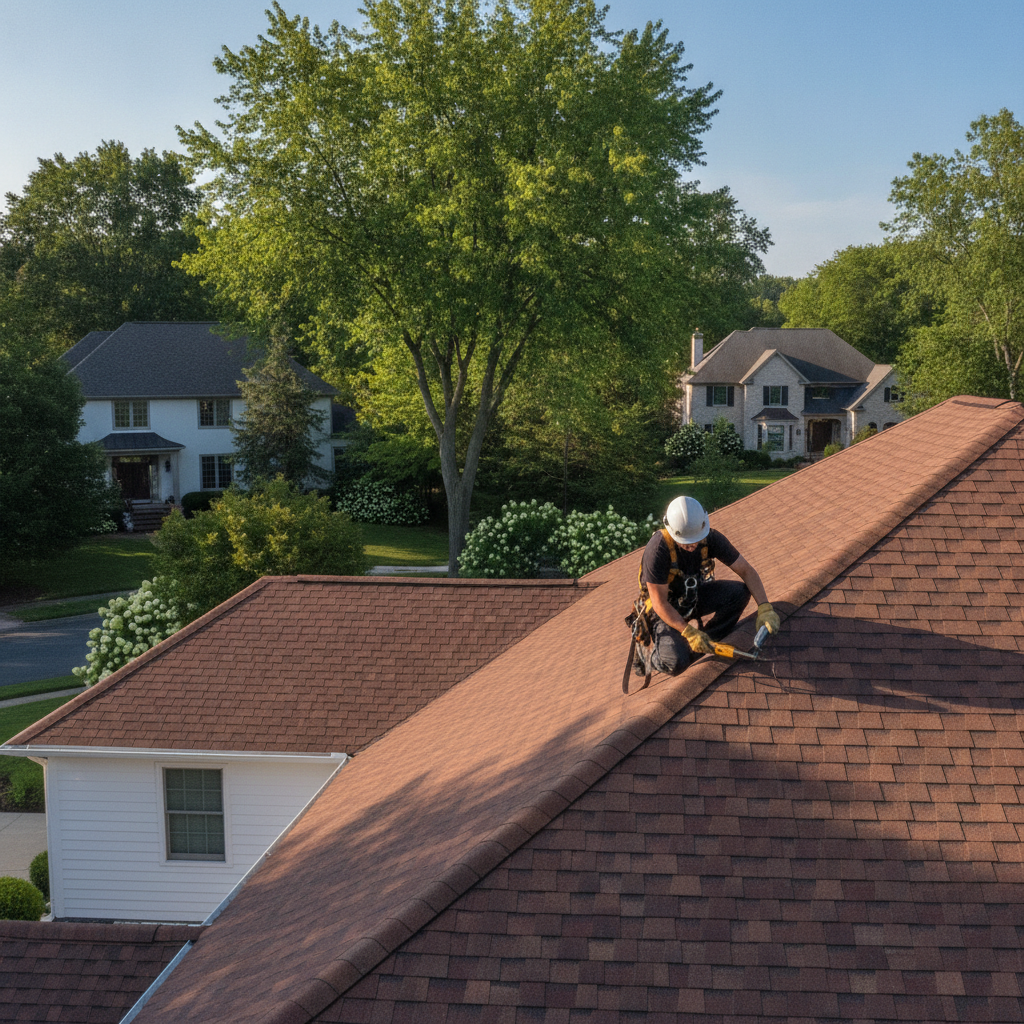
When a powerful storm sweeps through your neighborhood, your roof is the first line of defense protecting your business, property, or home. For residents and business owners in this area, understanding how to prevent roof storm damage is essential not just for safety, but also for protecting your investment and avoiding costly repairs. Whether you own a small shop, manage a commercial property, or simply care for your family home, knowing how to prevent roof storm damage can save you time, money, and stress. In this comprehensive guide, we’ll explore proven strategies, practical tips, and local insights to help you safeguard your roof from the unpredictable weather that often hits this community. From regular inspections and choosing the right roofing materials to emergency preparedness and working with trusted local experts, you’ll find everything you need to keep your roof secure, resilient, and ready for whatever nature throws your way. Let’s dive in and discover how you can take proactive steps to prevent roof storm damage and ensure peace of mind for years to come.
How to Prevent Roof Storm Damage in the Area
Understanding how to prevent roof storm damage in the area is the first step toward long-term property protection. The unpredictable weather patterns here, from heavy rain and hail to strong winds and ice storms, make it crucial to have a proactive plan in place. Regular inspections are key, ideally twice a year and after any significant storm event. Look for missing or damaged shingles, loose flashing, and any signs of water intrusion. Addressing minor issues early can prevent them from becoming major headaches down the road.
One of the best ways to prevent roof storm damage is to keep your gutters and downspouts clear. Clogged gutters can cause water to back up under your roofing materials, leading to leaks and structural damage. Trim overhanging branches to minimize the risk of falling limbs during storms. Pay attention to the condition of your attic and insulation as well, proper ventilation helps reduce moisture buildup, which can weaken your roof’s structure over time.
If you’re unsure about the current state of your roof or need expert advice on how to prevent roof storm damage Bloomfield Hills, consider reaching out to a local professional who understands the unique challenges of this region. For more information, visit prevent roof storm damage Bloomfield Hills and discover tailored solutions for your property.
Prevent Roof Storm Damage in Bloomfield Hills, MI
For property owners in this city, the risk of severe weather is a constant concern. To prevent roof storm damage in Bloomfield Hills, MI, it’s important to invest in quality roofing materials that are rated for high winds and impact resistance. Asphalt shingles, metal roofing, and synthetic materials are popular choices due to their durability and relatively low maintenance. When selecting materials, consult with a local contractor who can recommend the best options for your building’s style and budget.
Another critical step is to ensure all roof penetrations, such as vents, chimneys, and skylights, are properly sealed. Water can easily find its way through even the smallest gaps, leading to leaks and mold growth. Schedule professional inspections to check for weak spots and reinforce vulnerable areas with high-quality sealants and flashing.
Don’t overlook the importance of emergency preparedness. Keep a supply of tarps, roofing nails, and basic tools on hand in case you need to make temporary repairs after a storm. Establish a relationship with a trusted local contractor like Bloomfield Construction so you know who to call when you need fast, reliable service. Taking these steps can make all the difference when it comes to preventing roof storm damage and keeping your property safe.
Prevent Roof Storm Damage in Bloomfield Hills Michigan
Preventing roof storm damage in Bloomfield Hills Michigan starts with understanding the specific risks posed by local weather. High winds can lift shingles, hail can crack or puncture roofing materials, and heavy snow can add significant weight to your structure. To counter these threats, reinforce your roof’s structural integrity by ensuring trusses and rafters are in good condition. If your building is older, consider upgrading to hurricane straps or additional bracing for added stability.
Routine maintenance is another cornerstone of prevention. Schedule annual inspections with a certified roofing expert who can identify early warning signs of damage. Look for issues like curling shingles, rusted flashing, and granule loss, which can all compromise your roof’s ability to withstand storms. If repairs are needed, address them promptly, delaying can lead to more extensive and expensive problems.
For a local perspective and directions to a trusted contractor, check out Bloomfield Construction. Working with professionals who understand the region’s unique climate challenges ensures you get the best advice and service for your property.
Choosing the Right Roofing Materials
Selecting the right roofing materials is one of the most effective ways to prevent roof storm damage. Not all materials offer the same level of protection against wind, hail, and heavy rain. Asphalt shingles are a common choice due to their affordability and decent wind resistance, but for maximum durability, consider metal roofing or synthetic composite shingles. These materials are designed to withstand severe weather and can last significantly longer than traditional options.
Impact-resistant shingles are rated to endure hail and flying debris, making them an excellent investment for properties in storm-prone regions. Metal roofs, while more expensive upfront, offer superior longevity and require minimal maintenance. When choosing materials, balance cost, appearance, and performance to find the best fit for your needs. Consult with a local roofing specialist to ensure your selection meets local building codes and insurance requirements.
Remember, the right materials not only help prevent roof storm damage but can also improve your property’s energy efficiency and curb appeal.
Essential Maintenance Tips for Roof Longevity
Routine maintenance is a key factor in preventing roof storm damage and extending the life of your roof. Start by scheduling regular inspections, ideally every spring and fall. During these inspections, look for missing, cracked, or curling shingles, as well as damaged flashing around chimneys and vents. Clear debris from your roof and gutters to prevent water buildup, which can lead to leaks and rot.
Trim back any tree branches that hang over your roof to reduce the risk of falling limbs during storms. Check your attic for signs of water intrusion, such as stains, mold, or a musty odor. Proper attic insulation and ventilation help regulate temperature and moisture levels, reducing the risk of ice dams in winter and heat damage in summer.
By staying proactive with maintenance, you can catch minor issues before they escalate, helping to prevent roof storm damage and avoid costly emergency repairs.
The Importance of Professional Roof Inspections
While DIY checks are helpful, nothing replaces the expertise of a professional roof inspection. Certified inspectors have the training and experience to spot subtle signs of wear, hidden leaks, and structural weaknesses that untrained eyes might miss. They use specialized tools and techniques to assess the condition of your roof, ensuring all potential vulnerabilities are addressed before the next storm hits.
A professional inspection typically includes a thorough examination of shingles, flashing, gutters, and attic spaces. Inspectors also check for proper drainage and ventilation, which are critical for preventing moisture buildup. After the inspection, you’ll receive a detailed report outlining any issues and recommended repairs. Acting on these recommendations promptly can help prevent roof storm damage and extend the lifespan of your roofing system.
For business owners and developers, scheduling annual professional inspections is a smart investment that protects both your property and your bottom line.
Storm-Proofing Your Roof: Upgrades and Reinforcements
Upgrading and reinforcing your roof is a proactive way to prevent roof storm damage. Start by reinforcing roof decking with additional fasteners or adhesive to improve wind resistance. Install hurricane straps or clips to secure the roof structure to the walls, reducing the risk of uplift during high winds. Consider upgrading to impact-resistant shingles or metal panels for added protection against hail and flying debris.
Sealing roof penetrations, such as vents and skylights, with high-quality flashing and waterproof membranes is essential. These upgrades not only help prevent leaks but also enhance your roof’s overall durability. If your property is in a particularly storm-prone area, consult with a structural engineer or roofing specialist to identify additional reinforcements that may be needed.
Investing in these upgrades now can save you significant time and money by preventing roof storm damage in the future.
Emergency Preparedness: What to Do Before and After a Storm
Being prepared for storms is crucial for minimizing damage and ensuring a quick recovery. Before a storm, secure loose outdoor items, check that your gutters are clear, and inspect your roof for any signs of weakness. Keep emergency supplies on hand, including tarps, roofing nails, and a basic toolkit for temporary repairs.
After a storm, conduct a careful inspection of your roof from the ground, look for missing shingles, debris, or visible sagging. If you suspect damage, contact a professional roofer immediately to assess the situation and make necessary repairs. Document any damage with photos for insurance purposes and avoid making repairs yourself if the roof is unsafe to access.
Quick action after a storm can help prevent roof storm damage from worsening and ensure your property remains protected against future weather events.
Insurance Considerations for Storm Damage
Understanding your insurance coverage is an important part of preventing roof storm damage from becoming a financial burden. Review your policy regularly to ensure it covers common storm-related risks such as wind, hail, and water damage. Some policies may exclude certain perils or require additional riders for full protection.
Keep detailed records of your roof’s condition, including inspection reports, repair invoices, and photos. In the event of a claim, this documentation can help expedite the process and ensure you receive fair compensation. Work with a reputable local contractor who can provide detailed estimates and assist with the claims process if needed.
By staying informed and prepared, you can prevent roof storm damage from causing unnecessary financial stress and protect your investment for the long term.
Comparing Roofing Materials for Storm Resistance
Choosing the right roofing material is crucial for storm protection. The table below compares common roofing materials based on their resistance to wind, hail, and lifespan, helping you make an informed decision to prevent roof storm damage.
| Material | Wind Resistance | Hail Resistance | Average Lifespan |
|---|---|---|---|
| Asphalt Shingles | Good (up to 110 mph) | Moderate | 15-30 years |
| Metal Roofing | Excellent (up to 140 mph) | Excellent | 40-70 years |
| Synthetic Shingles | Very Good (up to 130 mph) | Very Good | 30-50 years |
| Clay/Concrete Tile | Good (up to 125 mph) | Good | 40-50 years |
Use this information to guide your roofing decisions and enhance your efforts to prevent roof storm damage.
Working with Local Roofing Experts
Partnering with local roofing professionals is invaluable when it comes to preventing roof storm damage. Local experts understand the region’s unique weather patterns and building codes, ensuring your roof is built or repaired to withstand the toughest conditions. They can recommend the best materials, perform thorough inspections, and provide prompt emergency repairs when needed.
When choosing a contractor, look for companies with strong reputations, proper licensing, and insurance. Ask for references and check online reviews to ensure you’re working with a reliable team. Building a relationship with a trusted roofer means you’ll have a go-to resource for maintenance, repairs, and advice, helping you stay ahead of potential problems and prevent roof storm damage year-round.
Investing in professional expertise is one of the smartest moves you can make to protect your property and your peace of mind.
Final Thoughts
Taking proactive steps to prevent roof storm damage is essential for every property owner in this region. From choosing the right materials and scheduling regular inspections to reinforcing your roof and preparing for emergencies, each action contributes to a stronger, more resilient structure. Remember to work with trusted local experts, stay informed about your insurance coverage, and keep up with routine maintenance. By following these strategies, you can protect your investment, minimize risk, and enjoy greater peace of mind, no matter what the weather brings. Stay vigilant, stay prepared, and your roof will stand strong for years to come.