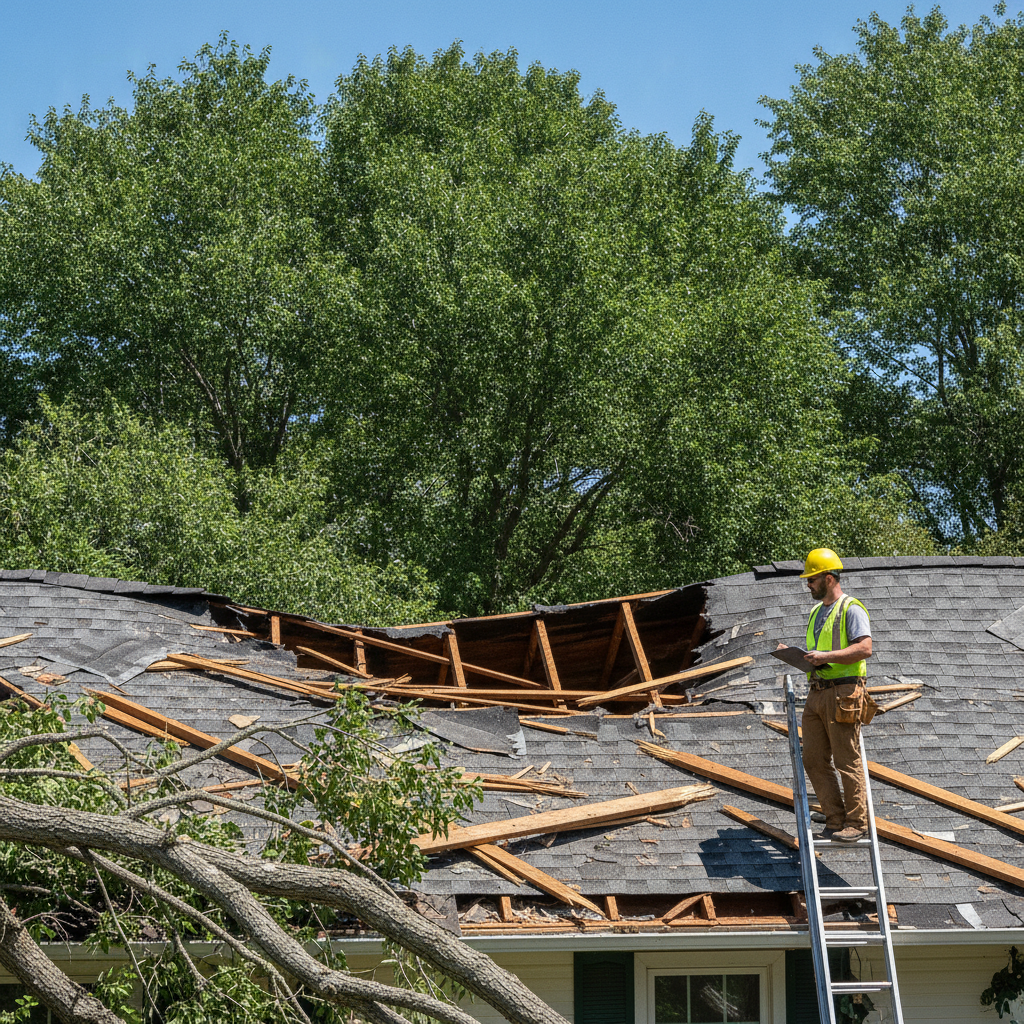
When a powerful storm rolls through, the aftermath can be overwhelming for both property owners and the environment. The environmental impact of roof repairs is often overlooked, but it plays a significant role in the sustainability of our communities. Whether you’re a small business owner, a developer, or a concerned resident, understanding how storm damage repairs affect our ecosystem is crucial. In the first 100 words, we’ve already highlighted the environmental impact of roof repairs, setting the stage for a deeper dive into this important topic. From waste management and material sourcing to energy use and water runoff, every aspect of a roof repair project has ripple effects. This article will guide you through the key environmental considerations, local regulations, and best practices for minimizing negative impacts while restoring your property. By the end, you’ll be equipped with actionable insights to make greener choices and support a healthier environment in your community.
Environmental Impact of Roof Repairs in Bloomfield Hills
The environmental impact of roof repairs is a pressing concern for residents and business owners in the area. After a storm, damaged roofs can contribute to a surge in construction waste, increased energy consumption, and the release of pollutants. The process of removing old roofing materials, such as asphalt shingles, often leads to significant landfill contributions. Many of these materials are not biodegradable and can leach harmful chemicals into the soil and groundwater.
Additionally, the choice of repair materials can either mitigate or exacerbate environmental harm. Opting for recycled or sustainably sourced roofing products can reduce the overall ecological footprint. However, traditional materials like asphalt and certain plastics are energy-intensive to produce and transport, adding to greenhouse gas emissions.
Storm events also create an urgent need for roof repairs, sometimes leading to rushed decisions that overlook environmental best practices. Taking the time to select eco-friendly options and work with knowledgeable contractors can make a substantial difference. Local initiatives in this community encourage recycling old shingles and using energy-efficient roofing systems, but widespread adoption is still a work in progress.
Ultimately, every roof repair project presents an opportunity to lessen environmental harm. By prioritizing sustainable materials, responsible waste disposal, and energy-saving techniques, property owners can help protect the region’s natural resources for future generations.
Understanding the Environmental Impact of Roof Repairs in Bloomfield Hills, MI
In Bloomfield Hills, MI, the environmental impact of roof repairs is shaped by local climate, regulations, and available resources. The region experiences a mix of harsh winters and stormy summers, leading to frequent roof damage and a steady demand for repairs. Each repair project generates waste, consumes energy, and has the potential to affect air and water quality.
One key aspect is the disposal of old roofing materials. In Michigan, strict guidelines govern the handling of construction debris to prevent illegal dumping and contamination. Recycling programs are available for certain materials, such as metal and some asphalt shingles, but not all contractors take advantage of these options. Working with reputable companies like Bloomfield Construction can help ensure compliance with environmental standards and promote greener practices.
Another factor is the selection of new roofing materials. Cool roofing technologies, reflective coatings, and green roofs are gaining popularity in the region for their ability to reduce heat absorption and lower energy costs. These options not only benefit the environment but also provide long-term savings for property owners.
Finally, the environmental impact of roof repairs extends to the transportation of materials and workers. Choosing local suppliers and minimizing travel distances can further reduce carbon emissions associated with each project. By understanding the unique environmental challenges and opportunities in Bloomfield Hills, MI, property owners can make informed decisions that support both their needs and the planet.
How the Environmental Impact of Roof Repairs Affects Bloomfield Hills, Michigan
The environmental impact of roof repairs in Bloomfield Hills, Michigan, is multifaceted. Storms in this city often result in widespread damage, requiring rapid response from contractors and homeowners. The urgency to restore properties can sometimes overshadow environmental considerations, but the long-term effects are significant.
One of the main concerns is the volume of waste generated. Roofing materials, especially asphalt shingles, make up a large portion of construction and demolition debris in Michigan. When these materials end up in landfills, they contribute to methane emissions and can persist for decades. Some local programs encourage recycling, but participation rates vary.
Water runoff from roof repairs is another environmental challenge. Construction debris and dust can enter storm drains, impacting local waterways and aquatic life. Implementing best management practices, such as using protective barriers and proper cleanup procedures, helps minimize this risk.
Energy use during repairs is also a factor. The transportation of materials, operation of machinery, and production of new roofing products all consume energy and generate emissions. Choosing energy-efficient materials and working with contractors who prioritize sustainability can make a meaningful difference. For those seeking more information about storm damage repair services, it’s important to inquire about their environmental policies and practices.
By considering these factors, residents and business owners can help reduce the environmental impact of roof repairs and support a more sustainable future for the region.
Sustainable Roofing Materials and Their Benefits
Selecting sustainable roofing materials is a key strategy for minimizing the environmental impact of roof repairs. Modern options include recycled shingles, metal roofing, clay tiles, and green roofs. Each material offers unique benefits in terms of durability, recyclability, and energy efficiency.
Recycled shingles, for example, are made from post-consumer waste such as rubber or plastic, diverting materials from landfills and reducing the need for new raw resources. Metal roofing is highly durable and often contains a significant percentage of recycled content. It can also be recycled again at the end of its lifespan, creating a closed-loop system.
Clay and concrete tiles are natural materials that offer excellent longevity and thermal performance. While their production is energy-intensive, their long lifespan helps offset the initial environmental cost. Green roofs, which involve growing vegetation on the roof surface, provide insulation, absorb rainwater, and support local biodiversity.
Working with local experts like Bloomfield Construction can help property owners navigate the options and choose materials that align with both environmental goals and practical needs. By investing in sustainable roofing, you contribute to a healthier ecosystem and potentially lower your long-term maintenance costs.
Waste Management Strategies for Roof Repairs
Effective waste management is crucial for reducing the environmental impact of roof repairs. Roofing projects generate significant debris, including old shingles, underlayment, nails, and packaging materials. Without proper disposal, this waste can end up in landfills, contribute to pollution, and pose health risks.
One strategy is to separate recyclable materials from non-recyclable waste at the job site. Many recycling centers accept metal, certain plastics, and even some types of asphalt shingles. Coordinating with local recycling programs ensures that as much material as possible is diverted from landfills.
Another approach is to donate usable materials, such as tiles or metal sheets, to organizations that support affordable housing or community projects. This not only reduces waste but also benefits those in need.
Proper handling of hazardous materials, such as old insulation or roofing tar, is also essential. These substances require special disposal methods to prevent contamination of soil and water. Contractors should be trained in safe handling procedures and comply with all local regulations.
Implementing a comprehensive waste management plan for every roof repair project helps protect the environment and sets a positive example for the community.
Energy Efficiency and Roof Repairs
Energy efficiency is a major consideration when assessing the environmental impact of roof repairs. The type of roofing material, color, and installation method can all influence a building’s energy consumption. For example, cool roofs are designed to reflect more sunlight and absorb less heat, reducing the need for air conditioning during hot months.
Insulation is another critical factor. Properly installed insulation beneath the roof helps maintain indoor temperatures, lowering heating and cooling costs. This not only saves money but also reduces the building’s carbon footprint by decreasing energy demand.
Solar panels are becoming an increasingly popular addition during roof repairs. By generating renewable energy on-site, property owners can offset their reliance on fossil fuels and further reduce environmental impact. Integrating solar technology with roof repairs requires careful planning and coordination with experienced professionals.
Incorporating energy-efficient features into roof repairs is a win-win solution, benefiting both the environment and the property owner’s bottom line. Making these choices during the repair process is much easier and more cost-effective than retrofitting later.
Water Runoff and Stormwater Management
Storm damage often leads to increased water runoff from rooftops. If not properly managed, this runoff can carry debris, chemicals, and pollutants into local waterways, harming aquatic life and degrading water quality. The environmental impact of roof repairs is closely tied to how well stormwater is controlled during and after the repair process.
Installing gutters, downspouts, and rainwater harvesting systems can help direct water away from foundations and reduce erosion. Permeable surfaces, such as green roofs or gravel pathways, allow rainwater to soak into the ground, replenishing groundwater supplies and reducing the burden on municipal stormwater systems.
Contractors should also use protective barriers and sediment control measures during repairs to prevent construction debris from entering storm drains. Regular maintenance of these systems ensures their continued effectiveness and protects the environment.
By prioritizing stormwater management in roof repair projects, property owners can help safeguard local waterways and contribute to a healthier ecosystem.
Local Regulations and Green Building Codes
Compliance with local regulations and green building codes is essential for minimizing the environmental impact of roof repairs. Many municipalities have adopted standards that encourage or require the use of sustainable materials, energy-efficient designs, and responsible waste management practices.
In the region, building codes may specify minimum insulation values, reflective roofing materials, or recycling requirements for construction debris. Staying informed about these rules helps property owners avoid fines and ensures that their projects support broader environmental goals.
Green building certifications, such as LEED or ENERGY STAR, provide additional incentives for adopting eco-friendly practices. Achieving certification can increase property values, attract environmentally conscious tenants, and demonstrate a commitment to sustainability.
Working with contractors who are familiar with local codes and green building standards simplifies the process and ensures that all requirements are met. This proactive approach benefits both the environment and the community at large.
Comparing Roofing Materials: Environmental Impact Table
| Material | Lifespan (Years) | Recyclability | Energy Efficiency | Environmental Impact |
|---|---|---|---|---|
| Asphalt Shingles | 15-30 | Low | Moderate | High landfill waste, moderate emissions |
| Metal Roofing | 40-70 | High | High | Recyclable, energy efficient |
| Clay/Concrete Tile | 50-100 | Moderate | High | Natural materials, energy intensive to produce |
| Recycled Shingles | 20-50 | High | Moderate | Reduces landfill waste, uses post-consumer materials |
| Green Roof | 30-50 | High | Very High | Supports biodiversity, reduces runoff |
Best Practices for Eco-Friendly Roof Repairs
Adopting best practices is essential for minimizing the environmental impact of roof repairs. Start by conducting a thorough assessment to determine which materials can be salvaged or recycled. Choose roofing products that are certified for sustainability and have a long lifespan to reduce future waste.
Work with contractors who prioritize green practices, such as using low-VOC adhesives and sealants, minimizing packaging waste, and sourcing materials locally. Schedule repairs during dry weather to prevent runoff and contamination of nearby water sources.
Educate your team or tenants about the importance of proper waste sorting and disposal. Set up designated bins for recyclables and hazardous materials to streamline the cleanup process.
Finally, consider future-proofing your roof by integrating features like solar panels, rainwater harvesting systems, or reflective coatings. These upgrades not only benefit the environment but also enhance the value and resilience of your property.
Community Involvement and Education
Community involvement is a powerful tool for reducing the environmental impact of roof repairs. Local organizations, schools, and businesses can collaborate to promote recycling programs, offer educational workshops, and share resources on sustainable building practices.
Hosting community clean-up events after major storms helps ensure that debris is properly collected and disposed of, preventing pollution and protecting public spaces. Educational campaigns can raise awareness about the benefits of sustainable roofing materials and encourage more property owners to make eco-friendly choices.
Partnerships with local governments and environmental groups can lead to the development of incentives for green building practices, such as tax credits or grants for installing energy-efficient roofs. By working together, the community can create a culture of sustainability that extends beyond individual projects.
Empowering residents and business owners with knowledge and resources is key to achieving lasting environmental benefits from roof repairs and other construction activities.
The Bottom Line
The environmental impact of roof repairs is a complex issue that touches every aspect of our built environment. From material selection and waste management to energy efficiency and community engagement, each decision plays a part in shaping a more sustainable future. By understanding the challenges and opportunities unique to this region, property owners can make informed choices that benefit both their properties and the planet.
Adopting eco-friendly practices during storm damage repairs not only reduces negative environmental effects but also enhances property value and resilience. As awareness grows and technologies advance, the path to greener roof repairs becomes clearer and more accessible for everyone. Whether you’re planning a small repair or a major renovation, remember that every step toward sustainability counts. Together, we can protect our environment and build stronger, healthier communities for generations to come.