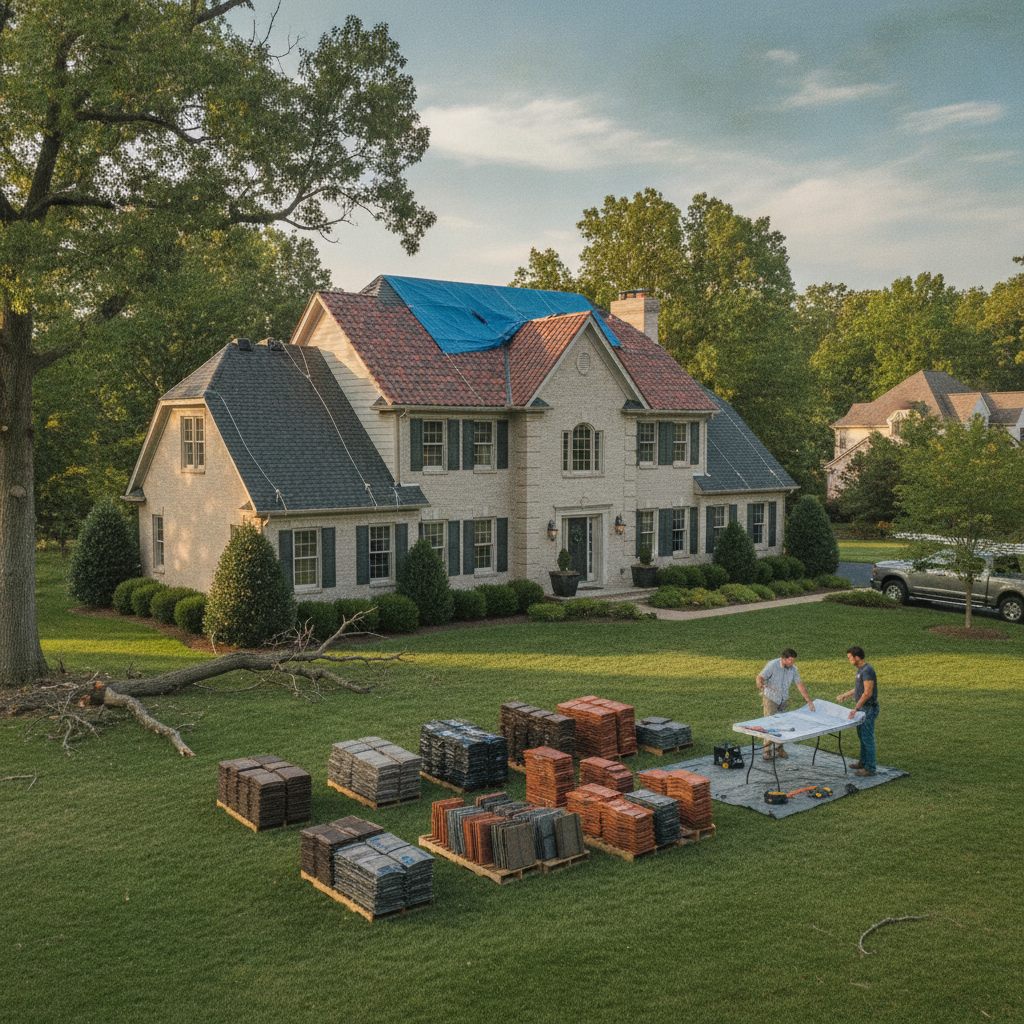
When severe weather strikes, the aftermath can be overwhelming for property owners. One of the most urgent challenges is roof damage, which can leave your business or home exposed to the elements and vulnerable to further harm. Choosing the right storm repair materials is critical to restoring safety, value, and peace of mind. Whether you are a small business owner, developer, or a concerned resident, understanding how to select the best materials for storm damage roof repairs will help you make informed decisions that protect your investment for years to come. In this comprehensive guide, we will walk you through everything you need to know about storm repair materials, from assessing damage and material options to local climate considerations and long-term maintenance. By the end, you’ll feel confident in choosing the right solutions for your property, ensuring resilience against future storms and minimizing costly disruptions.
Best Storm Repair Materials for Roofs in Bloomfield Hills
Selecting the best storm repair materials for your roof is a vital step in ensuring your property withstands future weather events. The area is known for its unpredictable weather, including heavy rain, hail, and strong winds. This means that your choice of roofing materials must account for durability, performance, and local building codes. The most popular storm repair materials include asphalt shingles, metal roofing, slate, and synthetic options. Each material has unique advantages and challenges, so understanding their performance in storm-prone environments is essential.
Asphalt shingles are a common choice due to their affordability and ease of installation. They offer good resistance to wind and rain but may not be as durable as other options in severe storms. Metal roofing, on the other hand, is highly resistant to wind and impact, making it an excellent choice for storm damage roof repairs. It is lightweight, fire-resistant, and can last for decades with minimal maintenance. Slate and synthetic slate materials provide unmatched longevity and resistance to weather, though they come with a higher price tag and require professional installation.
When considering storm repair materials, it is important to factor in the specific needs of your property. For example, commercial buildings may benefit from metal or membrane roofing systems, while residential homes might prioritize aesthetics and cost. Consulting with a local expert can help you navigate these choices and ensure compliance with regional codes. For more insights and expert advice, explore storm damage repair services tailored to this community’s needs.
Ultimately, the best material for your roof depends on your budget, the structure of your property, and the typical weather conditions in the neighborhood. Investing in quality storm repair materials today can prevent headaches and additional expenses down the road.
Storm Repair Materials Selection in Bloomfield Hills, MI
Choosing storm repair materials in this region requires a strategic approach. The climate in southeast Michigan brings a mix of snow, ice, rain, and high winds, all of which can take a toll on roofing systems. When evaluating repair options, it is crucial to consider both the immediate and long-term needs of your property. Durable materials such as metal panels or impact-resistant shingles are increasingly popular due to their ability to withstand the harshest conditions.
In addition to material strength, energy efficiency is another consideration. Some storm repair materials, like cool roof coatings or reflective metal, can help reduce energy costs by deflecting sunlight and minimizing heat absorption. This is particularly beneficial for business owners looking to manage operational expenses year-round. Furthermore, advanced synthetic materials are now available that mimic the appearance of traditional roofing while offering superior weather resistance and lower maintenance requirements.
Local building codes and insurance requirements also play a significant role in material selection. Many insurers offer discounts for properties that use impact-resistant or fire-rated roofing materials, making these options financially attractive. It is wise to consult with a reputable contractor who understands the unique challenges of the area. The team at Bloomfield Construction has extensive experience helping property owners select the right storm repair materials for their specific needs.
Remember, the right choice of materials not only protects your property but also enhances its value and curb appeal. Take the time to research your options and work with professionals who can guide you through the process for optimal results.
How to Choose Storm Repair Materials in Bloomfield Hills, Michigan
Selecting the right storm repair materials in this city involves a careful assessment of your roof’s existing condition, the extent of storm damage, and the specific threats posed by local weather patterns. Start by conducting a thorough inspection to identify leaks, missing shingles, or structural issues. This will help you determine whether a partial repair or a full replacement is necessary.
Next, consider the performance characteristics of different storm repair materials. For example, impact-resistant shingles are designed to withstand hail and flying debris, while metal roofing excels in high-wind situations. Synthetic roofing materials, such as polymer or rubber composites, offer flexibility and resilience, making them ideal for roofs with complex shapes or slopes. Additionally, these materials often come with extended warranties, providing peace of mind for property owners.
Cost is another important factor. While premium materials may have a higher upfront price, they often result in lower maintenance costs and fewer repairs over time. For commercial properties, consider options that meet both functional and aesthetic requirements. Consulting with a local expert can help you balance these considerations and make an informed decision. To find experienced professionals in your area, check out Bloomfield Construction for reputable service and guidance.
By focusing on quality storm repair materials and expert installation, you can ensure your roof is ready to handle whatever nature throws its way, keeping your property safe and secure.
Understanding the Impact of Storm Damage on Roofs
Storm damage can manifest in many forms, from missing shingles and punctures to leaks and structural weaknesses. Understanding how different types of storms affect your roof helps you select the most appropriate storm repair materials. High winds can lift shingles or cause debris to strike the surface, while hail can create dents or cracks. Heavy rain may exploit existing vulnerabilities, leading to water intrusion and mold growth.
The severity of damage often depends on the age and condition of your roof before the storm. Older roofs or those with previous repairs may be more susceptible to extensive harm. After any significant weather event, it is crucial to inspect your roof thoroughly, looking for signs of damage both on the surface and in the attic or ceiling below. Prompt identification of issues allows you to act quickly and prevent further deterioration.
Choosing the right storm repair materials is essential for restoring both function and appearance. Some materials are better suited to certain types of damage, so working with a knowledgeable contractor ensures you get the best results. By understanding the specific impact of storms on your roof, you can make informed decisions that protect your property for the long term.
Comparing Popular Storm Repair Materials
With a variety of storm repair materials available, it can be challenging to choose the best option for your property. Let’s compare some of the most common materials used for storm damage roof repairs:
| Material | Durability | Cost | Maintenance |
|---|---|---|---|
| Asphalt Shingles | Moderate | Low | Moderate |
| Metal Roofing | High | Medium-High | Low |
| Slate | Very High | High | Low |
| Synthetic Materials | High | Medium | Low |
As shown in the table, each material offers a unique balance of durability, cost, and maintenance requirements. Asphalt shingles are cost-effective but may require more frequent repairs, while metal and slate provide superior longevity and storm resistance. Synthetic options are gaining popularity for their versatility and performance. When selecting storm repair materials, weigh these factors against your budget and long-term goals.
Key Factors to Consider When Selecting Storm Repair Materials
Choosing storm repair materials involves more than just picking the strongest or most expensive option. Here are some essential factors to keep in mind:
- Climate: Materials should be suited to the local weather, including resistance to wind, hail, and temperature fluctuations.
- Building Codes: Ensure your choice complies with local regulations and insurance requirements.
- Aesthetics: Consider how the material will look on your property and whether it matches the surrounding architecture.
- Lifespan: Some materials last longer than others, reducing the frequency of future repairs.
- Cost: Balance upfront expenses with long-term savings from reduced maintenance and energy efficiency.
- Sustainability: Eco-friendly materials can reduce your environmental impact and may qualify for incentives.
By carefully evaluating these factors, you can select storm repair materials that offer the best protection and value for your property.
The Role of Professional Installation in Storm Damage Roof Repairs
Even the best storm repair materials cannot perform optimally without expert installation. Roofing is a complex process that requires knowledge of building codes, safety standards, and material-specific techniques. Poor installation can lead to leaks, reduced lifespan, and voided warranties.
Hiring a reputable contractor ensures that your storm damage roof repairs are completed to the highest standards. Professionals have access to quality materials, advanced tools, and extensive training, which allows them to address both visible and hidden damage. They can also help you navigate insurance claims and provide documentation for warranties and future maintenance.
When selecting a contractor, look for those with experience in storm repair materials and a track record of satisfied customers. Ask for references, check credentials, and review past projects to ensure you are working with a trusted partner. The right team can make all the difference in the longevity and performance of your roof.
Maintenance Tips for Storm Damage Roof Repairs
Proper maintenance is key to maximizing the lifespan of your storm repair materials. After repairs are completed, establish a routine inspection schedule to catch minor issues before they become major problems. Look for signs of wear, loose shingles, or blocked gutters that could compromise the integrity of your roof.
Regular cleaning is also important, especially after storms. Remove debris, leaves, and branches that may have accumulated on the roof or in the gutters. This prevents water from pooling and reduces the risk of leaks or mold growth. If you notice any damage, address it promptly to avoid more extensive repairs down the line.
Keep records of all repairs and maintenance activities. This documentation can be valuable for insurance claims, warranty coverage, and future property sales. By staying proactive, you can ensure your storm repair materials continue to protect your property for many years.
Insurance Considerations for Storm Damage Roof Repairs
Navigating insurance claims after a storm can be complex, but understanding your policy and the role of storm repair materials can make the process smoother. Most property insurance policies cover storm damage, but the extent of coverage depends on the type of damage and the materials used in repairs.
Some insurers offer discounts for impact-resistant or fire-rated roofing materials, recognizing their ability to reduce future claims. When filing a claim, provide detailed documentation of the damage, repair estimates, and receipts for materials and labor. Working with a contractor familiar with insurance processes can help you maximize your benefits and ensure all work meets policy requirements.
It is also important to understand any exclusions or limitations in your policy. For example, some policies may not cover cosmetic damage or require higher deductibles for certain types of storms. Review your coverage regularly and update it as needed to reflect changes in your property or the storm repair materials you choose.
Long-Term Benefits of Quality Storm Repair Materials
Investing in high-quality storm repair materials offers numerous long-term benefits. Not only do these materials provide superior protection against future weather events, but they also enhance the value and curb appeal of your property. Durable materials require less frequent repairs, reducing maintenance costs and minimizing disruptions to your business or daily life.
Quality storm repair materials can also improve energy efficiency, leading to lower utility bills and a more comfortable indoor environment. Many modern materials are designed to reflect sunlight, reduce heat absorption, and provide better insulation. Additionally, eco-friendly options can help you reduce your environmental footprint and may qualify for tax incentives or rebates.
By prioritizing quality in your storm damage roof repairs, you are making a smart investment in the future of your property. The peace of mind that comes from knowing your roof is built to last is invaluable, especially in regions prone to severe weather.
Key Takeaways
Selecting the best storm repair materials for roof repairs is a critical decision that impacts the safety, value, and longevity of your property. By understanding the unique challenges posed by local weather, assessing your specific needs, and consulting with experienced professionals, you can make informed choices that stand the test of time. Remember to prioritize quality, compliance with building codes, and proper installation to maximize the benefits of your investment. With proactive maintenance and the right materials, your roof will be ready to face whatever storms come your way, ensuring lasting protection and peace of mind for your business or home.