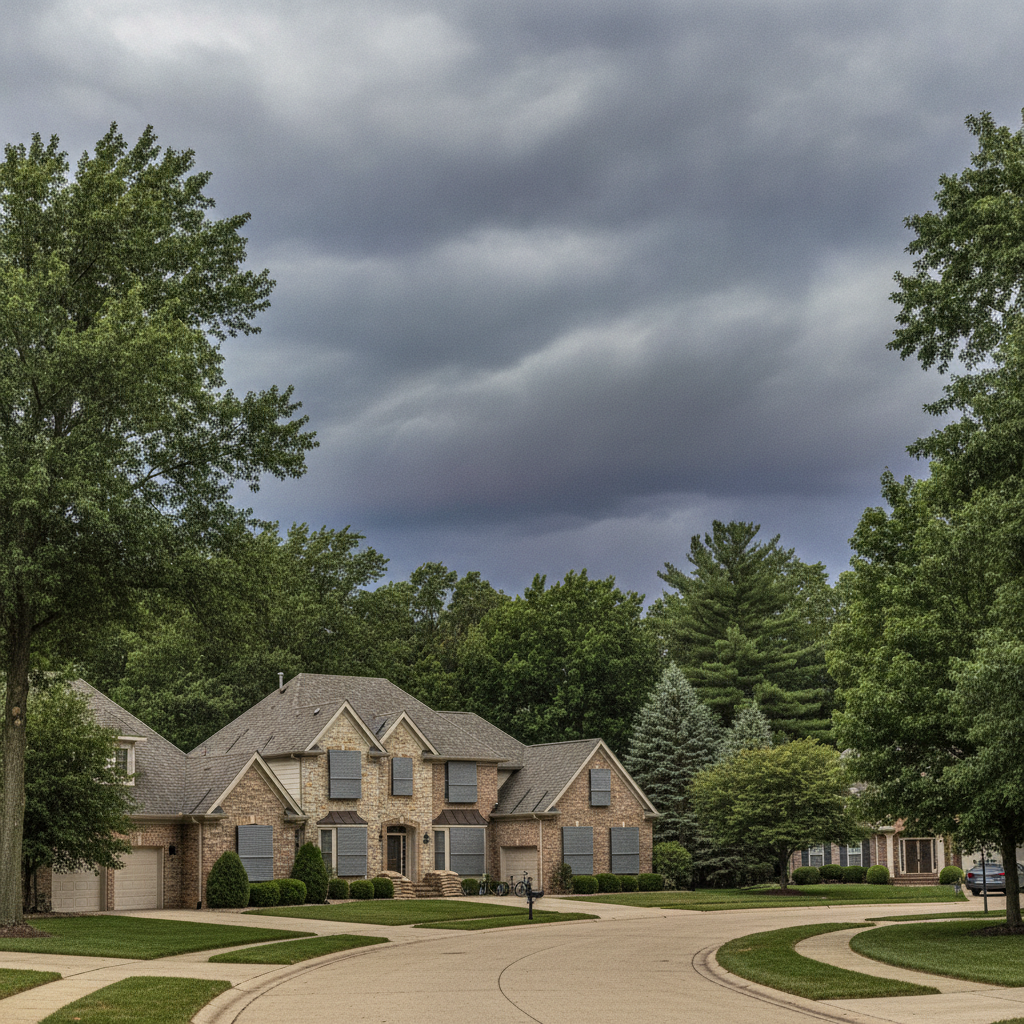
Storms can strike with little warning, leaving behind a trail of damage that impacts homes, businesses, and the local economy. For small business owners, developers, and residents in this community, being proactive is crucial to safeguarding properties and investments. Understanding and implementing preventative roof measures is the most effective way to minimize storm-related losses and disruptions. In this article, we’ll explore why storm damage prevention matters, the unique weather challenges faced locally, and practical strategies for protecting your property. Whether you own a storefront, manage a commercial building, or simply care about the safety of your home, the following insights will empower you to make informed decisions and take action before the next big storm hits. Let’s dive into the essential steps you can take to weatherproof your property and ensure peace of mind year-round.
Preventative Roof Measures for Storm Damage in the Area
The region is no stranger to unpredictable weather patterns, which can include heavy rainfall, high winds, hail, and even the occasional tornado. These conditions put roofs under significant stress, making preventative roof measures a necessity for property owners. By investing in regular inspections, high-quality materials, and timely repairs, you can drastically reduce the risk of storm-related damage. For instance, scheduling annual roof assessments helps identify vulnerable spots, such as loose shingles or deteriorating flashing, before they become major issues.
One of the most effective preventative roof measures is ensuring proper drainage. Clogged gutters and downspouts can cause water to back up, leading to leaks and structural damage. Installing gutter guards and routinely clearing debris keeps water flowing away from your building. Additionally, reinforcing roof edges and securing loose materials can prevent wind uplift, which is a common cause of roof failure during storms.
It’s also important to choose roofing materials designed to withstand the specific weather challenges of the area. Impact-resistant shingles, metal roofing, and membrane systems offer enhanced durability and can often lower insurance premiums. Consulting with local experts, such as Bloomfield Hills preventative roof measures, ensures your property is equipped with solutions tailored to the climate and building codes of this region.
By taking these steps, property owners can avoid costly repairs, minimize downtime, and protect the value of their investments. Proactive maintenance and smart material choices are the foundation of a resilient roof that stands up to whatever Mother Nature brings.
Preventative Roof Measures for Storm Damage in Bloomfield Hills, MI
When severe weather is on the horizon, preventative roof measures become even more critical for business owners and residents in Bloomfield Hills, MI. The local climate includes a mix of heavy snow in winter, thunderstorms in spring and summer, and strong winds throughout the year. Each of these elements can take a toll on roofing systems, especially those that have not been properly maintained.
A key preventative roof measure is to have a professional roofing contractor conduct a comprehensive inspection before and after major storm seasons. This allows for the early detection of potential weaknesses, such as cracked tiles, missing shingles, or compromised sealants. Addressing these issues promptly can prevent water infiltration and structural damage that often result from neglected maintenance.
Another important aspect is upgrading insulation and ventilation. Proper attic insulation prevents ice dams during winter storms, while adequate ventilation reduces moisture buildup that can lead to mold and rot. Both improvements contribute to the overall longevity and performance of your roof.
For those seeking expert guidance, Bloomfield Construction offers tailored solutions to meet the unique challenges of the local environment. Their experience with preventative roof measures ensures that properties are equipped to handle severe weather, reducing the likelihood of emergency repairs and insurance claims.
By prioritizing these strategies, property owners in this city can confidently face storm season, knowing their roofs are prepared to withstand the elements.
Preventative Roof Measures for Storm Damage in Bloomfield Hills Michigan
In Bloomfield Hills Michigan, implementing preventative roof measures is essential for long-term property protection. The area’s mix of old and new construction means that roofing needs can vary greatly, making customized solutions all the more important. For older buildings, retrofitting with modern materials and technologies can greatly enhance storm resistance.
One highly recommended preventative roof measure is the installation of storm-rated roofing systems. These are designed and tested to withstand high winds, hail, and heavy precipitation. Additionally, reinforcing roof trusses and anchoring systems can prevent structural failure during extreme weather events.
Regular maintenance is another cornerstone of effective storm damage prevention. This includes clearing debris from roofs and gutters, checking for signs of wear, and promptly addressing minor issues before they escalate. For commercial properties, establishing a maintenance schedule with a trusted provider ensures that preventative roof measures are consistently applied.
Local property owners can benefit from mapping out nearby resources and emergency contacts in advance. For example, Bloomfield Construction is a reliable partner for rapid response and expert advice in the event of storm damage. Having a plan in place can make all the difference when time is of the essence.
By staying proactive and informed, residents and businesses in the neighborhood can significantly reduce the impact of severe weather on their properties.
Understanding Storm Risks in the Region
The region experiences a variety of storm threats throughout the year, each with its own set of risks for property owners. Thunderstorms can bring torrential rain, lightning strikes, and damaging winds, while winter storms deliver heavy snow and ice that can overload roofs and cause leaks. Hailstorms, although less frequent, can puncture roofing materials and shatter skylights, leading to costly repairs.
Understanding the specific risks in your area is the first step toward effective storm damage prevention. For example, properties surrounded by large trees are at increased risk of falling branches, which can puncture roofs or block drainage systems. Buildings with flat or low-slope roofs are more susceptible to water pooling and leaks, especially during prolonged rainfall.
By assessing your property’s unique vulnerabilities, you can prioritize preventative roof measures that address the most pressing threats. This might include trimming overhanging branches, reinforcing roof structures, or upgrading to impact-resistant materials. Staying informed about local weather patterns and historical storm data also helps in planning for future events.
Ultimately, a tailored approach to storm risk management ensures that your preventative roof measures deliver maximum protection and peace of mind.
Key Preventative Roof Measures Every Property Owner Should Know
To effectively guard against storm damage, property owners should be familiar with the most impactful preventative roof measures. These strategies not only protect your investment but also enhance the safety and longevity of your building.
- Schedule regular professional roof inspections to catch issues early.
- Keep gutters and downspouts clear to ensure proper drainage and prevent water damage.
- Install impact-resistant roofing materials that can withstand hail and wind.
- Reinforce roof edges and flashing to prevent wind uplift and leaks.
- Trim trees and remove debris that could damage your roof during storms.
Implementing these preventative roof measures can significantly reduce the likelihood of storm-related damage. For commercial properties, creating a maintenance log and assigning responsibility for regular checks ensures that nothing is overlooked. Homeowners should also consider investing in roof upgrades that meet or exceed local building codes for storm resistance.
By making these practices a routine part of property management, you can avoid emergency repairs and maintain a safe, comfortable environment for occupants.
Comparing Roofing Materials for Storm Resistance
Choosing the right roofing material is a critical preventative roof measure. Different materials offer varying levels of protection against storm damage, so it’s important to understand the pros and cons of each option. Below is a comparison of common roofing materials and their effectiveness in storm-prone regions.
| Material | Storm Resistance | Lifespan | Maintenance |
|---|---|---|---|
| Asphalt Shingles | Good (with impact-resistant options) | 15-30 years | Moderate |
| Metal Roofing | Excellent | 40-70 years | Low |
| Clay/Concrete Tile | Very Good | 50+ years | Moderate to High |
| Synthetic Slate | Very Good | 40-50 years | Low |
| Membrane Roofing (Flat Roofs) | Good | 20-30 years | Low |
Selecting a material that matches your building’s needs and local weather conditions is a vital preventative roof measure. Consult with a roofing professional to determine the best option for your property.
The Importance of Routine Roof Inspections
Routine roof inspections are one of the most effective preventative roof measures you can take. Inspections help identify minor issues before they become major problems, saving time and money in the long run. For business owners and developers, regular assessments are also crucial for maintaining compliance with insurance requirements and local building codes.
A thorough inspection should include checking for damaged or missing shingles, assessing the condition of flashing and sealants, and examining gutters and downspouts for blockages. Inspectors will also look for signs of water infiltration, mold, or structural movement that could indicate underlying issues.
It’s recommended to schedule inspections at least twice a year, ideally in the spring and fall, as well as after major storms. This proactive approach ensures that preventative roof measures are always up to date and that your property remains protected year-round.
Emergency Preparedness and Response Planning
Even with the best preventative roof measures in place, severe storms can still cause unexpected damage. That’s why having an emergency preparedness and response plan is essential for every property owner. This plan should include contact information for local contractors, insurance providers, and emergency services, as well as a checklist of immediate actions to take after a storm.
- Document the condition of your roof with photos before and after storms.
- Keep important documents and insurance policies in a safe, accessible location.
- Establish a communication plan with tenants or employees.
- Know how to safely assess your property for damage before entering.
By preparing in advance, you can respond quickly and effectively when storms strike, minimizing downtime and reducing the risk of further damage.
Insurance Considerations for Storm Damage
Insurance plays a vital role in storm damage recovery, but not all policies are created equal. Understanding your coverage and ensuring it aligns with your preventative roof measures is critical. Many insurers offer discounts for properties equipped with impact-resistant materials or those that follow recommended maintenance schedules.
Review your policy to confirm what types of storm damage are covered and whether there are exclusions for certain events, such as flooding or wind-driven rain. Keep records of all maintenance and repairs, as these can support your claim in the event of damage. It’s also wise to work with a local insurance agent who understands the specific risks in the area and can recommend appropriate coverage levels.
By aligning your insurance strategy with your preventative roof measures, you can ensure that your property is both physically and financially protected against severe weather.
Cost-Benefit Analysis of Preventative Roof Measures
Investing in preventative roof measures may require upfront costs, but the long-term benefits far outweigh the expenses. Preventing storm damage reduces the likelihood of emergency repairs, business interruptions, and costly insurance claims. For commercial properties, maintaining a storm-resistant roof can also enhance tenant satisfaction and property value.
Consider the cost of replacing a damaged roof versus the relatively modest investment in regular inspections, maintenance, and upgrades. Many preventative roof measures, such as installing gutter guards or upgrading to impact-resistant shingles, pay for themselves by extending the lifespan of your roof and lowering insurance premiums.
Ultimately, a proactive approach to roof maintenance is a smart financial decision that delivers peace of mind and long-term savings.
Key Takeaways
Storm damage can have significant consequences for property owners, but with the right preventative roof measures, you can minimize risks and protect your investment. From regular inspections and material upgrades to emergency planning and insurance alignment, each step plays a vital role in building resilience against severe weather. By staying proactive and informed, small business owners, developers, and residents in the region can enjoy greater security and peace of mind, no matter what the forecast holds. Make preventative roof measures a priority today, and ensure your property is ready for the next storm.