When severe weather strikes, property owners in this community face a unique set of challenges. Navigating roof repair regulations after storm damage can be overwhelming, especially for small business owners and developers who need to protect their investments and keep operations running smoothly. Understanding the local requirements for storm damage roof repair is crucial for ensuring compliance, avoiding costly mistakes, and getting your property back to normal as quickly as possible. In this comprehensive guide, we’ll break down the essential roof repair regulations, explain the permitting process, and share practical tips to help you manage storm-related repairs efficiently and legally. Whether you’re a business owner, a developer, or simply a resident interested in safeguarding your property, this article will equip you with the knowledge you need to handle roof repairs with confidence and peace of mind.
Roof Repair Regulations in the City
Roof repair regulations are designed to ensure that all work performed on properties in the area meets safety, durability, and aesthetic standards. For business owners and developers, understanding these regulations is the first step in any storm damage recovery plan. Local authorities require that all roof repairs, especially those resulting from storm damage, comply with current building codes and zoning ordinances. This includes using approved materials, following proper installation methods, and ensuring that repairs do not alter the structural integrity of the building. Ignoring or misunderstanding these regulations can result in fines, delays, or even the need to redo the work entirely.
One of the most important aspects of roof repair regulations is the permitting process. Before any major repairs begin, property owners must obtain the necessary permits from the local building department. This process typically involves submitting detailed plans, specifying the scope of work, and sometimes scheduling inspections throughout the project. Permits help ensure that all repairs are performed safely and in compliance with local standards, protecting both the property owner and the broader community.
For more information about the company’s expertise and local experience, visit our site.
Roof Repair Regulations in Bloomfield Hills, MI
In the region, roof repair regulations are enforced by the building department, which follows the Michigan Residential Code and additional local ordinances. These rules are particularly strict when it comes to storm damage, as improper repairs can lead to further property damage or safety hazards. All contractors working on storm-damaged roofs must be licensed and insured, and they are required to adhere to both state and local codes. This ensures that repairs are not only effective but also legal and safe for occupants and neighboring properties.
Permits are mandatory for most roof repairs, especially when structural elements are involved. The application process usually requires submitting documentation about the extent of the damage, the proposed materials, and the repair methods. Inspections are conducted at various stages to verify compliance with roof repair regulations in Bloomfield Hills. These inspections help prevent issues such as water intrusion, improper flashing, or inadequate ventilation, all of which can lead to costly future repairs.
To learn more about how these rules apply to siding and exterior repairs, check out the details on roof repair regulations in Bloomfield Hills.
Roof Repair Regulations in Bloomfield Hills, Michigan
Storms can cause significant damage to roofs, making it essential for property owners in this city to understand the roof repair regulations that apply. The Michigan Residential Code, along with local amendments, governs how repairs must be carried out. These regulations specify acceptable materials, installation techniques, and safety requirements. For example, certain types of shingles or underlayments may be required, and all work must be performed by licensed professionals.
Developers and business owners should pay close attention to these rules, as non-compliance can result in failed inspections and delays in reopening or resuming business operations. Additionally, insurance claims for storm damage often require proof that repairs were completed according to code. Keeping detailed records and working with reputable contractors can help streamline the claims process and ensure that your property remains protected against future storms.
If you need help with repairs after a storm, explore available storm damage roof repair services from trusted local providers.
Permitting and Inspection Process
The permitting and inspection process is a cornerstone of roof repair regulations. Before starting any significant roof work, property owners must apply for a permit through the building department. This application typically requires detailed information about the nature of the damage, proposed repair methods, and the credentials of the contractor performing the work. Once the permit is approved, work can begin, but it must be completed according to the submitted plans and local codes.
Inspections are scheduled at various stages of the repair process. Initial inspections may occur before work begins, while follow-up inspections ensure that repairs are progressing as planned and that all safety standards are being met. Final inspections are required before the permit is closed, confirming that the work complies with all roof repair regulations. Failing an inspection can delay project completion and may require additional repairs or modifications.
For location details and directions to a reputable contractor, view Bloomfield Construction on Google Maps.
Common Storm Damage Scenarios
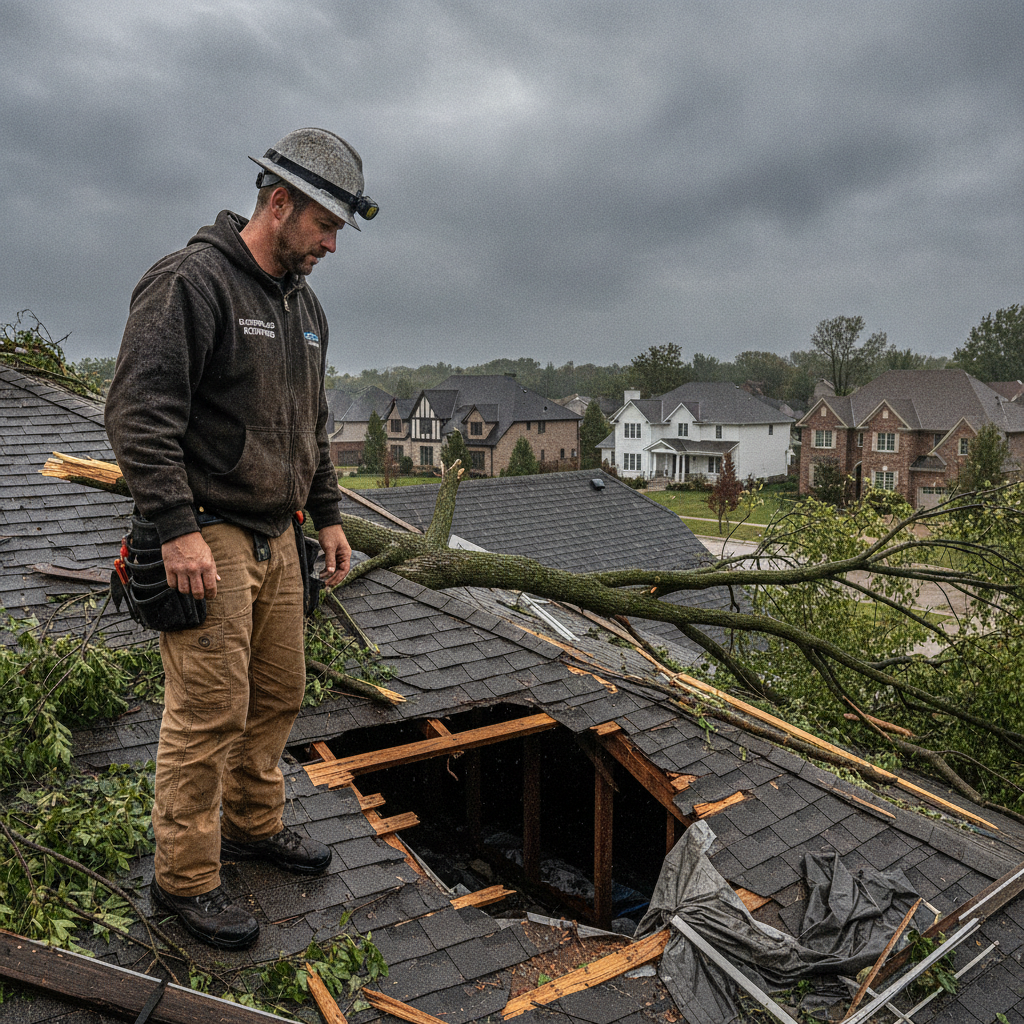
Storm damage can take many forms, each with its own set of challenges when it comes to roof repair regulations. High winds may tear off shingles or damage flashing, while hail can puncture roofing materials and cause leaks. Heavy rain and snow can lead to water infiltration, mold growth, or even structural weakening. Understanding the most common types of storm damage can help property owners and contractors prepare for the repair process and ensure compliance with all relevant regulations.
- Wind damage: Missing or lifted shingles, damaged flashing, and compromised roof edges.
- Hail damage: Dented or cracked shingles, punctured membranes, and bruised roofing materials.
- Water damage: Leaks, mold growth, and rotting decking or rafters.
- Fallen debris: Broken tiles, holes in the roof, or damaged gutters and downspouts.
Each of these scenarios requires a different approach to repair, and all must be addressed according to local roof repair regulations to ensure the safety and longevity of the structure.
Choosing the Right Contractor
Selecting a qualified contractor is essential for navigating roof repair regulations effectively. Property owners should look for contractors who are licensed, insured, and experienced in handling storm damage repairs in the area. Reputable contractors will be familiar with local codes and permitting requirements, ensuring that all work is completed legally and to the highest standards. It’s also important to check references, read reviews, and ask for proof of insurance before signing any contracts.
A good contractor will provide a detailed estimate, outline the scope of work, and explain the permitting and inspection process. They should also be willing to answer questions about materials, timelines, and warranty coverage. By choosing the right contractor, property owners can avoid common pitfalls and ensure that their repairs are completed efficiently and in compliance with all roof repair regulations.
Insurance Claims and Documentation
Filing an insurance claim for storm damage can be a complex process, but understanding roof repair regulations can make it easier. Insurance companies typically require detailed documentation of the damage, including photos, inspection reports, and repair estimates. It’s important to keep records of all permits, inspections, and communications with contractors, as this information may be needed to support your claim.
Working with a contractor who is experienced in handling insurance claims can help streamline the process. They can provide the necessary documentation and ensure that all repairs are completed according to code, increasing the likelihood of a successful claim. Remember, insurance companies may deny claims if repairs are not performed in compliance with local regulations, so attention to detail is critical.
Key Steps for Compliance
To ensure compliance with roof repair regulations, property owners should follow a series of key steps. First, assess the extent of the storm damage and document everything with photos and notes. Next, consult with a licensed contractor to develop a repair plan that meets local codes and standards. Apply for the necessary permits before starting any work, and schedule inspections as required by the building department. Keep detailed records of all permits, inspections, and repairs, as this documentation may be needed for insurance claims or future property sales.
By following these steps, property owners can avoid common pitfalls, ensure the safety and durability of their repairs, and maintain compliance with all relevant regulations. Staying organized and proactive is the best way to navigate the complexities of storm damage roof repair.
Table: Roof Repair Permit Requirements
| Permit Type | Required For | Documentation Needed | Inspection Points |
|---|---|---|---|
| Roof Repair Permit | Major repairs, storm damage | Scope of work, contractor license, material specs | Initial, progress, final |
| Structural Permit | Structural changes | Engineering drawings, calculations | Pre-pour, framing, final |
| Emergency Permit | Immediate hazard repairs | Damage report, photos | Initial, final |
This table summarizes the main types of permits required for roof repairs due to storm damage, along with the documentation and inspection points typically involved. Always check with the local building department for the most current requirements.
Tips for Smooth Roof Repair Projects
Managing a roof repair project after a storm can be stressful, but following a few best practices can help ensure success. Start by choosing a contractor with a proven track record in the region and make sure they are familiar with all roof repair regulations. Communicate clearly about your expectations, timelines, and budget. Stay organized by keeping all permits, inspection reports, and receipts in one place. Schedule regular check-ins with your contractor to monitor progress and address any issues promptly. Finally, don’t hesitate to ask questions or seek clarification from the building department if you’re unsure about any aspect of the process.
By staying proactive and informed, you can minimize delays, avoid costly mistakes, and ensure that your roof repair project is completed safely and in compliance with all local regulations.
The Bottom Line
Storm damage can be a major setback for property owners, but understanding and following roof repair regulations is the key to a smooth recovery. By staying informed about local codes, working with reputable contractors, and keeping detailed records, you can ensure that your repairs are completed safely, legally, and efficiently. Remember to obtain the necessary permits, schedule inspections, and document every step of the process. Whether you’re a small business owner, a developer, or a resident, taking these proactive steps will help protect your property and give you peace of mind the next time a storm rolls through the area.