Water damage can strike any home, often when it’s least expected. Whether it’s from a burst pipe, a heavy rainstorm, or an appliance malfunction, the aftermath can be overwhelming for homeowners and small business owners alike. Understanding how water damage restoration works is crucial to minimizing loss, protecting property value, and ensuring a safe, healthy living environment. If you’re searching for reliable water damage restoration Bloomfield Hills services, it’s important to know what to expect from the restoration process and why acting quickly makes all the difference. This guide breaks down each step, from the initial assessment to the final touches, so you can approach water emergencies with confidence and clarity. Let’s explore how experts restore homes and businesses after water damage, what tools and techniques they use, and how you can make informed decisions when disaster strikes.
Understanding Water Damage Types and Their Impact
Not all water damage is created equal. The source, volume, and duration of water exposure all influence the severity of the damage and the restoration approach. Water damage is generally categorized into three types: clean water, gray water, and black water. Clean water comes from sources like broken pipes or rainwater and poses the least health risk. Gray water, from appliances like washing machines or dishwashers, may contain contaminants. Black water, often from sewage backups or flooding, is hazardous and requires specialized handling.
The impact of water damage can range from minor cosmetic issues to serious structural problems. Prolonged exposure can weaken wood framing, warp floors, and lead to mold growth. In commercial settings, water damage can disrupt operations and threaten inventory or equipment. Understanding these distinctions helps property owners communicate effectively with restoration professionals and prioritize the right actions.
For residents and businesses in the area, knowing the type of water involved is the first step in a successful restoration. Professional teams will always assess the category and class of water damage to tailor their response, ensuring safety and efficiency throughout the process.
If you need expert guidance, Bloomfield Construction offers comprehensive assessments and restoration solutions tailored to your unique situation.
The Initial Assessment and Inspection Process
The first step in any water damage restoration project is a thorough assessment. Restoration professionals use specialized moisture meters, infrared cameras, and visual inspections to determine the extent of the damage. They look for visible signs like staining, bubbling paint, warped flooring, and musty odors, but also check hidden areas where water may have seeped behind walls or under floors.
During this phase, technicians identify the source of the water and categorize the contamination level. This information shapes the restoration plan, including safety precautions, necessary equipment, and the urgency of the response. In many cases, the inspection also involves documenting the damage for insurance purposes, with detailed notes and photographs to support claims.
A comprehensive assessment ensures that no affected area is overlooked and that the restoration process addresses both immediate and long-term risks. For business owners, a prompt inspection can help minimize downtime and protect valuable assets. For homeowners, it’s the first step toward regaining peace of mind and restoring comfort in the home.
Water Extraction Techniques Used by Professionals
Once the assessment is complete, the next priority is removing standing water as quickly as possible. Restoration teams use powerful pumps, wet vacuums, and extraction tools designed for different surfaces and volumes of water. The goal is to eliminate water before it can seep deeper into building materials or create conditions for mold growth.
For carpeted areas, specialized extractors pull water from both the carpet and the padding underneath. Hardwood floors may require unique drying mats that draw moisture from below the surface. In larger commercial spaces, truck-mounted extraction units can handle significant volumes rapidly, reducing the risk of secondary damage.
Speed is crucial in this phase. The longer water remains, the more extensive and costly the damage becomes. Professional extraction not only saves time but also ensures that hidden pockets of water are addressed, preventing future issues that might not be immediately visible.
Drying and Dehumidification: Creating a Dry Environment
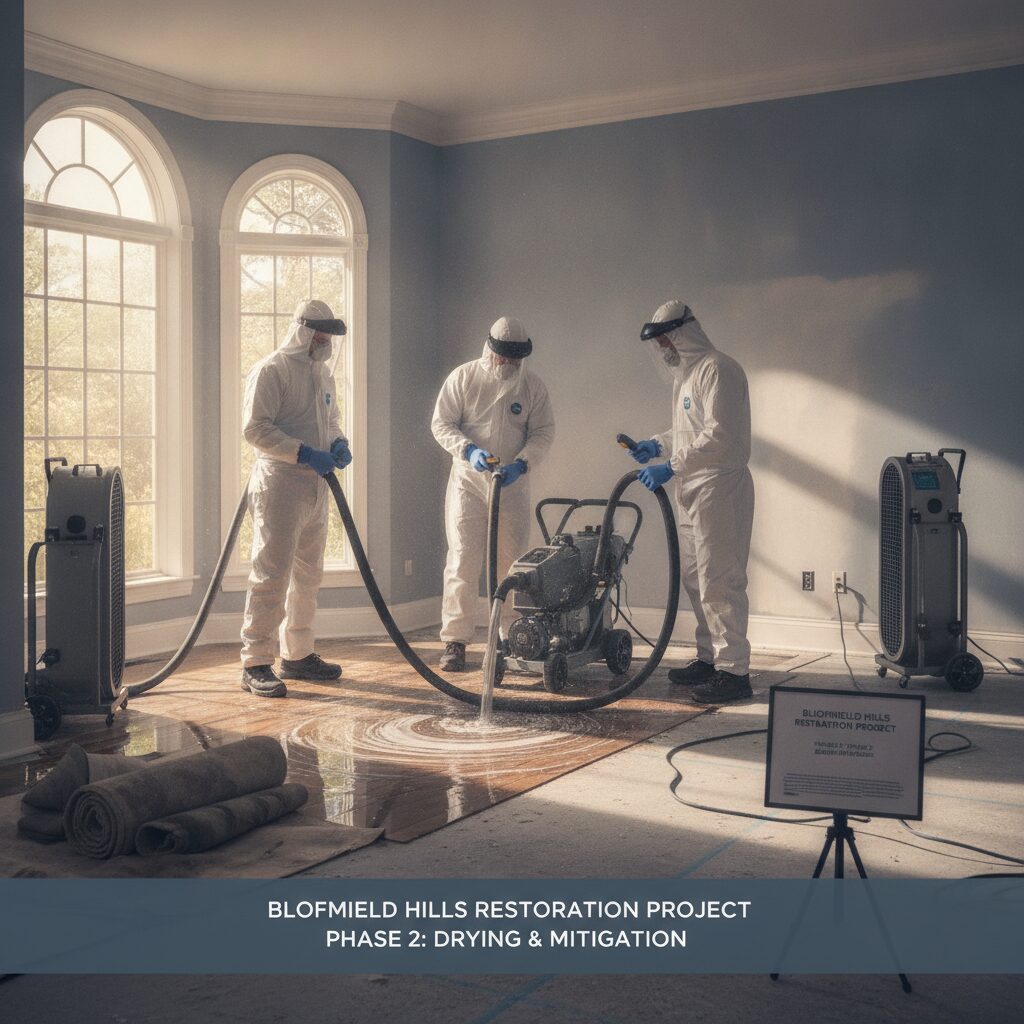
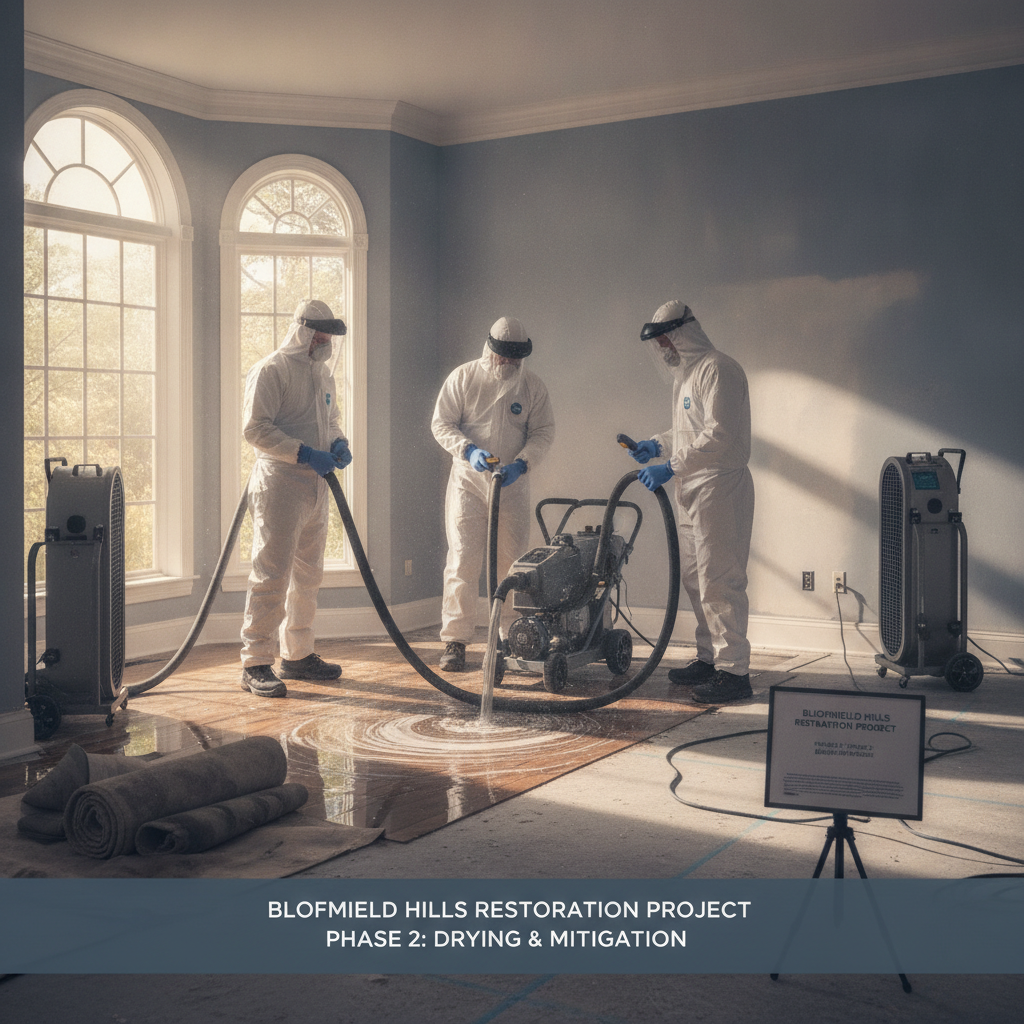
After water extraction, the drying process begins. Restoration experts deploy industrial-grade air movers and dehumidifiers to accelerate evaporation and remove lingering moisture from the air and affected materials. This step is critical for preventing mold growth and structural deterioration.
Technicians monitor humidity levels and moisture content using precise instruments, adjusting equipment placement as needed for optimal results. Drying can take several days, depending on the extent of the damage and the materials involved. In some cases, walls or floors may need to be opened to allow air circulation in concealed spaces.
Ensuring that every affected area is thoroughly dried is essential for a successful restoration. Even small amounts of residual moisture can lead to long-term problems, so professionals take a meticulous approach to this phase, balancing speed with thoroughness for the best outcome.
Sanitizing and Deodorizing After Water Damage
Water damage often brings more than just moisture, it can introduce contaminants and lingering odors into the home or business. After drying, restoration teams focus on cleaning, sanitizing, and deodorizing all affected surfaces. This step is especially important if the water was classified as gray or black, as these can carry bacteria, viruses, or other harmful substances.
Technicians use antimicrobial treatments, disinfectants, and specialized cleaning agents to remove any potential health hazards. Carpets, upholstery, and fabrics may be steam-cleaned or treated with odor-neutralizing solutions. Air scrubbers and ozone generators can also be used to purify the air, eliminating musty smells and restoring a fresh environment.
Sanitizing and deodorizing not only protect the health of occupants but also help restore the comfort and livability of the space. For businesses, this phase ensures that employees and customers can return safely, while homeowners can enjoy peace of mind knowing their property is clean and safe.
Restoring Damaged Materials and Structural Elements
Once the property is dry and sanitized, attention turns to repairing or replacing damaged materials. This can range from patching drywall and repainting to replacing flooring, cabinetry, or even structural supports. Restoration professionals assess each component to determine whether it can be salvaged or must be removed and replaced.
In some cases, restoration may involve custom carpentry, electrical work, or plumbing repairs. The goal is to return the property to its pre-damage condition, both in appearance and functionality. For businesses, this may include restoring office equipment, shelving, or display areas. Homeowners may need to replace insulation, baseboards, or personal belongings damaged beyond repair.
Skilled restoration teams coordinate these repairs efficiently, minimizing disruption and ensuring quality workmanship. By addressing both visible and hidden damage, they help property owners regain full use of their space and prevent future issues related to incomplete restoration.
The Importance of Timely Response in Water Emergencies
Time is of the essence when dealing with water damage. The longer water sits, the greater the risk of structural damage, mold growth, and costly repairs. A prompt response can mean the difference between a quick recovery and a prolonged, expensive restoration process.
Restoration professionals are trained to mobilize quickly, often arriving within hours of a call. They bring the necessary equipment and expertise to stabilize the situation, prevent further damage, and start the restoration process immediately. For business owners, this rapid response helps minimize downtime and protect revenue. For homeowners, it reduces the emotional and financial stress associated with water emergencies.
Having a trusted local restoration partner means you’re never alone in an emergency. Knowing who to call and what steps to take can make a world of difference when every minute counts.
Common Restoration Tools and Equipment Explained
Water damage restoration relies on a range of specialized tools and equipment. Understanding what these are and how they’re used can demystify the process for property owners. Here’s a look at some of the most common tools used in the industry:
- Moisture Meters: Measure the moisture content in walls, floors, and ceilings to identify hidden water.
- Infrared Cameras: Detect temperature differences that indicate moisture behind surfaces.
- Air Movers: High-velocity fans that speed up evaporation and drying.
- Dehumidifiers: Remove excess moisture from the air, preventing mold growth.
- Water Extractors: Powerful vacuums designed to remove standing water from carpets and hard floors.
- HEPA Air Scrubbers: Filter airborne contaminants and improve indoor air quality during restoration.
Professionals select the right combination of tools based on the specific needs of each project. This ensures effective, efficient restoration and helps property owners understand the value of expert intervention.
How Restoration Professionals Protect Your Belongings
Water damage doesn’t just affect the structure of a building, it can also threaten personal belongings, furniture, documents, and valuable inventory. Restoration teams take steps to protect and restore these items whenever possible. This may involve moving unaffected items to a safe area, cleaning and drying salvageable belongings, and using specialized techniques for sensitive materials like electronics or paper records.
For homeowners, this can mean saving cherished family photos, heirlooms, and important documents. For businesses, it might involve restoring computers, files, or merchandise critical to operations. Restoration professionals use inventory tracking, careful packing, and climate-controlled storage when necessary to ensure items are protected throughout the process.
By prioritizing both the structure and the contents of a property, restoration teams provide comprehensive support that goes beyond simple repairs. This holistic approach helps property owners recover more fully from water damage events.
Table: Typical Steps in the Water Damage Restoration Process
| Step | Description |
|---|---|
| Assessment & Inspection | Evaluate the extent of water damage and identify the source and type of water involved. |
| Water Extraction | Remove standing water using pumps and vacuums to prevent further damage. |
| Drying & Dehumidification | Deploy air movers and dehumidifiers to eliminate moisture from the air and materials. |
| Cleaning & Sanitizing | Disinfect and deodorize affected areas to remove contaminants and odors. |
| Restoration & Repairs | Repair or replace damaged materials and restore the property to its original condition. |
This table outlines the typical workflow for water damage restoration, helping property owners understand what to expect at each stage of the process.
Preventing Future Water Damage in Your Property
Once restoration is complete, it’s wise to take steps to prevent future water damage. Regular maintenance, such as inspecting plumbing, cleaning gutters, and monitoring appliances, can help catch potential issues before they become emergencies. Installing water alarms, sump pumps, and backflow valves adds another layer of protection for both homes and businesses.
Educating family members or employees about emergency shut-off procedures and keeping contact information for local restoration professionals handy can make a big difference in response time. For those in this community, being proactive about maintenance and preparedness helps safeguard property and peace of mind.
By learning from each incident and investing in prevention, property owners can reduce the likelihood of future water damage and the disruptions it brings.
Final Thoughts
Water damage restoration is a complex, multi-step process that requires expertise, specialized equipment, and a timely response. For homeowners, business owners, and developers, understanding how restoration works empowers you to act quickly and make informed decisions when water emergencies arise. From initial assessment to final repairs, each phase is designed to restore safety, comfort, and value to your property. By working with experienced professionals and staying proactive about prevention, you can protect your investment and ensure a swift recovery from even the most unexpected water events. Remember, preparation and knowledge are your best tools for facing water damage with confidence.